Finding jobs for disabled ? creating enabling mindsets

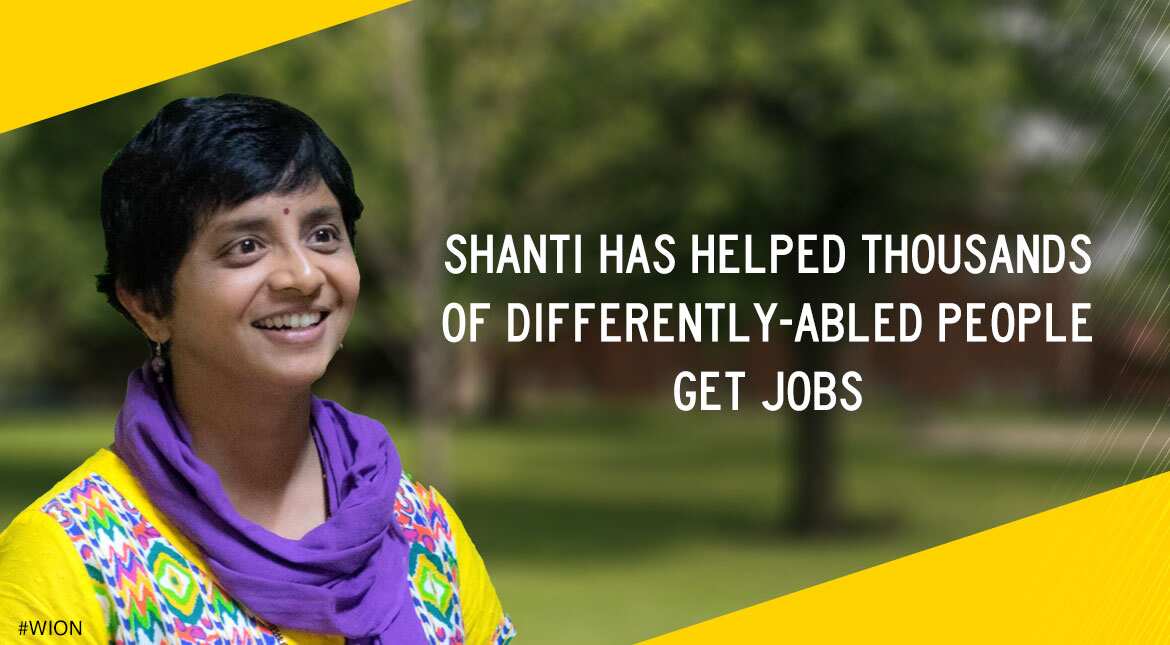
'Inclusion is a process which will make each person feel valued and accepted for who they are'
One-fifth of humanity face significant disabilities. They are more likely to experience lower education and poorer levels of employment
ShantiRaghavan, founderEnAbleIndia,is working to transforming attitudes towards employing thedisabled.Raghavanhas been working to further thecause of economic independence and dignity of the disabled for more than nine years.Till December 2016, she has helped more than 4,500 differently-abled people with their livelihoods, while securing jobs for about 10,000.
Q. What prompted you to help the differently-abled?
A.The journey started after my husband,Dipesh,and I experienced disability at close quarters with my brother, Hari, who started growing blind at the age of 15 due to a degenerative eye condition. We learned a lot while rehabilitating him. In the process, we decided to help others, ultimately coming up withEnAbleIndia. Today, my brother is a manager at IT major Dell and is doing very well.

Q. What are the systemic flaws preventing employment opportunities for the disabled in India?
A:The primary reason would be the lack of knowledge management. There are many non-governmental bodies doing good work. But they have notdocumentedtheirexperiences with finding solutionswhich canthenbe replicatedelsewhere. There is also a lack of human capital and processes.Our effort as anorganisationis to fill these gaps.
Q. How does yourorganisationhelpthe disabled?
)
Nigeria: Protesters take to the streets, police fire shots
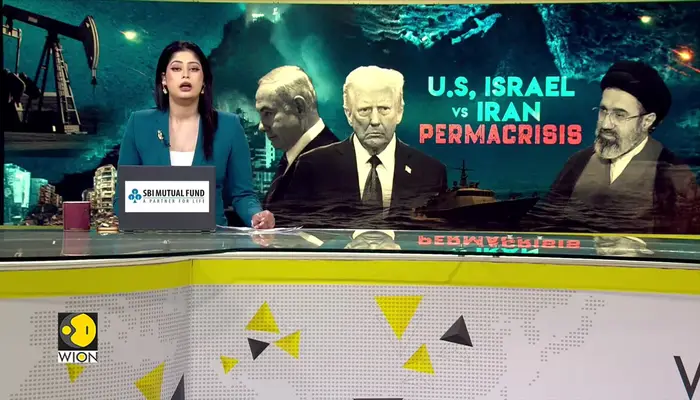)
US-Iran war: Tehran draws red lines — seven demands before any peace talks
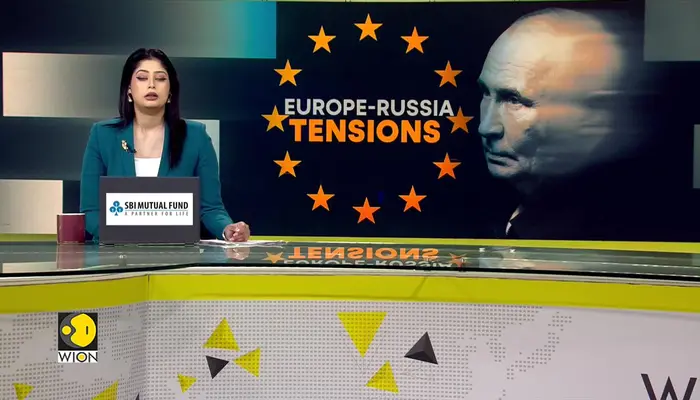)
Russia-Europe tensions: Polish PM warns Russian attacks could test NATO's unity
&im=FitAndFill=(700,400))
‘Not the US or China’: These are the countries leading the world in arable land
)
Trump says he'll build an 'AI Force' and appoint a czar, for 'high IQ' people only
)
EXCLUSIVE | Singer Hanita Bhambri on her Toxic debut, working with Vishal Mishra and more
)
Sikh bus driver assaulted, bus stolen and rammed into cars in England; video surfaces
)
Mark Carney mimics Trump in hilarious moment over C$70 billion clean-energy investment; room erupts in laughter
&im=FitAndFill=(700,400))
Before Extraordinary Minami Minami, these popular K-dramas got Japanese versions
)
'Were you here to sell chickpeas?': Wasim Akram criticises Babar Azam's captaincy
)
Aravana prasadam shortage at Sabarimala temple in Kerala triggers protests, TDB questioned
)
‘End of my career...’: NSA Doval recalls tense Sikkim mission when China captured Indian intelligence team
)
Report: Iran rebuilding Taleghan 2, nuclear site tied to past weapons research, hit twice by Israel
)
Trump defends AI amid growing alarm, announces new 'AI force' and promises an 'AI czar'
)
Iran sets 7 conditions to end war with US: What are Tehran’s demands?
)
Trump announces ‘AI Force’ as debate grows over AI risks and regulation
)
China may have gained access to US's classified F-35 jets; parts meant for repairs diverted to Hong Kong, sparking Pentagon inquiry
)
Man breaks open wall hiding hundreds of books since 15 years
)
Gaza under attack: Health chief's son killed in IDF strikes
)
S Jaishankar, former Army chief among high-profile names issued Delhi SIR notices
)
Arvind Kejriwal, family members, Delhi CM Rekha Gupta get SIR notices
)
AI actress Tilly Norwood glitches mid-interview, switches from English to Chinese | Watch
)
Saudi vs Houthis: Houthis claim missiles & drones used in attack on key Saudi sites
)
Ed Sheeran addresses Macklemore's removal, Gaza conflict during Philadelphia concert: 'I cannot hide how I feel'
)
‘Will go to any extent’: Pakistan vows to defend Saudi Arabia amid Houthi attacks
66 years of the Indus Waters Treaty: How India and Pakistan settled a bitter river dispute
)
The Verdict | When precision fails: US commits war crime in Minab school strike, UN finds
)
9 women found dead near Johannesburg: South Africans rally, demand 'enough' to femicide
)
Kampala-Ankara rift deepens: Uganda suspends military ties, seeks Fred Lumbuye's extradition
)
Several petrol pumps, other businesses to refuse UPI payments above Rs 2,000 from Oct 16: Is it legal?
)
US-Iran war: Tehran sets seven conditions to re-engage in talks with US
)
Reacher star Alan Ritchson opens up about alleged blackmail, suicide attempt during difficult period
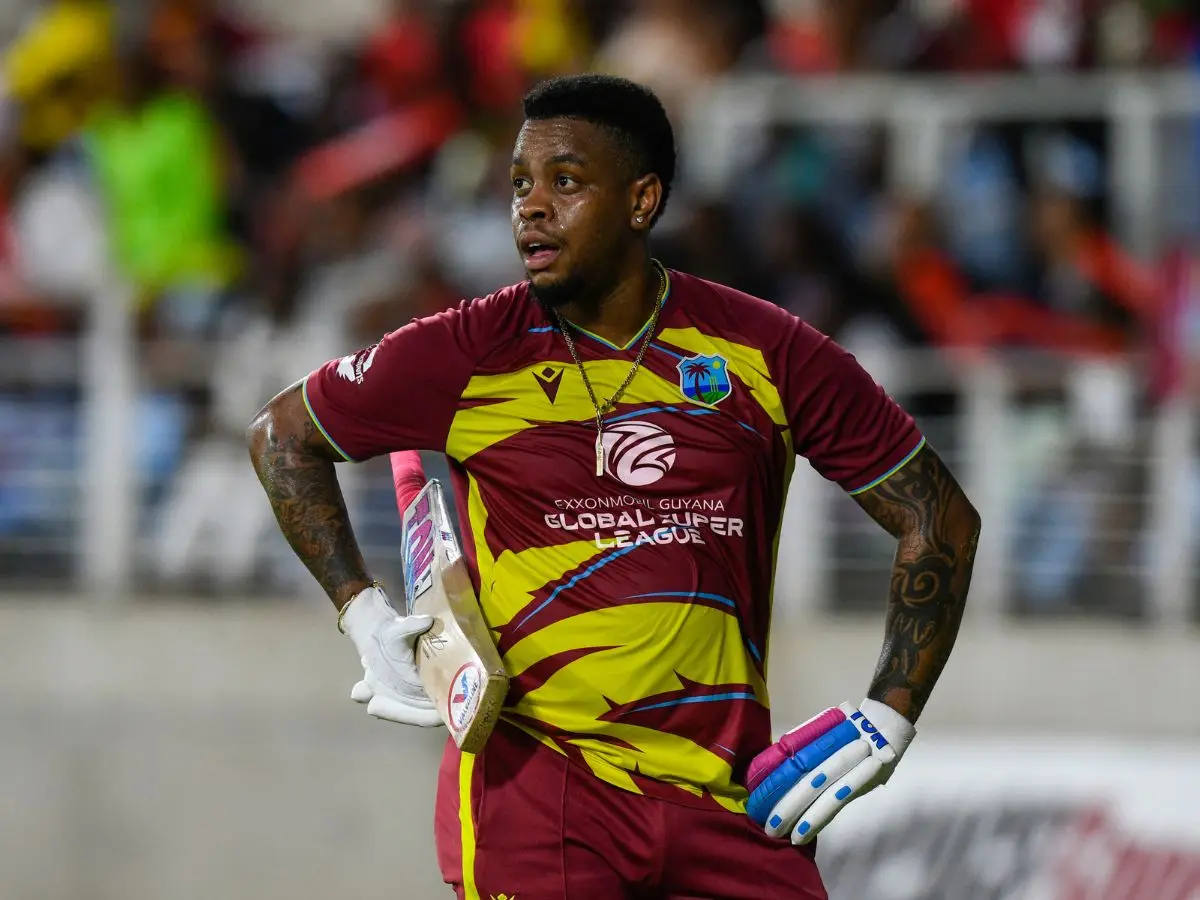)
West Indies Squad for India Series: Hetmyer included for T20Is, Holder rested
)
China now makes advanced memory chips without the machines it was banned from buying
&im=FitAndFill=(700,400))
How many F-35s does Britain, Japan and Israel have?
)
Harry Brook targets long reign at top of T20I rankings after Sri Lanka sweep
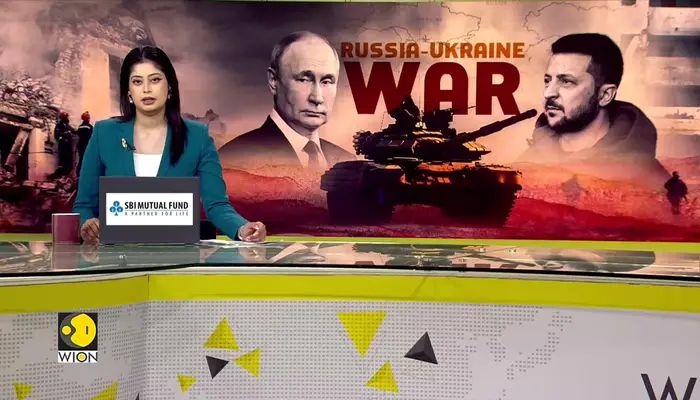)
Russia's deadly Ukraine strikes kill 2 in Sumy, hit Dnipro mall
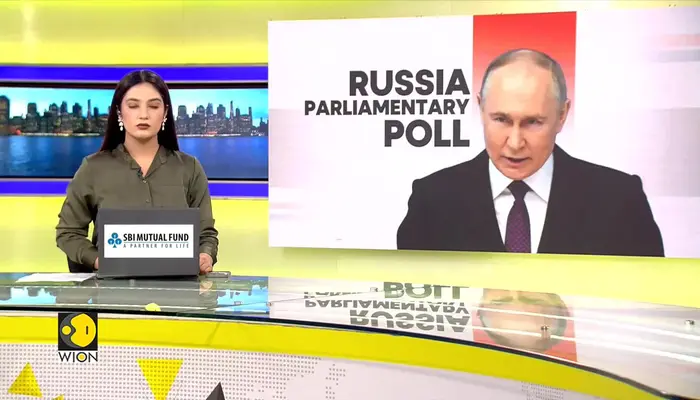)
Russia holds first parliamentary elections since the beginning of the Ukraine war
&im=FitAndFill=(700,400))
Meet top 5 Indian batters with fastest T20I centuries
)
Raphinha hat-trick powers Barcelona to 3-1 win over Sevilla in La Liga
)
A.Before Enable India started in livelihoods, mostwith disabilities were getting jobs through reservations (inthe public sector). We opened up the private sector and made companies understand the business value in hiring persons with severe sensory disabilities. We impact livelihoods across 11 disabilities, including visually impaired, physically disabled, autism spectrum disorder, mental illness, learning disability, audio-visual impairment.
 The disabled do not need sympathy - they need a supportive environment to grow and fulfil their needs, potential and dreams. (WION)
Q. How is the training done?
A.Weemphasiseon encouraging candidates to develop an attitude to work. This is followed by making candidates aware of the skills necessary to succeed in any job role such as working with quality. Nextis facilitating candidates to increase knowledge about their disability so that they speak about it using positive language and learn about using tools to work at par with the non-disabled. And finally, we strengthen workplace readiness – enabling candidates to get ready for the job that matches their educational qualification and skills.
Q.What arethe pros and cons of being a social entrepreneur?
A.I see only pros.I have to work on my self-development and my values constantly to ensure that the vision is delivered. Innovation is a must.As we solve pieces of the puzzle, yourealisehowmuch more you need to do. Ihave been able to evolve to higherdegrees of focus and energy by cutting out negativity, ego, judgment and more.There are no cons because this is what I want to do and would not have it any other way.
Q.What are some challenges that you have faced and how did you overcome them?
A.Challenges vary from demand creation to opening up of jobs, developingthe skills ofcandidates to barriers in environmentto thosewith disability.We have come up with an innovative employability training, a division for demand creation, different workplace solutions to open up jobs which hitherto did not exist forthedisabled.
Q.What keeps youmotivated?
A.Every occasion when we have felt bereft of answers or have lost steam, we have seen the power of intent. I also draw inspiration from every person I meet. I wonder about how different people work in tough sectors withlow income, how homemakers manage without any recognition,marginalisedwomeninconstruction work to house work, transgenders and muchmore.
Q.How can a common man contribute in the initiative?
A.We come across disabilities in our day-to-day livesin the formof accidents, illnesses and stress factors. If we build something in our sphere of influence keeping these disabilities in mind,aworld will becreatedto benefit them. People will see inclusion as a way of life. Inclusion is a process which will make each person feel valued and accepted for who they are.