India wants eyes everywhere: Building a surveillance shield from border to space

&imwidth=600&imheight=450&format=webp&quality=medium "India wants eyes everywhere: Building a surveillance shield from border to space")
Image for representation Photograph: (Freepik)
India is expanding its military surveillance through satellites, long-range electro-optical sensors, drones, and AI analytics to build an integrated defense architecture that boosts situational awareness, response speed, and national sovereignty.
India’s next military advantage may not come from a new missile, fighter jet, or tank. It could come from something that makes all of them more effective: the ability to find the enemy first. As drones, long-range missiles and increasingly sophisticated electronic systems transform warfare, surveillance is emerging as one of the most important layers of India’s defence architecture.
For Sandeep Shah, Co-Founder and Managing Director of Optimised Electrotech, the requirement is straightforward. “We need to see everything that is happening,” Shah told WION.
But achieving that level of awareness across India presents an extraordinary technological challenge.
India has to monitor Himalayan frontiers, deserts, forests, coastlines, and vast maritime approaches. And the threats themselves are changing. A surveillance network designed to identify aircraft, or conventional military movements must now also contend with small drones and other difficult-to-detect targets.
Shah believes India’s capabilities have evolved considerably.
Trending Stories
&imwidth=280&imheight=210&format=webp&quality=medium)
&imwidth=280&imheight=210&format=webp&quality=medium)
&imwidth=280&imheight=210&format=webp&quality=medium)
&imwidth=280&imheight=210&format=webp&quality=medium)
&imwidth=280&imheight=210&format=webp&quality=medium)
&imwidth=280&imheight=210&format=webp&quality=medium)
&imwidth=280&imheight=210&format=webp&quality=medium)
&imwidth=280&imheight=210&format=webp&quality=medium)
&imwidth=280&imheight=210&format=webp&quality=medium)
&imwidth=280&imheight=210&format=webp&quality=medium)
&imwidth=280&imheight=210&format=webp&quality=medium)
&imwidth=280&imheight=210&format=webp&quality=medium)
&imwidth=280&imheight=210&format=webp&quality=medium)
&imwidth=280&imheight=210&format=webp&quality=medium)
&imwidth=280&imheight=210&format=webp&quality=medium)
&imwidth=280&imheight=210&format=webp&quality=medium)
&imwidth=280&imheight=210&format=webp&quality=medium)
&imwidth=280&imheight=210&format=webp&quality=medium)
&imwidth=280&imheight=210&format=webp&quality=medium)
&imwidth=280&imheight=210&format=webp&quality=medium)
&imwidth=280&imheight=210&format=webp&quality=medium)
&imwidth=280&imheight=210&format=webp&quality=medium)
&imwidth=280&imheight=210&format=webp&quality=medium)
&imwidth=280&imheight=210&format=webp&quality=medium)
&imwidth=280&imheight=210&format=webp&quality=medium)
&imwidth=280&imheight=210&format=webp&quality=medium)
&imwidth=280&imheight=210&format=webp&quality=medium)
&imwidth=280&imheight=210&format=webp&quality=medium)
&im=FitAndFill=(700,400)&imwidth=280&imheight=210&format=webp&quality=medium)
&imwidth=280&imheight=210&format=webp&quality=medium)
&imwidth=280&imheight=210&format=webp&quality=medium)
“We are much better prepared today than we were five years back,” he said.
The next step is creating an architecture where different surveillance layers complement each other.
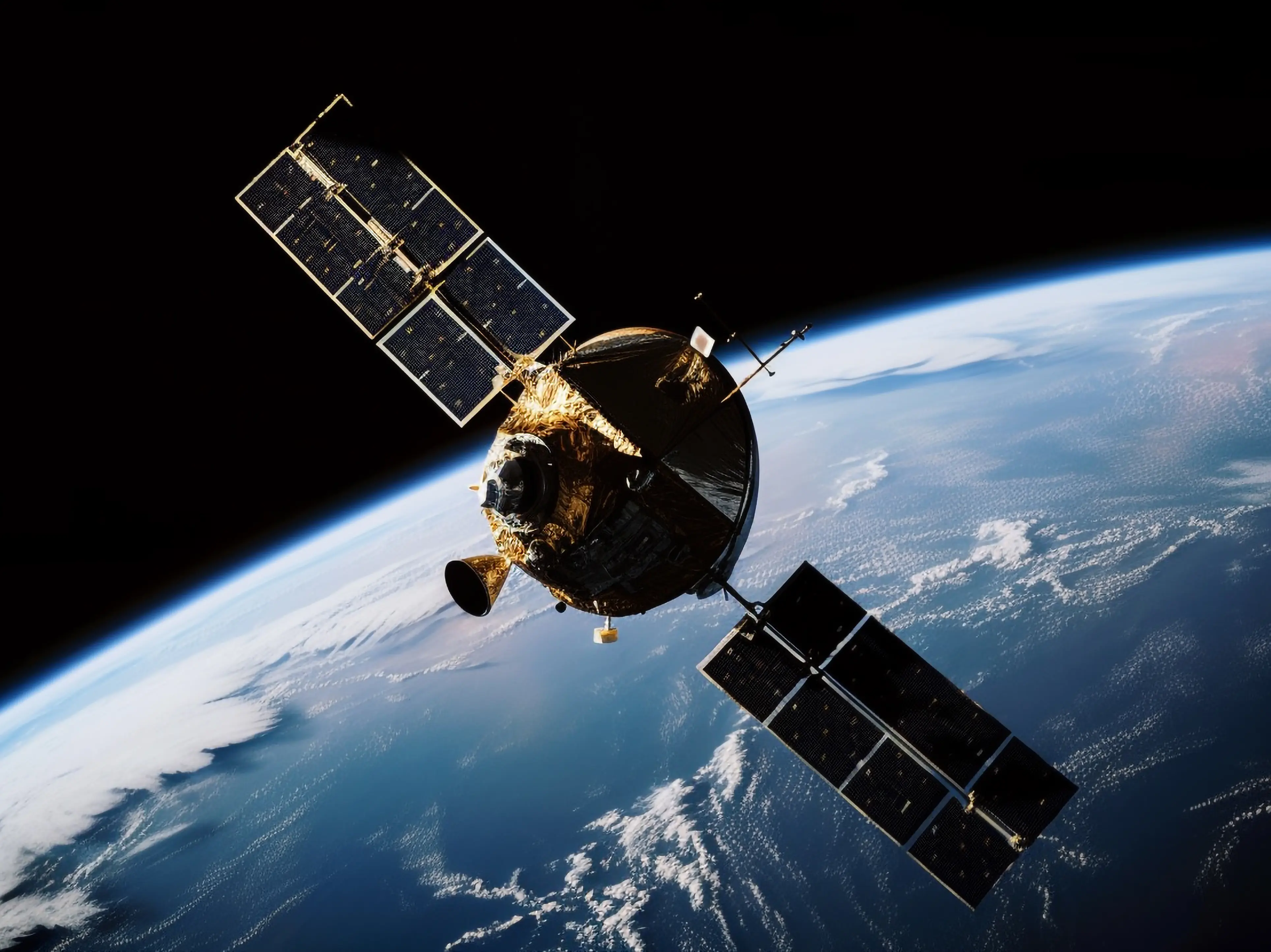
Satellites can provide the strategic picture from space. Long-range electro-optical and infrared systems can maintain watch over sensitive border areas. Drones provide mobile surveillance over terrain where fixed sensors may struggle.
But increasingly, artificial intelligence is becoming the layer connecting the information.
Modern sensors can generate vast quantities of imagery. The challenge is identifying what matters quickly. AI-enabled analytics can potentially flag suspicious movements, classify objects and help operators concentrate on genuine threats instead of manually analysing every feed.
That could become critical as militaries attempt to compress the time between detecting a threat and responding to it.
There is another strategic consideration: who controls the technology.
Surveillance systems collect some of the most sensitive information available to a military. Building indigenous sensors, imaging technologies and analytics therefore becomes a question not merely of defence manufacturing, but of information sovereignty.
The battlefield is becoming increasingly transparent.
And in the wars of tomorrow, the decisive advantage could belong not simply to the side that can strike the farthest, but to the one that can see the farthest, understand the fastest and act first.

