Walmart to pay $10 million to settle US fraud case over money transfer scams

&imwidth=600&imheight=450&format=webp&quality=medium "Walmart to pay $10 million to settle US fraud case over money transfer scams")
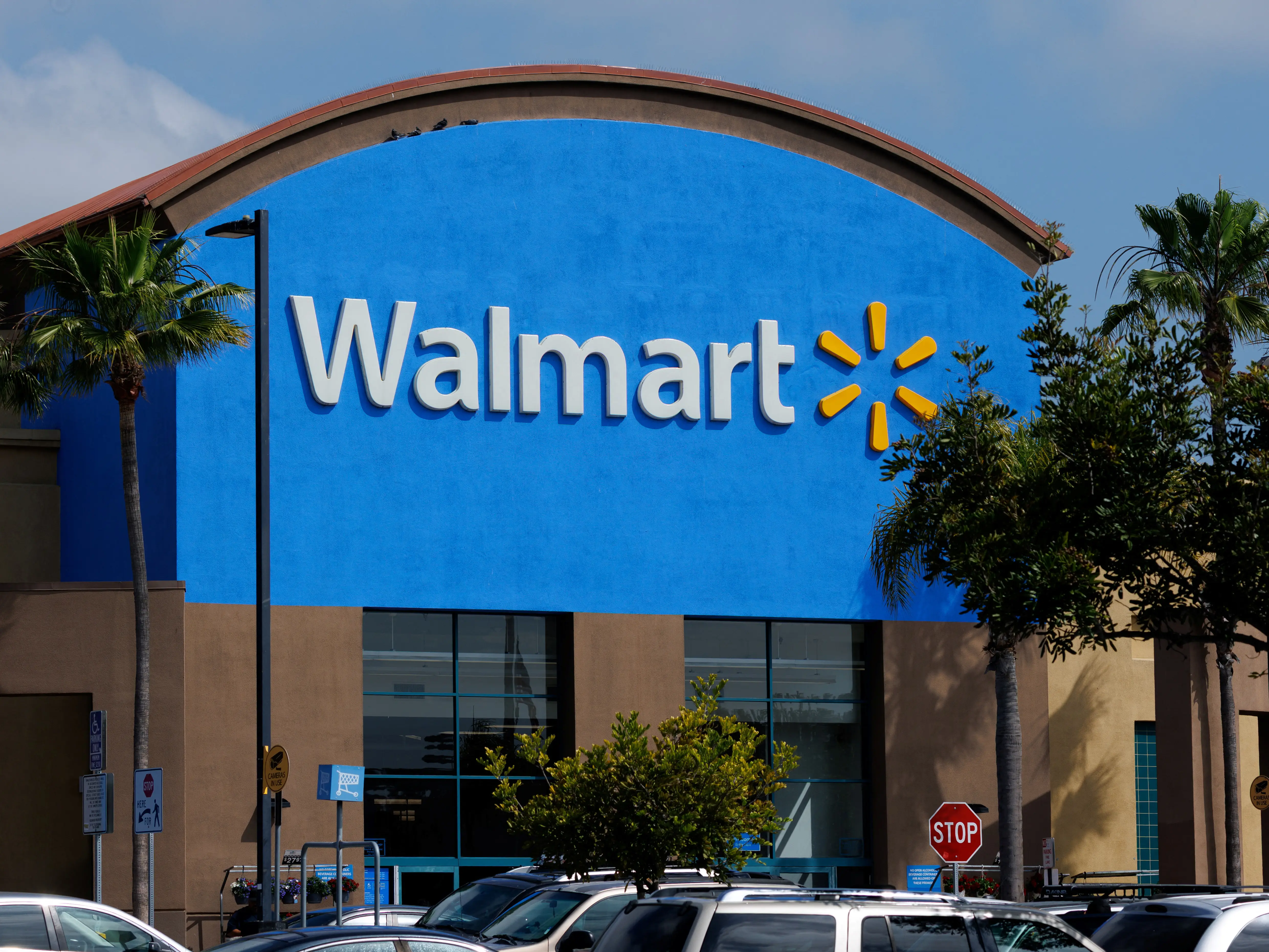
A Walmart store is shown in Oceanside, California, US. Photograph: (Reuters)
Walmart to pay $10 million to settle an FTC lawsuit alleging it failed to stop scammers from exploiting its money transfer services.
Retail giant Walmart has agreed to pay $10 million to settle a civil lawsuit filed by the US Federal Trade Commission (FTC), which accused the company of failing to prevent scammers from using its money transfer services to defraud consumers.
As per Reuters, the case underscores growing scrutiny over how large retailers manage financial services, especially amid rising incidents of fraud linked to telemarketing and wire transfers.
The settlement was filed on Friday in a federal court in Chicago and still requires judicial approval.
What is the case about?
As per a 2022 complaint filed by the FTC, Walmart allegedly turned a blind eye while fraudsters used its in-store money transfer services, including partnerships with MoneyGram and Western Union — to siphon off hundreds of millions of dollars from consumers.
According to Reuters, these scams typically included impersonation of Internal Revenue Service (IRS) officials, fake lottery or sweepstakes claims, and fraudulent emergency requests from people posing as relatives.
Trending Stories
)
)
)
&im=FitAndFill=(700,400))
)
)
)
)
)
)
)
)
)
)
)
)
)
)
)
&im=FitAndFill=(700,400))
)
)
)
)
)
)
)
)
)
)
&im=FitAndFill=(700,400))
)
)
)
&im=FitAndFill=(700,400))
Once the funds were sent, they were almost impossible to trace or recover, a tactic that made electronic money transfers the method of choice for fraudsters.
What did the court say?
According to Reuters, the proposed $10 million settlement was submitted to US District Judge Manish Shah, who must now approve the agreement.
Judge Shah had earlier dismissed part of the FTC’s claims in July 2023, but allowed the key allegations to proceed. Walmart appealed that decision, and this settlement would effectively end the appeal.
Under the agreement, Walmart has also committed to enhanced oversight measures. The company will be prohibited from processing transfers it suspects are fraudulent and from working with sellers or telemarketers it believes may be using its services to commit fraud.
What did the FTC say?
“Electronic money transfers are one of the most common ways that scammers tell consumers to send them money, because once it’s sent, it’s gone for good,” said Christopher Mufarrige, director of the FTC’s Bureau of Consumer Protection, as quoted by Reuters.
He added that companies offering these services must train employees and build systems that can flag suspicious activity and stop transactions before it’s too late.
What is Walmart’s response?
As per Reuters, Walmart has not admitted or denied wrongdoing under the terms of the settlement. The company also did not respond to Reuters’ request for comment following the court filing.
In past statements, Walmart has maintained that it has invested significantly in fraud prevention andstaff training to protect consumers.
Have there been similar cases before?
Yes. The Walmart case reportedly follows a pattern of enforcement by US regulators against firms that allegedly failed to protect consumers from money transfer fraud.
As reported by Reuters, Western Union agreed to a $586 million settlement in 2017 over similar allegations, while MoneyGram paid $125 million in 2021 for violating anti-fraud commitments. In each case, regulators said the companies failed to act on red flags that could have prevented widespread consumer losses.
The FTC said that in Walmart’s case, the company also failed to act on internal warnings and allowed repeated suspicious transactions to be processed at its stores.
What happens next?
If approved by the court, the $10 million will be used for consumer redress or other remedies determined by the judge.
As per Reuters, the settlement also sends a strong signal to other major retailers and financial intermediaries: they will be held accountable if they fail to prevent fraud, especially as in-store financial services become more accessible and vulnerable.
(With inputs from the agencies)