US Judge approves WeWork's chapter 11 bankruptcy plan


WeWork logo outside offices in Queens, New York City.
A US bankruptcy judge authorised WeWork's Chapter 11 bankruptcy plan on Thursday, allowing the unstable shared office space provider to discharge $4 billion in debt and transfer stock to a group of lenders and real estate technology business Yardi Systems.
WeWork's restructuring was approved by US Bankruptcy Judge John Sherwood during a court hearing in Newark, New Jersey. The clearance allows WeWork to emerge from bankruptcy debt-free "in a matter of days," according to the company's attorney, Steven Serajeddini.
In November 2023, the flexible workspace provider filed for bankruptcy after rapidly expanding but incurring considerable losses due to an overly large real estate portfolio. WeWork's Chapter 11 filing has enabled it to renegotiate future rent rates with landlords, cancelling contracts at about one-third of its facilities and reducing future rent liabilities by more than $12 billion.

Following its bankruptcy, WeWork intends to operate 337 shared office spaces, with over 170 in the United States and Canada.
"Due to the tireless efforts of our team, and the unwavering loyalty of so many of our members, we have completed our Chapter 11 proceedings with success well beyond our initial expectations," stated David Tolley, CEO of WeWork.
WeWork rejected a competing buyout proposal from co-founder and former CEO Adam Neumann, claiming that his offer was insufficient to persuade the company's lenders, who preferred an equity interest as part of the restructuring plan. Existing equity shares will be cancelled because of the restructuring, but SoftBank, WeWork's largest stakeholder, will retain a minority ownership holding due to loans it made to the company. WeWork was once valued at $47 billion; its post-bankruptcy equity is estimated to be at $750 million.
)
'Mumma’s boy from Gwalior who dared to dream': Kartik Aaryan pens long note after first National Award win
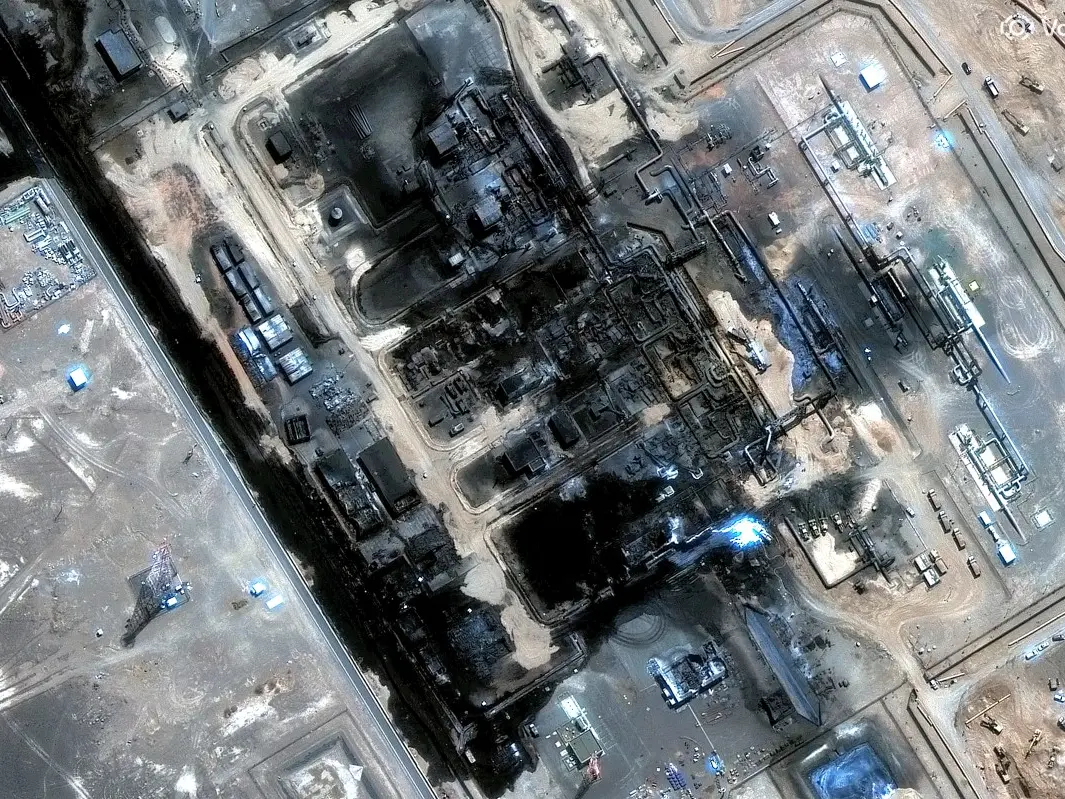)
Oil slips to $98 as Saudi Arabia restarts East-West oil pipeline
)
Asian Games 2026: India women's cricket team beats Sri Lanka by 147 runs for first gold
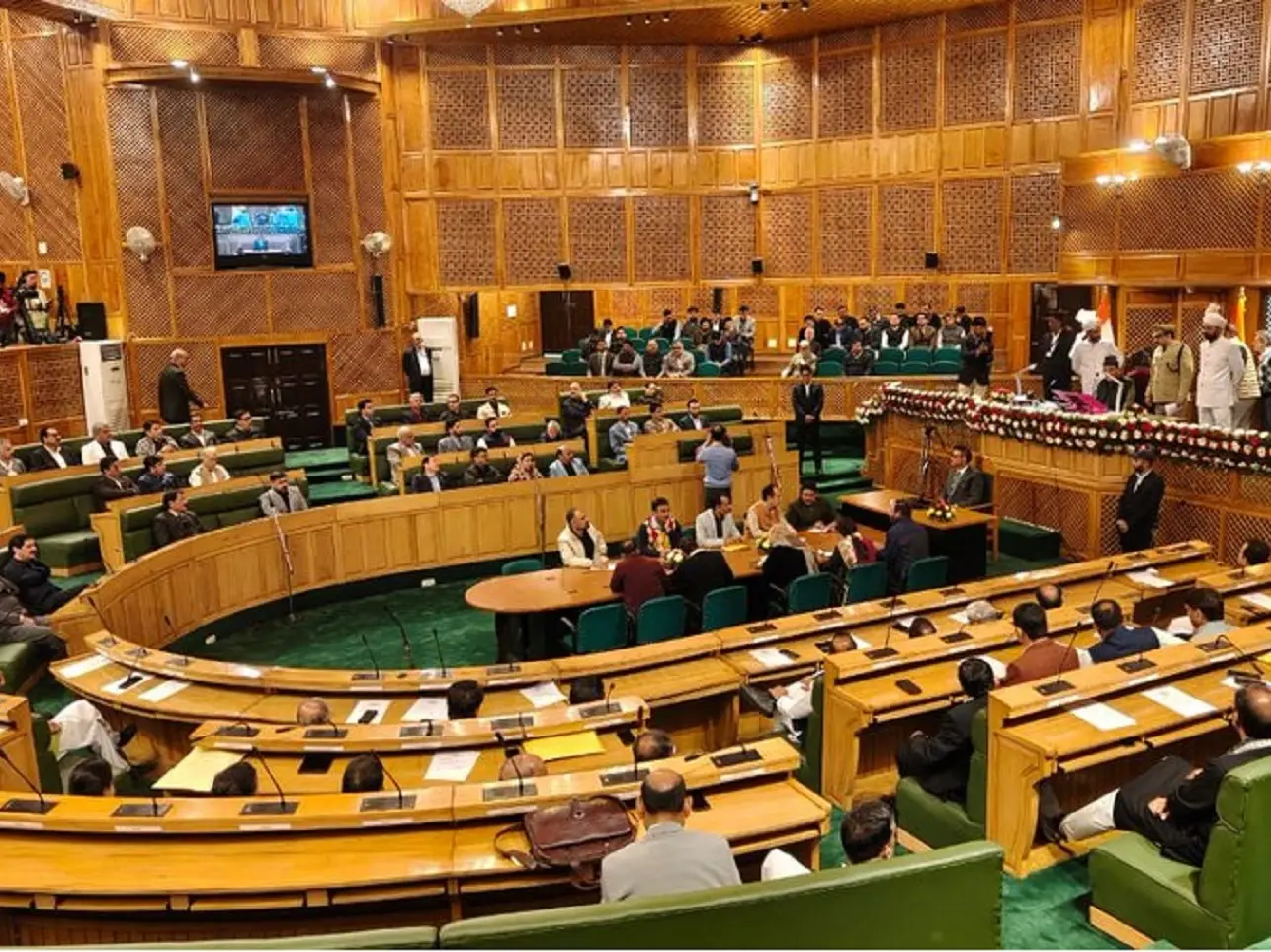)
Over 4,200 books withdrawn from circulation in J&K colleges, 94% from Kashmir
&im=FitAndFill=(700,400))
National Film Awards 2026: Kartik Aaryan, Mammootty, Yami Gautam, Randeep Hooda and other key winners
)
'This is normally what toddlers do': Why a psychiatrist is raising fresh questions about Trump’s recent behaviour
)
Trump-Xi state dinner 2026: Who is invited? Full guest list of tech CEOs, business leaders and officials
)
IND vs JPN, one-off T20I: Japan captain Kendel on pushing India to the brink - ‘It was special’
72nd National Film Awards: Kartik Aaryan receives Best Actor honour for Chandu Champion in Gujarat
)
Trump calls on nations to quit ‘rogue’ and ‘out-of-control’ International Criminal Court, rips UN
)
US and China vie for AI dominance as calls grow for regulation | Gravitas
)
Raaka creates history! Allu Arjun’s film secures Guinness World Record ahead of release
)
Glitch in the matrix caught on camera: Woman vanishes after talking to reporter
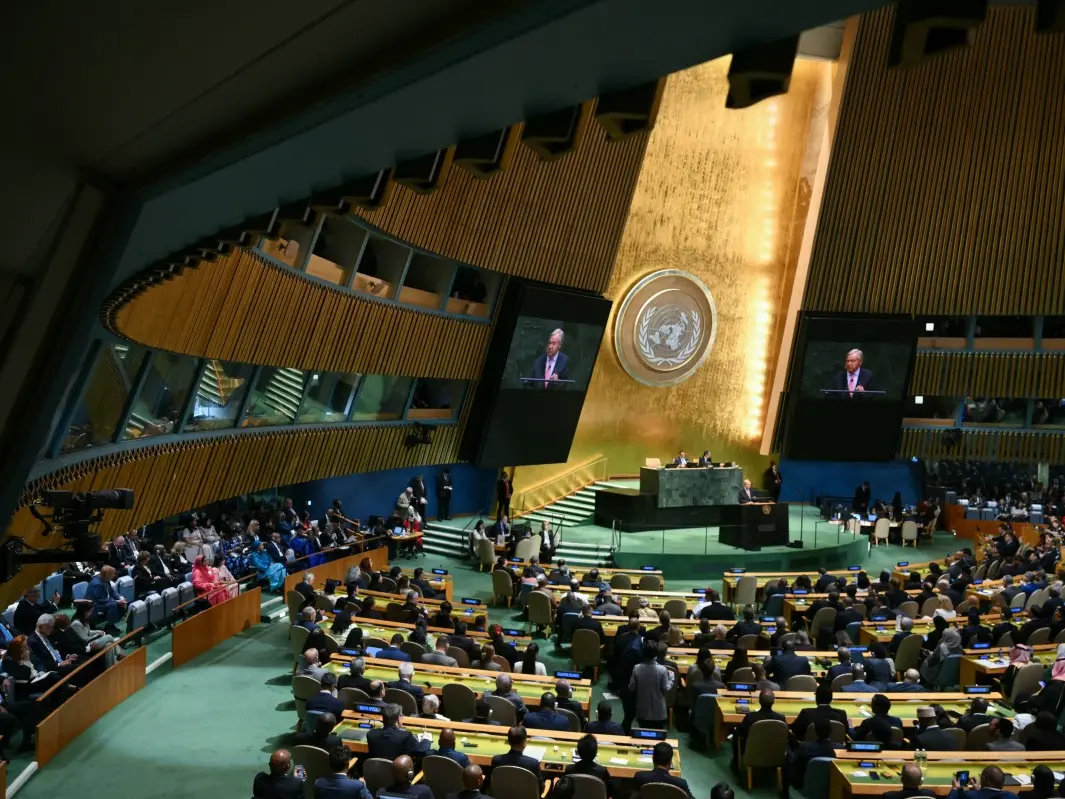)
World leaders repeatedly call Gaza crisis ‘genocide’ as Israel’s war dominates opening sessions of UNGA
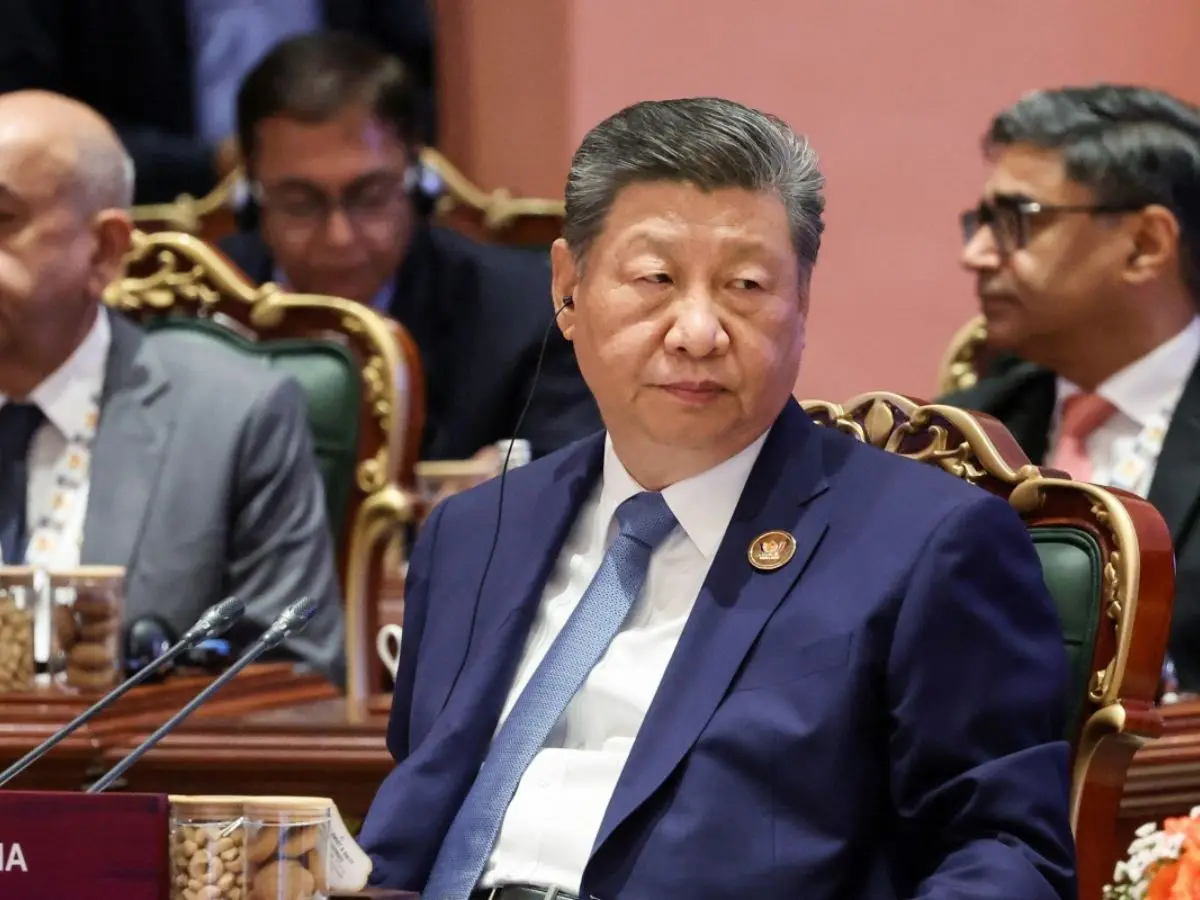)
Ten days from Delhi to Washington: What Xi's BRICS-to-White-House sprint means for India
)
WION Iconic Tourism Summit and Iconic Awards 2026: India's travel economy leaders gather in Delhi
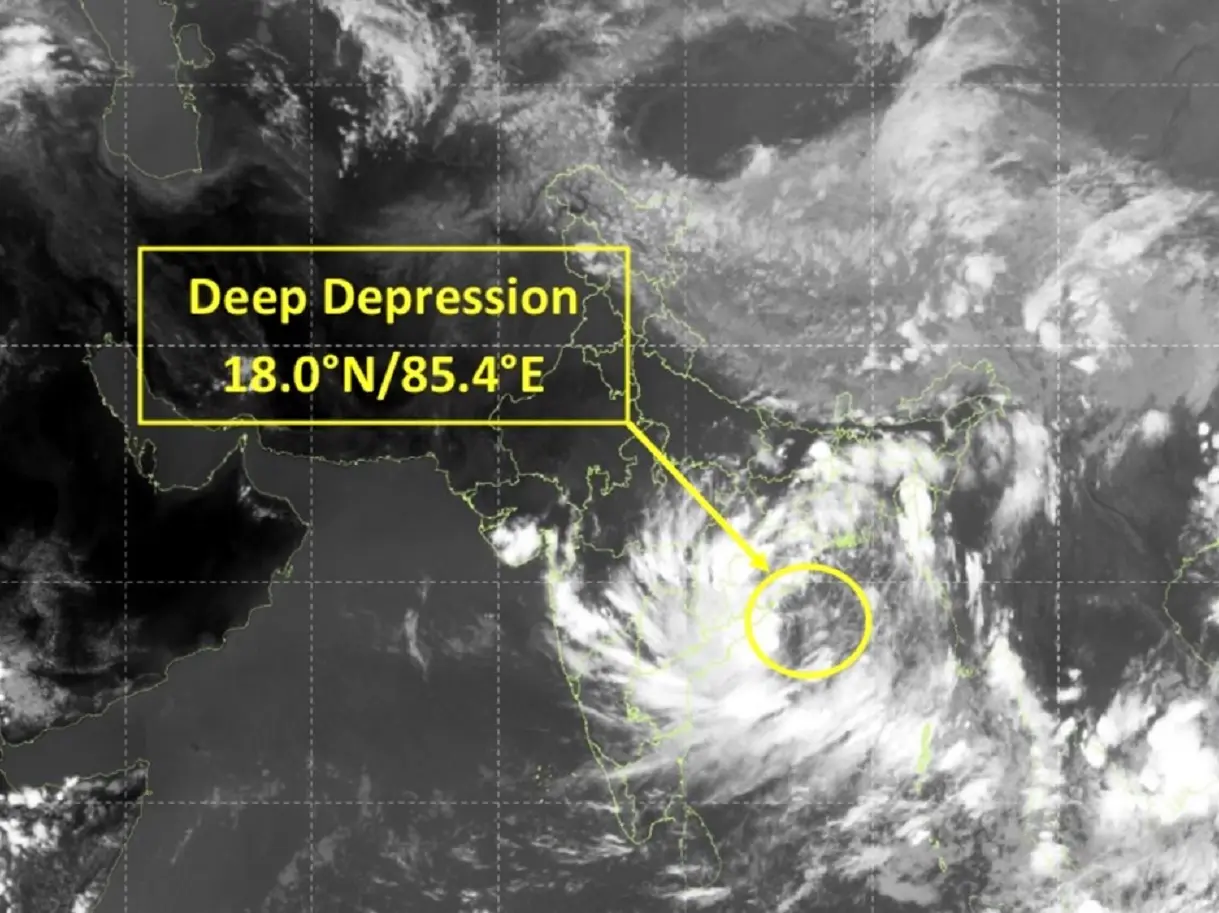)
Cyclone Arnab: Landfall expected before midnight tomorrow as IMD issues orange alerts across six states
)
Mumbai: Gallops restaurant at Mahalaxmi Racecourse licence suspended over food safety violations
)
Trump’s China visa crackdown puts US universities, Chinese students in focus ahead of Trump- Xi summit
)
‘Shame on you’: Netanyahu vows to ‘tell the truth’ about Mamdani at UN ahead of New York visit
)
ICC plans T20I expansion and fewer ODIs in 2027–2031 FTP cycle: Report
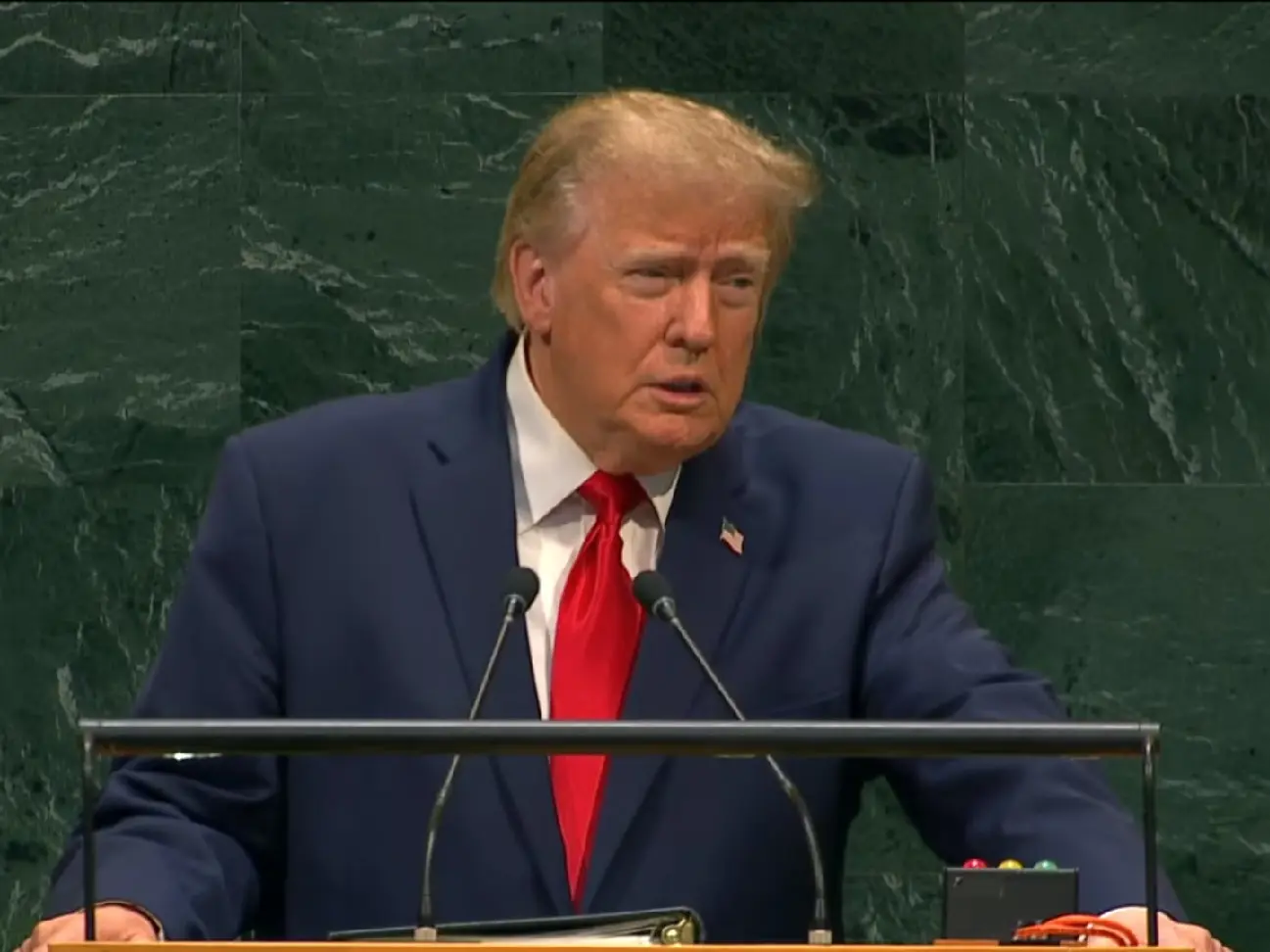)
‘Strike a deal or drive Iran into hell’: Trump issues fresh warning to Tehran at UNGA
)
Yemen clashes kill 154 people in two days as cornered Saudi battles Houthi offensive | Gravitas
)
Who is Clavicular? The 20-year-old controversial 'Looksmaxxing' influencer charged with rape allegations
)
Key accused in Bihar's Jamui molestation case, arrested after police shoot him in leg
)
Four decades after leaving Kolkata, the Birlas may be coming back for more
&im=FitAndFill=(700,400))
New OTT releases this week (September 21-27, 2026): Shaque: Trust No One, Hunkkaar, Don’t Be Shy- 5 new titles coming to Netflix, Prime Video and more
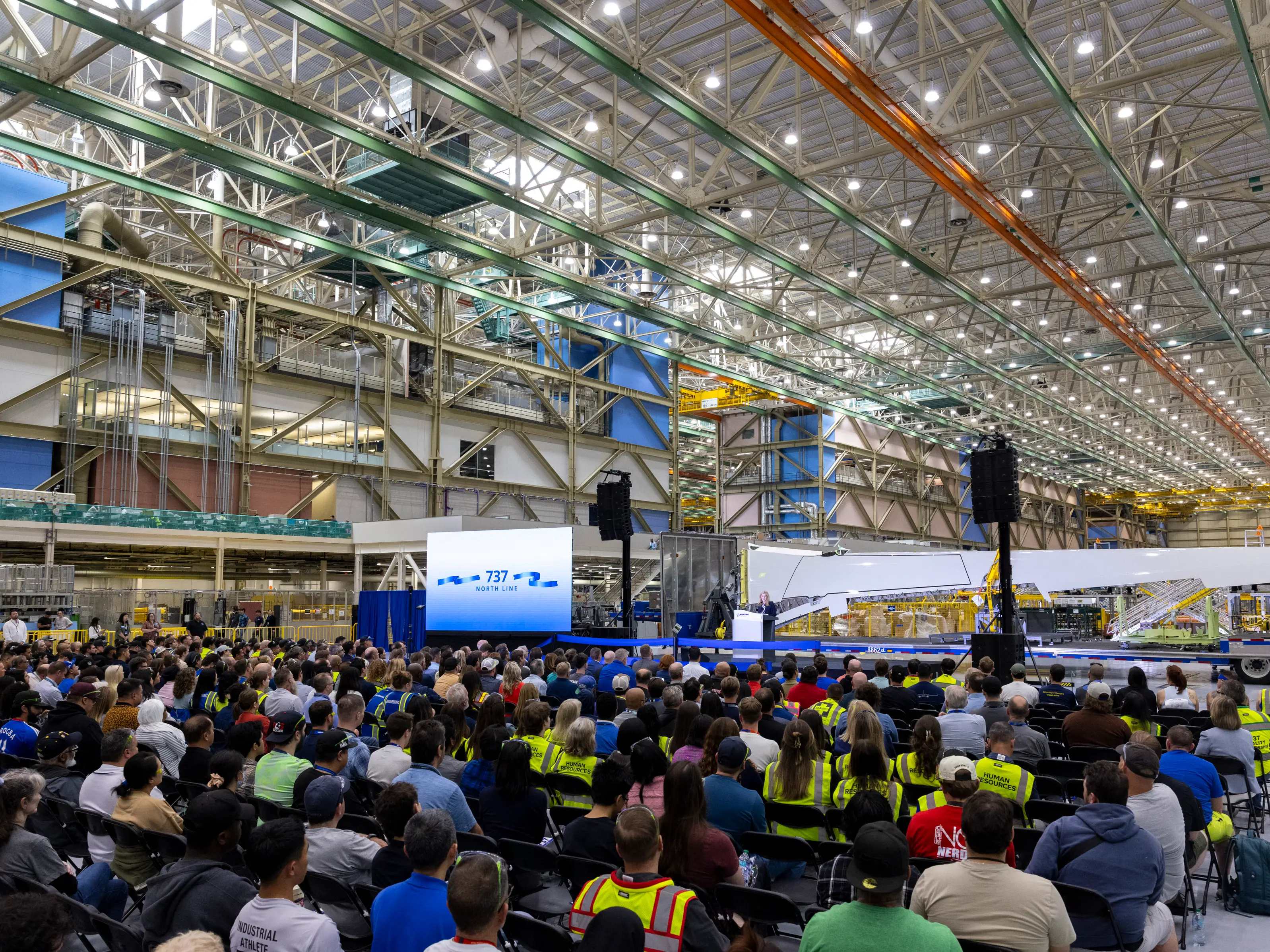)
American manufacturing is reshoring faster than its factory floors can absorb
)
National Film Awards 2026: Yami Gautam wins Best Actress for Article 370
)
Rani Mukerji's mother Krishna Mukerji passes away; Karan Johar, Jaideep Ahlawat visit actress
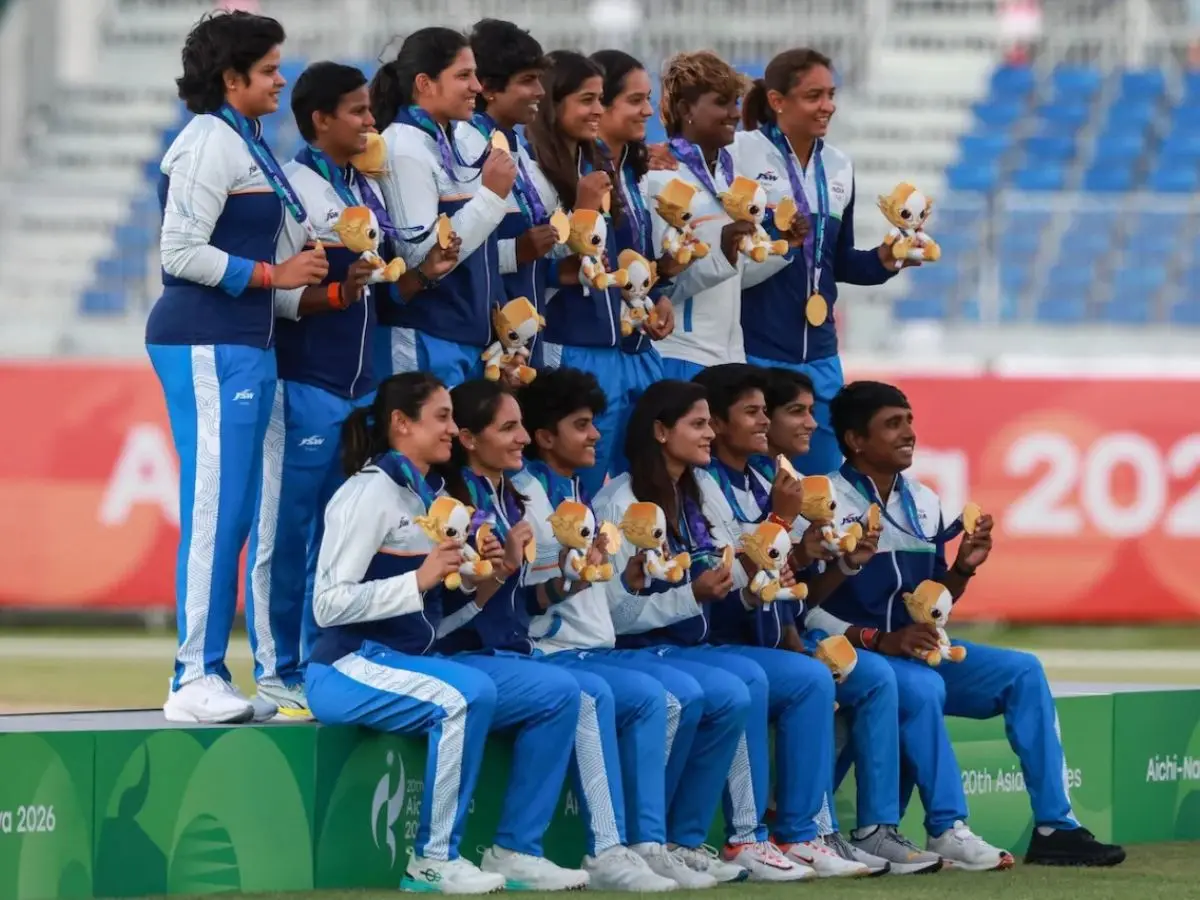)
'Our team opened the gate of gold medals': Harmanpreet Kaur on India’s Asian Games final win
)
Gravitas | Boosting NHS productivity could save 20,600 lives in UK annually: Report
)
The Verdict | Moral policing isn’t culture or discipline, it’s crime
)
'Needs time away from the international scene': England white-ball captain Brook on pacer Brydon Carse's future
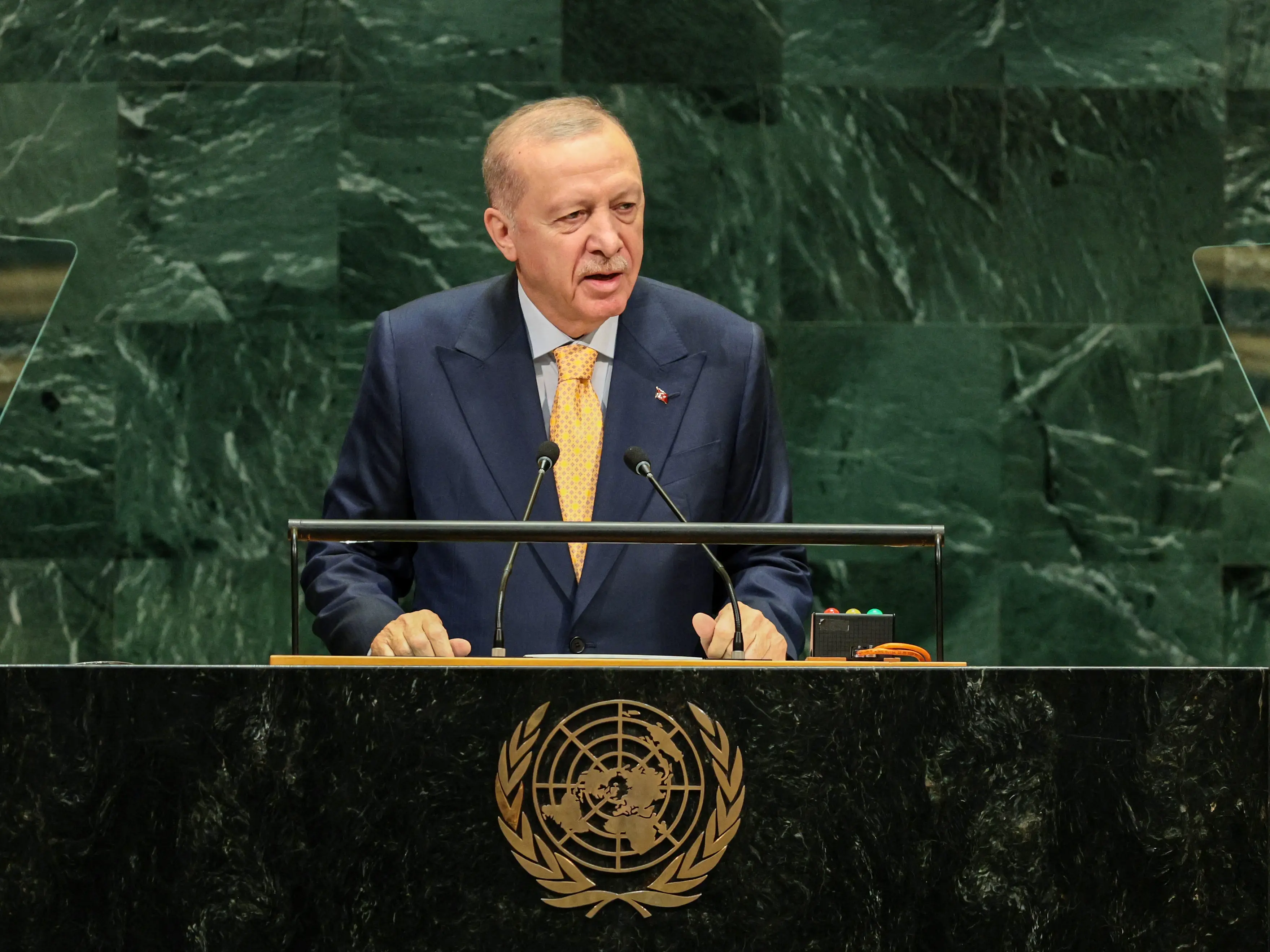)
Erdogan again raises Kashmir issue at UNGA, calls for dialogue under UN Charter
)
Saudi Arabia exits China-led mBridge digital currency platform amid Saudi-Houthi conflict
)
WION Iconic Tourism Summit and Awards 2026: Key voices to discuss India’s tourism future
)
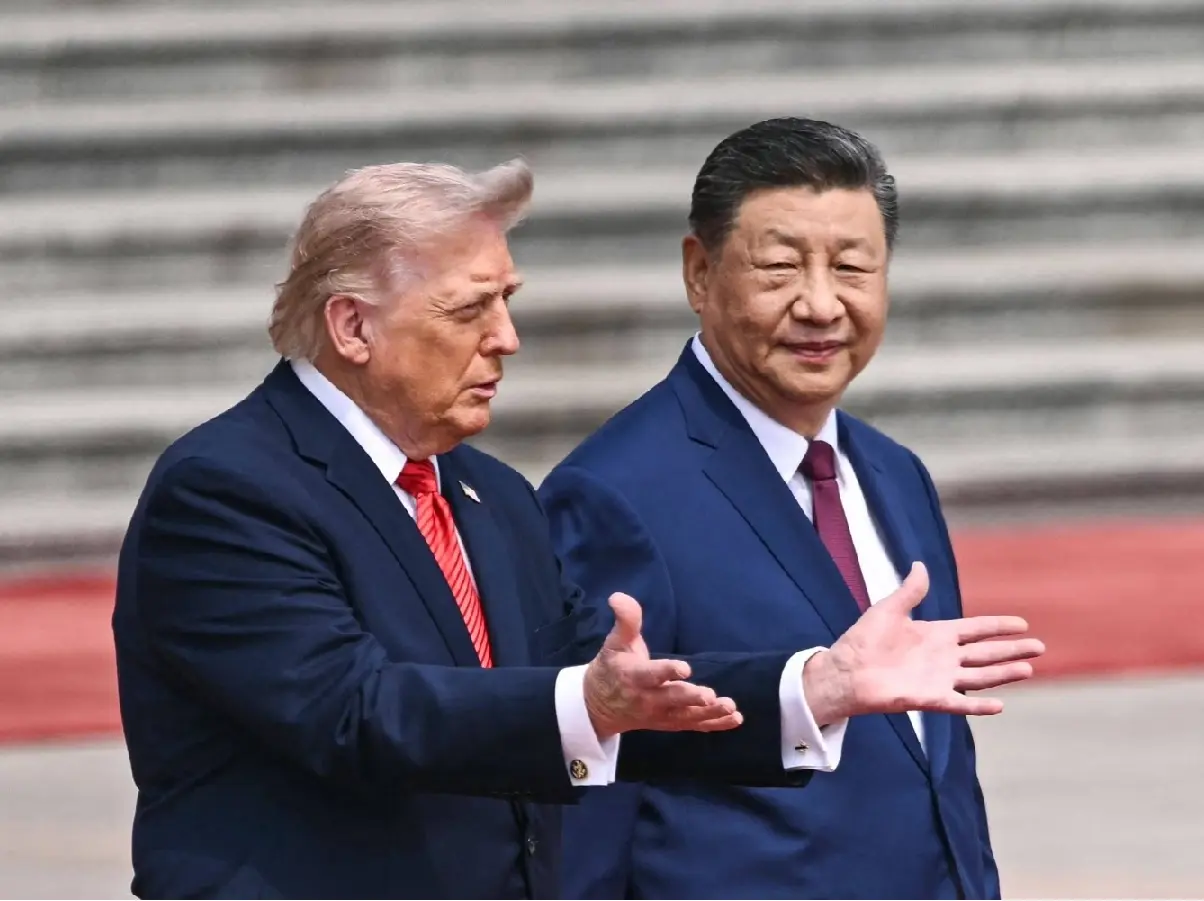
Justice eludes Air India 1985 bombing victims as Canada probe goes 'inactive' | Gravitas
)
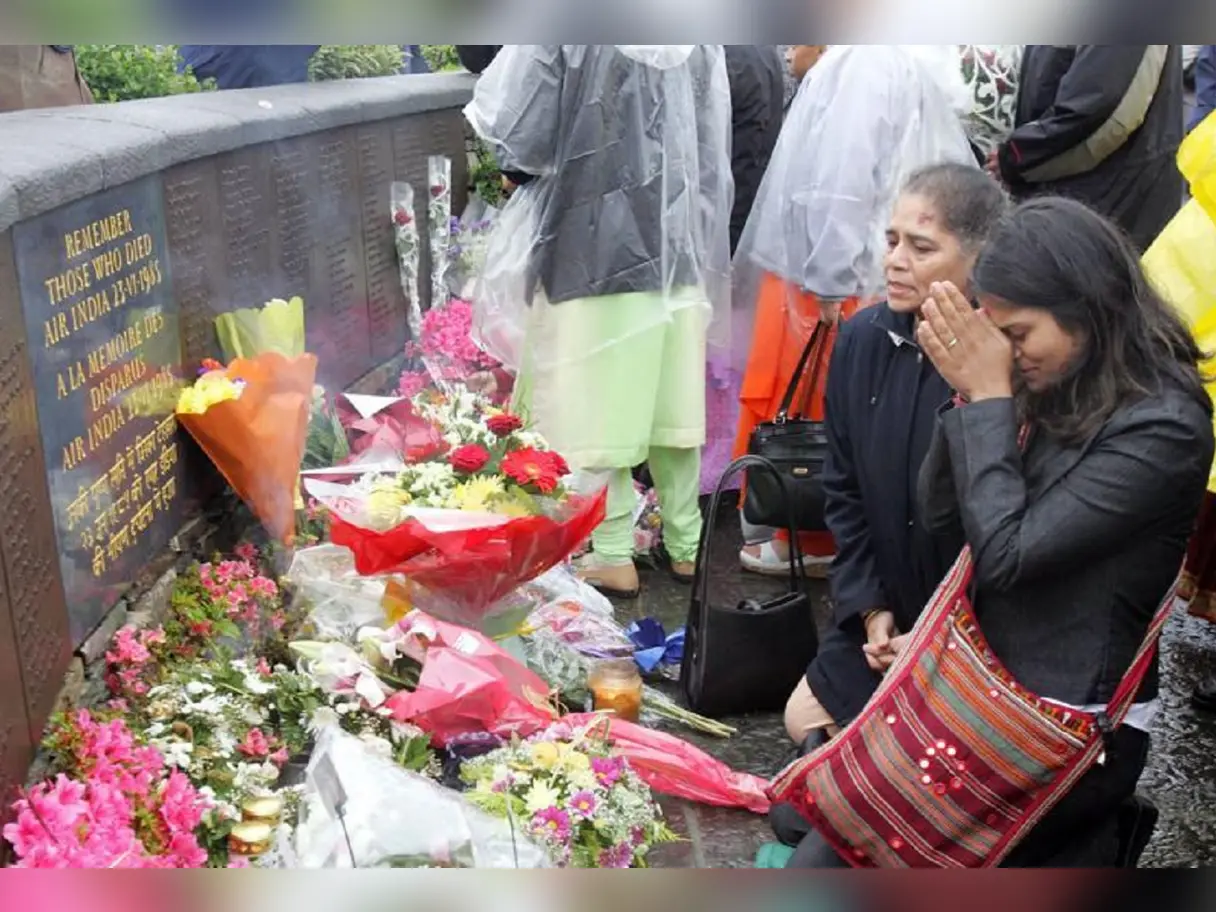
Explainer: Why rare-earth export licences and Board of Trade are US priorities ahead of Trump-Xi summit
)
Trump calls Cuba a ‘failed state’ at UN, Cuban delegation walks out
Despite its quick growth, WeWork never achieved profitability, and its reputation suffered after a failed initial public offering in 2019. The proposed IPO failed as investors expressed worries about the company's significant losses and questioned Neumann's management and corporate governance.
WeWork eventually went public in October 2021 through a merger with a special purpose acquisition company (SPAC), but its financial problems were exacerbated when the COVID-19 pandemic caused a long-term drop in demand for office space and a substantial move toward remote working.
(With inputs from Reuters)