US economy will dodge inflation, but uncertainty to persist until 2024, say analysts


inflation
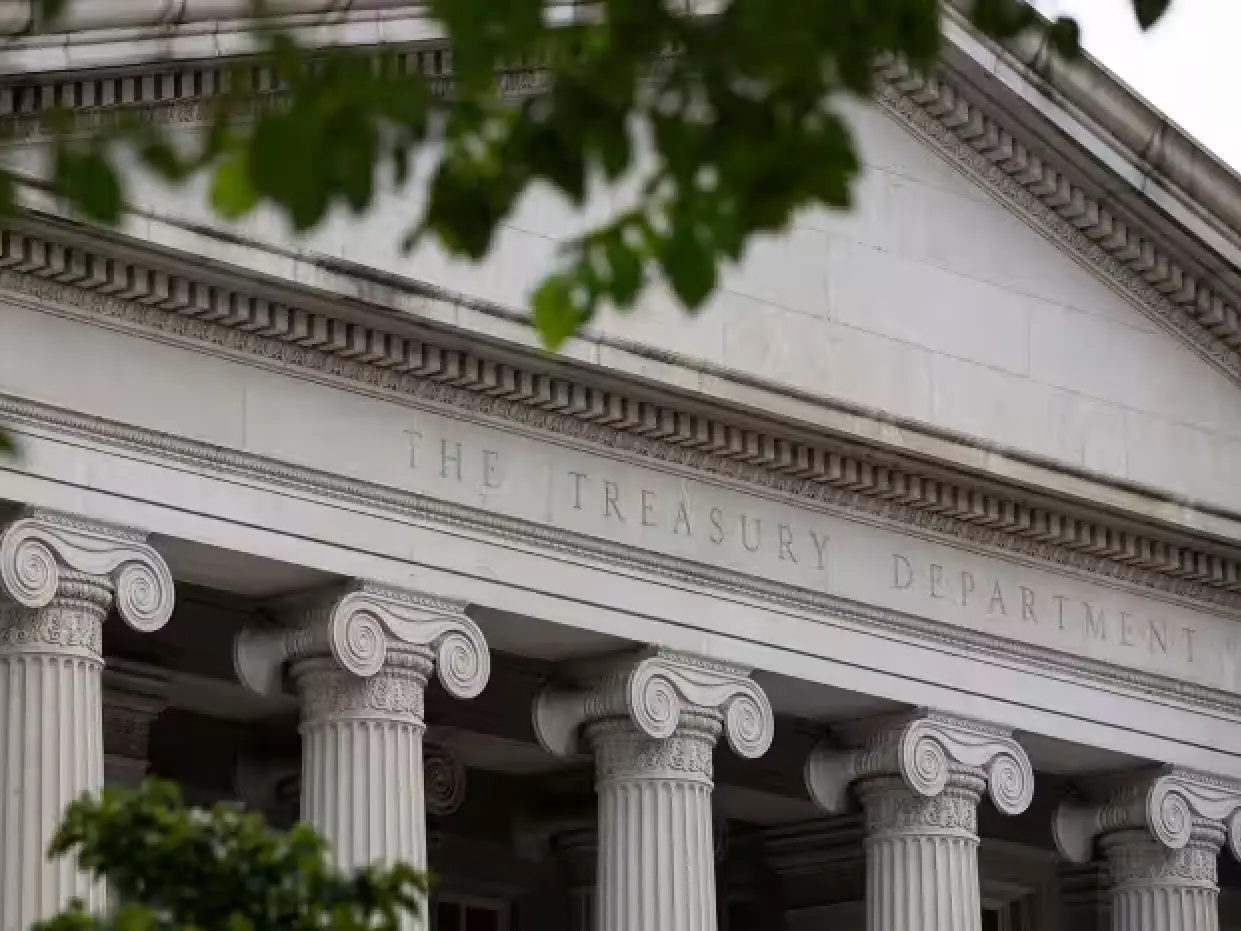
A growing consensus among economists, including the Federal Reserve's own analysts, suggests that the United States is poised to avoid a recession. However, certainty regarding this outcome is not expected until well into the year 2024.
A recent report pointsout that if authorities fail to act aggressively enough against rising prices, the countrycould bounce back inflation. Moreover, the additional concern about the delayed effects of the most aggressive tightening in four decades could push the economy into a recession.
The official arbitrator of US downturns, the National Bureau of Economic Research's business cycle committee, defines a recession as a severe fall in economic activity distributed across the economy that lasts longer than a few months. Once the group examines what might be initially mixed reports and data changes, it can take up to 21 months to proclaim such an occurrence.

Navigating the challenge of a soft economic landing
When it comes to a soft landing, economists generally refer to a situation where inflation is controlled without triggering a recession or causing major disruptions in the job market.
However, achieving such a soft landing can be quite a challenge. A study conducted by former Vice Chair Alan Blinder, analyzing 11 instances of monetary policy between 1965 and 2022, revealed that four instances saw relatively successful outcomes with stable or reduced inflation. In contrast, the remaining cases resulted in a hard landing, leading to an acceleration in inflation two years later.
)
US Treasury rallies global financial institutions for Op Economic Outcast to isolate Iran
)
Trump praises India’s Opium crackdown, hails anti-drug efforts
)
Saudi Vs Houthis: Yemeni military rebels clash with Houthis
)
Veteran actor Anant Nag honoured with Indian cinema’s highest award
)
Pakistan boycotts chess match against Israel at Olympiad
)
Lionel Messi for 2026 Ballon d’Or over Mbappe and Yamal, says Diego Simeone
)
Protests erupt over migrant housing plan in Piddington
)
Formula One reveals the 2027 race calendar; Monaco to host sprint race for the first time
)
Bigg Boss 20: Mahhi Vij reveals she lost Yuva role to Kareena Kapoor; 'didn’t work out in my favour'
)
No Pandya as Auqib Nabi earns maiden ODI call-up; Mayank returns for WI T20Is| check full squads
)
Former India player Diana Edulji wants Smriti Mandhana to replace Harman as skipper at the earliest
)
US House votes 417-3 to pass Ratepayer Protection Act targeting AI data center electricity costs
)
Pakistan: Imran Khan's sons Kasim & Sulaiman claim their father is 'tortured' in jail
&im=FitAndFill=(700,400))
New OTT releases this week (September 14-20, 2026): Lust Stories 3, Waiting Hai, Irumudi- 5 new titles coming on Netflix, Prime Video and more
)
Taiwan seeks deeper India ties as direct flights restart soon and chip projects advance
)
Trump gets new power to hit India, China with up to 100% tariffs as US Senate clears Russia sanctions bill
)
Former OpenAI researcher warns of growing risks from Artificial Intelligence
)
Want to get married within a year? Why 18 lakh people rush to Jaipur for ‘sacred henna’
)
Fed raises rates for first time in 3 years, Kevin Warsh defies Trump as inflation mounts
)
Chiefs tight end Travis Kelce named one of the victims in $35 million ponzi scheme
)
The Early Spring season 2 is happening, but fans have one request - 'don't change the actors'
)
All Indian goods to get duty-free access to New Zealand
)
Sydney Sweeney defends provocative ad choice, the internet is still not impressed
)
Shahzad Bhatti Network declared terrorist organisation under UAPA: Govt order
)
Europe wants a common playbook for security threats, seeks security beyond NATO
)
Trump calls Canada-EU associate membership plan ‘laughable’ and threatens 'very serious tariffs'
)
‘Imagine 50 AI fighters cornering one manned jet’: India’s mobbing doctrine eyes a new era of air warm
)
AUS vs SA: Steve Smith still gets 'little flashbacks' from sandpaper gate
)
India breaks silence on US Russia sanctions bill, 100% tariff threat: ‘Committed to energy security’ for 1.4 billion
)
Abhishek Sharma rises to No. 2 in T20Is; ENG’s Robinson 3rd after record Pakistan Tests
)
Daayra movie review: Kareena Kapoor, Prithviraj Sukumaran shine in Meghna Gulzar’s cop-versus-cop crime thriller
)
Katrina Kaif’s postpartum weight is not the problem; your gaze is
)
Hong Kong unveils 11 new measures to boost birth rates, offers higher cash bonuses and housing perks
)
US trade tariff: 100% tariff targets Russian buyers amid trade tensions
)
Pak batter Rizwan's petition against being questioned by cyber crime agency rejected by court
)
Saudi vs Houthis: Riyadh claims to have shot Houthi drone targeting Mecca
)
Prime Minister Narendra Modi's birthday: Italian PM Meloni sends birthday wishes
&im=FitAndFill=(700,400))
Suriya and Jyothika say ‘I do’ again after 20 years! See their dreamy wedding pics
)
Pakistan naval vessel returns to harbour with 'severe damage' after collision with Indian warship in Arabian Sea
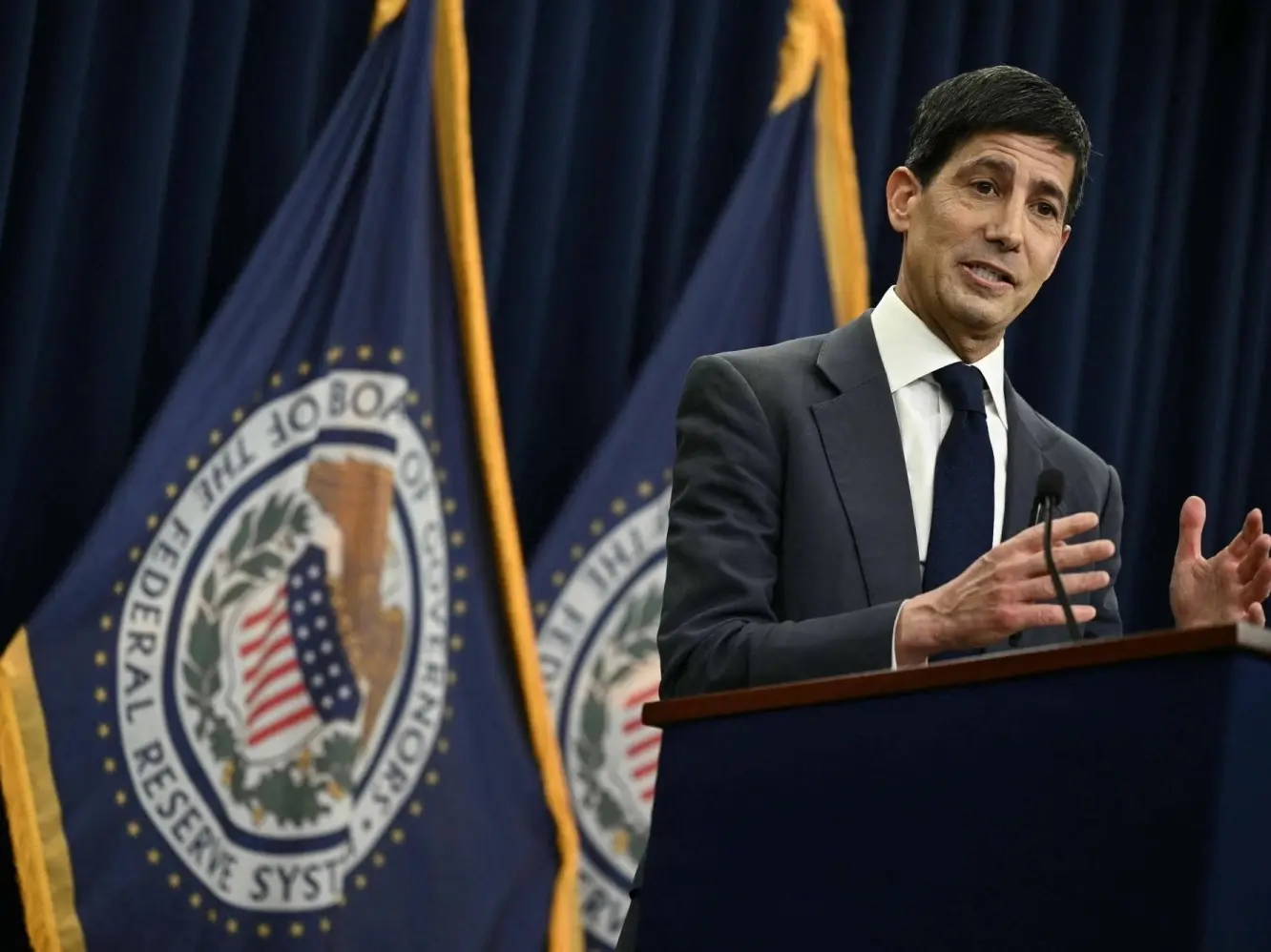
Additionally, the report indicates that policymakers at the Federal Reserve are considering the long term. The Federal Open Market Committee, which is responsible for making the central bank's policies, predicts that inflation will likely reach its target of 2 percent shortly after the year 2025.
However, a true understanding of a stable economy with moderate prices can only be attained when the data for late 2024 becomes available, as achieving this kind of outcome requires time.
Inflationary concerns amid economic uncertainty
The committee forecasts a rate of 4.6 percent by the end of the upcoming year. This rate is two percentage points higher than the long-term average and roughly half a percentage point more than what the market expects. Additionally, the Fed raised interest rates last month to a range of 5.25 percent to 5.5 percent, marking the highest level in two decades. They have also indicated the possibility of further rate hikes later this year.
Neil Dutta, the head of economics at Renaissance Macro Research LLC, envisions a possible "inflationary boom" due to rising oil prices and the potential for high home prices to affect rents. He believes that determining a soft landing can only be done with the advantage of hindsight, as per a report in Mint.
Moreover, officials, who are keen on avoiding the same misstep that the Federal Reserve made in the 1970s, also share this cautious perspective. During that time, the Fed prematurely abandoned its efforts to control inflation, leading to a resurgence of double-digit price increases later on.
Furthermore, given that economic data can be unclear during critical turning points and is often revised later, it's important to note that determining the Fed's success in real-time might be impossible. Additionally, during extended periods of economic growth, it's not uncommon to encounter a quarter with negative growth.
WATCH WION LIVE HERE