UK shop prices climb as supermarkets face tax hikes and food cost surge

&imwidth=600&imheight=450&format=webp&quality=medium "UK shop prices climb as supermarkets face tax hikes and food cost surge")
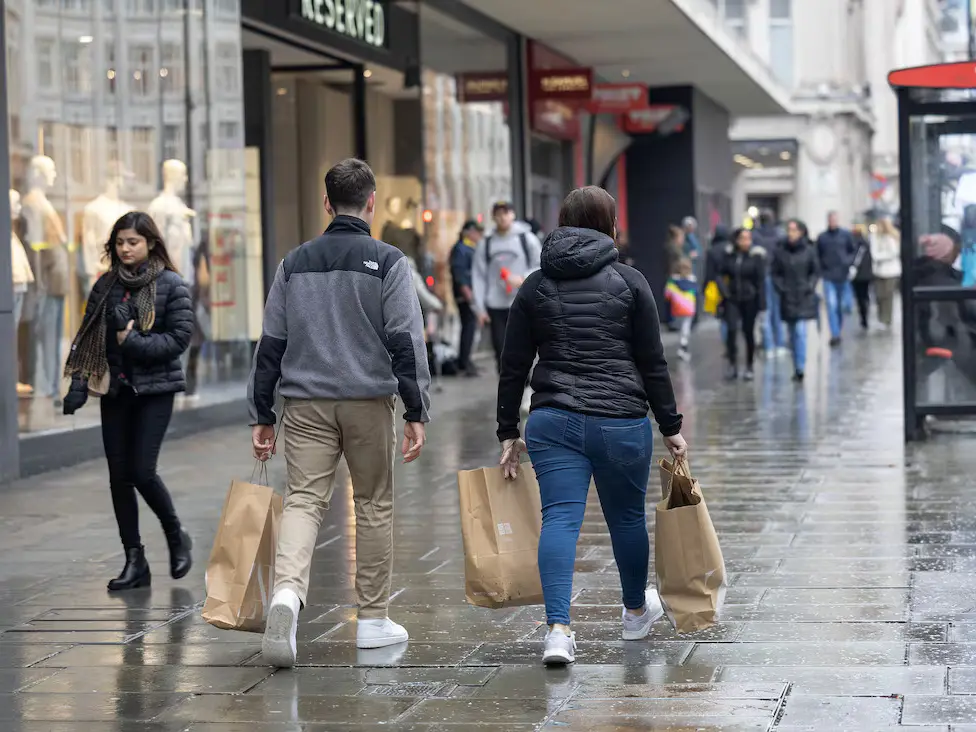
People shop on Oxford Street in London, Britain. Photograph: (Reuters)
UK shop prices rose for the first time in nearly a year in June, driven by soaring food costs, higher taxes, and wage hikes, sparking concerns over inflation and consumer spending.
Britain’s shoppers are feeling the squeeze again, with shop prices rising for the first time in nearly a year. Supermarkets in particular are under pressure from higher taxes, wage increases and soaring wholesale food costs driven by global disruptions, according to data reported by Bloomberg.
First rise in shop inflation in nearly a year
Shop price inflation in the UK turned positive in June, rising by 0.4 per cent year-on-year after showing a slight decline of 0.1 per cent in May, as per the British Retail Consortium (BRC). This marks the first annual increase since mid-2023, signalling renewed price pressures in the retail sector.
Bloomberg reported that the main driver was food price inflation, which jumped by 3.7 per cent, the fastest annual pace since March 2024. The BRC warned this reflected both domestic policy changes and broader global trends pushing up costs for retailers.
Higher taxes and wages squeeze retailers
Retailers point to the UK government’s latest revenue-raising measures as a key cause of rising costs. Bloomberg notes that Chancellor Jeremy Hunt’s budget included a 6.7 per cent rise in the national minimum wage and a £26 billion increase in payroll taxes, both of which took effect in April.
Trending Stories
&imwidth=280&imheight=210&format=webp&quality=medium)
&imwidth=280&imheight=210&format=webp&quality=medium)
&imwidth=280&imheight=210&format=webp&quality=medium)
&imwidth=280&imheight=210&format=webp&quality=medium)
&imwidth=280&imheight=210&format=webp&quality=medium)
&imwidth=280&imheight=210&format=webp&quality=medium)
&imwidth=280&imheight=210&format=webp&quality=medium)
&imwidth=280&imheight=210&format=webp&quality=medium)
&imwidth=280&imheight=210&format=webp&quality=medium)
&imwidth=280&imheight=210&format=webp&quality=medium)
&imwidth=280&imheight=210&format=webp&quality=medium)
&imwidth=280&imheight=210&format=webp&quality=medium)
&imwidth=280&imheight=210&format=webp&quality=medium)
&imwidth=280&imheight=210&format=webp&quality=medium)
&imwidth=280&imheight=210&format=webp&quality=medium)
&im=FitAndFill=(700,400)&imwidth=280&imheight=210&format=webp&quality=medium)
&imwidth=280&imheight=210&format=webp&quality=medium)
&imwidth=280&imheight=210&format=webp&quality=medium)
&im=FitAndFill=(700,400)&imwidth=280&imheight=210&format=webp&quality=medium)
&im=FitAndFill=(700,400)&imwidth=280&imheight=210&format=webp&quality=medium)
&imwidth=280&imheight=210&format=webp&quality=medium)
&imwidth=280&imheight=210&format=webp&quality=medium)
&imwidth=280&imheight=210&format=webp&quality=medium)
&imwidth=280&imheight=210&format=webp&quality=medium)
&imwidth=280&imheight=210&format=webp&quality=medium)
&imwidth=280&imheight=210&format=webp&quality=medium)
&imwidth=280&imheight=210&format=webp&quality=medium)
&imwidth=280&imheight=210&format=webp&quality=medium)
&imwidth=280&imheight=210&format=webp&quality=medium)
&imwidth=280&imheight=210&format=webp&quality=medium)
&imwidth=280&imheight=210&format=webp&quality=medium)
&imwidth=280&imheight=210&format=webp&quality=medium)
&imwidth=280&imheight=210&format=webp&quality=medium)
&imwidth=280&imheight=210&format=webp&quality=medium)
&imwidth=280&imheight=210&format=webp&quality=medium)
&imwidth=280&imheight=210&format=webp&quality=medium)
The BRC argued these policies have significantly raised operating expenses just as retailers are battling higher wholesale food prices, driven by geopolitical tensions disrupting supply chains and the effects of climate change on agricultural yields. Helen Dickinson, chief executive of the BRC, urged the government to step in. “The government must find ways to alleviate the cost pressures bearing down on retailers,” she said, as quoted by Bloomberg.
Weather worsens food price inflation
Climate factors are also playing a role in driving prices higher. According to Bloomberg, the BRC warned that hot, dry weather is reducing yields for fruits and vegetables, adding further upward pressure on supermarket prices.
While non-food prices continued to decline overall, they did so at the slowest pace since July 2023, offering little relief to consumers already contending with higher bills for essentials.
Bank of England faces tough challenge
Rising shop prices risk complicating the Bank of England’s battle to tame inflation. Overall, UK consumer price inflation, which covers costs ranging from housing and energy to transport, stood at 3.4 per cent in May, up from 2.6 per cent in March, as reported by Bloomberg citing the Office for National Statistics.
Despite these challenges, central bank officials remain confident they can bring inflation back to the 2 per cent target by early 2027. Higher interest rates are seen as working to cool demand, while a weakening jobs market may reduce upward wage pressures. However, persistent food price inflation remains a key risk.
Consumer spending fears
Retail analysts warn that further price rises could hit consumer demand in the months ahead. Matt Watkins, head of retailer and business insight at NielsenIQ, which compiled the shop pricing data for the BRC told Bloomberg that “rising prices could become a concern if consumer willingness to spend declines later in the year.”
With households already grappling with higher mortgage payments, energy costs and broader inflation, continued food price hikes could undermine consumer confidence and pose a threat to Britain’s fragile economic recovery.
(With inputs from the agencies)