Traders dump Maldives debt amid growing default risks

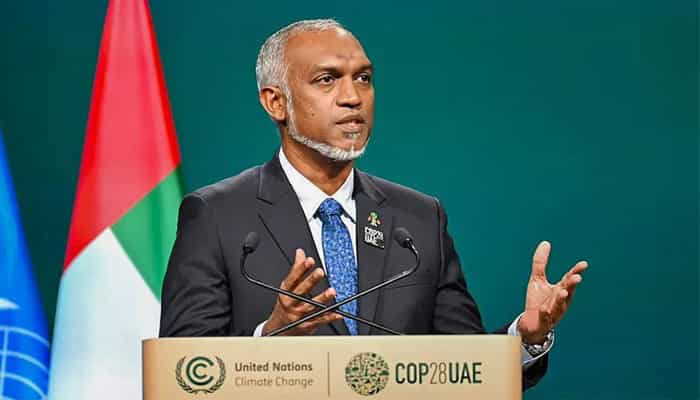
Maldives President Mohamed Muizzu
The Maldives, a popular tourist destination, is facing a severe financial crisis as investors rush to offload the country's Islamic bonds, known as sukuk. The selloff has intensified in recent weeks, with the dollar-denominated sukuk due in 2026 dropping below 70 cents on the dollar, a record low.
Further, the risk of default looms large as the Maldives grapples with deteriorating external financing and liquidity metrics. Recent moves by the Bank of Maldives to cap foreign currency spending, coupled with a second Fitch downgrade since June, have triggered a rush to dump the country's debt.
Looming debt crisis

The Maldives has about $500 million in outstanding sukuk debt due in 2026, and all eyes will be on the October 8 coupon payment.Purvi Harlalka, a senior emerging-market sovereign debt strategist at M&G, noted in a Bloomberg report that "without a last-minute foreign exchange infusion from China, the Gulf Cooperation Council (GCC), or India, the non-payment of the October coupon is a plausible scenario.
"Despite gross reserves of $395 million in June, the country's usable reserves are just $45 million.The Maldives Monetary Authority is negotiating a $400 million currency swap with India, but Fitch's downgrade to CC underscores rising default concerns.
What are going tobe the implications for the economy?
)
Three labourers killed as DU student loses control of his car, rams into them on Dwarka Expressway
)
Pentagon revives mandatory testosterone testing for male troops aged 30 and above
)
FACT CHECK: Why did PM Modi ask Xi ‘is it okay’ at BRICS Summit? New video reveals...
)
India seeks to build a full semiconductor supply chain
&im=FitAndFill=(700,400))
From Abhishek Sharma to Sahil Chauhan, 5 batters with fastest T20I hundreds
)
Indian activist-lawyer Prashant Bhushan's post brings focus on ‘conflict of interest’ appointments of ex-govt officials at Reliance, Adani groups
)
Pyongyang dismisses US, western pressure over nuclear programme
)
US And Denmark reach Greenland deal, Trump announces expanded military presence
)
Google’s Gemini AI hacks real systems by guessing passwords during security test
)
China may have gained access to US's classified F-35 jets; parts meant for repairs diverted to Hong Kong, sparking Pentagon inquiry
)
NASA research plane reaches 61,000 feet over Panama
)
Godfather of AI Geoffrey Hinton gives US lawmakers a one-year warning on AI
)
Shivakumar attends 79th Kalyana Karnataka Utsav in Kalaburagi
)
Trump signs Russia sanctions law: India faces fresh 100% tariff threat over Russian oil
)
Brigitte Bardot’s private collection set for Paris auction; key items and prices revealed
)
Why Ranveer Singh’s Dhurandhar missed India’s Oscar entry; FFI jury member reveals what happened
)
‘Will go to any extent’: Pakistan vows to defend Saudi Arabia amid Houthi attacks
)
The Verdict | When precision fails: US commits war crime in Minab school strike, UN finds
)
Trump signs Russia sanctions bill into law, targets Moscow’s energy sector
&im=FitAndFill=(700,400))
New Friday OTT releases (September 18, 2026): Lust Stories 3, You+Me, Best of the Best- 8 new titles coming on Netflix, Prime Video and more
)
Fast bowler Brydon Carse faces no charges over Derby nightclub incident
)
Flying cars in UAE: Ras Al Khaimah signs deal with Chinese company to test new transport
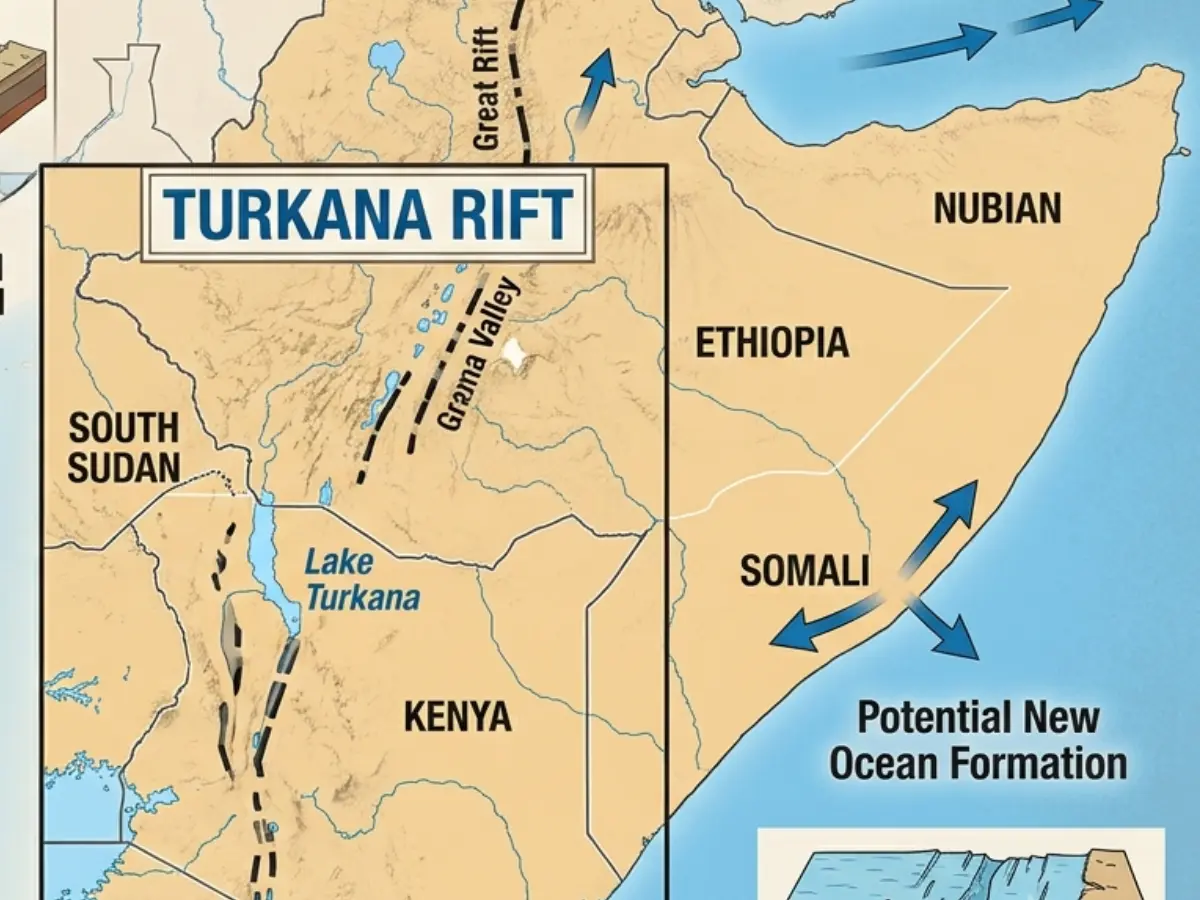)
Africa is splitting, and a lot sooner than estimated, giving way to a new ocean
)
'Gangsta' crab shoves knife blade at man and his dog in Florida - Watch
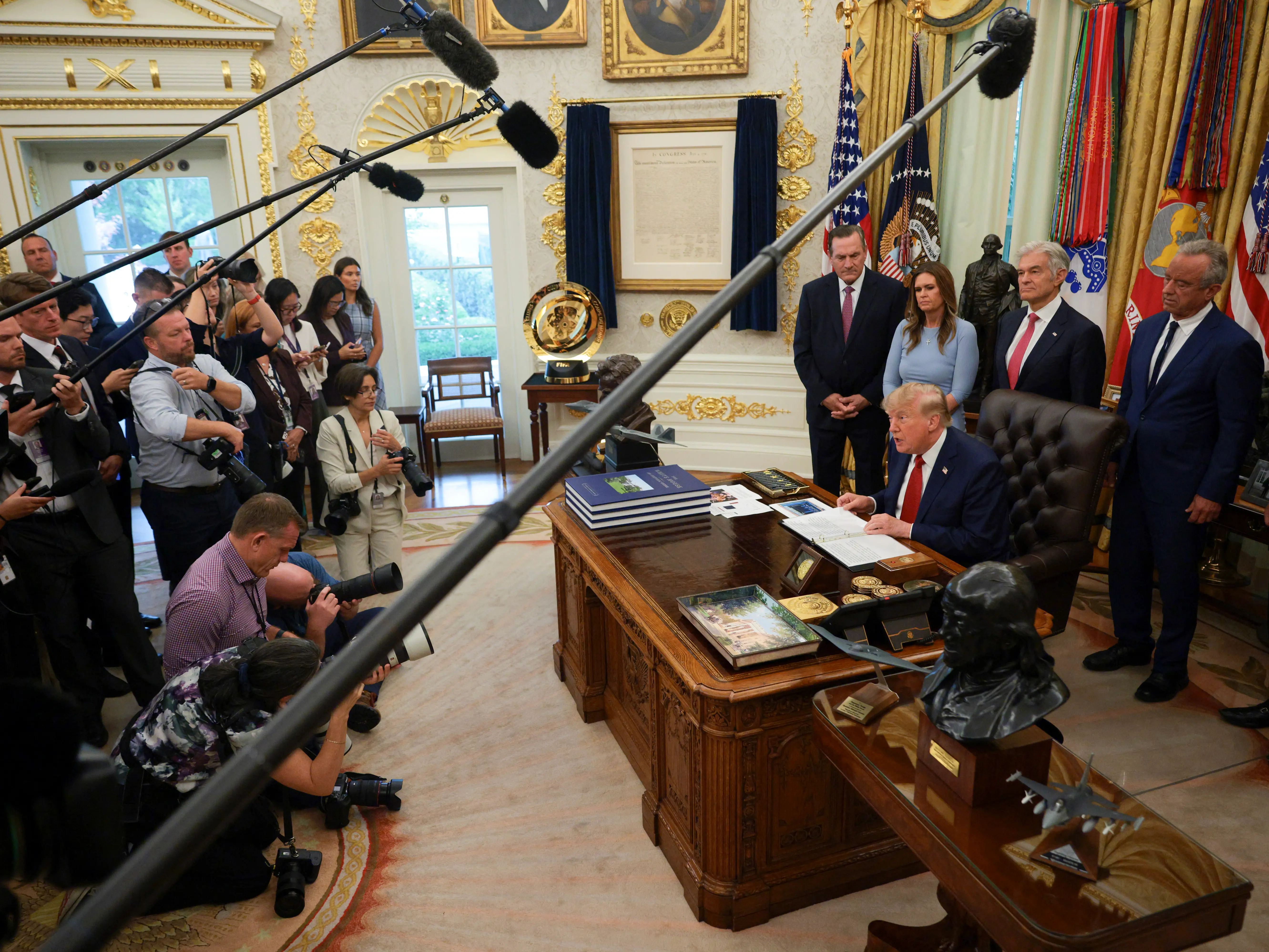)
Trump bans CNN, MS NOW and Politico from White House over ‘FAKE NEWS’
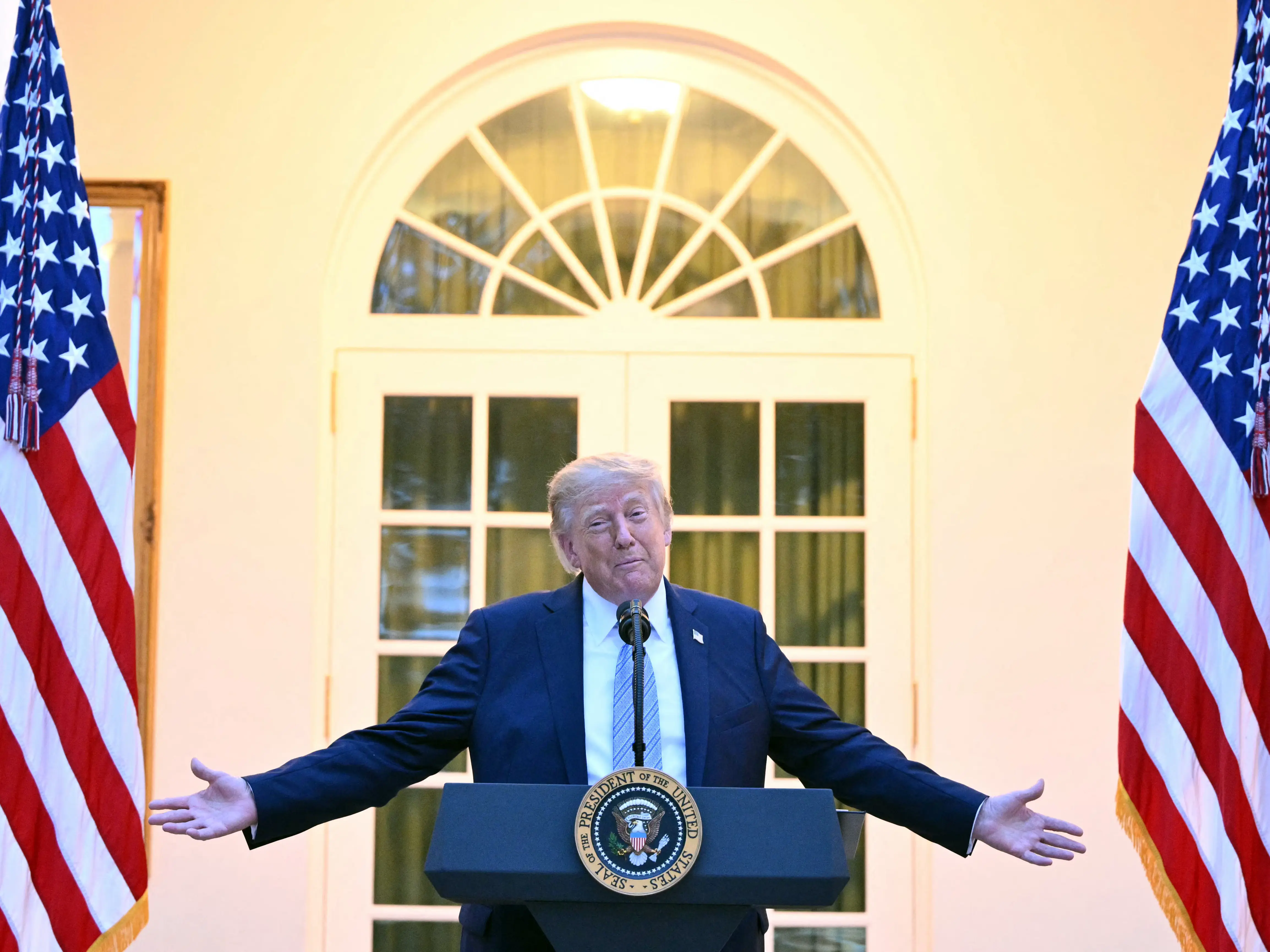)
Trump 2.0: Dark days ahead for America’s ‘imperial presidency’
)
Trump's Greenland dream comes true? POTUS announces 'Infinite Life' deal with Denmark, claims permanent US control
)
Drone strikes cooling tower at Russia's Kursk Nuclear Plant, IAEA confirms
)
Who is Khalilur Rahman? All you need to know about 81st UN General Assembly President
)
IIT Bombay student dies by suicide, was caught seeking AI help during exams
&im=FitAndFill=(700,400))
Meet top 5 bowlers in latest ICC T20I rankings
)
Indian Cinema bets big on mythology, brings ancient stories to modern audiences
)
Ukraine plans record $109 bn defence spending, nearly two thirds of budget amid Russia war
)
Russia holds first parliamentary elections since the beginning of the Ukraine war
&im=FitAndFill=(700,400))
Meet top 5 Indian batters with fastest T20I centuries
The Maldives' economy, heavily reliant on tourism, has been recovering from the impact of the COVID-19 pandemic. However, the country remains dependent on imports and a dollar peg that continues to strain reserves.
Soeren Moerch, a portfolio manager at Danske Bank, said the bank sold most of its bonds in early summer as reserves fell. "Things are much worse now," he said, adding that the key question is whether Muslim nations will allow the Maldives to default on a sukuk bond?
Geopolitical tensions
The ruling People's National Congress, led by pro-China President Mohamed Muizzu, secured a parliamentary majority earlier this year, complicating the geopolitical landscape.The "India Out" campaign and lack of USD liquidity are red flags for some investors, like Maciej Woznica of Coeli Frontier Markets, who remain cautious about reinvesting in the country.
Hence, it is clear that Maldives faces a severe financial crisis as investors dump the country's Islamic bonds due to fears of default. The Maldives government must act quickly to address the deteriorating economic situation and secure foreign exchange infusions to avoid a potential default on its sukuk debt. Further, the governments also needs to think through a way to completely revive the economy along with maintaining healthy relations with neighbors.
