Think tank says smaller UK firms need support to break the ‘doom loop’


Britain, UK, Britain flag, Uk flag
Britain's smaller listed companies can be freed from a "doom loop" driven by plummeting valuations and higher costs and regulation, a think tank said on Thursday, with help from broader tax exemptions and incentives.
According to New Financial, smaller firms account for only 8 per cent of Britain's stock exchange value. However, they account for over 80 per cent of listed UK companies, provide key jobs and investment, and can become tomorrow's stock market darlings with support from the government, regulators, and industry.
The think tank proposed two weeks before Finance Minister Rachel Reeves delivers her first budget on Oct. 30 to extend exemptions from stamp duty, a tax on share trading, to include the smallest 250 listed companies and differential rates on capital gains or dividends on British firms.

"Making recommendations on tax and incentives a few weeks before a budget ... is perhaps a foolish exercise.
"But there is an opportunity for a new government focused on growth to adjust incentives for investment in smaller companies," it said in an analysis of the decline in smaller listed companies.
Reeves, whose party swept to power in July on a promise to boost Britain's economic growth, has ruled out raising the rates of income tax, national insurance, and value-added tax. But she said she must fill a 22 billion pound ($29 billion) gap in the public finances.
&imwidth=180&imheight=135&format=webp&quality=medium)
'Nidal Hasan's firing-squad execution to be livestreamed', says Pentagon; first US military execution since 1961
&imwidth=180&imheight=135&format=webp&quality=medium)
'Baseless and misconceived': India issues statement after Elon Musk's 'oligarchs' claim over Starlink delay
&imwidth=180&imheight=135&format=webp&quality=medium)
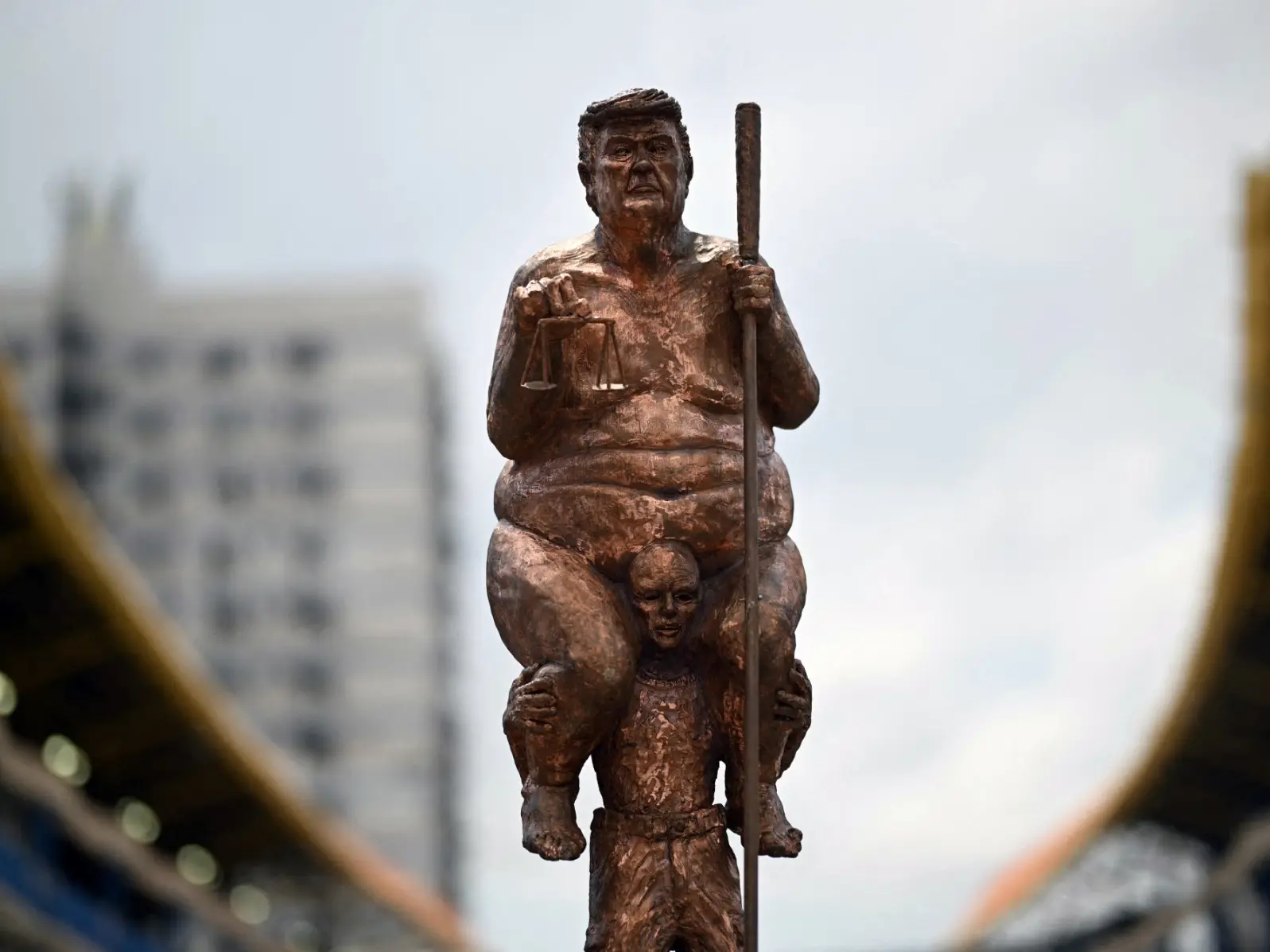
Trump's naked 23-karat gold statue unveiled near European Parliament
&imwidth=180&imheight=135&format=webp&quality=medium)
Musk doubles down on Starlink India licence allegations; Rahul Gandhi says ‘wait till...’
&imwidth=180&imheight=135&format=webp&quality=medium)
Thai Actors Fourth Nattawat, Gemini Norawit face racism accusations from Indian fans over viral Bollywood act
&imwidth=180&imheight=135&format=webp&quality=medium)
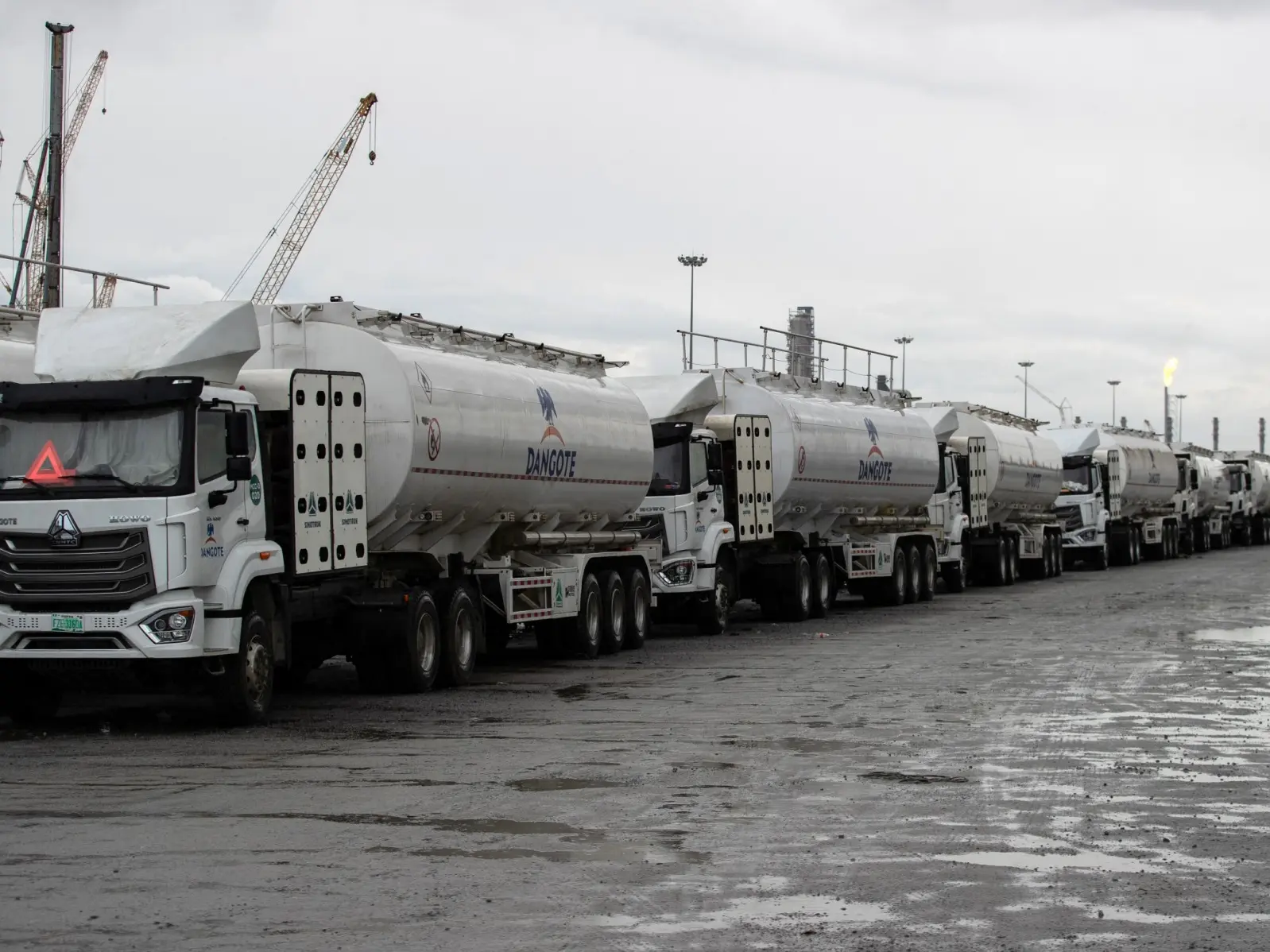
Nigeria govt rolls out 30-day NNPC petrol discount, insists it is not a subsidy
&imwidth=180&imheight=135&format=webp&quality=medium)
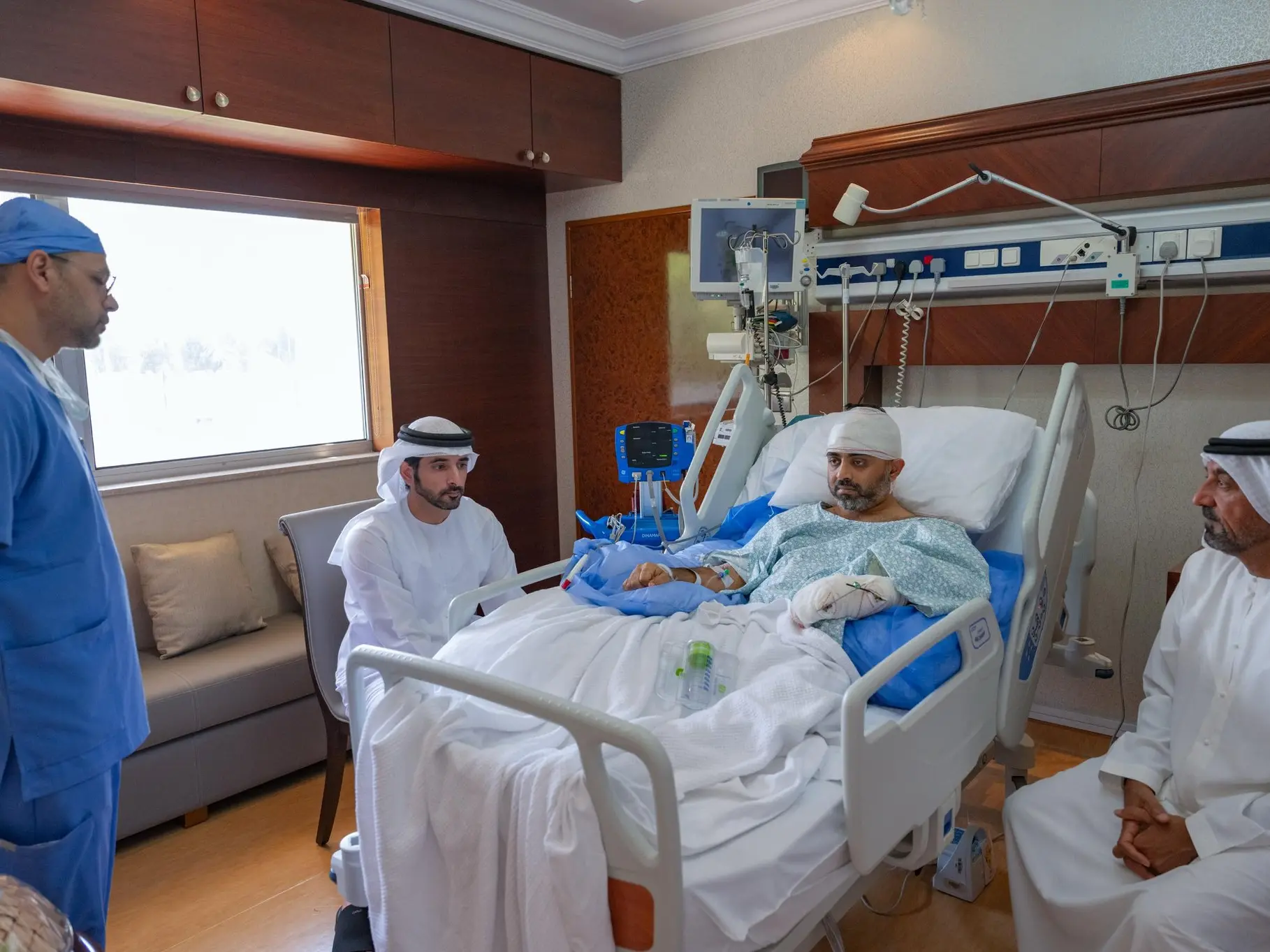
Captain Smit Machchhar on feet again, walks 10 steps as recovery continues after Flydubai flight attack
&imwidth=180&imheight=135&format=webp&quality=medium)
‘Battlespace has expanded’: Wg Cdr Priti Ojha (Retd) reflects on changing face of air power on IAF Day
&imwidth=180&imheight=135&format=webp&quality=medium)
At least one plane ‘catastrophically damaged’ at Riyadh airport after Houthi strikes: Report
&imwidth=180&imheight=135&format=webp&quality=medium)
‘IPL franchises provided a big base’: SA20 commissioner Graeme Smith on league’s success
&imwidth=180&imheight=135&format=webp&quality=medium)
24-year-old Sri Lankan man sentenced to death for blasphemy in Saudi Arabia
&imwidth=180&imheight=135&format=webp&quality=medium)
A Love Other Than Yours: The temptation to cheat and what pushes people over the edge
&imwidth=180&imheight=135&format=webp&quality=medium)
Russia president Putin promises to 'do everything' to help settle Middle East conflict as US-Iran negotiations stall
&imwidth=180&imheight=135&format=webp&quality=medium)
Trend to replace mindless snacking with dark chocolate chunks
&imwidth=180&imheight=135&format=webp&quality=medium)
BTS agency HYBE announces first-ever Weverse Con Festival in India
&imwidth=180&imheight=135&format=webp&quality=medium)
Trump has a new 'enemy': Anyone who calls it 'artificial intelligence'. Here's what we wants instead
&imwidth=180&imheight=135&format=webp&quality=medium)
Paxton in leaked audio says Trump hurting his election chances
&imwidth=180&imheight=135&format=webp&quality=medium)
India at UN: Pak allows terror groups to operate from its soil
&im=FitAndFill=(700,400)&imwidth=180&imheight=135&format=webp&quality=medium)
Nana Patekar’s upcoming big-screen films: From Shakti Shalini to Eetha
&imwidth=180&imheight=135&format=webp&quality=medium)
Nobel Peace Prize 2026: Trump to Carney, who are the top contenders? Why the ISS is a surprise contender
&imwidth=180&imheight=135&format=webp&quality=medium)
Nana Patekar death: Doctor reveals cause of death, shares details of actor’s final moments
&imwidth=180&imheight=135&format=webp&quality=medium)
Flydubai flight attack: Indian pilot Smit Machchhar to receive Israel's highest civilian bravery award for saving 174 lives
&im=FitAndFill=(700,400)&imwidth=180&imheight=135&format=webp&quality=medium)
US midterms 2026: 10 leaders and candidates to watch in the battle for Congress
&imwidth=180&imheight=135&format=webp&quality=medium)
42 ex-judges write open letter, express concern over allegations against Election Commission
&im=FitAndFill=(700,400)&imwidth=180&imheight=135&format=webp&quality=medium)
From Kramatorsk buses to Yandex fire: Russia-Ukraine war in the last 48 hours
&imwidth=180&imheight=135&format=webp&quality=medium)
Pakistan denies reports of PAF jets being used in attacks against Iran-backed Houthis in Yemen
&imwidth=180&imheight=135&format=webp&quality=medium)
Man shot during encounter with federal agents in New York, ICE reportedly involved
&imwidth=180&imheight=135&format=webp&quality=medium)
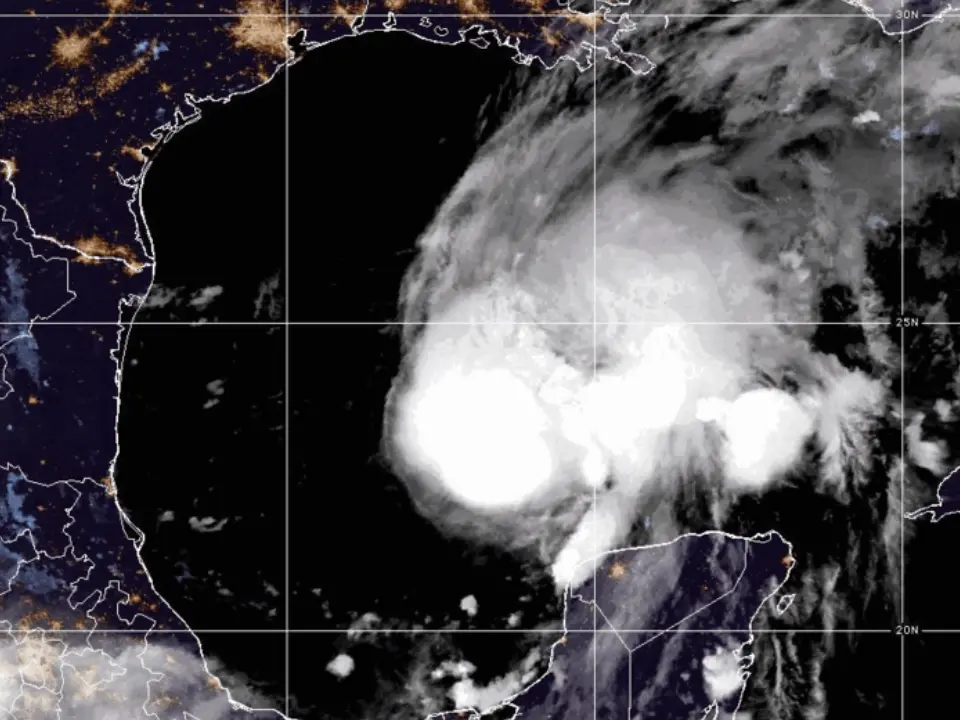
Atlantic hurricane Isaias could make landfall as a strong Category 2 storm, tornado warnings issued
&imwidth=180&imheight=135&format=webp&quality=medium)
Nana Patekar's #MeToo controversy: From Tanushree Dutta’s allegations to court ruling
&imwidth=180&imheight=135&format=webp&quality=medium)
Who is Nana Patekar's wife Neelakanti? The bank officer who earned Rs 2,500 when he earned Rs 50
&imwidth=180&imheight=135&format=webp&quality=medium)
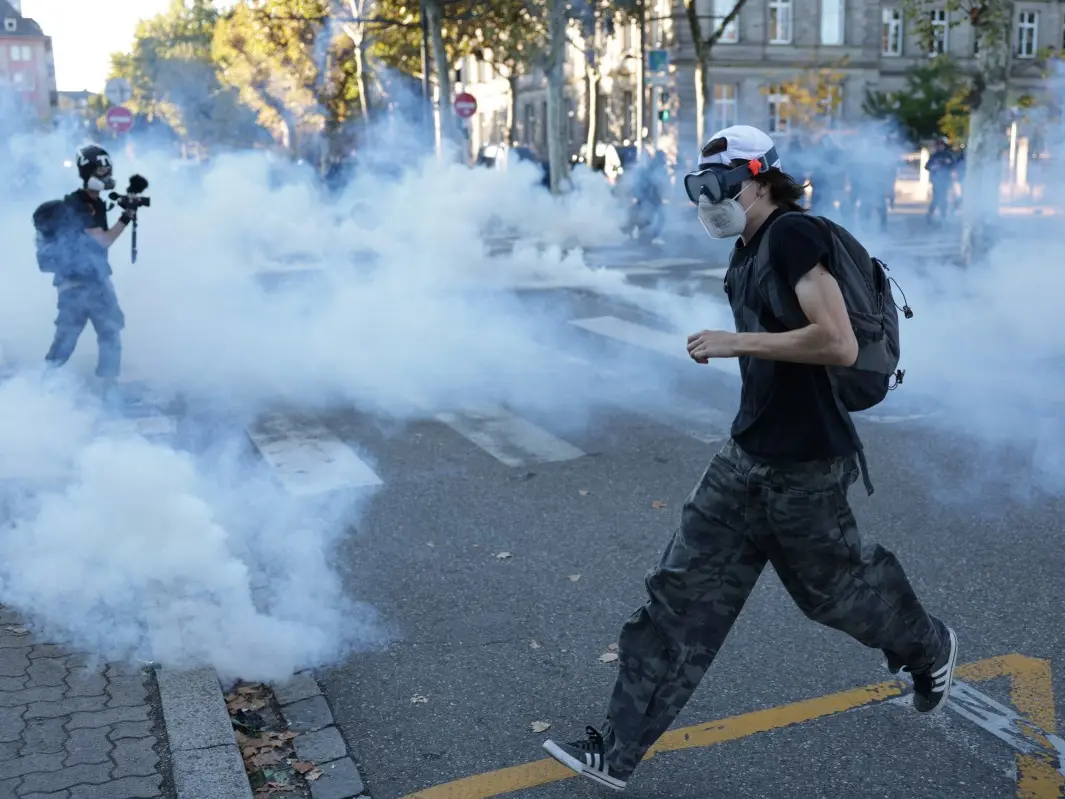
France student protests: Over 500 arrested, govt promises 3,000 substitute teachers
&imwidth=180&imheight=135&format=webp&quality=medium)
French students light European bonfire, protests erupt in Belgium, Italy & Greece | Gravitas
&imwidth=180&imheight=135&format=webp&quality=medium)
New Cold War: Why is China buying more gold? Explained
&imwidth=180&imheight=135&format=webp&quality=medium)
Zendaya gives The Odyssey white lace jacket a stylish twist at Paris Fashion Week 2026
&imwidth=180&imheight=135&format=webp&quality=medium)
US suspends Microsoft, Infosys, Tata, Wipro from green card programme over alleged H-1B abuse
&imwidth=180&imheight=135&format=webp&quality=medium)
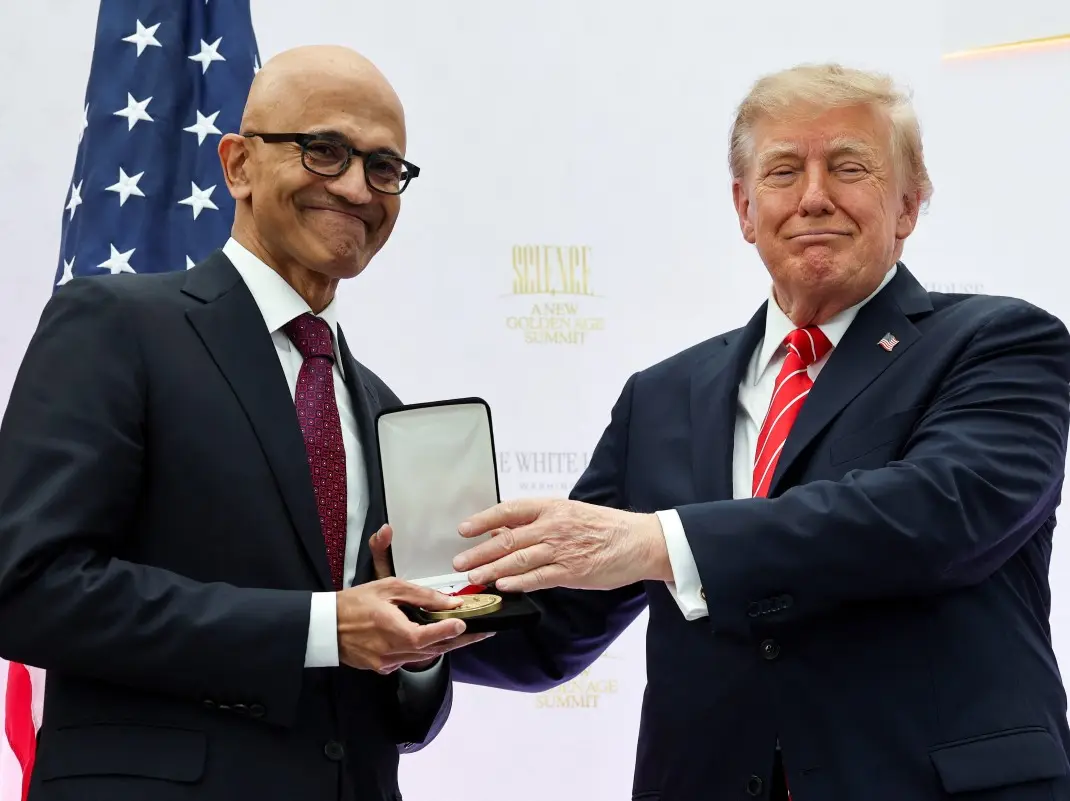
Trump honours Microsoft CEO Satya Nadella with top technology honour amid immigration scrutiny
&imwidth=180&imheight=135&format=webp&quality=medium)
Sri Lankan Tamil worker gets death sentence in Saudi Arabia over blasphemy, calls for pardon intensify
Institutional and retail investors' demand collapse has fallen mostly on the smaller listed companies. The number of smaller company market debuts plunged by 80 per cent to just 22 over the past decade, while the value raised by new issues has dropped by 90 per cent, New Financial said.
Meanwhile, UK smaller company funds have experienced their 36th straight month of outflows, while the number of local authority pension schemes with a reserved allocation to the sector has dwindled from 18 to just one over the past decade.
But Australia, Canada, and Sweden, where smaller companies have been thriving, are offering hope. "A concerted effort by government, regulators, and the industry can set smaller companies back on track," the think tank said.
This article includes reporting from Reuters.