Sustainable aviation fuel: The fuel of the future?

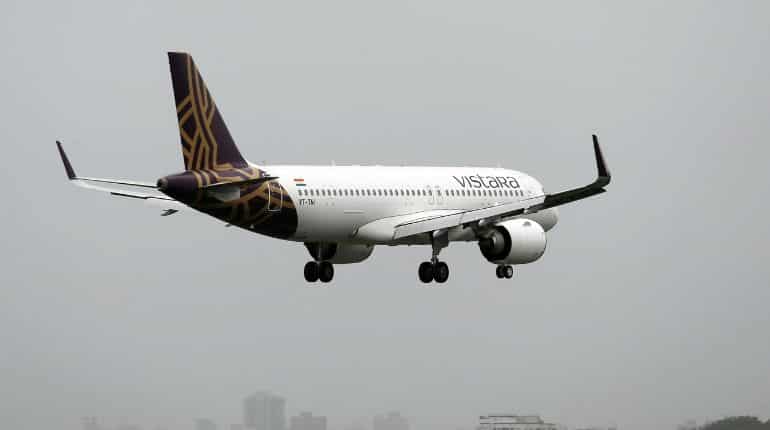
Vistara
The Tata group on May 4 initiated the use of sustainable aviation fuel (SAF), as Vistara became the first airline in India to successfully operate a wide-body commercial domestic flight from Delhi to Mumbai using a blend of 17 per centSAFto 83 per cent conventional jet fuel.
AirAsia India, a low-cost subsidiary of Air India, followed suit, operating the Pune-Delhi sector on May 19 using an indigenously-manufacturedSAFblend.
Upon receiving the AirAsia flight at Delhi’s Indira Gandhi International Airport, Hardeep Singh Puri, the Minister for Petroleum and Natural Gas, said, “This would be the first domestic commercial passenger flight withSAFblending of up to one per cent in demonstration mode.”

What isSAF?
SAFis a type of biofuel that is used to power aircraft. Its chemical and physical properties are identical to that of conventional jet fuel, albeit with a significantly lower carbon footprint.SAFis made by using feedstocks consisting of various material such as cooking oil, municipal waste, agricultural residue, plants, and waste gasses.
According to the International Air Transport Association (IATA), the use ofSAFcan significantly bring down carbon dioxide emissions by about 80 per cent. Additionally,SAFcould potentially stabilise fuel prices in the aviation sector, making it easier for airlines to budget and predict their operating expenses.
)
AI kill switch explained: Why shutting down a dangerous AI may not be as simple as pressing a button
)
US ships in Indian Ocean ‘will be attacked’ if war resumes, warns Iran
)
SNL UK takes aim at Ed Sheeran with AI Princess Diana sketch
)
Trump says he'll build an 'AI Force' and appoint a czar, for 'high IQ' people only
)
‘0% chance’: Nvidia CEO Jensen Huang dismisses AI extinction fears by 2030
&im=FitAndFill=(700,400))
What TSMC's 2nm technology means for Apple
)
'Were you here to sell chickpeas?': Wasim Akram criticises Babar Azam's captaincy
)
Mark Carney mimics Trump in hilarious moment over C$70 billion clean-energy investment; room erupts in laughter
&im=FitAndFill=(700,400))
Top 10 countries in mathematics: See the world’s best performers in 2026
)
Apple reportedly building AI server with M8 Ultra chips, may use Nvidia technology
)
TIFF 2026: Theja Rio’s Angh wins Platform Prize, puts Nagaland story on global stage
)
BTS' fans question iHeartRadio’s treatment of group after brief festival set
)
Samsung raises Galaxy S26 prices by Rs 20,000: Here’s what each model now costs
)
Operation Sindoor’s hidden naval dimension | MoD reveals Indian Navy Special Forces joined May 7 strikes
)
Trump-Xi summit: US Treasury Secretary holds meeting with Chinese Vice Premier
)
Bessent meets China’s He Lifeng to prepare for Trump-Xi summit
)
S Jaishankar, former Army chief among high-profile names issued Delhi SIR notices
)
CDU suffers historic defeat in eastern Germany as AfD surges, Merz vows to stay on
)
Iran sets 7 conditions to end war with US: What are Tehran’s demands?
)
Arvind Kejriwal, family members, Delhi CM Rekha Gupta get SIR notices
)
AI actress Tilly Norwood glitches mid-interview, switches from English to Chinese | Watch
)
Saudi vs Houthis: Houthis claim missiles & drones used in attack on key Saudi sites
)
Ed Sheeran addresses Macklemore's removal, Gaza conflict during Philadelphia concert: 'I cannot hide how I feel'
)
Punjab man consumes poison outside DC office; Congress, BJP target AAP government
)
Saudi Arabia exits China-led mBridge digital currency platform amid Saudi-Houthi conflict
)
ICE shooting in Texas leaves man seriously injured; officials demand independent investigation and transparency
)
Sudan gold mine collapse kills 11, injures 30; search under way for trapped miners
)
'Lot of things to learn from experienced players': Jayasuriya backs Rohit, Virat for 2027 ODI World Cup
)
Chancellor Friedrich Merz vows to stay on as exit polls signal major poll setback
)
North Korea's nuclear tests triggered 1,399 earthquakes: Earth is still shaking | Gravitas
)
Several petrol pumps, other businesses to refuse UPI payments above Rs 2,000 from Oct 16: Is it legal?
&im=FitAndFill=(700,400))
New OTT releases this week (September 21-27, 2026): Shaque: Trust No One, Hunkkaar, Don’t Be Shy- 5 new titles coming to Netflix, Prime Video and more
&im=FitAndFill=(700,400))
Gulshan Grover turns 70: Ram Lakhan, Gangster, Hera Pheri- Must-watch movies of the actor on OTT platforms
)
Noel Tata challenges Chandrasekaran’s reappointment as Tata Sons chairman. What happened at the board meeting
&im=FitAndFill=(700,400))
Kareena Kapoor birthday special: Inside her net worth, best movies, luxurious lifestyle and love story with Saif Ali Khan
)
China now makes advanced memory chips without the machines it was banned from buying
)
Trump in ‘deciding mode’ on Iran, says ‘very big things’ going to happen soon
)
Jailer 2: Vidya Balan joins Rajinikanth's upcoming film as Kantha | Watch
)
Microsoft executive called AI training the ‘largest theft of labour in human history’
)
Italy moves to ban face veils in schools as Meloni pushes new integration measures
Targets set by aviation regulators
As aviation regulatory bodies push forth their sustainability goals to lower emissions, Puri said that one per centSAFwill be mandatory for domestic airlines by 2025. He further added that 140 million litres of biofuels are required to produce one per centSAFmixed with jet fuel. If there are greater volumes of biofuels available, the mandate forSAFmight increase to four or five per cent.
Meanwhile in the US, the Biden administration is targeting 100 per cent use ofSAFby 2050. The EU on the other hand, instructs fuel suppliers to ensure that fuel with two per centSAFin 2025 is supplied to all European Union (EU) airports. Subsequently, the supply is to increase to six per cent in 2030, 20 per cent in 2035 and steadily to 70 per cent in 2050.
Current landscape and the future
According to a report by the European Union AviationSafety Agency (EASA), with a supply of less than 0.05 per cent of the overall jet fuel demand in 2020, theSAFindustry is still in its early stages of development.
Currently, the EU’s greatest possibleSAFproduction capacity is only 0.24 million tonnes, or 10 per cent of theSAFneeded to fulfil the proposed mandate by 2030. The 2030 mandate level is high but achievable given the announcements of major capacity additions from these currentSAFproviders and the production from new market entrants.
In the Indian context, a press release from the Ministry of Petroleum and Natural Gas said, “India has feedstock for potential production of 19 to 24 million tons ofSAFper year, whereas the estimated maximum requirement ofSAFin India, considering 50 per cent blend, is around eight to ten million tons per year by 2030”.
What are aircraft manufacturers doing?
According to multiple reports by aviation news website Simple Flying, major aircraft manufacturers like Airbus and Boeing have aircraft that can fly with a 50 per cent blend ofSAFand conventional jet fuel. Presently, aircraft flying with 100 per centSAFare in the testing phase with Airbus conducting such tests on their A350 and A321 aircraft.
At the Airbus Summit, Chief Technical Officer, Sabine Klauke was quoted as saying, “All Airbus aircraft today are certified to fly with a 50 per centSAFblend. We have a clear ambition to achieve certification for 100 per cent sustainable aviation fuel for our fleets by 2030. So, if we look, what is used today,SAFrepresents maybe 0.03 per cent of the fuel which is used in civil aviation, and that's for sure. We have a clear plan leading to 2030.”
WATCH WION LIVE HERE