
&imwidth=800&imheight=600&format=webp&quality=medium "RBI MPC meeting: Will US tariffs and low inflation trigger a rate cut?")
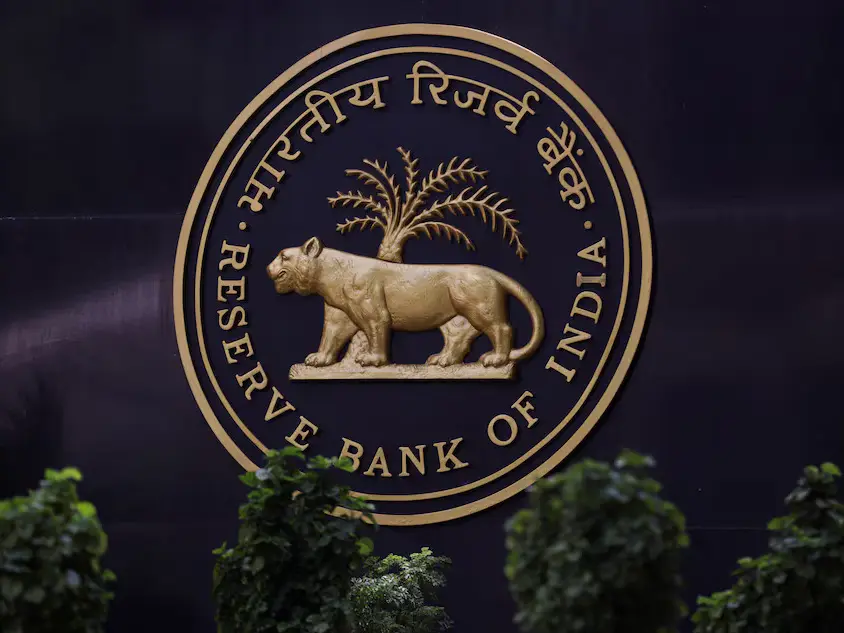
The Reserve Bank of India’s (RBI) Monetary Policy Committee (MPC) began its three-day meeting on August 4 against the backdrop of faltering credit growth, weakening global trade, and new headwinds from US tariffs. The decision, which will be announced on August 6, could have far-reaching implications for borrowers, banks, and financial markets. The key policy rate, or the repo rate, currently stands at 5.5 per cent after a cumulative 100 basis points (bps) cut across the last three policy meetings. While the MPC’s stance has shifted to ‘neutral,’ speculation is rife that a fresh rate cut may be on the table.
Rate pause or cut? RBI faces tough trade-off
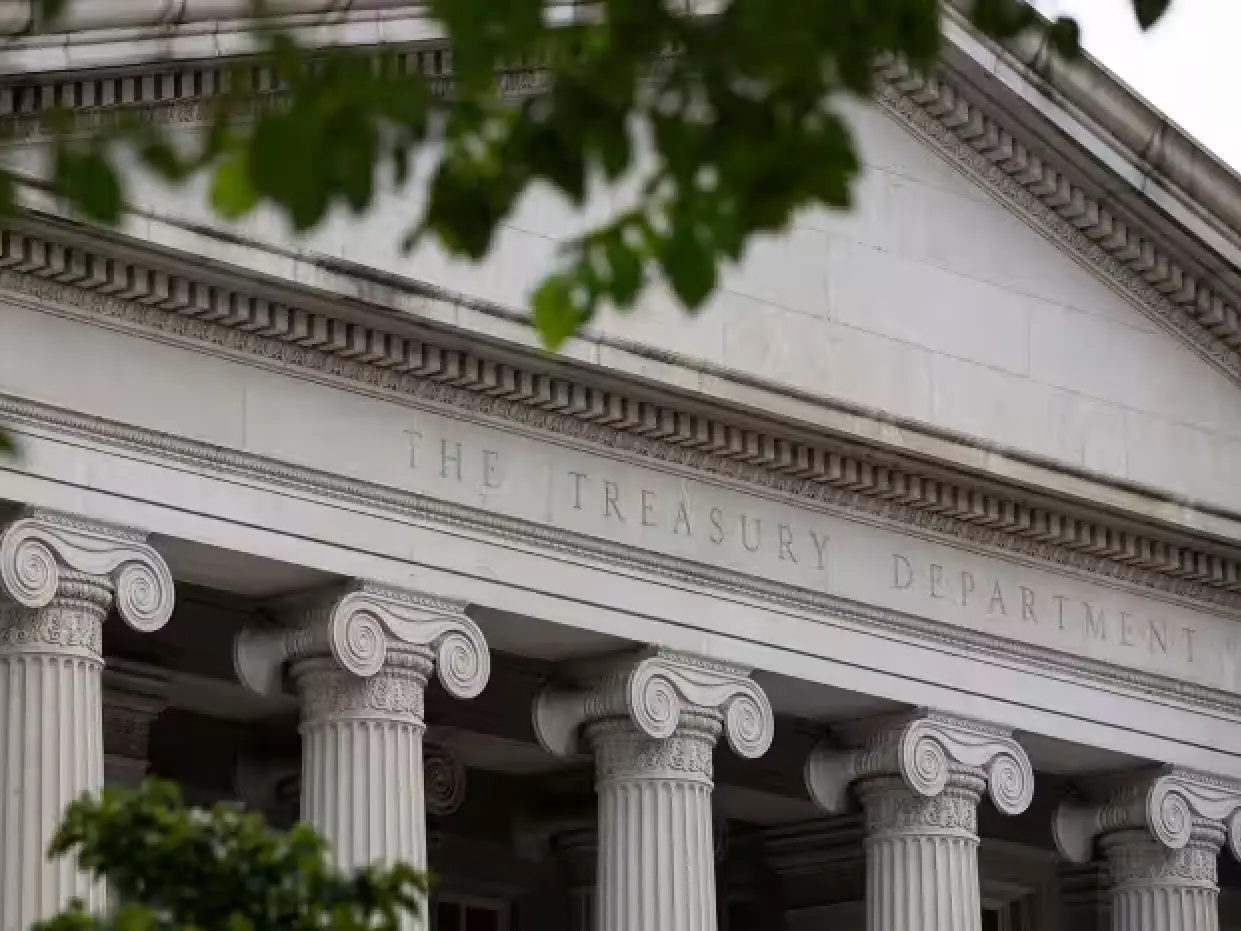
With the US imposing 25 per cent tariffs on Indian exports, concerns have grown over a potential hit to trade and GDP. Analysts believe the RBI could respond proactively. Japanese broking Nomura sees a 35 per cent chance of a surprise rate cut in August, though it continues to expect 25 bps cuts in both October and December. Similarly, the State Bank of India (SBI) has called for a front-loaded 25 bps cut in this meeting to stimulate credit demand ahead of the festive season.

However, some, including Barclays and CareEdge Ratings, suggest the RBI may prefer a “dovish pause” to assess the impact of previous cuts. Barclays expects the final 25 bps cut to come in October, while CareEdge says the RBI may wait for further clarity on global risks and transmission of earlier rate reductions.
Inflation eases, but growth concerns mount
India's retail inflation has significantly eased, with June CPI at just 2.1 per cent, which is its lowest level since January 2019. July inflation could drop further to 1.5 per cent, well below the RBI’s target range of 2-6 per cent. Barclays now forecasts FY26 inflation at 3.5 per cent, down from the RBI’s 3.7 per cent estimate, creating more room for monetary easing.
Trending Stories
)
No Pandya as Auqib Nabi earns maiden ODI call-up; Mayank returns for WI T20Is| check full squads
)
Chiefs tight end Travis Kelce named one of the victims in $35 million ponzi scheme
)
Trump praises India’s Opium crackdown, hails anti-drug efforts
)
Sydney Sweeney defends provocative ad choice, the internet is still not impressed
)
Former India player Diana Edulji wants Smriti Mandhana to replace Harman as skipper at the earliest
)
Trump calls Canada-EU associate membership plan ‘laughable’ and threatens 'very serious tariffs'
)
Protests erupt over migrant housing plan in Piddington
)
Shahzad Bhatti Network declared terrorist organisation under UAPA: Govt order
)
Europe wants a common playbook for security threats, seeks security beyond NATO
)
Formula One reveals the 2027 race calendar; Monaco to host sprint race for the first time
)
All Indian goods to get duty-free access to New Zealand
)
Bigg Boss 20: Mahhi Vij reveals she lost Yuva role to Kareena Kapoor; 'didn’t work out in my favour'
)
Lionel Messi for 2026 Ballon d’Or over Mbappe and Yamal, says Diego Simeone
)
US House votes 417-3 to pass Ratepayer Protection Act targeting AI data center electricity costs
)
Hong Kong unveils 11 new measures to boost birth rates, offers higher cash bonuses and housing perks
)
Former OpenAI researcher warns of growing risks from Artificial Intelligence
)
Veteran actor Anant Nag honoured with Indian cinema’s highest award
)
AUS vs SA: Steve Smith still gets 'little flashbacks' from sandpaper gate
)
Pakistan naval vessel returns to harbour with 'severe damage' after collision with Indian warship in Arabian Sea
)
Fed raises rates for first time in 3 years, Kevin Warsh defies Trump as inflation mounts
)
Katrina Kaif’s postpartum weight is not the problem; your gaze is
)
Taiwan seeks deeper India ties as direct flights restart soon and chip projects advance
)
Daayra movie review: Kareena Kapoor, Prithviraj Sukumaran shine in Meghna Gulzar’s cop-versus-cop crime thriller
)
Saudi Vs Houthis: Yemeni military rebels clash with Houthis
)
Pak batter Rizwan's petition against being questioned by cyber crime agency rejected by court
)
US trade tariff: 100% tariff targets Russian buyers amid trade tensions
)
Pakistan: Imran Khan's sons Kasim & Sulaiman claim their father is 'tortured' in jail
&im=FitAndFill=(700,400))
New OTT releases this week (September 14-20, 2026): Lust Stories 3, Waiting Hai, Irumudi- 5 new titles coming on Netflix, Prime Video and more
)
Trump gets new power to hit India, China with up to 100% tariffs as US Senate clears Russia sanctions bill
)
Prime Minister Narendra Modi's birthday: Italian PM Meloni sends birthday wishes
)
‘Imagine 50 AI fighters cornering one manned jet’: India’s mobbing doctrine eyes a new era of air warm
)
Saudi vs Houthis: Riyadh claims to have shot Houthi drone targeting Mecca
)
US Treasury rallies global financial institutions for Op Economic Outcast to isolate Iran
)
India breaks silence on US Russia sanctions bill, 100% tariff threat: ‘Committed to energy security’ for 1.4 billion
)
Pakistan boycotts chess match against Israel at Olympiad
)
Want to get married within a year? Why 18 lakh people rush to Jaipur for ‘sacred henna’
&im=FitAndFill=(700,400))
Suriya and Jyothika say ‘I do’ again after 20 years! See their dreamy wedding pics
)
Abhishek Sharma rises to No. 2 in T20Is; ENG’s Robinson 3rd after record Pakistan Tests
)
The Early Spring season 2 is happening, but fans have one request - 'don't change the actors'
At the same time, indicators point to economic softness. Bank credit growth to industry slowed to just 5.5 per cent in June, and overall credit-deposit ratios have declined. Net interest margins for banks have shrunk, and deposit growth continues to outpace credit growth. Public sector banks are leading in lending, but the private sector remains cautious amid tepid demand and tight margins.
Cautious optimism
Homebuyers, borrowers, and banks are keenly watching for any change. A rate cut would bring cheer to home loan seekers while also helping revive private investment. Still, with global volatility, a hawkish US Fed, and rupee pressure in play, RBI Governor Sanjay Malhotra and the MPC may tread cautiously. Regardless of the outcome, the central bank’s forward guidance will be key in signalling its growth versus inflation priorities for the rest of FY26.