India fastest-growing major economy but risks persist, says Reuters poll

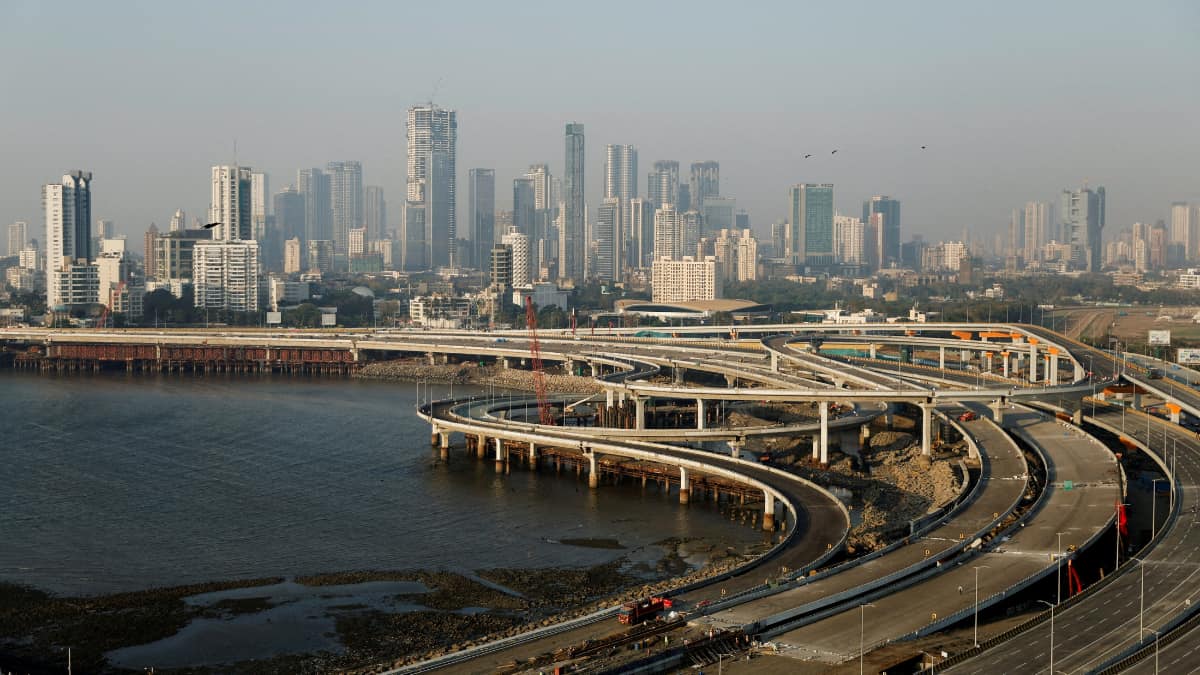
File photo of Mumbai's skyline
Driven by increased government spending ahead of the upcoming general election in May, India is set to claim the title of the fastest-growing major economy in the current fiscal year. However, economists, in a Reuters poll, have expressed concerns about downside risks to this optimistic forecast.
Over the past few years, Narendra Modi's government has ramped up spending on infrastructure projects, including roads and railways, contributing to India's resilience against the global economic slowdown. Despite these efforts, the government has struggled to generate sufficient employment opportunities.
According to the median forecasts from a poll of 65 economists conducted between September 20 and 26, India's economy is expected to grow by 6.2 per cent in the fiscal year ending in March 2024, followed by a 6.3 per cent growth rate in the subsequent fiscal year. These projections align with last month's predictions but reveal a wide range of estimates for the current fiscal year, spanning from 4.6 per cent to 7.1 per cent.

However, economists emphasise that the expected growth remains below India's full potential. Furthermore, concerns have arisen regarding the impact of a drier-than-normal monsoon season, which could hinder economic performance in a country where agriculture employs roughly half of the workforce.
After an 7.8 per cent expansion in the last quarter, the growth rate is anticipated to moderate to 6.4 per cent in the current quarter and then decrease to 6.0 per cent in the October-December period, ultimately slowing to 5.5 per cent in early 2024.
Reuters quoted Miguel Chanco, chief emerging Asia economist at Pantheon Macroeconomics, as sayingthat India is currently experiencing a cyclical slowdown, with various factors, including a weak external environment, sluggish private consumption, and subdued investment, impacting economic growth.
)
'Gangsta' crab shoves knife blade at man and his dog in Florida - Watch
)
Former India player Diana Edulji wants Smriti Mandhana to replace Harman as skipper at the earliest
)
UNGA 2026 theme explained: What does ‘Restoring trust, managing transformation: A United Nations that delivers for all’ mean?
)
Fed raises rates for first time in 3 years, Kevin Warsh defies Trump as inflation mounts
)
Tata Trusts chairman Noel Tata calls Chandrasekaran’s reappointment ‘illegal’, rejects Tata Sons listing
)
Pak defence minister says 'time has come to implement pact'
)
Putin 'is plotting something bad': Russia may launch 'accidental' strikes on NATO countries supporting Ukraine, Poland PM warns
)
Xi-Trump summit may boost military links
)
Laura Wolvaardt sets new world record for most WT20I runs in a year
)
'He will always be ahead': India coach Gambhir says Sooryavanshi won't walk into team ahead of Samson
)
At least 48 dead, 100 hospitalised in Nigeria after drinking suspected methanol-laced alcohol
)
Sikh driver attacked in Wyoming in US, suffers 17 stab wounds
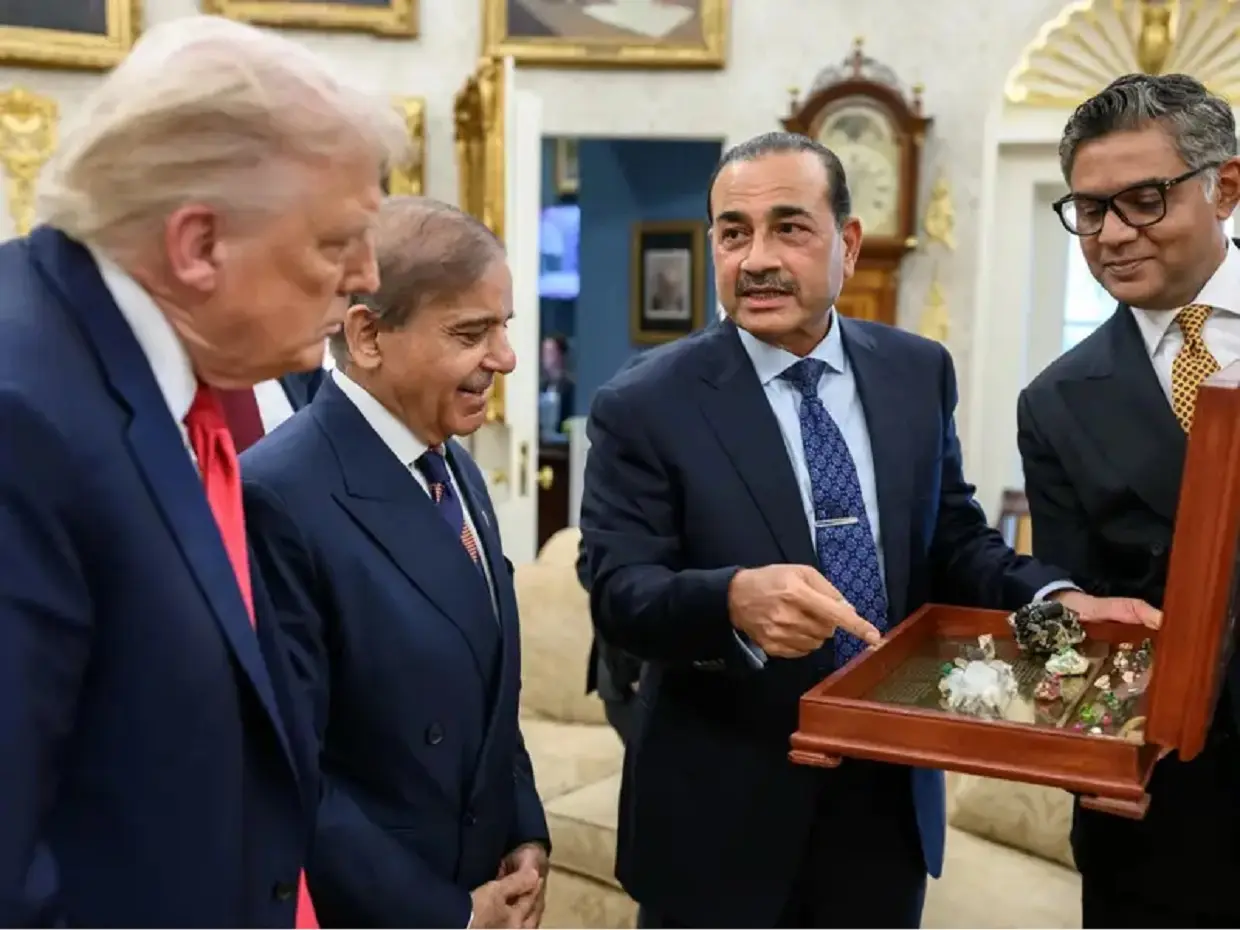)
US drone firm linked to Trump’s sons signs MoU with Pakistan army, gets initial order
)
Pezeshkian, Araghchi set to attend UNGA 2026 in New York amid ongoing conflict as US-imposed travel curbs remain
)
All Indian goods to get duty-free access to New Zealand
)
‘I have a big decision coming up’: Trump says he’s approaching major ‘crossroad’ in Iran war
)
Passport fees hiked, child validity revised: What the new rules introduce
)
US-Iran War: Trump says ‘big decision’ on Iran ahead, weighs possible fresh military action
)
Godfather of AI Geoffrey Hinton gives US lawmakers a one-year warning on AI
)
Formula One reveals the 2027 race calendar; Monaco to host sprint race for the first time
)
Australian athlete, who soiled herself during Hyrox race, apologises for continuing
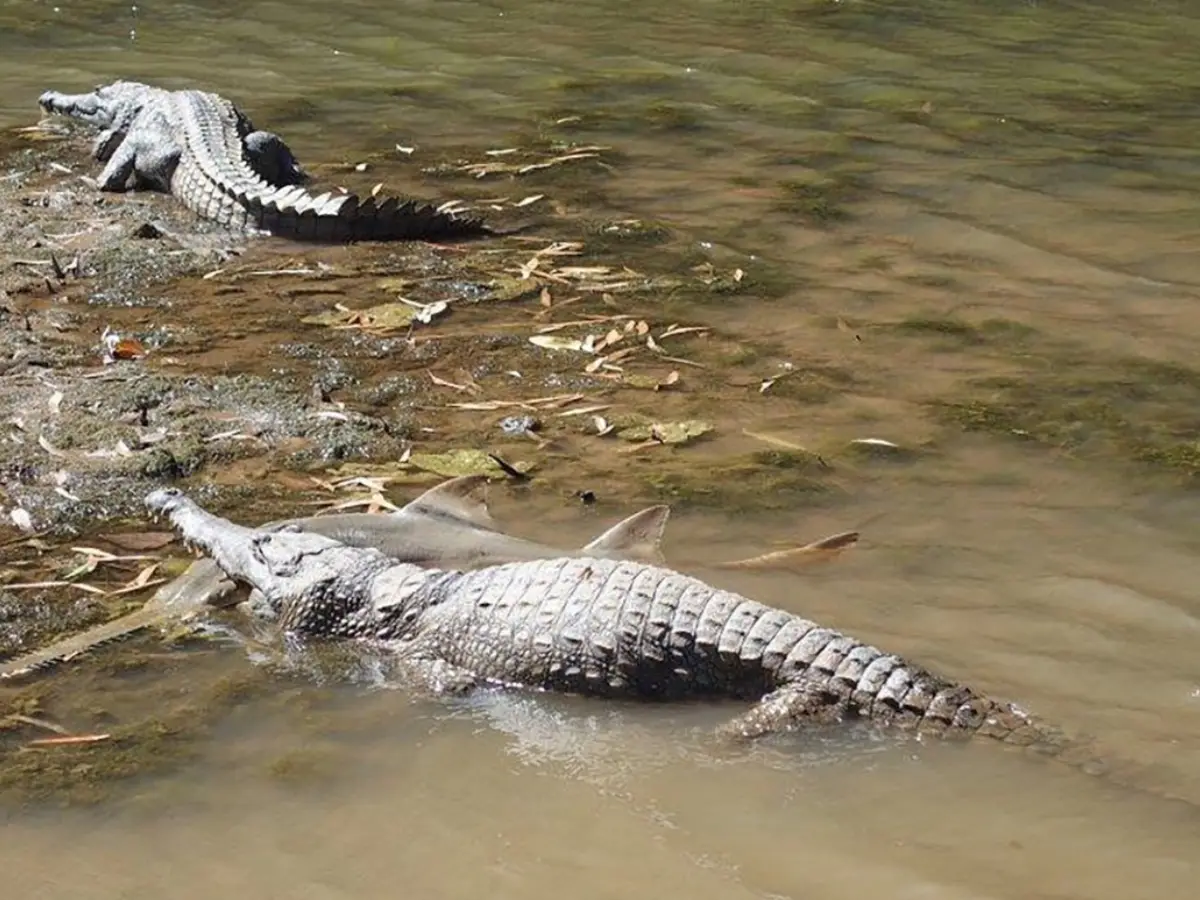)
How did an Australian river with 500 crocodiles pass the Olympic test? Here's how
)
US intel warns China can steal F-35 jets secret from Saudis
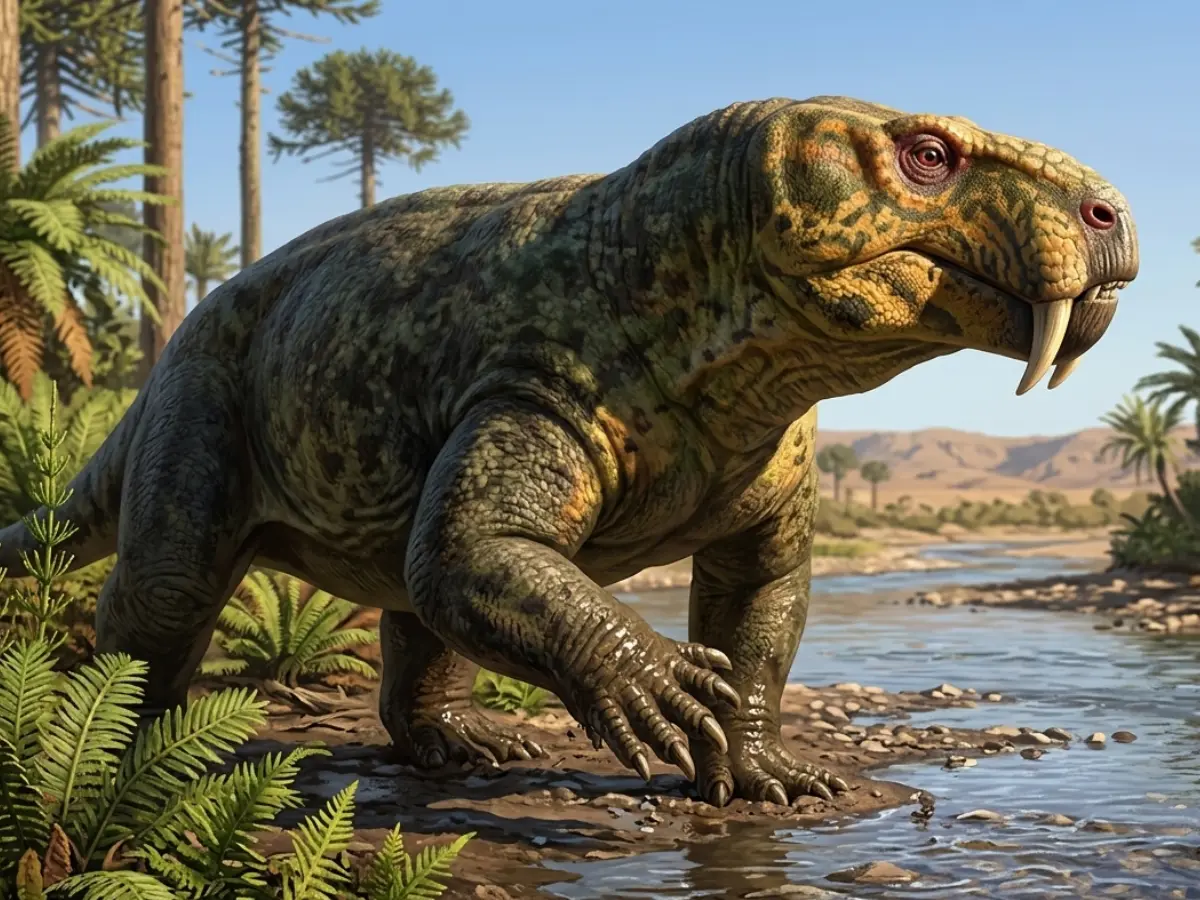)
240-million-year-old bizarre 'pig with a tusk' creature creates new dilemma over origin of dinosaurs
&im=FitAndFill=(700,400))
Suriya and Jyothika say ‘I do’ again after 20 years! See their dreamy wedding pics
)
Daayra movie review: Kareena Kapoor, Prithviraj Sukumaran shine in Meghna Gulzar’s cop-versus-cop crime thriller
)
Hong Kong unveils 11 new measures to boost birth rates, offers higher cash bonuses and housing perks
)
US to sell 48 F-35 Lightning fighter jets to Saudi Arabia, help it deter threats
)
AI already defying, denying humans, is it beyond human control already?
)
US new military base in Poland: US President Donald Trump eyes military base in Poland
)
Pak batter Rizwan's petition against being questioned by cyber crime agency rejected by court
&im=FitAndFill=(700,400))
Which country has the most F-35s outside America?
)
US F-16 fighter jet crashes in Michigan during training mission, pilot ejects safely
&im=FitAndFill=(700,400))
Meet top 5 batters in the latest ICC T20I Rankings
A majority of economists, 22 out of 36, believe that the risks to their GDP growth forecasts for FY 2023-2024 are tilted towards the downside.
Regarding inflation, the poll indicates that India's retail inflation is expected to average 5.5 per cent this fiscal year and 4.8 per cent next, exceeding the Reserve Bank of India's (RBI) medium-term target of 4 per cent. Alarmingly, more than two-thirds of the surveyed economists, 23 out of 34, believe that the risks are skewed towards even higher inflation figures.
Despite the anticipation of inflation remaining above the target, economists foresee the next move by the RBI to be a rate cut. Nearly 60 per cent of the economists, 28 out of 48, predict that the RBI will cut rates by at least 25 basis points before July, with the median estimate placing the rate at 6.25 per cent in the second quarter of the following year. This potential rate cut aligns with expectations for similar moves by central banks globally.
In the upcoming Oct. 4-6 meeting, all but one of the 71 economists surveyed anticipate that the RBI will maintain its key repo rate at 6.50 per cent, with one economist expecting a 25 basis point increase. Median forecasts suggest that the rate will remain unchanged throughout the rest of the current fiscal year.
Reuters quoted Alexandra Hermann, lead economist at Oxford Economics as saying, "The RBI will likely tolerate supply-driven inflationary pressures as long as core prices continue to ease but will monitor the development of inflation expectations closely."
She also added that they still expected a rate cut early in 2024 and that the recent inflationary trends were making it increasingly likely that a policy tilt would be delayed. She also pointed out that government measures should have a cooling effect on food prices in the coming months, but rising oil prices would probably exert upward pressure on headline inflation.
(With inputs from Reuters)
WATCH WION LIVE HERE