How many times did SpaceX's rockets fail before their first successful launch?

&imwidth=600&imheight=450&format=webp&quality=medium "How many times did SpaceX's rockets fail before their first successful launch?")
How many rockets did SpaceX lose before reaching orbit?
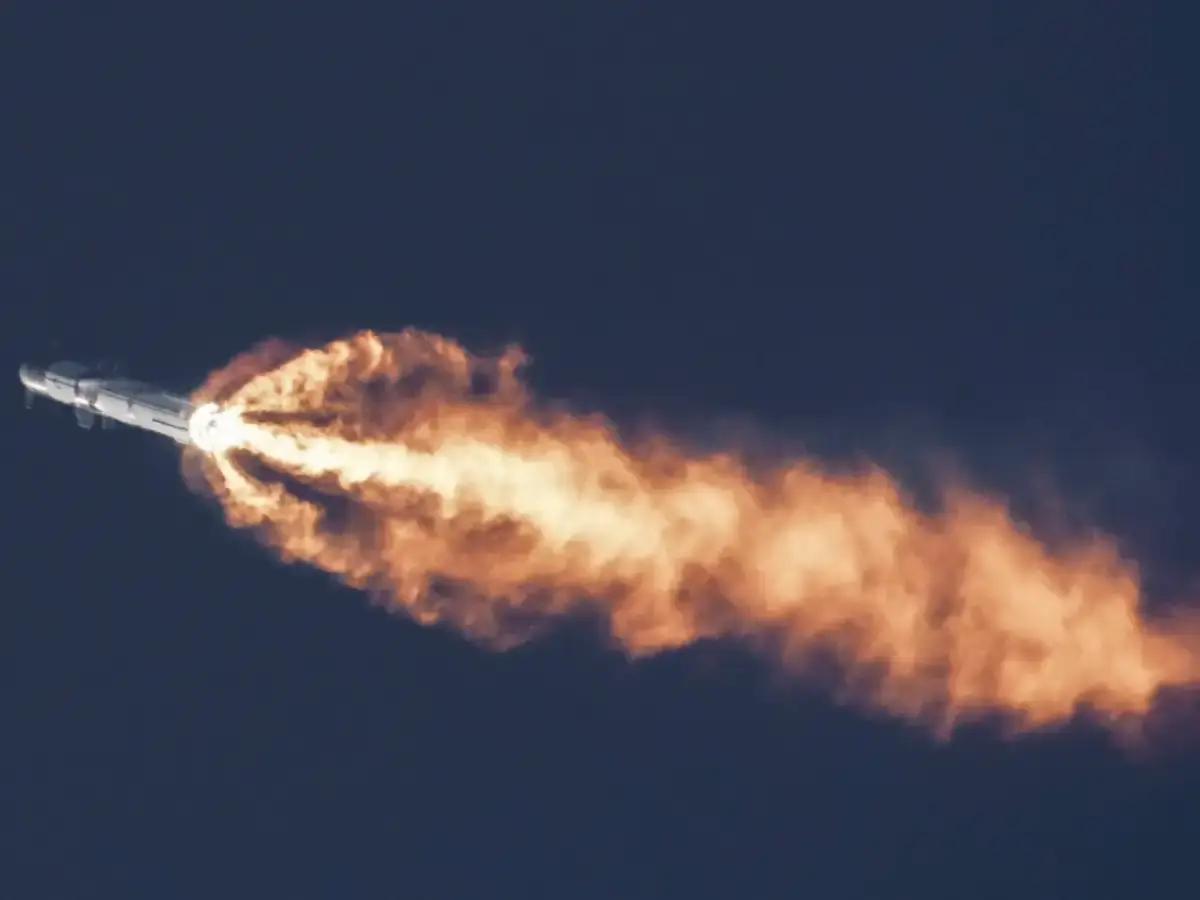
Before becoming one of the world's most valuable companies, SpaceX endured three failed Falcon 1 launches. Its breakthrough came on the fourth attempt in 2008, a mission that helped transform the company and changed the future of commercial spaceflight.
SpaceX is now one of the biggest names in the space industry. The company recently made history with its public listing, becoming one of the world's most valuable businesses and helping push Elon Musk's wealth to record levels. Before the company successfully reached orbit, it suffered three consecutive rocket failures. By 2008, money was running low, pressure was mounting and the future of the company depended on one final attempt.
SpaceX's first three launches all failed
Founded in 2002 by Elon Musk, SpaceX set out to reduce the cost of space travel and challenge an industry long dominated by governments and large aerospace firms. The company's first rocket, Falcon 1, was designed as a small, relatively low-cost launch vehicle. Its first launch took place in March 2006. The mission failed shortly after lift-off due to a fuel leak and engine fire. A second launch followed in March 2007. Although the rocket performed better, it still failed to reach orbit. The third attempt came in August 2008. This launch got closer than the previous two, but a stage separation issue caused another failure. By then, SpaceX had spent years developing its technology without achieving its main goal.
The fourth launch changed the company's future
After three failures, many companies would have struggled to continue. SpaceX pressed ahead with a fourth Falcon 1 launch on September 28, 2008. This time, the mission succeeded. The rocket became the first privately developed liquid-fuel rocket to reach Earth orbit. The achievement was widely seen as a turning point for the commercial space industry. The success arrived at a crucial moment. Musk later revealed that both SpaceX and Tesla were under significant financial pressure during 2008, with resources becoming increasingly limited.
From survival mode to a space industry leader
Trending Stories
&imwidth=280&imheight=210&format=webp&quality=medium)
&imwidth=280&imheight=210&format=webp&quality=medium)
&imwidth=280&imheight=210&format=webp&quality=medium)
&imwidth=280&imheight=210&format=webp&quality=medium)
&imwidth=280&imheight=210&format=webp&quality=medium)
&imwidth=280&imheight=210&format=webp&quality=medium)
&imwidth=280&imheight=210&format=webp&quality=medium)
&imwidth=280&imheight=210&format=webp&quality=medium)
&imwidth=280&imheight=210&format=webp&quality=medium)
&imwidth=280&imheight=210&format=webp&quality=medium)
&imwidth=280&imheight=210&format=webp&quality=medium)
&imwidth=280&imheight=210&format=webp&quality=medium)
&imwidth=280&imheight=210&format=webp&quality=medium)
&imwidth=280&imheight=210&format=webp&quality=medium)
&imwidth=280&imheight=210&format=webp&quality=medium)
&imwidth=280&imheight=210&format=webp&quality=medium)
&imwidth=280&imheight=210&format=webp&quality=medium)
&imwidth=280&imheight=210&format=webp&quality=medium)
&imwidth=280&imheight=210&format=webp&quality=medium)
&imwidth=280&imheight=210&format=webp&quality=medium)
&imwidth=280&imheight=210&format=webp&quality=medium)
&imwidth=280&imheight=210&format=webp&quality=medium)
&imwidth=280&imheight=210&format=webp&quality=medium)
&imwidth=280&imheight=210&format=webp&quality=medium)
&imwidth=280&imheight=210&format=webp&quality=medium)
&imwidth=280&imheight=210&format=webp&quality=medium)
&imwidth=280&imheight=210&format=webp&quality=medium)
&imwidth=280&imheight=210&format=webp&quality=medium)
&imwidth=280&imheight=210&format=webp&quality=medium)
&imwidth=280&imheight=210&format=webp&quality=medium)
&im=FitAndFill=(700,400)&imwidth=280&imheight=210&format=webp&quality=medium)
The successful Falcon 1 mission helped prove that SpaceX's technology worked. In the years that followed, the company developed the Falcon 9 rocket, Dragon spacecraft and the Starlink satellite internet network. It also became a major partner of NASA.
Today, SpaceX carries astronauts into orbit, launches satellites for customers around the world and plays a key role in the growing commercial space sector. Its public listing in 2026 marked another milestone. The company entered the market with a valuation measured in trillions of dollars, making it one of the most valuable firms in the world. The listing also boosted Musk's fortune, cementing his position as the world's richest person.
Why those early failures still matter
SpaceX's story is often cited as an example of persistence in the face of repeated setbacks.
The company failed three consecutive Falcon 1 launches before finally reaching orbit on its fourth attempt. Today, that fourth launch is remembered as one of the most important moments in SpaceX's history. Without it, the company that now launches astronauts, operates thousands of satellites and commands a trillion-dollar valuation might never have survived.
