How China turned rare earths into a powerful geopolitical tool

&imwidth=600&imheight=450&format=webp&quality=medium "How China turned rare earths into a powerful geopolitical tool")
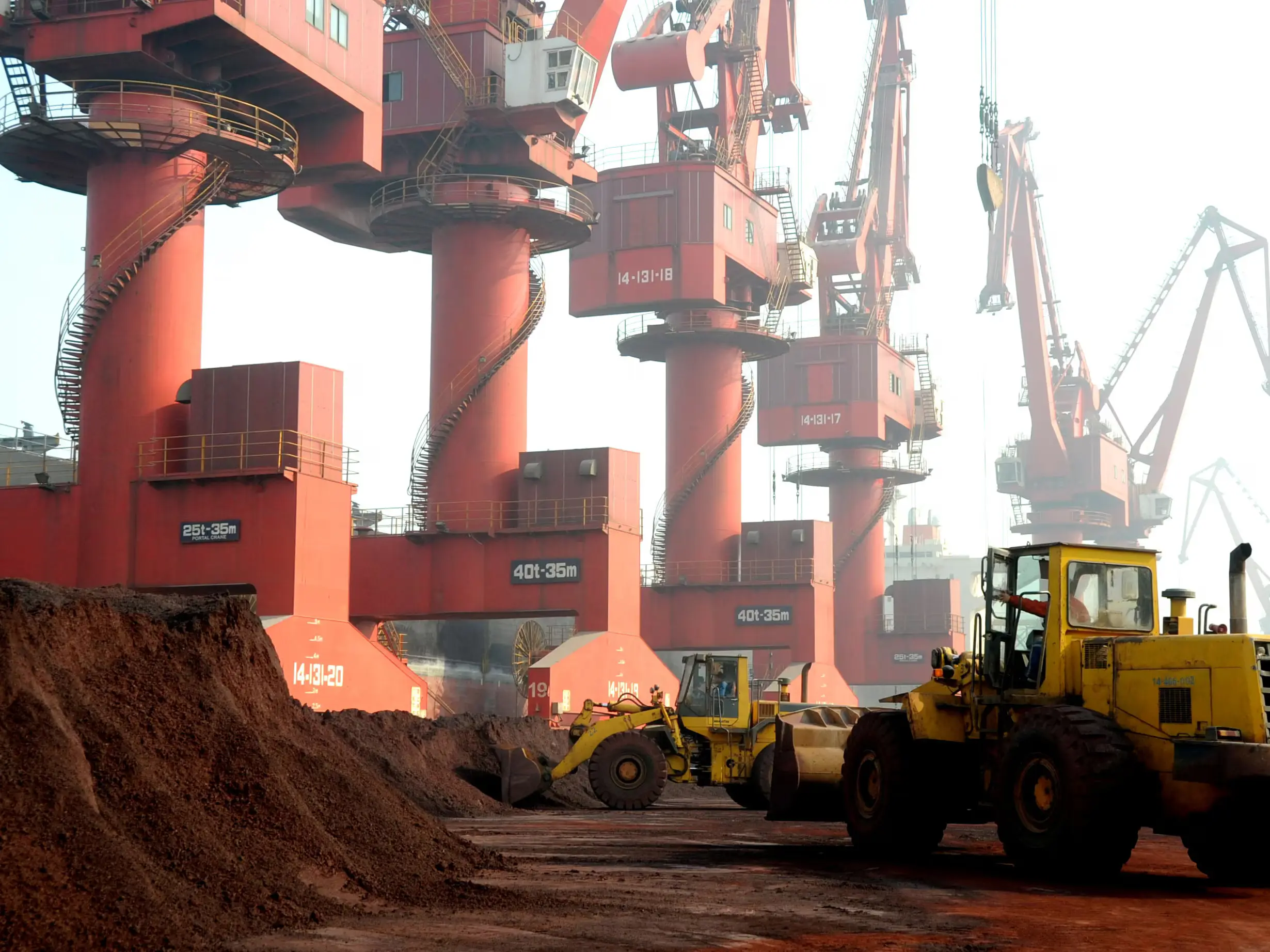
Workers transport soil containing rare earth elements for export at a port in Lianyungang. Photograph: (Reuters)
China’s crackdown on illegal mining and consolidation of its rare earth industry has tightened global supply and heightened its influence over critical green technologies.
Once plagued by smuggling and unregulated mining, China’s rare earth industry is now a tightly controlled strategic sector and a key lever in Beijing’s global trade diplomacy. Over the past 15 years, China has turned what was once a chaotic network of miners and exporters into a state-dominated supply chain, responsible for 90 per cent of global processing capacity.
As per Reuters, the shift has not only curbed environmental damage but also allowed China to weaponise supply chains, most recently during export restrictions in April 2025, which left global automakers scrambling within weeks.
From fragmentation to state-led consolidation
In the early 2000s, China’s rare earth sector resembled the wild west. Hundreds of small-scale miners and processors operated across the country with little oversight. Much of the output bypassed official channels and was smuggled abroad, undermining Beijing’s attempts to regulate exports.
According to Reuters, by 2013 just 10 companies controlled most of China’s rare earth mining. Today, that number is down to two powerful, state-owned giants: China Rare Earth Group and China Northern Rare Earth Group High-Tech. This consolidation has given Beijing tighter control over output while addressing rampant illegal mining that had caused significant environmental degradation, as noted by Boise State University’s David Abraham.
Quotas tighten as Beijing slows supply growth
Trending Stories
&imwidth=280&imheight=210&format=webp&quality=medium)
&imwidth=280&imheight=210&format=webp&quality=medium)
&imwidth=280&imheight=210&format=webp&quality=medium)
&imwidth=280&imheight=210&format=webp&quality=medium)
&imwidth=280&imheight=210&format=webp&quality=medium)
&imwidth=280&imheight=210&format=webp&quality=medium)
&imwidth=280&imheight=210&format=webp&quality=medium)
&imwidth=280&imheight=210&format=webp&quality=medium)
&imwidth=280&imheight=210&format=webp&quality=medium)
&im=FitAndFill=(700,400)&imwidth=280&imheight=210&format=webp&quality=medium)
&imwidth=280&imheight=210&format=webp&quality=medium)
&imwidth=280&imheight=210&format=webp&quality=medium)
&imwidth=280&imheight=210&format=webp&quality=medium)
&imwidth=280&imheight=210&format=webp&quality=medium)
&imwidth=280&imheight=210&format=webp&quality=medium)
&imwidth=280&imheight=210&format=webp&quality=medium)
&imwidth=280&imheight=210&format=webp&quality=medium)
&imwidth=280&imheight=210&format=webp&quality=medium)
&imwidth=280&imheight=210&format=webp&quality=medium)
&imwidth=280&imheight=210&format=webp&quality=medium)
&im=FitAndFill=(700,400)&imwidth=280&imheight=210&format=webp&quality=medium)
&imwidth=280&imheight=210&format=webp&quality=medium)
&imwidth=280&imheight=210&format=webp&quality=medium)
&imwidth=280&imheight=210&format=webp&quality=medium)
&imwidth=280&imheight=210&format=webp&quality=medium)
&imwidth=280&imheight=210&format=webp&quality=medium)
&im=FitAndFill=(700,400)&imwidth=280&imheight=210&format=webp&quality=medium)
&imwidth=280&imheight=210&format=webp&quality=medium)
&imwidth=280&imheight=210&format=webp&quality=medium)
&imwidth=280&imheight=210&format=webp&quality=medium)
&imwidth=280&imheight=210&format=webp&quality=medium)
&imwidth=280&imheight=210&format=webp&quality=medium)
&imwidth=280&imheight=210&format=webp&quality=medium)
&imwidth=280&imheight=210&format=webp&quality=medium)
Alongside industry consolidation, China has steadily strengthened its quota regime, capping how much rare earth material can be mined, smelted, and processed each year. These quotas, first introduced in 2006, now serve as a key indicator of global supply expectations. In 2024, only the two state-owned producers received quotas, compared to six companies the previous year.
Mining output growth was sharply slowed to just 5.9 per cent in 2024, down from 21.4 per cent in 2023. Reuters reports that quotas this year are expected to either remain flat or rise only marginally, further constraining global access to key materials used in electric vehicles, wind turbines and advanced electronics.
Cracking down on smuggling and magnet tech exports
In 2014, it was estimated that around 40,000 metric tonnes of rare earth oxides were smuggled out of China, more than half the volume of the country’s legal exports. Beijing has since moved aggressively to shut down illegal trade routes and introduce supply chain transparency. Although magnet manufacturing remains more fragmented, with companies like JL Mag Rare-Earth and Ningbo Yunsheng still operating independently, Beijing has now introduced mandatory tracking for rare earth magnet production.
As of June 2025, companies must report customer information and transaction volumes, in a bid to oversee end-user access. Moreover, China has long banned the export of rare earth processing technology. That restriction was expanded in late 2023 to cover advanced technologies used in rare earth magnet production, a move that limits other nations’ ability to replicate the full value chain.
A strategic tool in trade disputes
Beijing’s rare earth policy has evolved from reactive to proactive. In 2010, when China cut exports to Japan during a diplomatic spat, smuggling undercut its impact. But in 2025, a similar restriction triggered visible shortages within two months.
With China now commanding both the upstream and downstream sides of the rare earth sector, the country holds substantial sway over industries critical to the energy transition and high-tech manufacturing. As per Reuters, this transformation has turned rare earths into a potent geopolitical tool, one that the rest of the world may find increasingly difficult to decouple from.