Gold market holds steady as traders await US tariff clarity

&imwidth=600&imheight=450&format=webp&quality=medium "Gold market holds steady as traders await US tariff clarity")
Gold bars are stacked in the safe deposit boxes room of the Pro Aurum gold house in Munich, Germany. Photograph: (Reuters)
Gold futures in New York remained steady as markets awaited clarification from the White House on tariff policies following a surprising ruling that imposed import duties on certain gold bars.
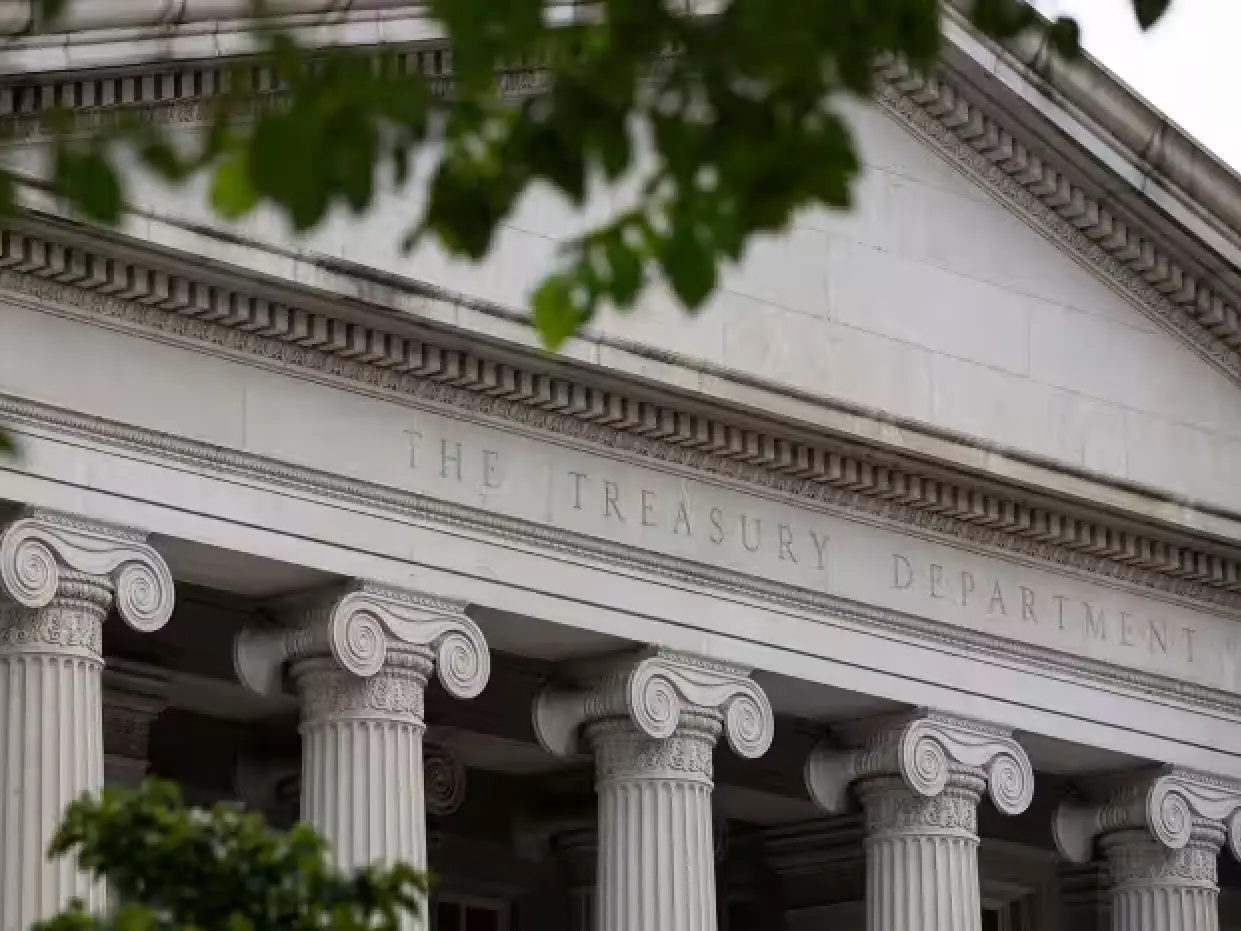
Gold futures in New York held steady on Monday as markets awaited a formal clarification from the White House over its tariff policy, after a surprise US ruling last week rattled the bullion trade. According to Bloomberg, a US government agency stunned traders by formally ruling that 100-ounce and one-kilogram gold bars would be subject to import duties, a move that sent futures prices surging to a record on Friday before erasing most of those gains. The administration later told Bloomberg it would issue a statement to address what it called “misinformation” about duties on gold and other specialty products.
Price gap between New York and London narrows
On Monday, futures were trading about $65 an ounce above the global spot benchmark, with the premium narrowing to under $60 after briefly topping $100 last week. The sudden spike in the gap between New York and London trading hubs highlighted how sensitive global bullion flows are to US trade policy.
Washington had exempted gold from tariffs back in April, and traders say the uncertainty over whether that exemption still stands is keeping the market on edge. Analysts warn that any prolonged ambiguity could disrupt the smooth functioning of US gold futures contracts.
Industry calls for stability
As quoted by Bloomberg, Joseph Cavatoni, senior market strategist for North America at the World Gold Council, said the gold market was “behaving in an orderly manner” while awaiting clarity, adding that the Council would continue monitoring developments and update its research once more information is available.
Trending Stories
)
)
)
)
)
)
)
)
)
)
)
)
)
&im=FitAndFill=(700,400))
)
)
)
)
)
)
)
)
)
)
)
)
)
)
)
)
)
)
)
)
)
)
)
&im=FitAndFill=(700,400))
)
The precious metal has gained nearly 30 per cent so far this year, with most of the rally occurring in the first four months as geopolitical tensions and trade disputes boosted demand for safe-haven assets. Prices ended Friday within about $100 of April’s all-time high.
Eyes on US inflation data
Traders are also looking to Tuesday’s US inflation print for fresh cues on interest rate policy. Bloomberg reports that economists expect core consumer prices, excluding food and energy to have risen 0.3 per cent in July, up from 0.2 per cent in June.
The Federal Reserve has resisted President Donald Trump’s calls to ease monetary policy, balancing concerns over a cooling job market with the challenge of still-elevated inflation. Lower interest rates typically benefit gold, which does not yield interest.
Spot gold eased 0.1 per cent to $3,394.13 an ounce in Singapore trade at 7:46 a.m., while the Bloomberg Dollar Spot Index slipped 0.1 per cent.Silver fell, while platinum saw slight gains.
(With inputs from the agencies)