

&imwidth=800&imheight=600&format=webp&quality=medium "Australia sounds alarm over Trump’s threat of 200% drug tariff")
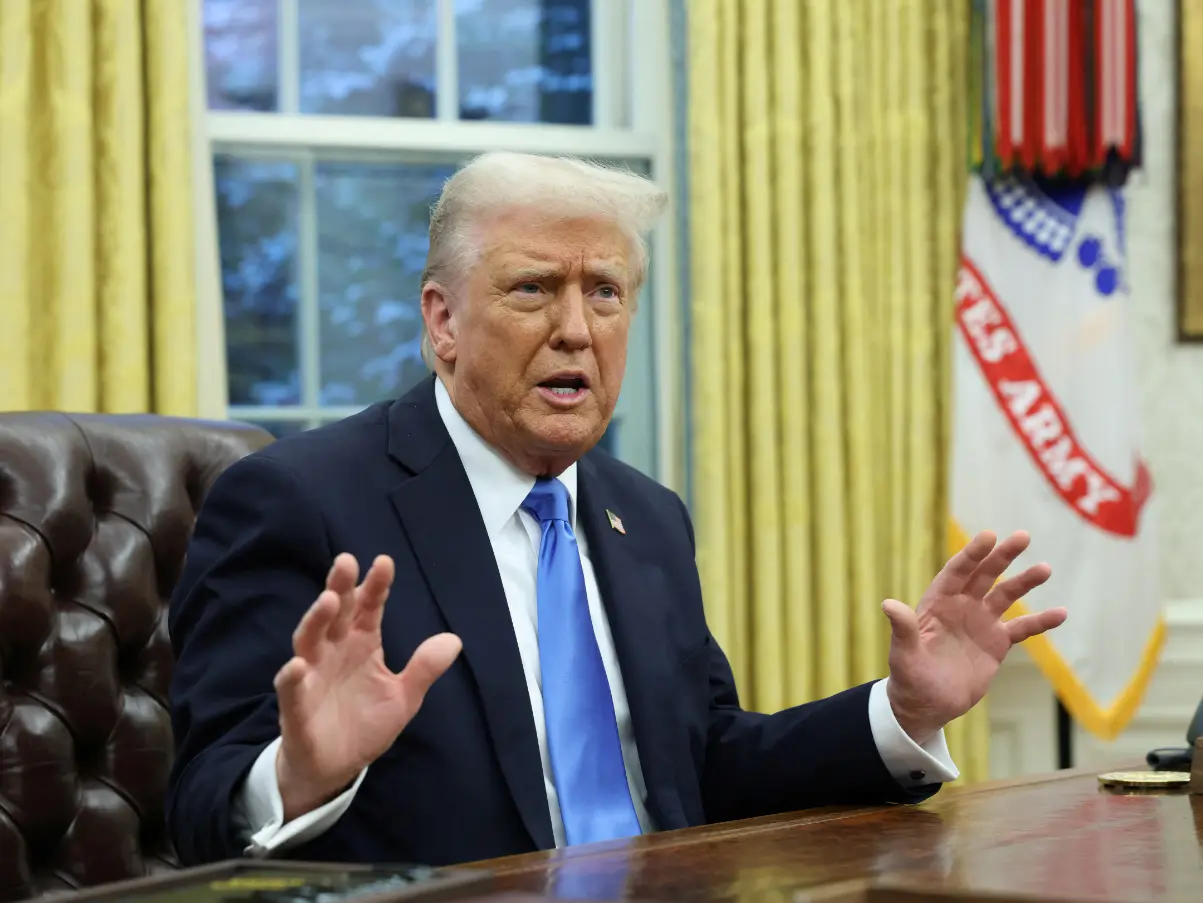
Australia has expressed urgent concern over US President Donald Trump’s threat to slap a massive 200 per cent tariff on pharmaceutical imports, warning the move could disrupt a vital trade link and drive-up medicine costs for consumers.
According to Bloomberg, Australia’s Treasurer Jim Chalmers said on Wednesday that the government was “urgently seeking” clarification from Washington about the details of the proposed tariff plan.
“These are obviously very concerning developments,” Chalmers told ABC radio. “Our pharmaceutical industry is much more exposed to the US market,” he added, underlining the alarm in Canberra over how Trump’s escalating trade campaign could hit Australia’s health sector.
Trump escalates tariff threats
Trump has been ramping up his tariff war with major trading partners this month, arguing that steep import duties will rebuild American manufacturing.
As per Bloomberg, the US president confirmed plans this week to impose a 50 per cent tariff on copper imports, an announcement that rattled metal markets worldwide. But his warning of a 200 per cent tariff on pharmaceutical imports struck an especially sharp nerve in Australia.
Trending Stories
&imwidth=180&imheight=135&format=webp&quality=medium)
Premier League: Haaland wants Manchester City to 'try to enjoy the situation and win the game'
&imwidth=180&imheight=135&format=webp&quality=medium)
'Nidal Hasan's firing-squad execution to be livestreamed', says Pentagon; first US military execution since 1961
&imwidth=180&imheight=135&format=webp&quality=medium)
Trump's naked 23-karat gold statue unveiled near European Parliament
&imwidth=180&imheight=135&format=webp&quality=medium)
‘Never-ending flow of cheap labour’: JD Vance hits back at Indian-origin Congresswoman over US green card curbs for major tech companies
&imwidth=180&imheight=135&format=webp&quality=medium)
Thai Actors Fourth Nattawat, Gemini Norawit face racism accusations from Indian fans over viral Bollywood act
&imwidth=180&imheight=135&format=webp&quality=medium)
Nigeria govt rolls out 30-day NNPC petrol discount, insists it is not a subsidy
&im=FitAndFill=(700,400)&imwidth=180&imheight=135&format=webp&quality=medium)
Fastest-growing Asian economies in 2026: Who tops the chart? Where does India rank?
&imwidth=180&imheight=135&format=webp&quality=medium)
A Love Other Than Yours: The temptation to cheat and what pushes people over the edge
&imwidth=180&imheight=135&format=webp&quality=medium)
Russia president Putin promises to 'do everything' to help settle Middle East conflict as US-Iran negotiations stall
&imwidth=180&imheight=135&format=webp&quality=medium)
‘Wait till you discover the other guy’: Rahul Gandhi takes a swipe as Musk's 'Ambani real boss of India' remark triggers X subscription cancellations
&imwidth=180&imheight=135&format=webp&quality=medium)
BTS agency HYBE announces first-ever Weverse Con Festival in India
&imwidth=180&imheight=135&format=webp&quality=medium)
Trump has a new 'enemy': Anyone who calls it 'artificial intelligence'. Here's what we wants instead
&imwidth=180&imheight=135&format=webp&quality=medium)
India at UN: Pak allows terror groups to operate from its soil
&imwidth=180&imheight=135&format=webp&quality=medium)
Air India, Air India Express increase fuel surcharge on domestic, international flights amid rising ATF costs
&imwidth=180&imheight=135&format=webp&quality=medium)
'Something truly catastrophic will happen': Former OpenAI researchers sound the alarm, claim they were fired for prioritising AI safety
&imwidth=180&imheight=135&format=webp&quality=medium)
Scientists find highly radioactive nuclear particles at Chernobyl 40 years after the disaster
&imwidth=180&imheight=135&format=webp&quality=medium)
Nana Patekar's #MeToo controversy: From Tanushree Dutta’s allegations to court ruling
&imwidth=180&imheight=135&format=webp&quality=medium)
Pakistan denies reports of PAF jets being used in attacks against Iran-backed Houthis in Yemen
&imwidth=180&imheight=135&format=webp&quality=medium)
New York ICE shooting sparks protests as Mamdani to call on Trump to halt ICE operations
&imwidth=180&imheight=135&format=webp&quality=medium)
Atlantic hurricane Isaias could make landfall as a strong Category 2 storm, tornado warnings issued
&im=FitAndFill=(700,400)&imwidth=180&imheight=135&format=webp&quality=medium)
From Kramatorsk buses to Yandex fire: Russia-Ukraine war in the last 48 hours
&imwidth=180&imheight=135&format=webp&quality=medium)
AUS vs SA: 'That's fine,' says Cummins on Khawaja's book contents about Sandpapergate
&imwidth=180&imheight=135&format=webp&quality=medium)
Who is Nana Patekar's wife Neelakanti? The bank officer who earned Rs 2,500 when he earned Rs 50
&imwidth=180&imheight=135&format=webp&quality=medium)
KATSEYE’s Sophia Laforteza to return in 2027 after hiatus, agency issues statement
&imwidth=180&imheight=135&format=webp&quality=medium)
French students light European bonfire, protests erupt in Belgium, Italy & Greece | Gravitas
&imwidth=180&imheight=135&format=webp&quality=medium)
France student protests: Over 500 arrested, govt promises 3,000 substitute teachers
&imwidth=180&imheight=135&format=webp&quality=medium)
Arizona congressional candidate claims she was sexually assaulted while repairing signs
&imwidth=180&imheight=135&format=webp&quality=medium)
New Cold War: Why is China buying more gold? Explained
&imwidth=180&imheight=135&format=webp&quality=medium)
OpenAI shuts down Russian, Iranian influence operations using ChatGPT to spread propaganda
&imwidth=180&imheight=135&format=webp&quality=medium)
'Understood consequences of a few mistakes': Ishan Kishan reflects on journey back to India team
&im=FitAndFill=(700,400)&imwidth=180&imheight=135&format=webp&quality=medium)
435 House seats, 35 Senate races: The numbers behind US midterms 2026
&imwidth=180&imheight=135&format=webp&quality=medium)
Bangladesh named as Pakistan’s replacement for Asian Hockey Champions Trophy
&imwidth=180&imheight=135&format=webp&quality=medium)
Zendaya gives The Odyssey white lace jacket a stylish twist at Paris Fashion Week 2026
&imwidth=180&imheight=135&format=webp&quality=medium)
SC asks Centre to frame mechanism against unethical pharma marketing practices
&imwidth=180&imheight=135&format=webp&quality=medium)
US suspends Microsoft, Infosys, Tata, Wipro from green card programme over alleged H-1B abuse
&imwidth=180&imheight=135&format=webp&quality=medium)
Trump honours Microsoft CEO Satya Nadella with top technology honour amid immigration scrutiny
&imwidth=180&imheight=135&format=webp&quality=medium)
Flydubai flight attack: Indian pilot Smit Machchhar to receive Israel's highest civilian bravery award for saving 174 lives
Trump has suggested he would give drug makers at least a year to shift their production to the US before enforcing the tariff, but the lack of formal detail is causing anxiety among allies.
Australia’s drug trade in the crosshairs
Australia’s exposure to the threatened pharmaceutical tariffs is far more significant than for copper. While copper sales to the US are tiny, less than 1 per cent of Australia’s total copper exports, medicines are a major export line. According to data cited by Bloomberg, Australia shipped A$2.1 billion (around $1.4 billion) worth of pharmaceutical products to the US in 2024, accounting for a hefty 38 per cent of Australia’s total overseas pharmaceutical exports.
Though this represents just 0.4 per cent of Australia’s overall goods exports, the industry is highly dependent on the US as its largest customer for medicines.
Domestic pressures and Washington’s lobbying push
The trade tensions come amid long-running friction over Australia’s Pharmaceutical Benefits Scheme (PBS), which caps the prices of almost 1,000 commonly used medicines to keep them affordable for Australians.
Bloomberg reported that some of Washington’s most influential lobbying groups have been urging the Trump administration to retaliate, accusing Australia of unfair treatment of US pharmaceutical firms. Critics point to the PBS price caps and domestic manufacturing incentives as proof that Australia is “freeloading” on American drug innovation. The Guardian newspaper this week revealed that these US industry groups are pushing for tough trade measures in response.
Canberra refuses to compromise on PBS
Facing these pressures, Treasurer Chalmers delivered a firm defence of Australia’s system. “I want to make it really clear once again, as we have on a number of occasions before, our Pharmaceutical Benefits Scheme is not something that we’re willing to trade away or do deals on,” he told ABC radio, as quoted by Bloomberg.
Chalmers insisted the PBS is a “fundamental part of health care in Australia” and said the government will not compromise on ensuring affordable access to essential medicines.
The road ahead
For Australia, Trump’s tariff threats pose a delicate diplomatic test. While Canberra has worked hard to maintain stable ties with Washington, even expanding defence and strategic cooperation in recent years, the possibility of trade war spilling into critical sectors like health care is prompting fresh unease.
As Bloomberg notes, with Trump’s tariff rhetoric showing no signs of cooling, Australia’s pharmaceutical exporters and government policymakers will be watching closely for any concrete details and preparing for what could become a bruising new front in the global trade war.