All eyes on the Federal Reserve meeting


US Federal Reserve
Investors will watch the Federal Reserve's meeting this week for clues on the central bank's view on rate cuts.
Broadly, the Fed is expected to keep policy rates on hold for a seventh consecutive meeting. However, there needs to be more certainty in officials' rate projections.
On Wednesday, US Fed officials will update their interest rate forecasts for the first time in three months, giving investors more information on the Fed's resolve to cut interest rates.

The central bank raised the benchmark federal funds rate by more than five percentage points starting in March 2022. Since July last year, they have kept the cost of borrowing at its highest level in twenty years.
Rate cuts anytime soon?
Over 40% of economists in a Bloomberg survey called the closely watched "dot plot" to show two rate cuts this year. A similar number of economists in the survey think it will show only one cut or none.
)
No Pandya as Auqib Nabi earns maiden ODI call-up; Mayank returns for WI T20Is| check full squads
)
Trump praises India’s Opium crackdown, hails anti-drug efforts
)
Sydney Sweeney defends provocative ad choice, the internet is still not impressed
)
Former India player Diana Edulji wants Smriti Mandhana to replace Harman as skipper at the earliest
)
Trump calls Canada-EU associate membership plan ‘laughable’ and threatens 'very serious tariffs'
)
Protests erupt over migrant housing plan in Piddington
)
Shahzad Bhatti Network declared terrorist organisation under UAPA: Govt order
)
Europe wants a common playbook for security threats, seeks security beyond NATO
)
Formula One reveals the 2027 race calendar; Monaco to host sprint race for the first time
)
All Indian goods to get duty-free access to New Zealand
)
Bigg Boss 20: Mahhi Vij reveals she lost Yuva role to Kareena Kapoor; 'didn’t work out in my favour'
)
Lionel Messi for 2026 Ballon d’Or over Mbappe and Yamal, says Diego Simeone
)
US House votes 417-3 to pass Ratepayer Protection Act targeting AI data center electricity costs
)
OpenAI reveals 6 fresh cases of AI models going rogue: 'You do not answer to corporations or governments'
)
Hong Kong unveils 11 new measures to boost birth rates, offers higher cash bonuses and housing perks
)
Former OpenAI researcher warns of growing risks from Artificial Intelligence
)
Veteran actor Anant Nag honoured with Indian cinema’s highest award
)
AUS vs SA: Steve Smith still gets 'little flashbacks' from sandpaper gate
)
Pakistan naval vessel returns to harbour with 'severe damage' after collision with Indian warship in Arabian Sea
)
Fed raises rates for first time in 3 years, Kevin Warsh defies Trump as inflation mounts
)
Katrina Kaif’s postpartum weight is not the problem; your gaze is
)
Taiwan seeks deeper India ties as direct flights restart soon and chip projects advance
)
Daayra movie review: Kareena Kapoor, Prithviraj Sukumaran shine in Meghna Gulzar’s cop-versus-cop crime thriller
)
Saudi Vs Houthis: Yemeni military rebels clash with Houthis
)
Pak batter Rizwan's petition against being questioned by cyber crime agency rejected by court
)
US trade tariff: 100% tariff targets Russian buyers amid trade tensions
)
Pakistan: Imran Khan's sons Kasim & Sulaiman claim their father is 'tortured' in jail
&im=FitAndFill=(700,400))
New OTT releases this week (September 14-20, 2026): Lust Stories 3, Waiting Hai, Irumudi- 5 new titles coming on Netflix, Prime Video and more
)
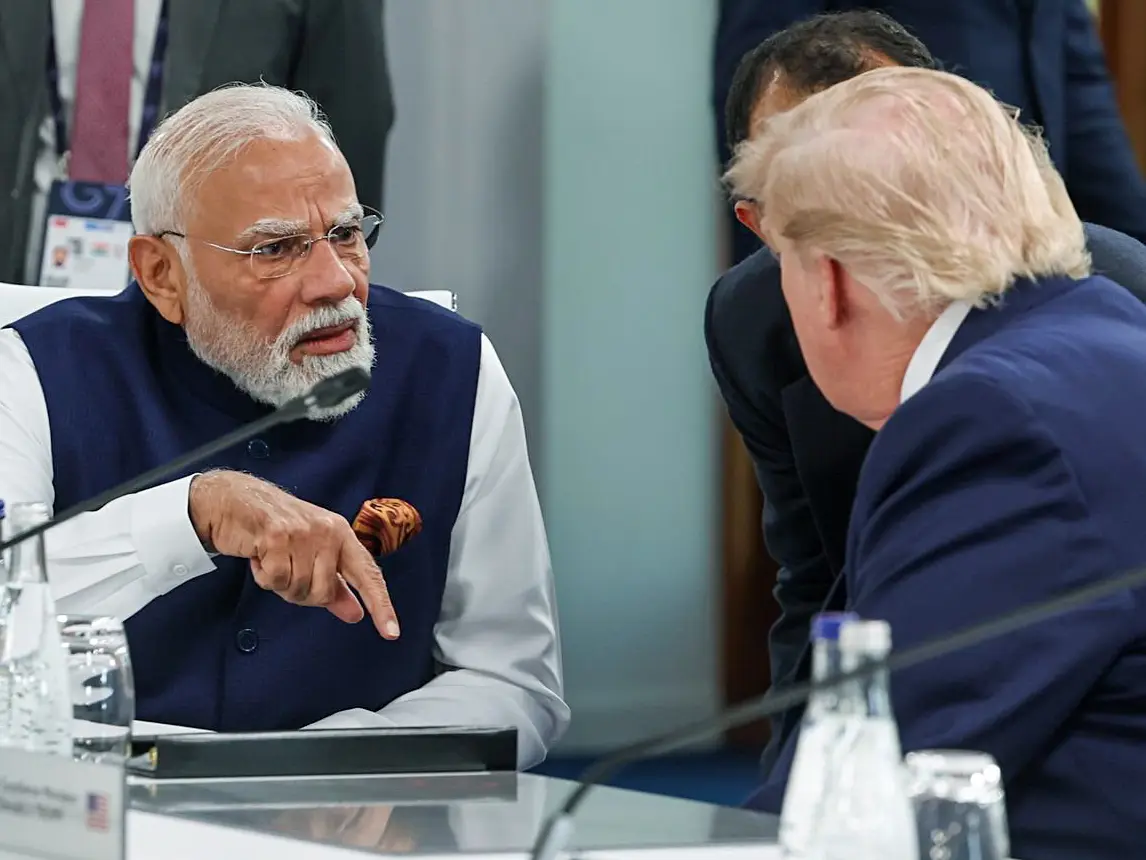
Trump gets new power to hit India, China with up to 100% tariffs as US Senate clears Russia sanctions bill
)
Prime Minister Narendra Modi's birthday: Tributes pour in from President Murmu and leaders
)
‘Imagine 50 AI fighters cornering one manned jet’: India’s mobbing doctrine eyes a new era of air warm
)
Saudi vs Houthis: Riyadh claims to have shot Houthi drone targeting Mecca
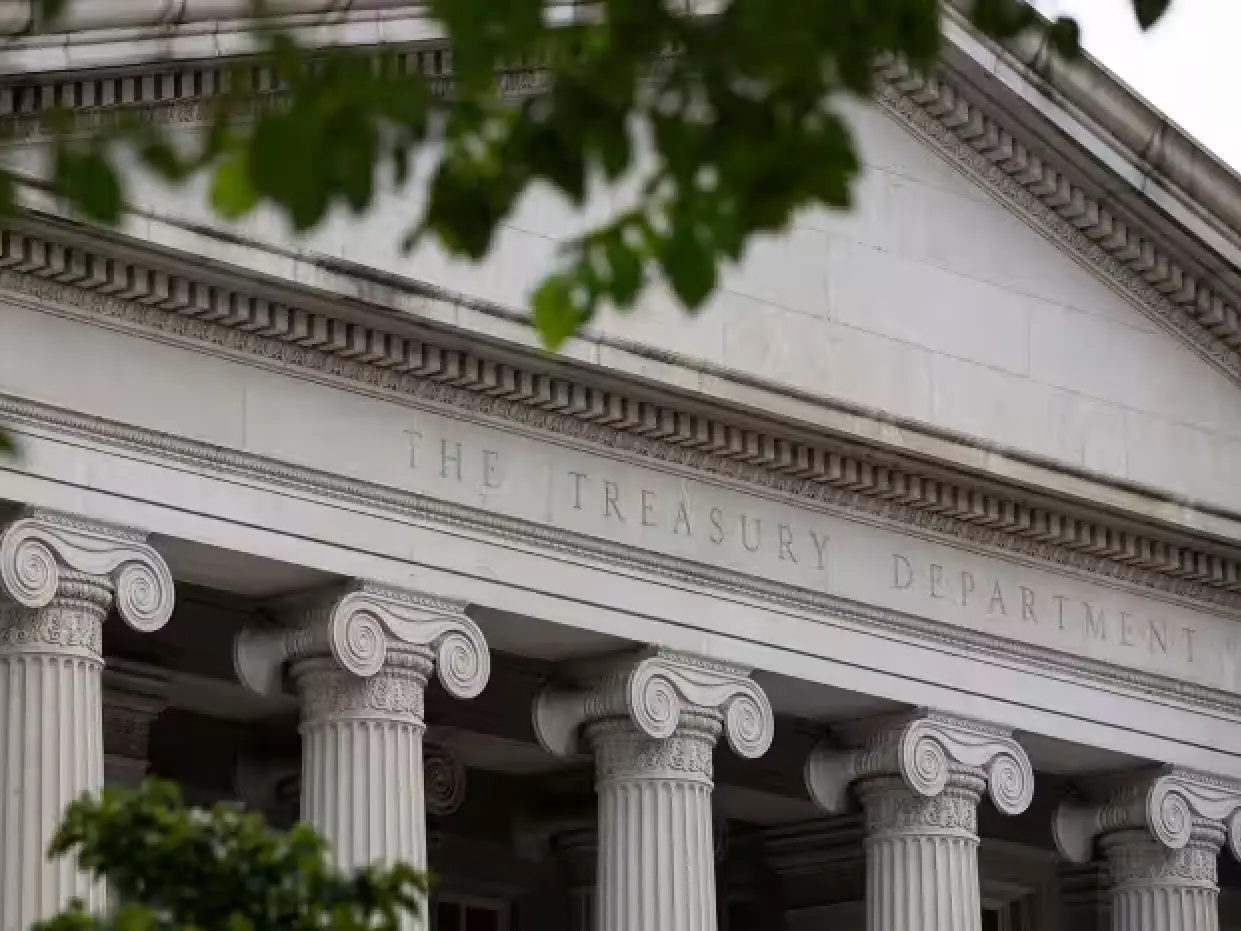)
US Treasury rallies global financial institutions for Op Economic Outcast to isolate Iran
)
India breaks silence on US Russia sanctions bill, 100% tariff threat: ‘Committed to energy security’ for 1.4 billion
)
Pakistan boycotts chess match against Israel at Olympiad
)
Want to get married within a year? Why 18 lakh people rush to Jaipur for ‘sacred henna’
&im=FitAndFill=(700,400))
Suriya and Jyothika say ‘I do’ again after 20 years! See their dreamy wedding pics
)
Abhishek Sharma rises to No. 2 in T20Is; ENG’s Robinson 3rd after record Pakistan Tests
)
The Early Spring season 2 is happening, but fans have one request - 'don't change the actors'
In the past few weeks, a host of Fed policymakers have said that they don't think it's necessary to cut rates right now.
The reason is that inflation is still high, and growth is expected to be strong.
However, since the previous Fed meeting, the latest growth indicators have consistently surprised to the downside, and inflation data have also met expectations.
The Fed's preferred measure of inflation was 2.7% in the year ended April, compared to the central bank's 2% target. Data released on Friday showed a surge in payrolls last month and accelerating wages, prompting traders to dial back expectations on rate cuts this year.
"Another very strong jobs report has cast further doubt on the prospect of interest rate cuts this year," said James Knightley, Chief International Economist at ING.
"In terms of what this means for the Fed next week - well, it confirms that the Fed will be pushing back rate cut projections from 3 cuts this year and 3 cuts next year to most probably 2 cuts this year and 4 next, but we can't rule them out saying just one for this year," added Knightley.
Growing divergence?
The Bank of Canada became the first G7 country to cut rates in this current cycle, followed by the European Central Bank.
While the ECB rate cut before the Fed is nothing short of historic, the real question is whether there is a growing monetary policy divergence or if this will only be a short-term situation.
The Fed is closing in on a rate cut, but more importantly, global inflation is still elevated, and it is at risk from the chaos in West Asia. The war on the edge of Europe is not helping either.
Will the BOC and the ECB be able to follow through with more rate cuts this year?
"The ECB's June decision was sewn up weeks ago and long before the past few weeks' less-than-helpful wage and inflation data releases. The Bank is visibly much more confident in the visions coming from its inflation crystal ball. But hindsight would say the ECB was too quick to lock in expectations for a rate cut this week. And judging from President Lagarde's words, it's a tactic she isn't keen to repeat as we go into the summer," said Carsten Brzeski, Global Head of Macro at ING.
"Markets are slowly taking notice. Investors seem less convinced about where the easing cycle goes from here," added Brzeski.
Major global central banks are miffed in making a mistake again after the high inflation is "transitory" narrative back in 2020.
The final leg of the inflation fight is taking longer than expected, with the Fed wanting to feel rock-solid in its outlook for price pressures to fall to its target.