US House approves bill that restricts Chinese EV tax credits

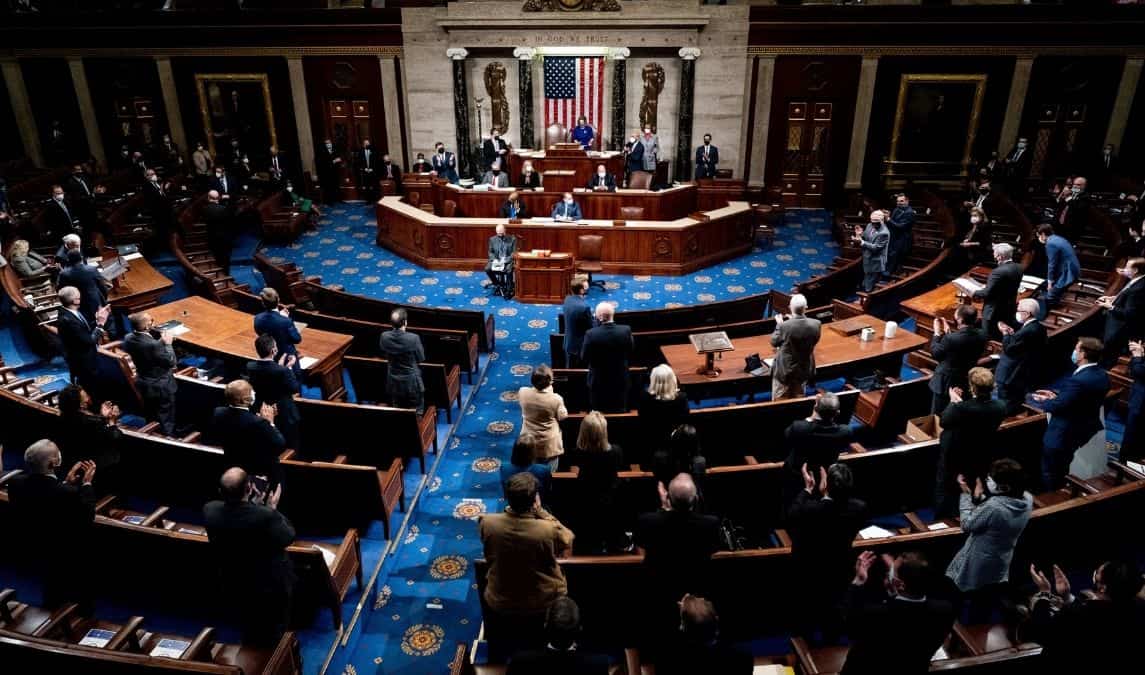
The House of Representatives - NYT
The United States House of Representatives has narrowly passed legislation aimed at strengthening regulations that limit Chinese components in vehicles eligible for U.S. electric vehicle (EV) tax credits. The bill, which was approved by a vote of 217 to 192, seeks to refine the definition of Chinese components that would disqualify vehicles from receiving these tax incentives. However, it's important to note that this legislation has not yet been considered by the Senate.
This move has sparked concern within the automotive industry. The Alliance for Automotive Innovation, a group representing major car manufacturers such as General Motors, Toyota Motor, Volkswagen, and Hyundai, has expressed apprehension about the potential consequences of this bill. They argue that it would likely result in fewer vehicles qualifying for the tax credits, which could necessitate a rollback of aggressive emissions standards and EV adoption targets.
John Bozzella, CEO of the automaker group, emphasised the interconnectedness of these policies. He pointed out that current vehicle emissions and EV targets were partly based on the availability of EV tax credits. Bozzella warned that if these incentives are eliminated, it could pose "a serious economic and national security risk from China," potentially making the U.S. less competitive and disadvantaging consumers.

The legislation, sponsored by Representative Carol Miller, aims to tighten the definition of a "Foreign Entity of Concern," a designation that applies to China and other countries. Miller stated that the bill's purpose is to "ensure that Chinese companies can no longer benefit from electric vehicles tax credits meant for U.S. manufacturers."
This legislative effort is part of a broader strategy, initiated by an August 2022 law, to reduce the U.S. electric vehicle battery supply chain's dependence on China.The U.S. Treasury and the Chinese Embassy in Washington have not yet commentedon this development.
The EV tax credit landscape is already quite limited. Out of 113 EV or plug-in hybrid models available for sale in the United States, only 22 are eligible for the EV tax credit, with just 13 models qualifying for the full USD7,500 credit, according to Bozzella.
)
Justice eludes Air India 1985 bombing victims as Canada probe goes 'inactive' | Gravitas
)
Trump revives India-Middle East-Europe economic corridor as India emerges central to West Asia’s future: What is it?
)
Erdogan again raises Kashmir issue at UNGA, calls for dialogue under UN Charter
)
Major League Soccer referee sacked for sexist comment about female match referee
)
Trump signs Greenland security deal with Denmark, paving way for two new US military bases
)
IND vs JPN T20I: How an overturned wide became point of difference between India's win and a tie
)
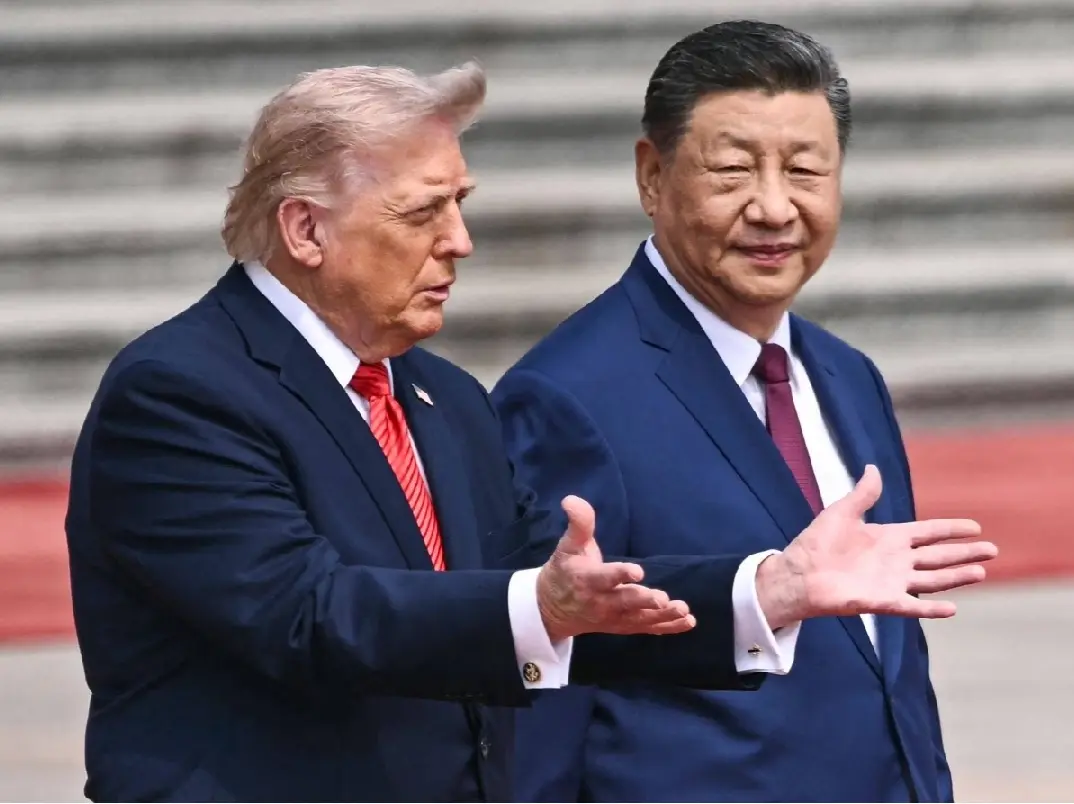
Trump-Xi summit: From trade to Taiwan, what will the US and Chinese presidents discuss in Washington?
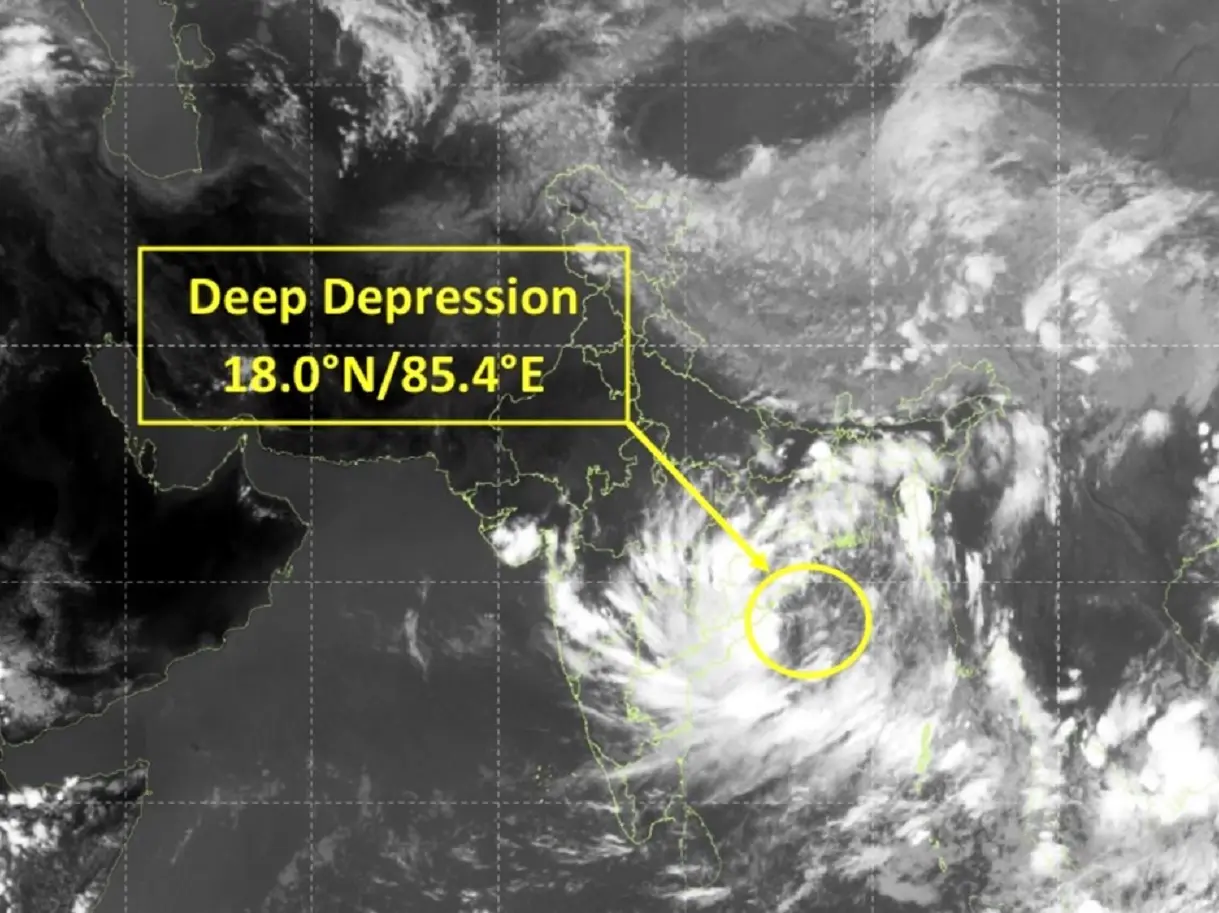)
Cyclone Arnab: Landfall expected before midnight tomorrow as IMD issues orange alerts across six states
)
ICC plans T20I expansion and fewer ODIs in 2027–2031 FTP cycle: Report
)
US-China tech war: Businesses in the front line
)
Gravitas | Boosting NHS productivity could save 20,600 lives in UK annually: Report
)
Nor'easter could batter 13 US states this week. What you should know
)
WION Iconic Tourism Summit: Seychelles envoy says India partnership is important for Seychelles
)
US and China vie for AI dominance as calls grow for regulation | Gravitas
)
Yemen clashes kill 154 people in two days as cornered Saudi battles Houthi offensive | Gravitas
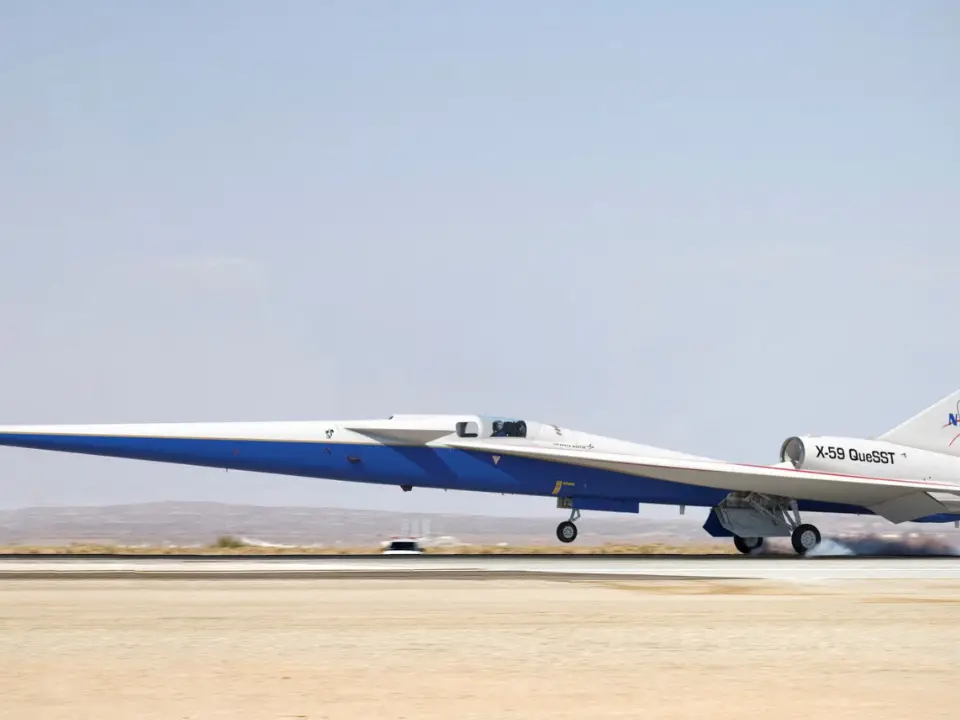)
China to test supersonic jet that moves at Mach 2, double the speed of sound
)
Bomb scare in New York amid UNGA: Suspicious suitcase found near UN headquarters
)
IND vs JPN, one-off T20I: Japan captain Kendel on pushing India to the brink - ‘It was special’
)
Mikel Arteta verbally agrees to three-year extension with Arsenal after title-winning Premier League season
)
WION Iconic Tourism Summit and Awards 2026: Key voices to discuss India’s tourism future
)
WION Iconic Tourism Summit and Iconic Awards 2026: India's travel economy leaders gather in Delhi
&im=FitAndFill=(700,400))
New OTT releases this week (September 21-27, 2026): Shaque: Trust No One, Hunkkaar, Don’t Be Shy- 5 new titles coming to Netflix, Prime Video and more
)
81st UN General Assembly: Burnham announces UK-US AI defence tie-up
)
Trump calls on nations to quit ‘rogue’ and ‘out-of-control’ International Criminal Court, rips UN
)
Infections transmitted from pregnant woman linked to autism risk
)
'What kind of confession is this?': Pakistan PM Shehbaz Sharif’s 'terrorists would be roaming New York' remark goes viral, raises alarm online. Watch
)
Elephants hide behind trees, stage surprise attack on poachers targeting rhinos in South Africa
)
IIT Bombay professor Suryanarayana Doolla sent on leave amid Sahil Wakode death probe
&im=FitAndFill=(700,400))
National Film Awards 2026: Kartik Aaryan, Mammootty, Yami Gautam, Randeep Hooda and other key winners
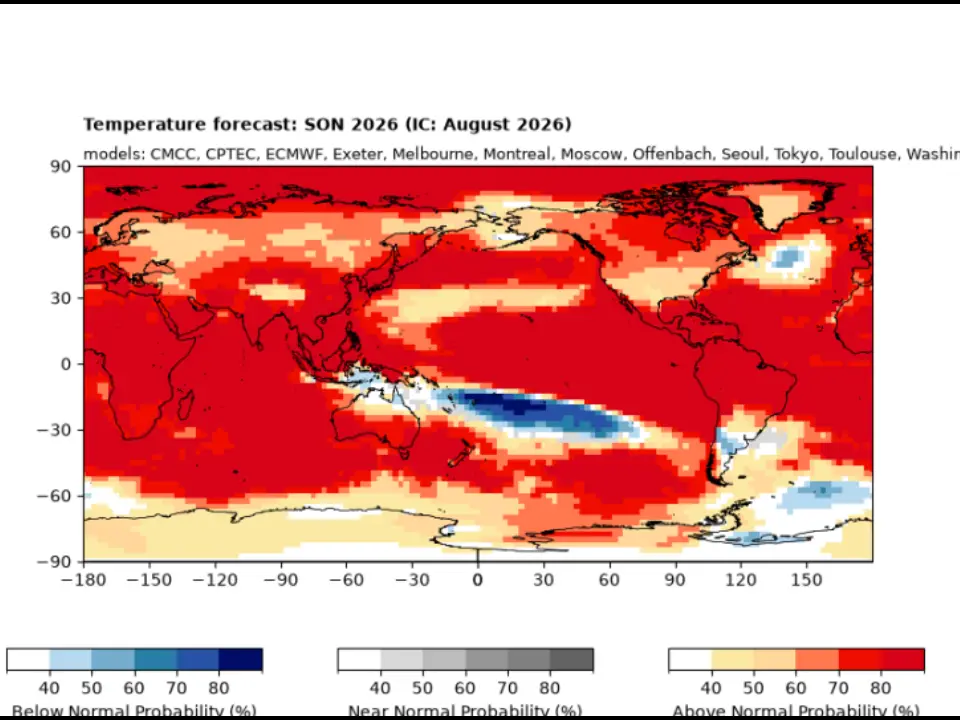)
El Niño 2026 heats up to become strongest in 1,000 years
)
Anne Hathaway to run in supporting race for Nolan's epic
)
Over 4,200 books withdrawn from circulation in J&K colleges, 94% from Kashmir
)
From Gaddafi tearing up UN Charter to Trump’s ‘escalatorgate’: Most unforgettable UNGA moments
)
Explainer: Why rare-earth export licences and Board of Trade are US priorities ahead of Trump-Xi summit
)
Asia prepares for record El Nino, food shock
)
Forget apps: Qualcomm CEO says AI agents will change how we use smartphones
)
Four female students raped during 'Red Zone' at California university. What we know
In May, the U.S. Treasury provided some flexibility to automakers regarding battery mineral requirements for EV tax credits, particularly concerning certain trace minerals from China, such as graphite. The department extended the deadline to 2027 for automakers to eliminate some hard-to-trace minerals like graphite in anode materials and critical minerals in electrolyte salts, binders, and additives.
This legislation reflects the ongoing tension between promoting domestic EV production and managing international supply chains, particularly concerning China. It highlightsthe complex interplay between environmental goals, economic interests, and national security concerns in the rapidly evolving electric vehicle sector. As this bill moves forward in the legislative process, it will likely continue to be a subject of debate among policymakers, industry leaders, and environmental advocates.