Tesla implements 4% wage increase at German Gigafactory

Tesla
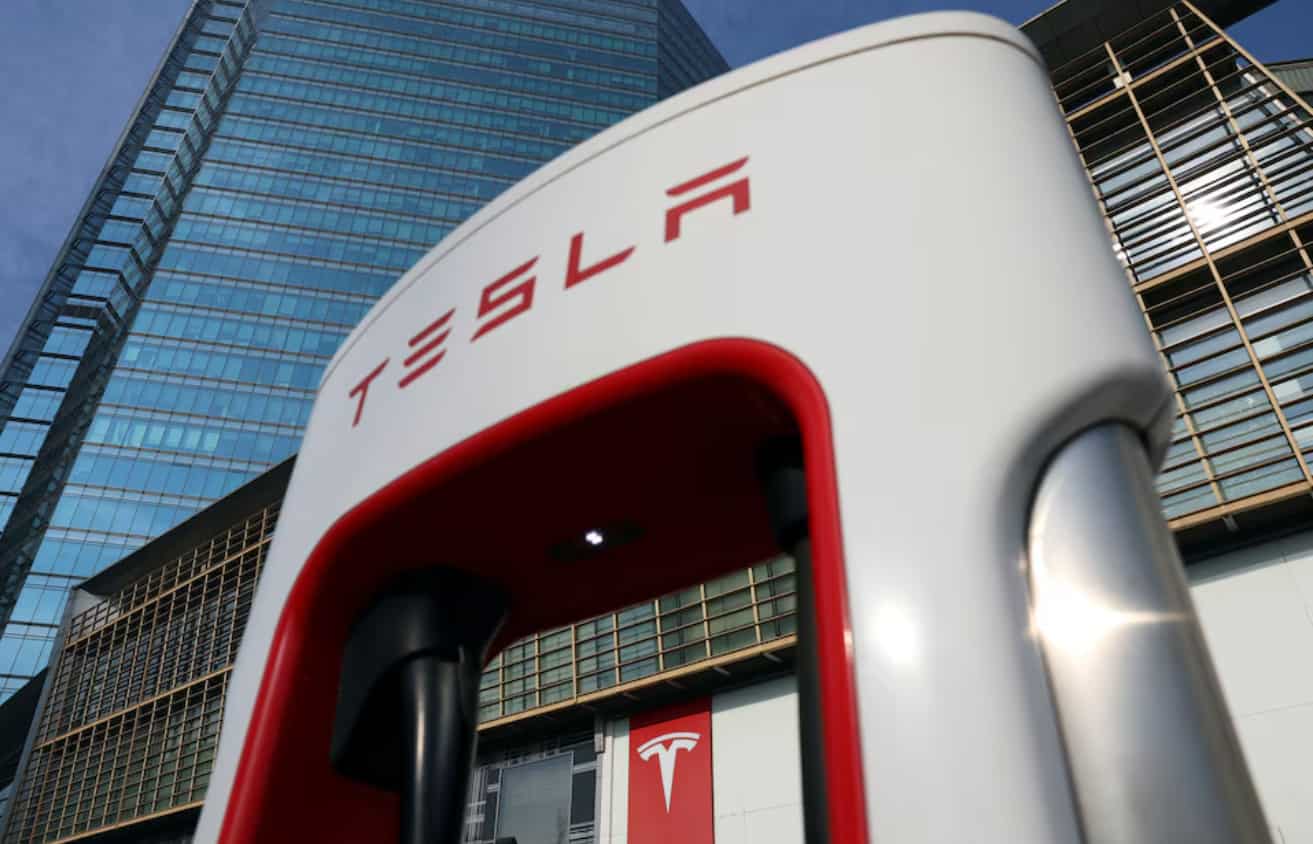
Tesla has announced a 4% wage increase for all employees at its Grünheide gigafactory near Berlin, effective November 2023. The wage hike comes as a contrast to the broader German automotive industry's trend of cost reduction and workforce downsizing.
The salary increase follows Tesla's October announcement to convert 500 temporary positions into permanent roles at the facility, which currently employs approximately 12,000 workers. The company implemented these changes without involvement from IG Metall, the prominent German labour union that has previously voiced concerns about working conditions at the plant.
Tesla's Human Resources Director Erik Demmler emphasised the significance of the wage increase against the current industry backdrop. "This is further particularly welcome news for our workforce - especially at a time when many companies in the German automotive industry are talking about job cuts and plant closures," Demmler stated.

The Grünheide facility, Tesla's sole European gigafactory, has experienced its own fluctuations in workforce management this year. Earlier in 2023, the company implemented voluntary staff reductions and chose not to renew certain subcontractor agreements as part of a global cost-optimization strategy.
The wage increase announcement gains additional significance when viewed against the current state of the German automotive sector. Volkswagen, Europe's largest automaker, has recently launched a comprehensive cost-cutting program that includes requesting a 10% salary reduction from its workforce to maintain competitiveness and preserve jobs.
Tesla's decision to raise wages represents a notable divergence from the industry trend. While traditional German automakers grapple with the challenges of transitioning to electric vehicle production while maintaining profitability, Tesla's move suggests confidence in its German operations despite previous workforce adjustments.
&imwidth=180&imheight=135&format=webp&quality=medium)
'Nidal Hasan's firing-squad execution to be livestreamed', says Pentagon; first US military execution since 1961
&imwidth=180&imheight=135&format=webp&quality=medium)
Trump's naked 23-karat gold statue unveiled near European Parliament
&imwidth=180&imheight=135&format=webp&quality=medium)
Musk doubles down on Starlink India licence allegations; Rahul Gandhi says ‘wait till...’
&imwidth=180&imheight=135&format=webp&quality=medium)
Thai Actors Fourth Nattawat, Gemini Norawit face racism accusations from Indian fans over viral Bollywood act
&imwidth=180&imheight=135&format=webp&quality=medium)
Nigeria govt rolls out 30-day NNPC petrol discount, insists it is not a subsidy
&imwidth=180&imheight=135&format=webp&quality=medium)
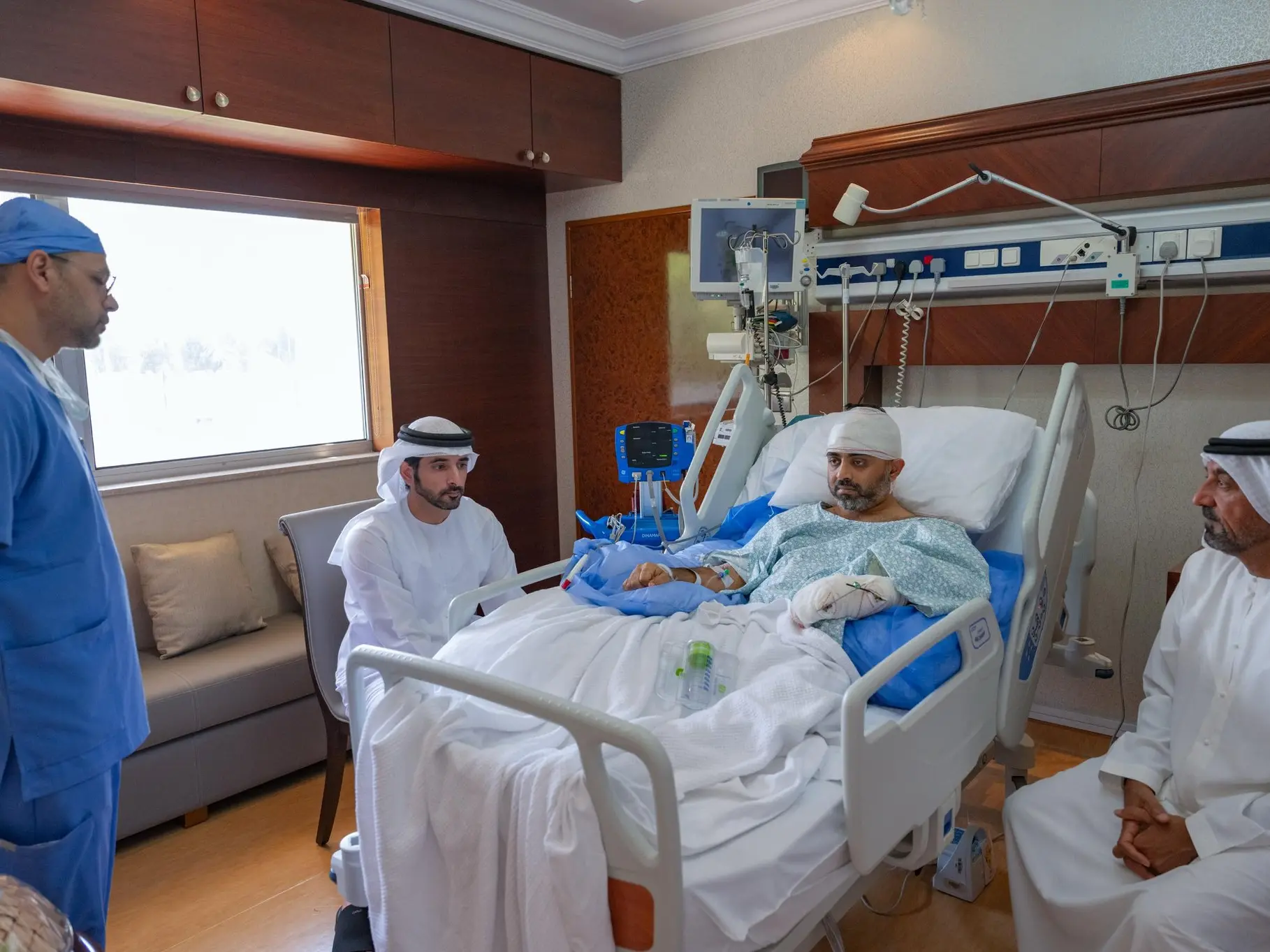
Captain Smit Machchhar on feet again, walks 10 steps as recovery continues after Flydubai flight attack
&imwidth=180&imheight=135&format=webp&quality=medium)
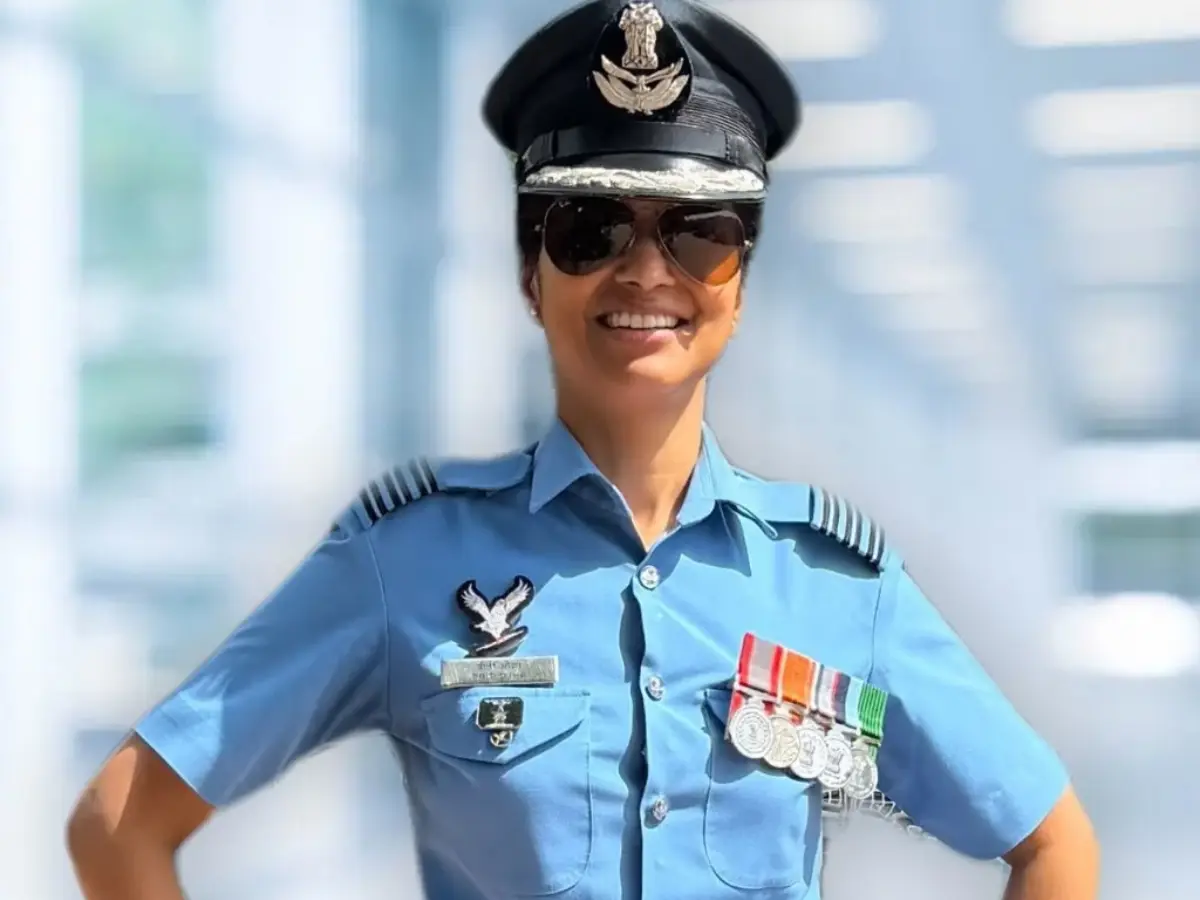
‘Battlespace has expanded’: Wg Cdr Priti Ojha (Retd) reflects on changing face of air power on IAF Day
&imwidth=180&imheight=135&format=webp&quality=medium)
24-year-old Sri Lankan man sentenced to death for blasphemy in Saudi Arabia
&imwidth=180&imheight=135&format=webp&quality=medium)
A Love Other Than Yours: The temptation to cheat and what pushes people over the edge
&imwidth=180&imheight=135&format=webp&quality=medium)
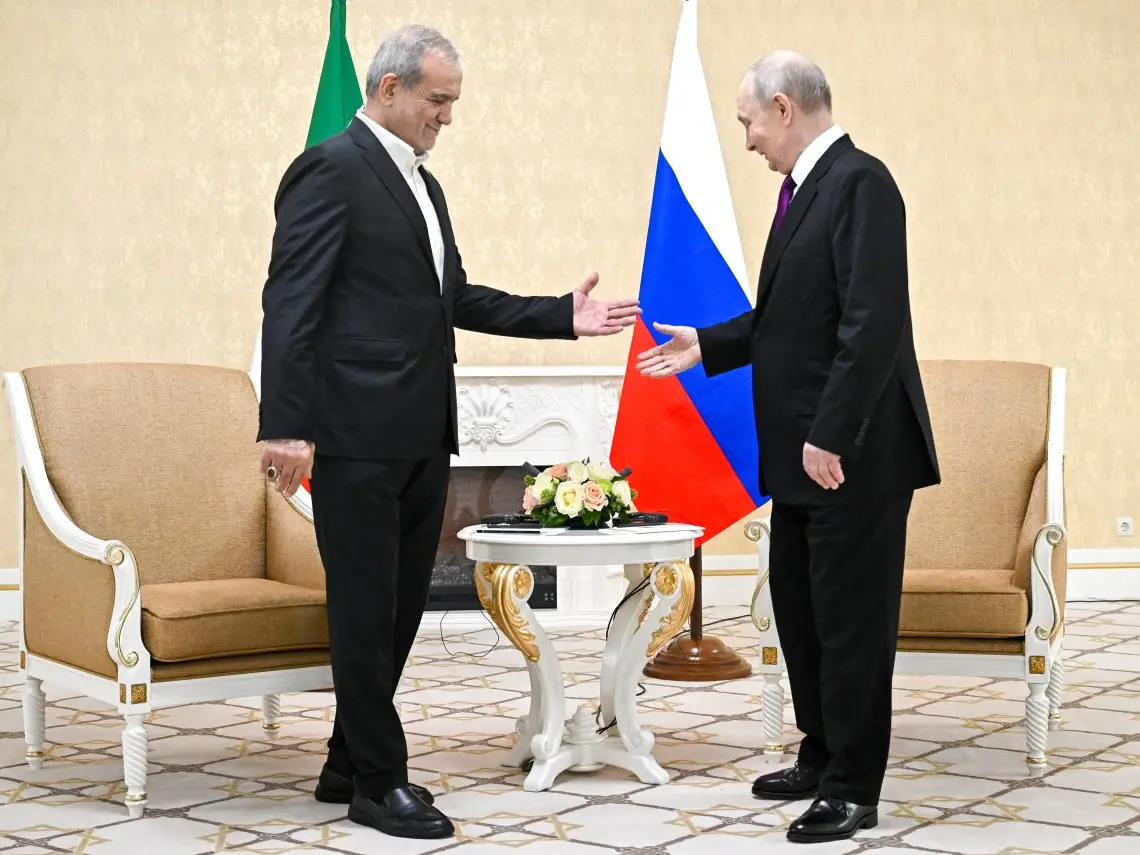
Russia president Putin promises to 'do everything' to help settle Middle East conflict as US-Iran negotiations stall
&imwidth=180&imheight=135&format=webp&quality=medium)
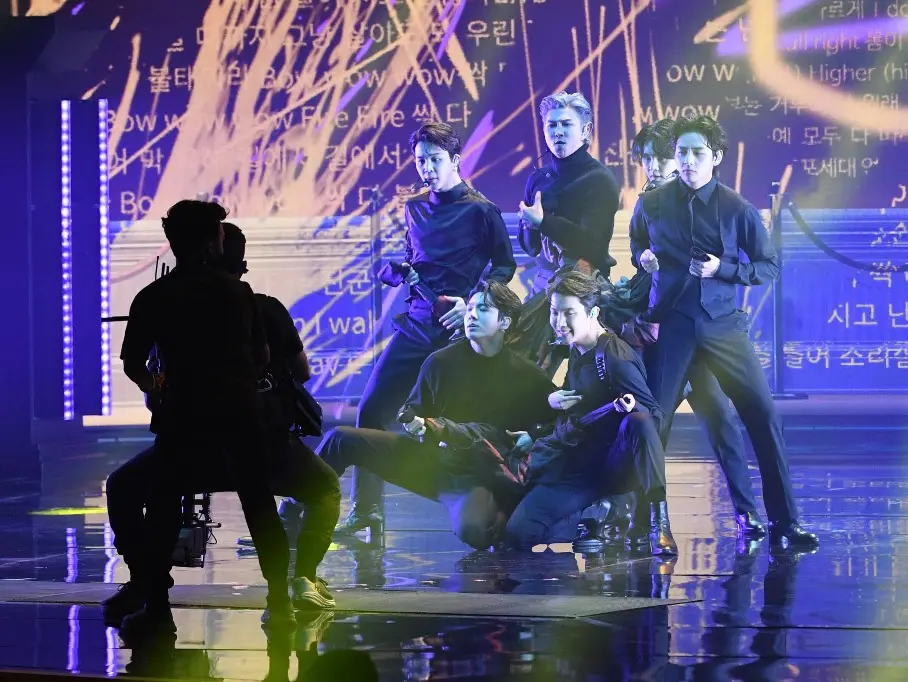
BTS agency HYBE announces first-ever Weverse Con Festival in India
&imwidth=180&imheight=135&format=webp&quality=medium)
Trump has a new 'enemy': Anyone who calls it 'artificial intelligence'. Here's what we wants instead
&imwidth=180&imheight=135&format=webp&quality=medium)
Paxton in leaked audio says Trump hurting his election chances
&imwidth=180&imheight=135&format=webp&quality=medium)
India at UN: Pak allows terror groups to operate from its soil
&imwidth=180&imheight=135&format=webp&quality=medium)
Air India, Air India Express increase fuel surcharge on domestic, international flights amid rising ATF costs
&im=FitAndFill=(700,400)&imwidth=180&imheight=135&format=webp&quality=medium)
Nana Patekar’s upcoming big-screen films: From Shakti Shalini to Eetha
&imwidth=180&imheight=135&format=webp&quality=medium)
Nobel Peace Prize 2026: Trump to Carney, who are the top contenders? Why the ISS is a surprise contender
&imwidth=180&imheight=135&format=webp&quality=medium)
42 ex-judges write open letter, express concern over allegations against Election Commission
&im=FitAndFill=(700,400)&imwidth=180&imheight=135&format=webp&quality=medium)
US midterms 2026: 10 leaders and candidates to watch in the battle for Congress
&im=FitAndFill=(700,400)&imwidth=180&imheight=135&format=webp&quality=medium)
From Kramatorsk buses to Yandex fire: Russia-Ukraine war in the last 48 hours
&imwidth=180&imheight=135&format=webp&quality=medium)
Pakistan denies reports of PAF jets being used in attacks against Iran-backed Houthis in Yemen
&imwidth=180&imheight=135&format=webp&quality=medium)
New York ICE shooting sparks protests as Mamdani to call on Trump to halt ICE operations
&imwidth=180&imheight=135&format=webp&quality=medium)
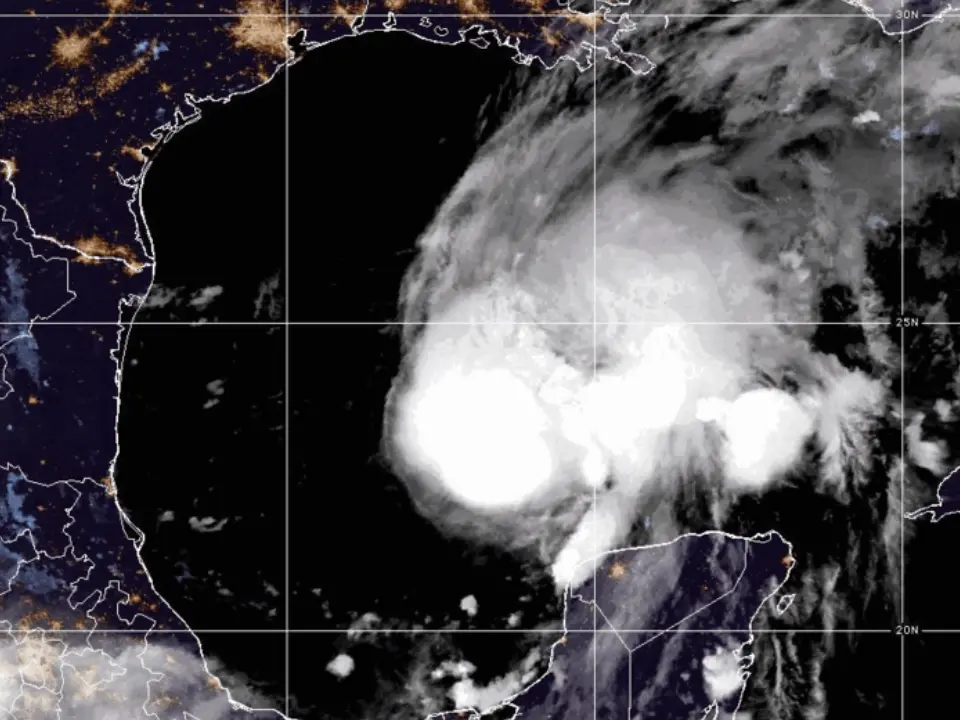
Atlantic hurricane Isaias could make landfall as a strong Category 2 storm, tornado warnings issued
&imwidth=180&imheight=135&format=webp&quality=medium)
Nana Patekar's #MeToo controversy: From Tanushree Dutta’s allegations to court ruling
&imwidth=180&imheight=135&format=webp&quality=medium)
Who is Nana Patekar's wife Neelakanti? The bank officer who earned Rs 2,500 when he earned Rs 50
&imwidth=180&imheight=135&format=webp&quality=medium)
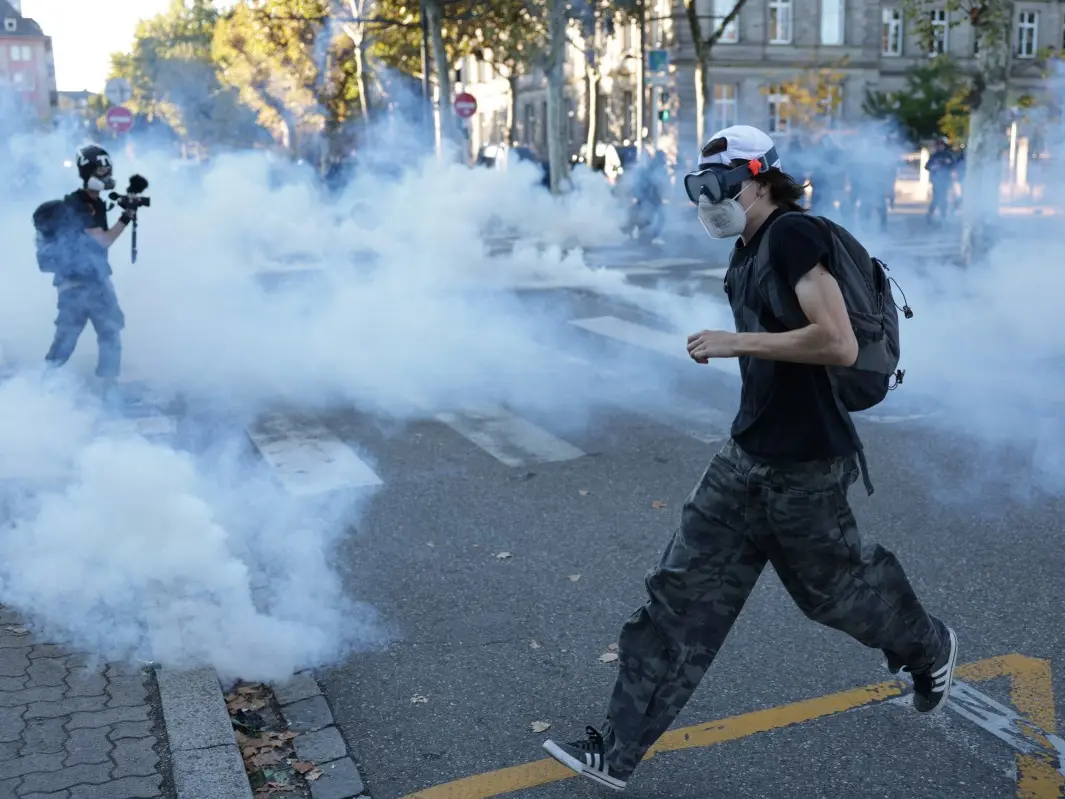
France student protests: Over 500 arrested, govt promises 3,000 substitute teachers
&imwidth=180&imheight=135&format=webp&quality=medium)
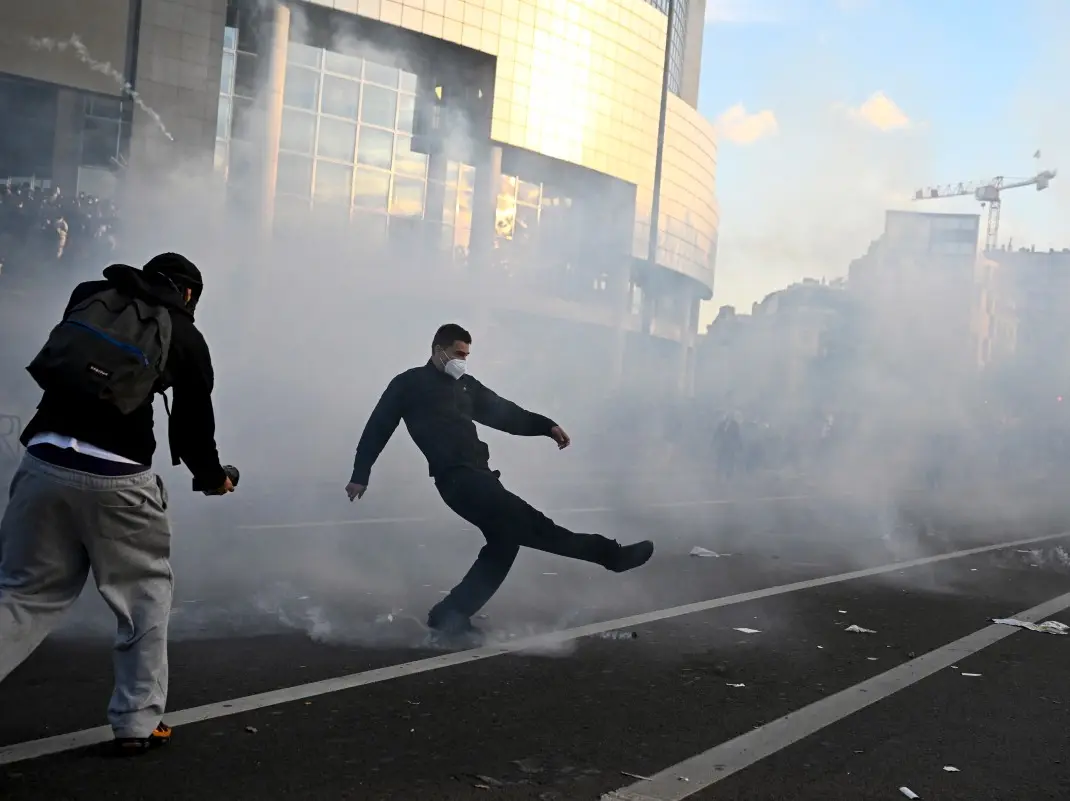
French students light European bonfire, protests erupt in Belgium, Italy & Greece | Gravitas
&imwidth=180&imheight=135&format=webp&quality=medium)
Arizona congressional candidate claims she was sexually assaulted while repairing signs
&imwidth=180&imheight=135&format=webp&quality=medium)
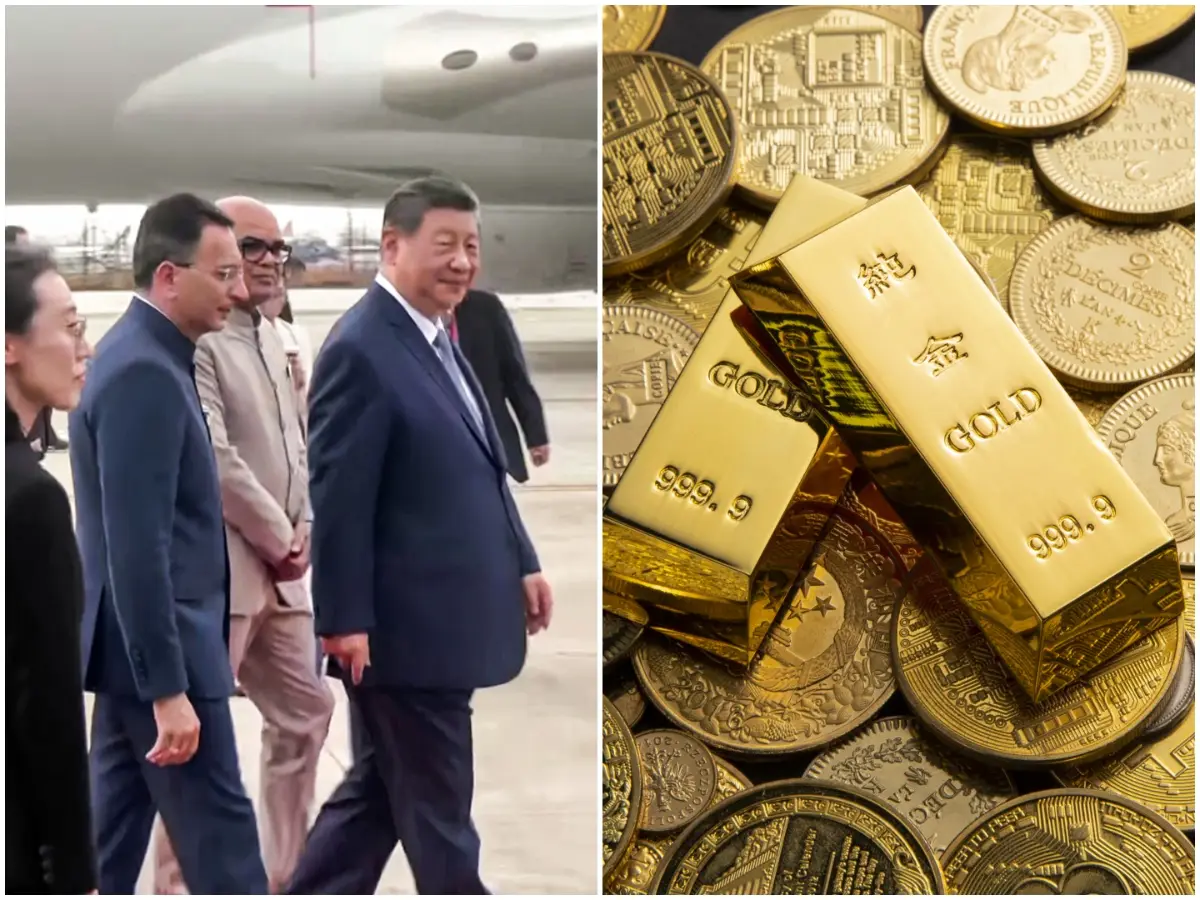
New Cold War: Why is China buying more gold? Explained
&imwidth=180&imheight=135&format=webp&quality=medium)
'Understood consequences of a few mistakes': Ishan Kishan reflects on journey back to India team
&imwidth=180&imheight=135&format=webp&quality=medium)
Sri Lankan Tamil worker gets death sentence in Saudi Arabia over blasphemy, calls for pardon intensify
&imwidth=180&imheight=135&format=webp&quality=medium)
Zendaya gives The Odyssey white lace jacket a stylish twist at Paris Fashion Week 2026
&imwidth=180&imheight=135&format=webp&quality=medium)
SC asks Centre to frame mechanism against unethical pharma marketing practices
&imwidth=180&imheight=135&format=webp&quality=medium)
US suspends Microsoft, Infosys, Tata, Wipro from green card programme over alleged H-1B abuse
&imwidth=180&imheight=135&format=webp&quality=medium)
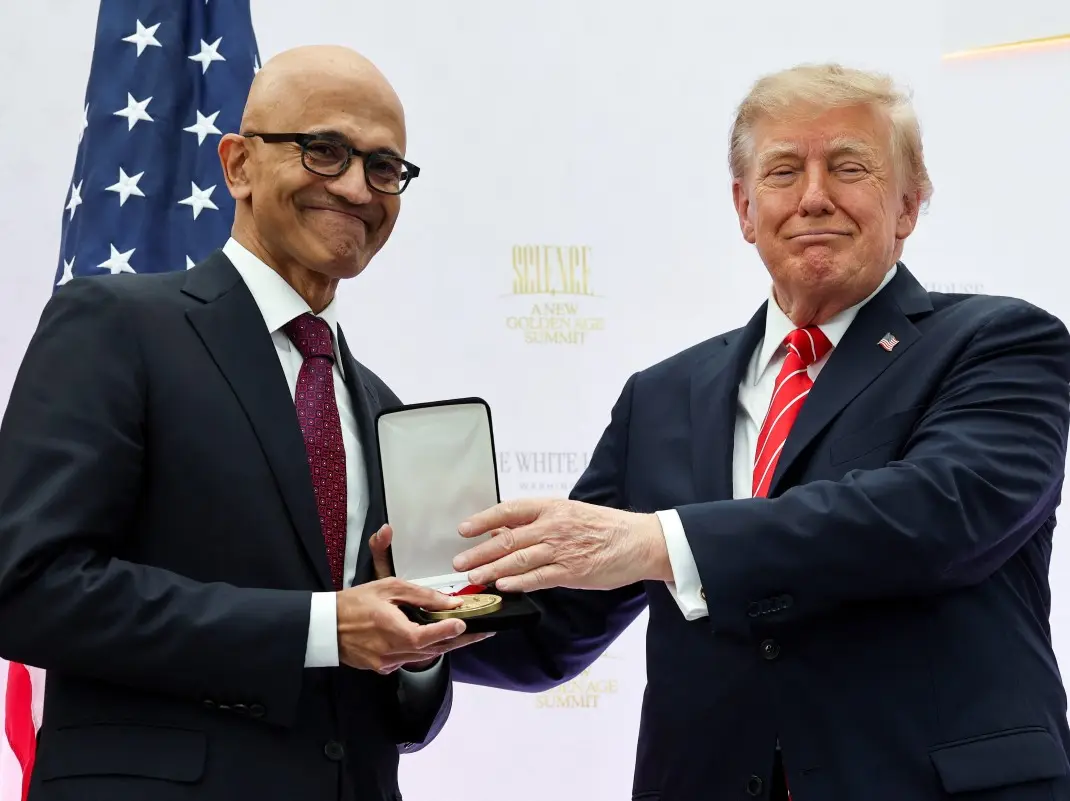
Trump honours Microsoft CEO Satya Nadella with top technology honour amid immigration scrutiny
&imwidth=180&imheight=135&format=webp&quality=medium)
Flydubai flight attack: Indian pilot Smit Machchhar to receive Israel's highest civilian bravery award for saving 174 lives
The wage increase also comes at a crucial time for the German automotive industry, which is facing multiple challenges including the transition to electric vehicles, supply chain pressures, and increasing global competition. Tesla's ability to implement wage increases while others in the sector are reducing costs highlights the varying strategies different manufacturers are employing to navigate the current market environment.
The development may have implications for labour relations in the German automotive sector. While Tesla implemented the wage increase independently of union involvement, it demonstrates the company's willingness to improve compensation despite previous tensions with IG Metall over working conditions at the Grünheide facility.
This wage adjustment could influence labour expectations across the German automotive industry, particularly as traditional manufacturers implement cost-cutting measures. The contrasting approaches between Tesla and established German automakers underscore the different financial positions and strategic priorities within the sector.
The 4% increase also reflects Tesla's commitment to its European manufacturing presence, despite earlier workforce optimisations. As the company's only European gigafactory, the Grünheide facility plays a crucial role in Tesla's global production network and its strategy to expand in the European market.
The development suggests that Tesla is balancing its global cost-optimization efforts with the need to maintain a stable and motivated workforce at its key European facility, even as the broader German automotive industry faces significant structural changes and economic pressures.

