Tesla faces second lawsuit in Sweden over alleged labour law violations

labour law violations
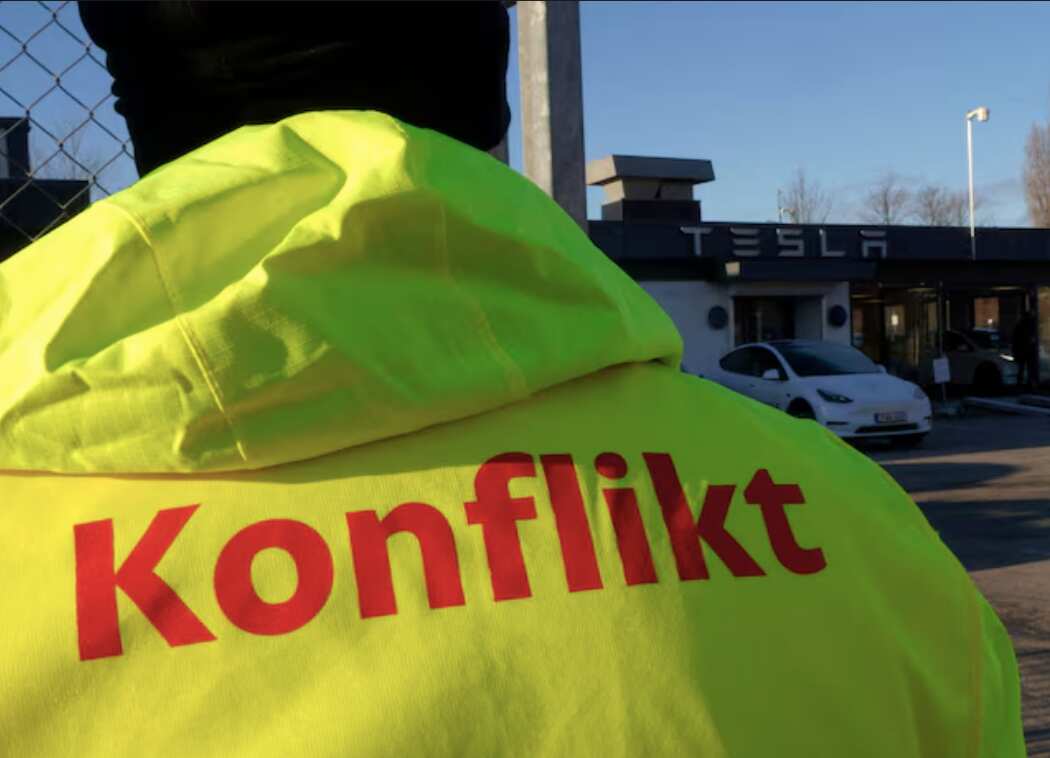
Trade union IF Metall has filed a second lawsuit against electric vehicle manufacturer Tesla, alleging violations of the country's labour laws. The legal action, confirmed by union officials on Thursday, centres on Tesla's alleged failure to inform employee representatives about significant workplace changes, a requirement mandated under Swedish labour regulations.
This latest legal challenge marks a significant development in the year-long conflict between the American automaker and Swedish labour organisations. The dispute's core issue remains Tesla's steadfast refusal to sign a collective bargaining agreement, which would enable IF Metall to negotiate wages and working conditions on behalf of Tesla employees in Sweden.
According to media reports, the specific complaint focuses on Tesla's reorganisation of its branch in Umea, a city in northern Sweden. IF Metall contends that Tesla eliminated its entire sales organisation in the location and outsourced various operations without proper notification to the union, actions that allegedly violate Sweden's Co-Determination Act.

The conflict's origins trace back to October 2023, when Tesla mechanics initiated a strike action. The dispute rapidly expanded as more than a dozen unions announced sympathy actions in solidarity with IF Metall. This coordinated labour response has involved various sectors, including dockworkers, electricians, maintenance crews, and cleaners, significantly impacting Tesla's operations in Sweden.
Tesla's Umea service centre has been particularly affected by the strike, with union officials reporting it as having one of the highest numbers of striking workers among Tesla's Swedish facilities. Notably, while mechanics and other workers joined the strike, sales staff did not participate in the industrial action.
The automotive giant, led by billionaire Elon Musk, has maintained its position throughout the dispute, asserting that it offers employment terms that are equivalent to or better than those demanded by the union. Despite the ongoing conflict, Tesla has managed to continue its operations and has even reported an increase in its Swedish market share, partly achieved through the employment of non-union workers.
)
Three labourers killed as DU student loses control of his car, rams into them on Dwarka Expressway
)
Pentagon revives mandatory testosterone testing for male troops aged 30 and above
)
FACT CHECK: Why did PM Modi ask Xi ‘is it okay’ at BRICS Summit? New video reveals...
)
India seeks to build a full semiconductor supply chain
&im=FitAndFill=(700,400))
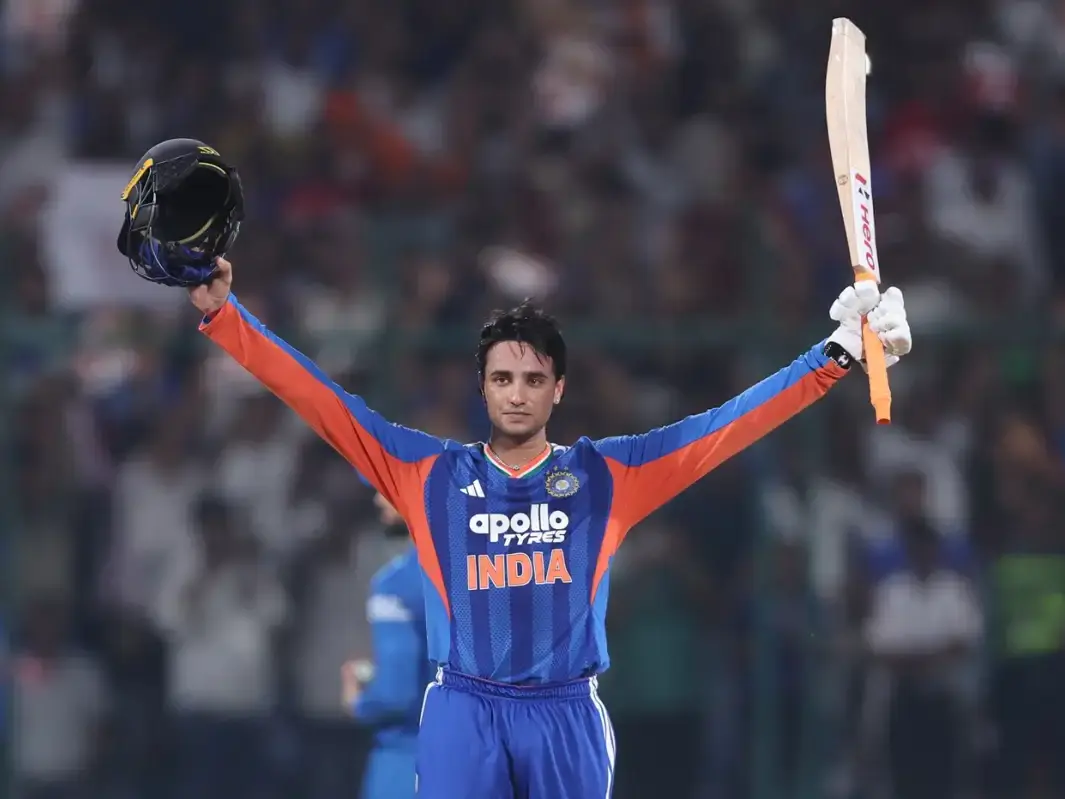
From Abhishek Sharma to Sahil Chauhan, 5 batters with fastest T20I hundreds
)
Indian activist-lawyer Prashant Bhushan's post brings focus on ‘conflict of interest’ appointments of ex-govt officials at Reliance, Adani groups
)
US And Denmark reach Greenland deal, Trump announces expanded military presence
)
Former India player Diana Edulji wants Smriti Mandhana to replace Harman as skipper at the earliest
)
China may have gained access to US's classified F-35 jets; parts meant for repairs diverted to Hong Kong, sparking Pentagon inquiry
&im=FitAndFill=(700,400))
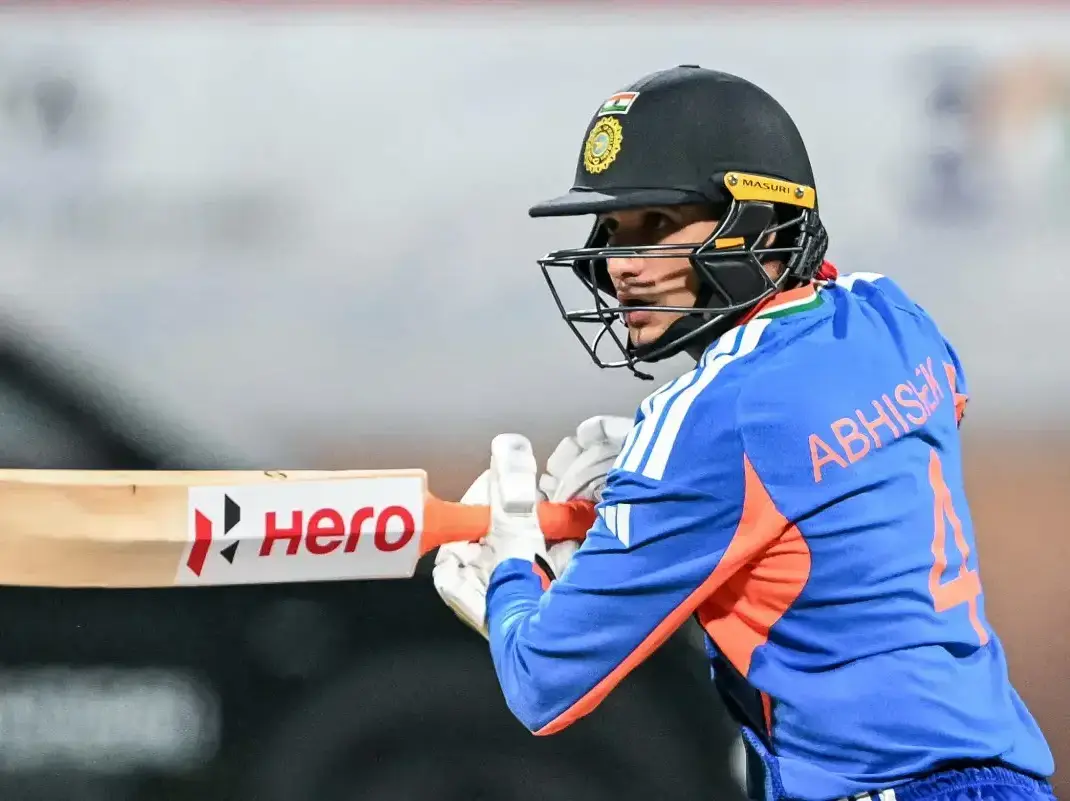
Meet top 5 batters in the latest ICC T20I Rankings
)
Godfather of AI Geoffrey Hinton gives US lawmakers a one-year warning on AI
)
Shivakumar attends 79th Kalyana Karnataka Utsav in Kalaburagi
)
Trump signs Russia sanctions law: India faces fresh 100% tariff threat over Russian oil
)
Why Ranveer Singh’s Dhurandhar missed India’s Oscar entry; FFI jury member reveals what happened
)
How did an Australian river with 500 crocodiles pass the Olympic test? Here's how
)
‘Will go to any extent’: Pakistan vows to defend Saudi Arabia amid Houthi attacks
)
The Verdict | When precision fails: US commits war crime in Minab school strike, UN finds
)
Trump signs Russia sanctions bill into law, targets Moscow’s energy sector
&im=FitAndFill=(700,400))
New Friday OTT releases (September 18, 2026): Lust Stories 3, You+Me, Best of the Best- 8 new titles coming on Netflix, Prime Video and more
)
Fast bowler Brydon Carse faces no charges over Derby nightclub incident
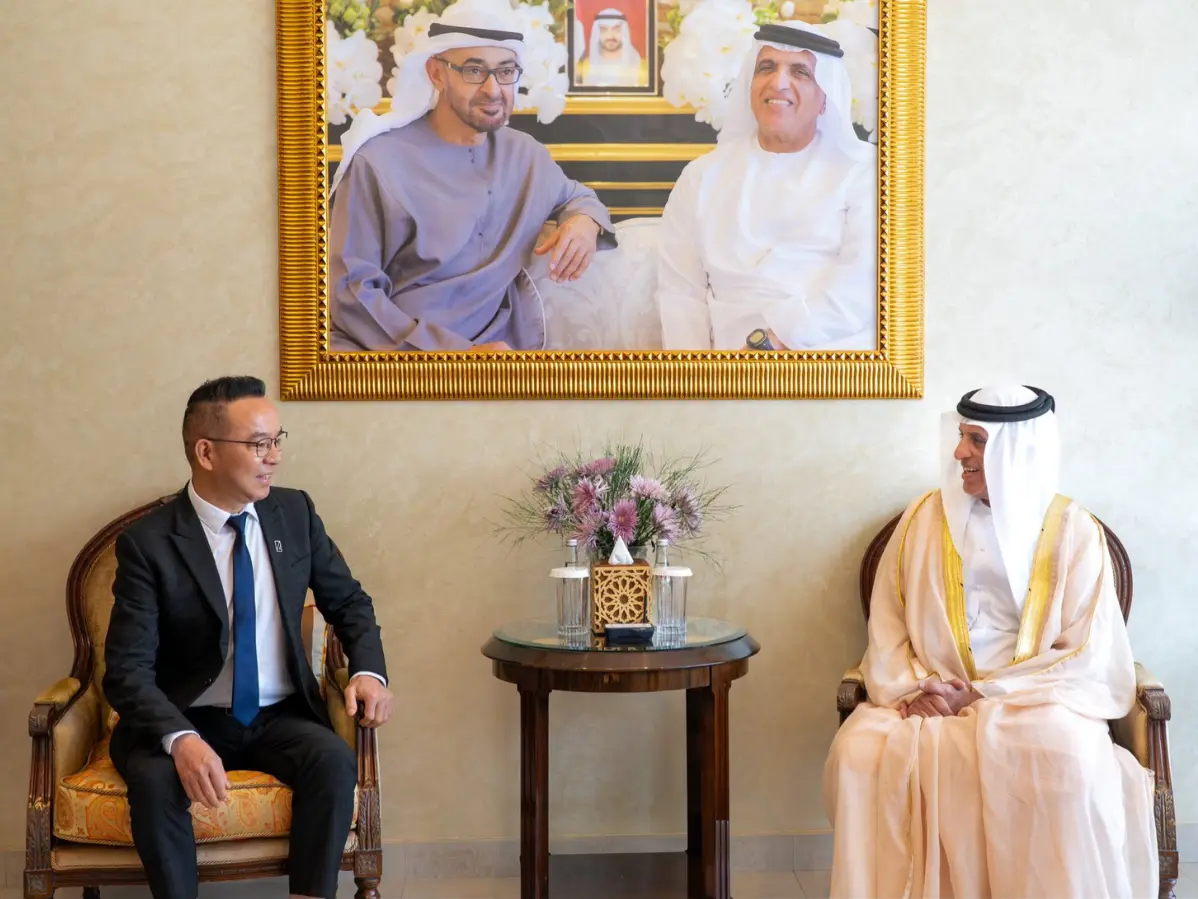)
Flying cars in UAE: Ras Al Khaimah signs deal with Chinese company to test new transport
)
Africa is splitting, and a lot sooner than estimated, giving way to a new ocean
)
'Gangsta' crab shoves knife blade at man and his dog in Florida - Watch
)
Trump bans CNN, MS NOW and Politico from White House over ‘FAKE NEWS’
)
Trump 2.0: Dark days ahead for America’s ‘imperial presidency’
)
Trump's Greenland dream comes true? POTUS announces 'Infinite Life' deal with Denmark, claims permanent US control
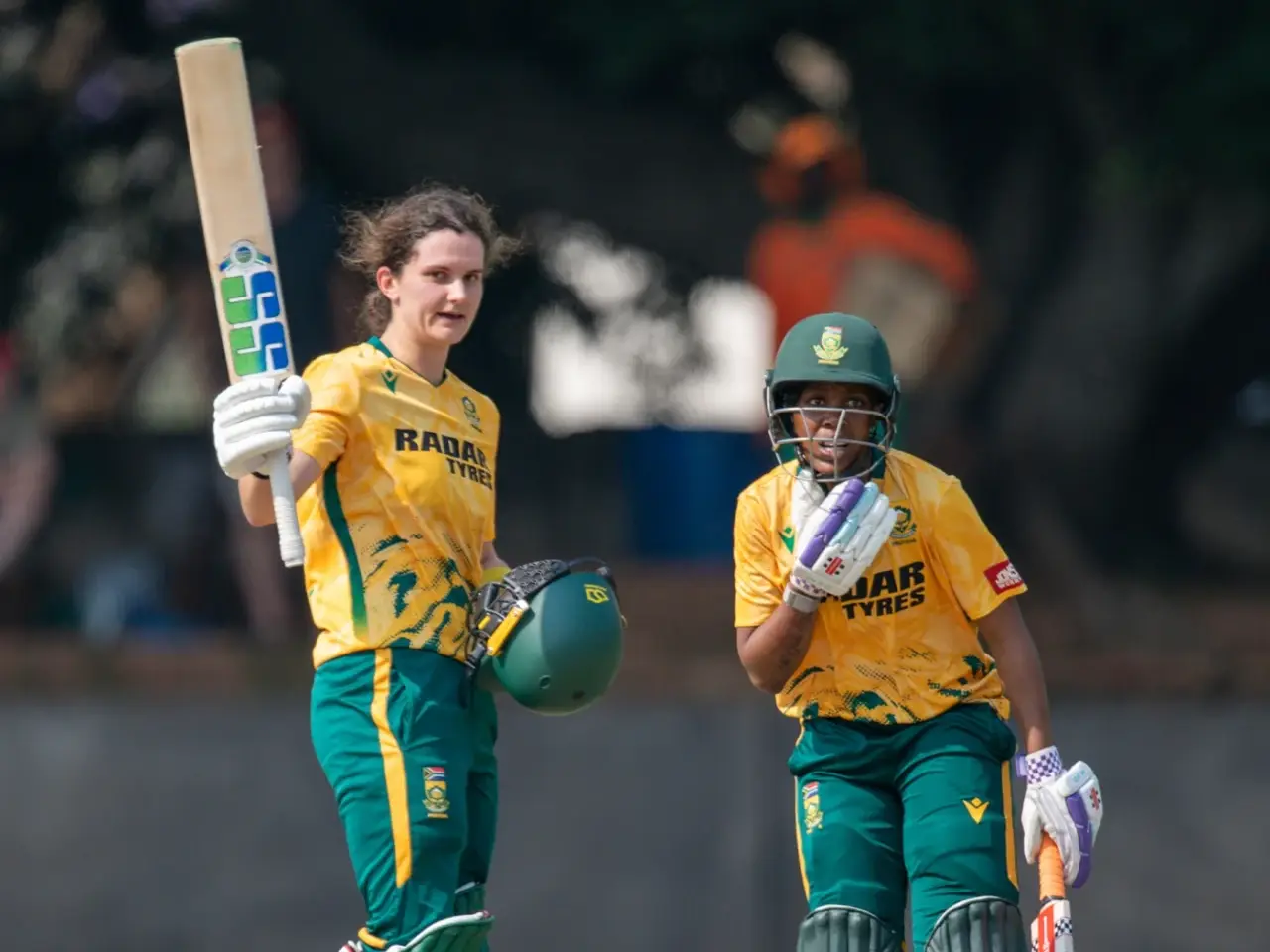)
Laura Wolvaardt sets new world record for most WT20I runs in a year
)
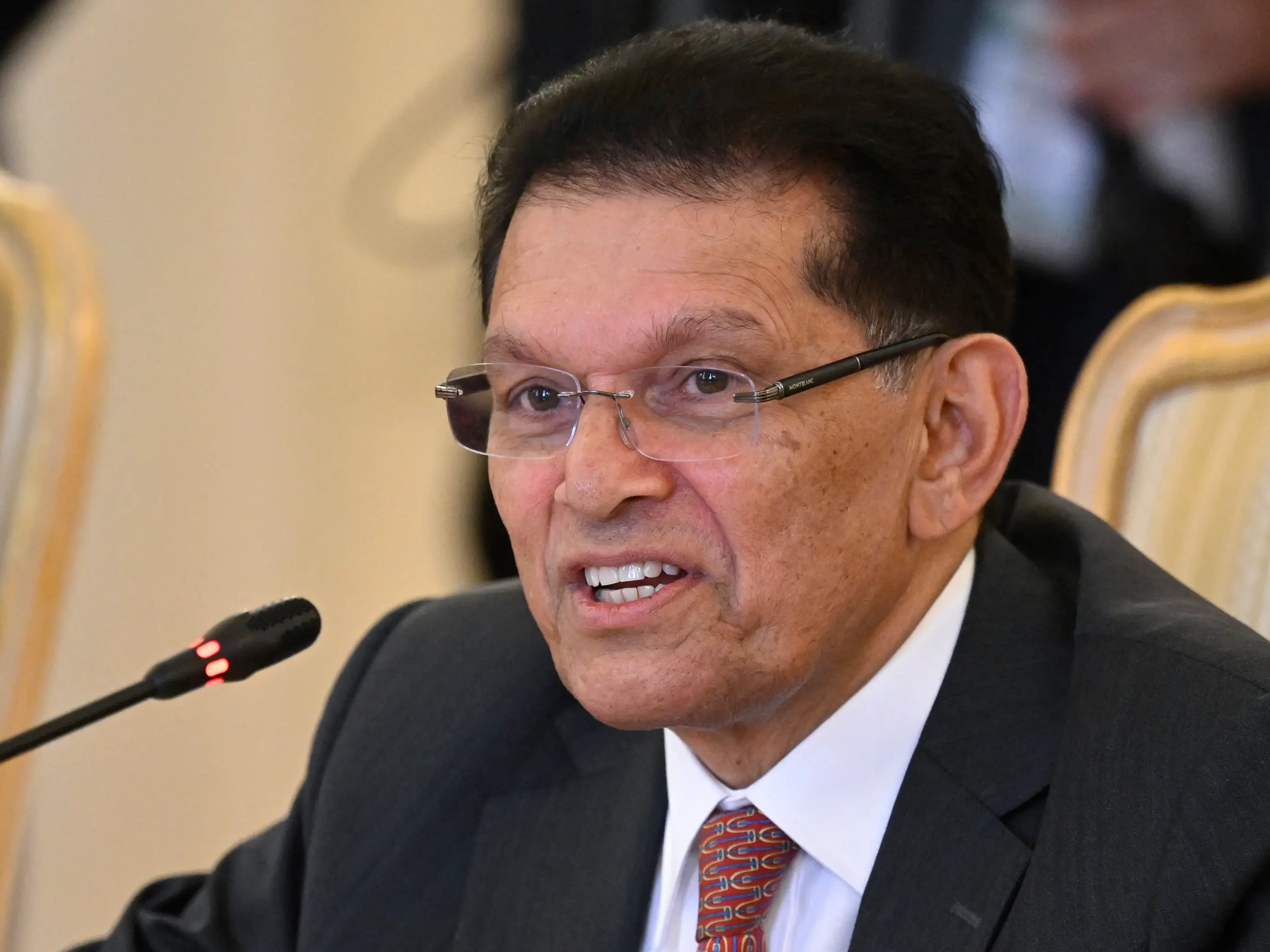
Drone strikes cooling tower at Russia's Kursk Nuclear Plant, IAEA confirms
)
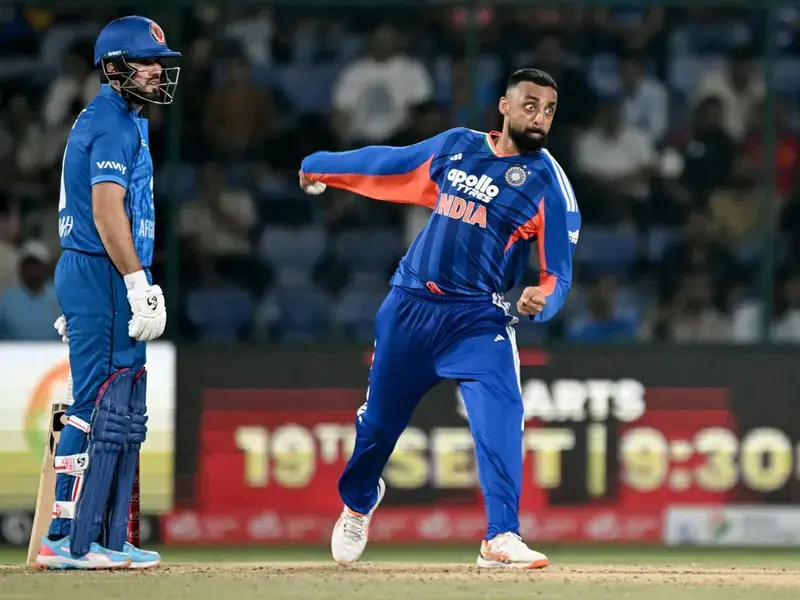
Who is Khalilur Rahman? All you need to know about 81st UN General Assembly President
&im=FitAndFill=(700,400))
Meet top 5 bowlers in latest ICC T20I rankings
)
Indian Cinema bets big on mythology, brings ancient stories to modern audiences
)
Ukraine plans record $109 bn defence spending, nearly two thirds of budget amid Russia war
)
Russia holds first parliamentary elections since the beginning of the Ukraine war
&im=FitAndFill=(700,400))
Meet top 5 Indian batters with fastest T20I centuries
This second lawsuit joins an earlier, unresolved legal challenge filed by IF Metall against Tesla, also alleging breaches of the Co-Determination Act. The first case remains pending in the Swedish courts, adding another layer of complexity to the already contentious relationship between the company and Swedish labour organisations.
The dispute highlights the clash between Tesla's global business practices and Sweden's strong tradition of collective bargaining agreements, which cover approximately 90% of the country's workforce. The conflict has drawn significant attention both within Sweden and internationally, as it represents a test case for how global companies navigate local labour practices and regulations.
When approached for comment on the new lawsuit, Tesla did not immediately respond. The company's previous statements have emphasised its commitment to maintaining competitive employment terms while resisting what it views as unnecessary union involvement in its operations.
The ongoing dispute has broader implications for labour relations in Sweden's automotive sector and could potentially influence how international companies approach labour practices in the country. As both parties remain firmly entrenched in their positions, the resolution of these legal challenges could set important precedents for future labour disputes involving multinational corporations in Sweden.
As the legal processes unfold, stakeholders across the Swedish labour market and the global automotive industry continue to watch closely, recognizing that the outcome could have far-reaching consequences for labour relations, particularly in the context of the rapidly evolving electric vehicle sector.

