NIO crosses 20,000 EV delivery mark for the third straight month in July

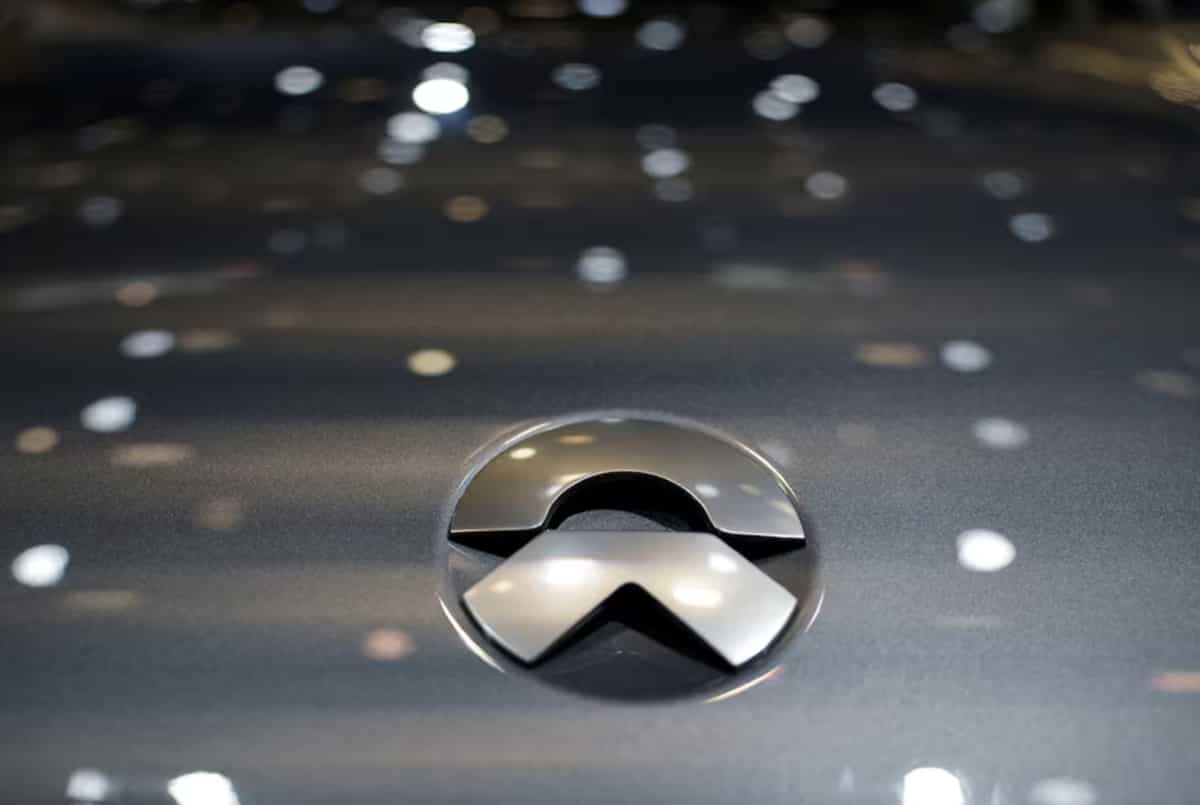
Nio is transitioning from its initial subscription-based model to a broader distribution approach.
China's electric vehicle manufacturer NIO has achieved a significant milestone by surpassing 20,000 vehicle deliveries for the third consecutive month in July 2024. This accomplishment is particularly noteworthy given the increasingly competitive landscape in China's electric vehicle market, which is currently the largest in the world. Despite these challenging conditions, NIO continues to experience robust demand for its products.
In July 2024, NIO reported delivering 20,498 vehicles, maintaining its streak of exceeding the 20,000-unit threshold. The company's product mix for the month consisted of 11,964 electric SUVs and 8,534 electric sedans. While this figure represents a slight increase compared to the same period last year, it's worth noting that it falls short of the record-breaking 21,209 units delivered in June and the 20,544 vehicles delivered in May 2024.
Looking at the broader picture, NIO has delivered a total of 107,924 electric vehicles in the first seven months of 2024, marking a substantial 44per cent increase compared to the same period in 2023. This growth trajectory underscores the company's expanding presence in the electric vehicle market.

NIO's current product lineup is diverse, featuring five premium smart electric SUV models: the EC6, EC7, ES6, ES7, and ES8. Additionally, the company offers three electric sedan models: the ET5, ET5 Touring, and ET7. A significant development in NIO's product strategy occurred earlier this year with the launch of the new ET7, which completed the transition of all NIO models to the company's advanced NT 2.0 platform.
In a move to broaden its market appeal, NIO recently unveiled its new low-cost model, the Onvo L60. This electric SUV, priced competitively at USD30,500 (219,900 yuan), is positioned as a direct competitor to Tesla's popular Model Y. The Onvo L60 represents NIO's first foray into the mass-market segment under its new Onvo brand. The company plans to launch the L60 in China in September, with deliveries expected to commence shortly thereafter.
Looking ahead, NIO has announced plans to introduce a new flagship model, the ET9, to its lineup in early 2025. Sales of this new vehicle are projected to begin in the first quarter of that year, potentially further diversifying NIO's product offerings and market reach.
)
Infections transmitted from pregnant woman linked to autism risk
)
Trump signs Greenland security deal with Denmark, paving way for two new US military bases
)
81st UN General Assembly: Burnham announces UK-US AI defence tie-up
)
El Niño 2026 heats up to become strongest in 1,000 years
)
China to test supersonic jet that moves at Mach 2, double the speed of sound
)
Bomb scare in New York amid UNGA: Suspicious suitcase found near UN headquarters
&im=FitAndFill=(700,400))
National Film Awards 2026: Kartik Aaryan, Mammootty, Yami Gautam, Randeep Hooda and other key winners
)
ICC plans T20I expansion and fewer ODIs in 2027–2031 FTP cycle: Report
)
Cyclone Arnab: Landfall expected before midnight tomorrow as IMD issues orange alerts across six states
)
Nor'easter could batter 13 US states this week. What you should know
)
Elephants hide behind trees, stage surprise attack on poachers targeting rhinos in South Africa
)
Four female students raped during 'Red Zone' at California university. What we know
)
Asia prepares for record El Nino, food shock
)
'What kind of confession is this?': Pakistan PM Shehbaz Sharif’s 'terrorists would be roaming New York' remark goes viral, raises alarm online. Watch
)
US-China tech war: Businesses in the front line
)
Forget apps: Qualcomm CEO says AI agents will change how we use smartphones
)
IIT Bombay professor Suryanarayana Doolla sent on leave amid Sahil Wakode death probe
)
IND vs JPN T20I: How an overturned wide became point of difference between India's win and a tie
)
Mikel Arteta verbally agrees to three-year extension with Arsenal after title-winning Premier League season
)
Gravitas | Boosting NHS productivity could save 20,600 lives in UK annually: Report
)
Trump-Xi summit: From trade to Taiwan, what will the US and Chinese presidents discuss in Washington?
)
Yemen clashes kill 154 people in two days as cornered Saudi battles Houthi offensive | Gravitas
)
Trump revives India-Middle East-Europe economic corridor as India emerges central to West Asia’s future: What is it?
)
US and China vie for AI dominance as calls grow for regulation | Gravitas
)
Anne Hathaway to run in supporting race for Nolan's epic
)
Over 4,200 books withdrawn from circulation in J&K colleges, 94% from Kashmir
)
Major League Soccer referee sacked for sexist comment about female match referee
&im=FitAndFill=(700,400))
New OTT releases this week (September 21-27, 2026): Shaque: Trust No One, Hunkkaar, Don’t Be Shy- 5 new titles coming to Netflix, Prime Video and more
)
Justice eludes Air India 1985 bombing victims as Canada probe goes 'inactive' | Gravitas
)
Explainer: Why rare-earth export licences and Board of Trade are US priorities ahead of Trump-Xi summit
)
WION Iconic Tourism Summit: Seychelles envoy says India partnership is important for Seychelles
)
WION Iconic Tourism Summit and Iconic Awards 2026: India's travel economy leaders gather in Delhi
)
IND vs JPN, one-off T20I: Japan captain Kendel on pushing India to the brink - ‘It was special’
)
From Gaddafi tearing up UN Charter to Trump’s ‘escalatorgate’: Most unforgettable UNGA moments
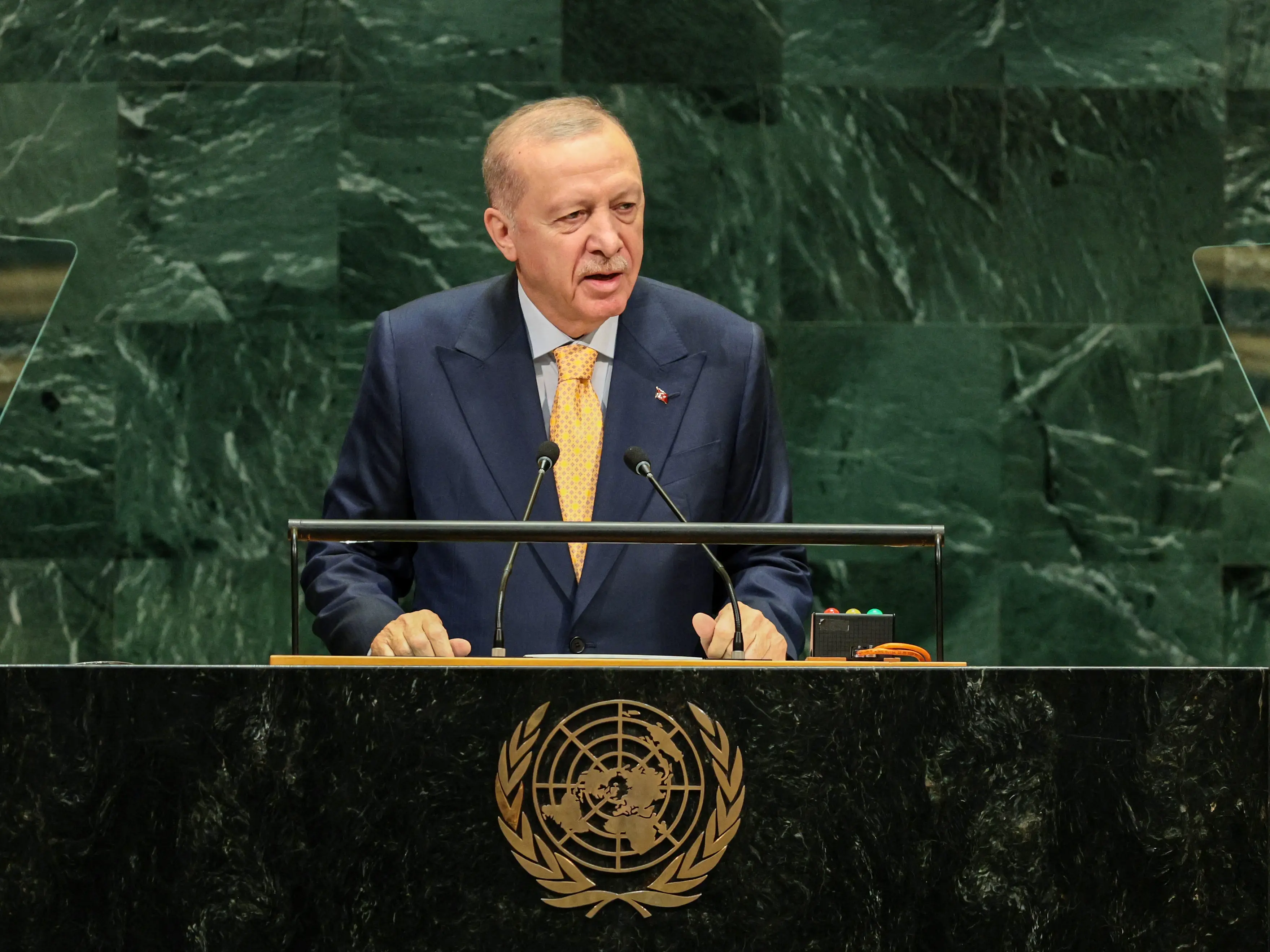)
Erdogan again raises Kashmir issue at UNGA, calls for dialogue under UN Charter
)
Trump calls on nations to quit ‘rogue’ and ‘out-of-control’ International Criminal Court, rips UN
)
WION Iconic Tourism Summit and Awards 2026: Key voices to discuss India’s tourism future
Despite the positive delivery figures, NIO's stock performance has been challenging. On the day of the announcement, the company's stock price dropped by nearly 10 per cent. This decline is part of a broader trend, with NIO's shares down 52 per centyear-to-date and 72 per centover the past 12 months. These figures highlight the disconnect between the company's operational performance and its stock market valuation.
It's worth contextualising NIO's performance within the broader Chinese electric vehicle market. BYD, China's leading electric vehicle manufacturer, reported record sales of 342,000 new energy vehicles (NEVs) in July. However, it's noteworthy that BYD's pure electric vehicle sales have declined for two consecutive months, indicating potential shifts in the market dynamics.
Industry analysts, such as Deutsche Bank's Wang Bin, have expressed optimism about NIO's future performance. They believe that NIO's target of consistently delivering over 20,000 units monthly is achievable, particularly with the introduction of the Onvo brand. The fact that NIO is already meeting this target suggests that the company may be well-positioned to capitalise on its expanded product line and market strategy.
The launch of the Onvo L60, a mid-size electric SUV often compared to Tesla's best-selling Model Y, marks a significant step in NIO's strategy to capture a larger share of the market. The company has plans to introduce a larger Onvo electric SUV next year, with additional models in the pipeline. This expansion into the mass-market segment, coupled with NIO's established presence in the premium electric vehicle space, could potentially drive the company's growth and market position in the coming years.
As NIO continues to navigate the complex and rapidly evolving Chinese electric vehicle market, its ability to maintain strong delivery numbers while expanding its product lineup will be crucial in determining its long-term success and competitiveness in this dynamic industry.