Fiat's decline impacts Turin’s economy

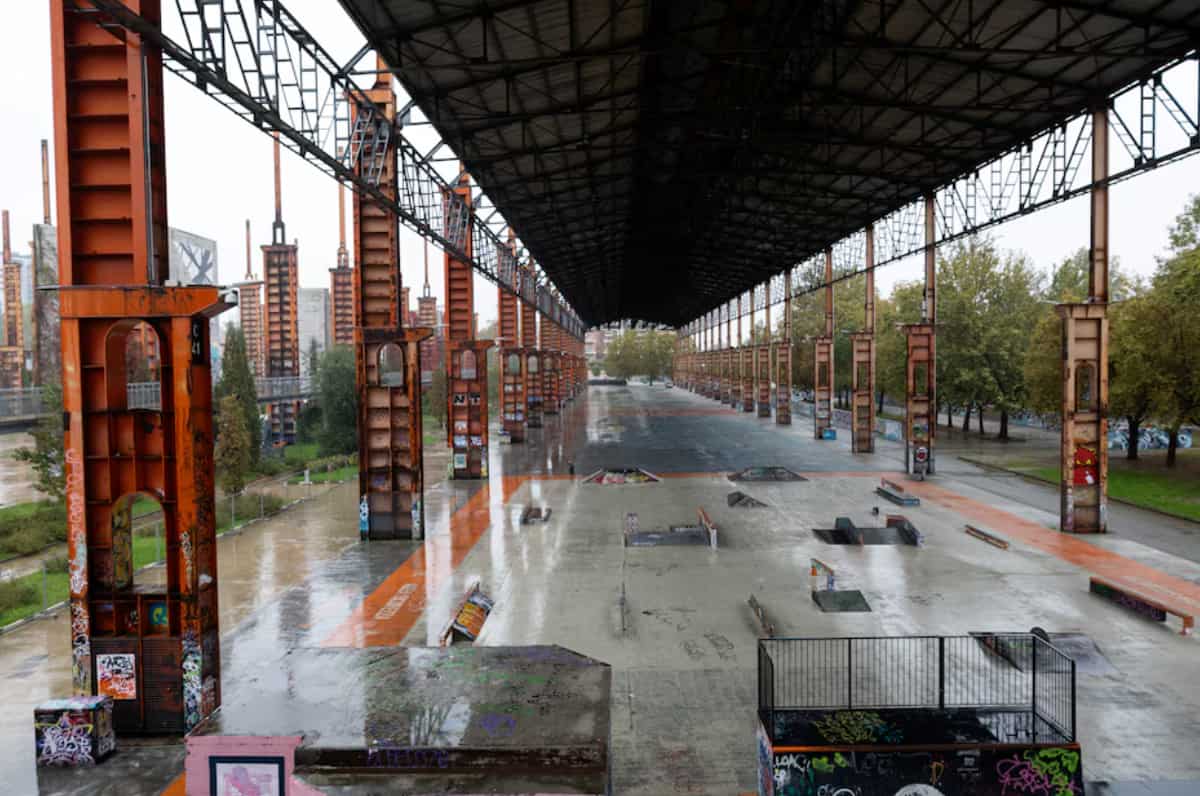
Turin's Mirafiori plant
In the shadow of the Alps, Turin, Italy's historic automotive capital, is facing a critical juncture as its once-thriving car industry teeters on the brink of decline. The city, home to Europe's oldest car factory and the birthplace of Fiat 125 years ago, now embodies the broader challenges confronting the European automotive sector.
Turin's Mirafiori plant, formerly the crown jewel of Fiat's manufacturing empire, stands as a stark symbol of the industry's downturn. Once employing 60,000 workers and producing up to a million cars annually in its 1960s heyday, the factory now operates at a fraction of its capacity. Currently, it manufactures the electric Fiat 500 and two Maserati models, but production has been frequently suspended due to low demand. As a result, 2,800 workers find themselves on furlough with reduced pay.
Giacomo Zulianello, a plant worker and FIOM Cgil trade union official, grimly observes, "Mirafiori has already been closed. It's just that it reopens sometimes." This sentiment echoes throughout the city, where the word "decline" has become taboo, according to urban sociologist Luca Davico of Turin's Polytechnic.

The roots of Turin's automotive troubles can be traced back to Fiat's gradual loss of Italian identity. The company's merger with Chrysler in 2014 and subsequent fusion with PSA to form Stellantis in 2021 marked significant shifts in its corporate structure and focus. Over the past four decades, Turin has lost four of its car plants, starting with the iconic Lingotto in 1982 and ending with Grugliasco in 2022.
The impact on Turin's economy and workforce has been profound. With 50,000 to 60,000 jobs still tied to the automotive industry, the mood in the city is sombre. Workers are preparing for a national strike and march in Rome to press both the government and Stellantis to safeguard jobs.
Stellantis' Italian production is projected to fall below 500,000 vehicles this year, the lowest since 1958, according to the FIM Cisl union. This decline mirrors industry-wide challenges affecting even market leaders like Volkswagen. The workforce at Mirafiori is ageing, with an average age of 57-58, and younger generations are increasingly disinterested in the automotive sector.
)
No Pandya as Auqib Nabi earns maiden ODI call-up; Mayank returns for WI T20Is| check full squads
)
Chiefs tight end Travis Kelce named one of the victims in $35 million ponzi scheme
)
Trump praises India’s Opium crackdown, hails anti-drug efforts
)
Sydney Sweeney defends provocative ad choice, the internet is still not impressed
)
Former India player Diana Edulji wants Smriti Mandhana to replace Harman as skipper at the earliest
)
Trump calls Canada-EU associate membership plan ‘laughable’ and threatens 'very serious tariffs'
)
Protests erupt over migrant housing plan in Piddington
)
Shahzad Bhatti Network declared terrorist organisation under UAPA: Govt order
)
Europe wants a common playbook for security threats, seeks security beyond NATO
)
Formula One reveals the 2027 race calendar; Monaco to host sprint race for the first time
)
All Indian goods to get duty-free access to New Zealand
)
Bigg Boss 20: Mahhi Vij reveals she lost Yuva role to Kareena Kapoor; 'didn’t work out in my favour'
)
Lionel Messi for 2026 Ballon d’Or over Mbappe and Yamal, says Diego Simeone
)
US House votes 417-3 to pass Ratepayer Protection Act targeting AI data center electricity costs
)
Hong Kong unveils 11 new measures to boost birth rates, offers higher cash bonuses and housing perks
)
Former OpenAI researcher warns of growing risks from Artificial Intelligence
)
Veteran actor Anant Nag honoured with Indian cinema’s highest award
)
AUS vs SA: Steve Smith still gets 'little flashbacks' from sandpaper gate
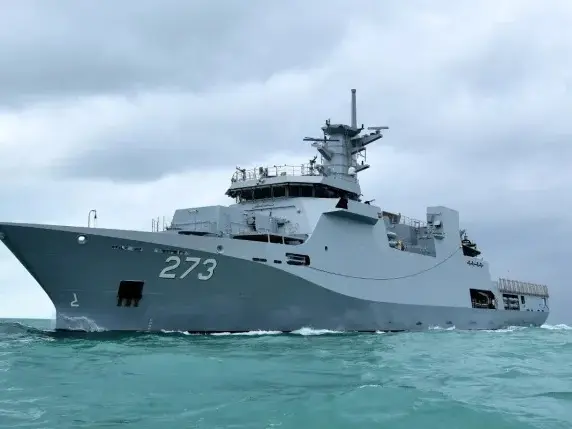)
Pakistan naval vessel returns to harbour with 'severe damage' after collision with Indian warship in Arabian Sea
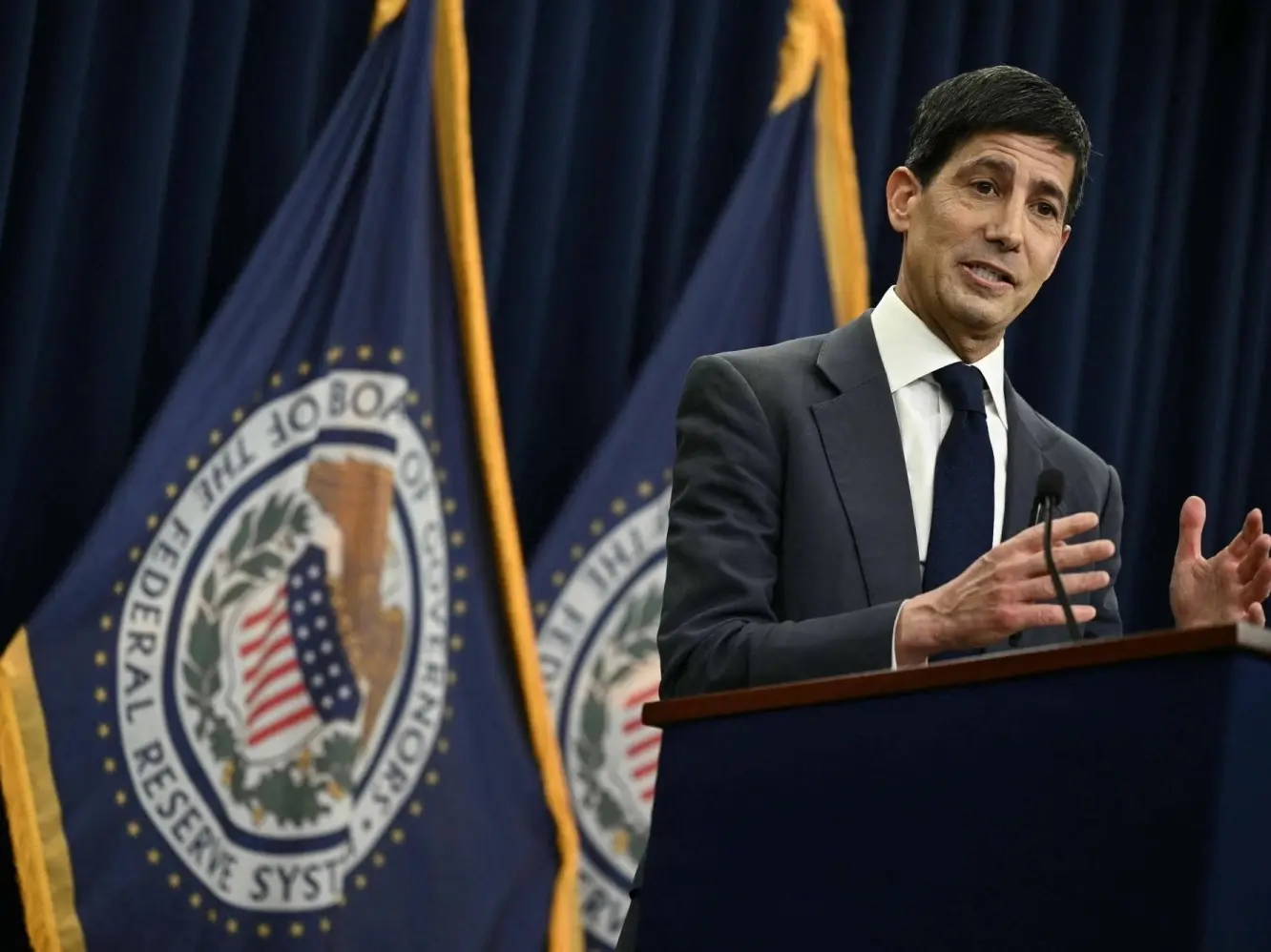)
Fed raises rates for first time in 3 years, Kevin Warsh defies Trump as inflation mounts
)
Katrina Kaif’s postpartum weight is not the problem; your gaze is
)
Taiwan seeks deeper India ties as direct flights restart soon and chip projects advance
)
Daayra movie review: Kareena Kapoor, Prithviraj Sukumaran shine in Meghna Gulzar’s cop-versus-cop crime thriller
)
Saudi Vs Houthis: Yemeni military rebels clash with Houthis
)
Pak batter Rizwan's petition against being questioned by cyber crime agency rejected by court
)
US trade tariff: 100% tariff targets Russian buyers amid trade tensions
)
Pakistan: Imran Khan's sons Kasim & Sulaiman claim their father is 'tortured' in jail
&im=FitAndFill=(700,400))
New OTT releases this week (September 14-20, 2026): Lust Stories 3, Waiting Hai, Irumudi- 5 new titles coming on Netflix, Prime Video and more
)
Trump gets new power to hit India, China with up to 100% tariffs as US Senate clears Russia sanctions bill
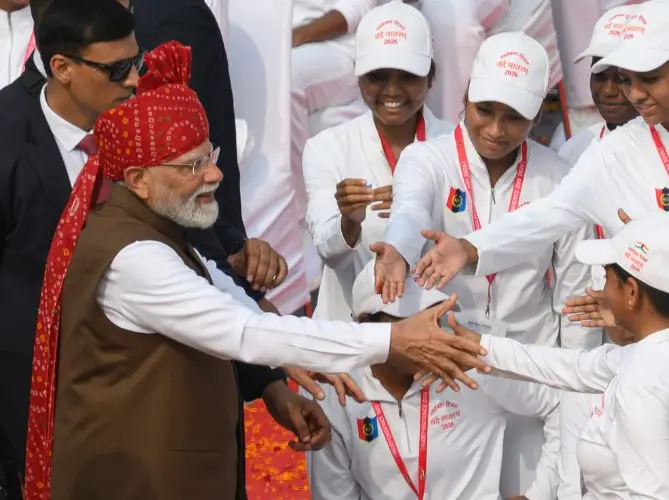)
Prime Minister Narendra Modi's birthday: Italian PM Meloni sends birthday wishes
)
‘Imagine 50 AI fighters cornering one manned jet’: India’s mobbing doctrine eyes a new era of air warm
)
Saudi vs Houthis: Riyadh claims to have shot Houthi drone targeting Mecca
)
US Treasury rallies global financial institutions for Op Economic Outcast to isolate Iran
)
India breaks silence on US Russia sanctions bill, 100% tariff threat: ‘Committed to energy security’ for 1.4 billion
)
Pakistan boycotts chess match against Israel at Olympiad
)
Want to get married within a year? Why 18 lakh people rush to Jaipur for ‘sacred henna’
&im=FitAndFill=(700,400))
Suriya and Jyothika say ‘I do’ again after 20 years! See their dreamy wedding pics
)
Abhishek Sharma rises to No. 2 in T20Is; ENG’s Robinson 3rd after record Pakistan Tests
)
The Early Spring season 2 is happening, but fans have one request - 'don't change the actors'
Francesco Zirpoli, a management professor at Venice's Ca' Foscari University, attributes the slump in Italian auto production to Stellantis' limited investments in new models, particularly for its Italian factories. "More than a mistake, it was a choice," he states. The shift from Fiat to Stellantis has also meant that Turin is no longer the primary hub for engineering and product development.
The human cost of this industrial decline is evident in the experiences of workers like Davide Manago, a FIM Cisl official and plant worker. Manago recounts the financial struggles faced during periods of furlough, with reduced salaries barely covering basic needs. "My fear is going back to that," he says, expressing hope that his children will find better opportunities outside Turin or even Italy.
Despite these challenges, Stellantis maintains that Mirafiori has a future. The factory produces gearboxes for electric and hybrid vehicles, hosts a recycling centre for car parts, and will begin manufacturing a new hybrid version of the Fiat 500 in late 2025. Additionally, the Italian government is in talks with Chinese automakers Dongfeng Motor Group and Chery, potentially ending Stellantis' monopoly as the sole major national car producer.
Turin has attempted to diversify its economy, promoting itself as a tourism destination and knowledge hub with multiple universities and academies. The city also boasts a thriving aerospace industry and is home to Juventus, Italy's most successful soccer club. However, these efforts have yet to fully compensate for the decline in automotive manufacturing.

