Connected car market expected to reach USD 416.66 billion by 2030

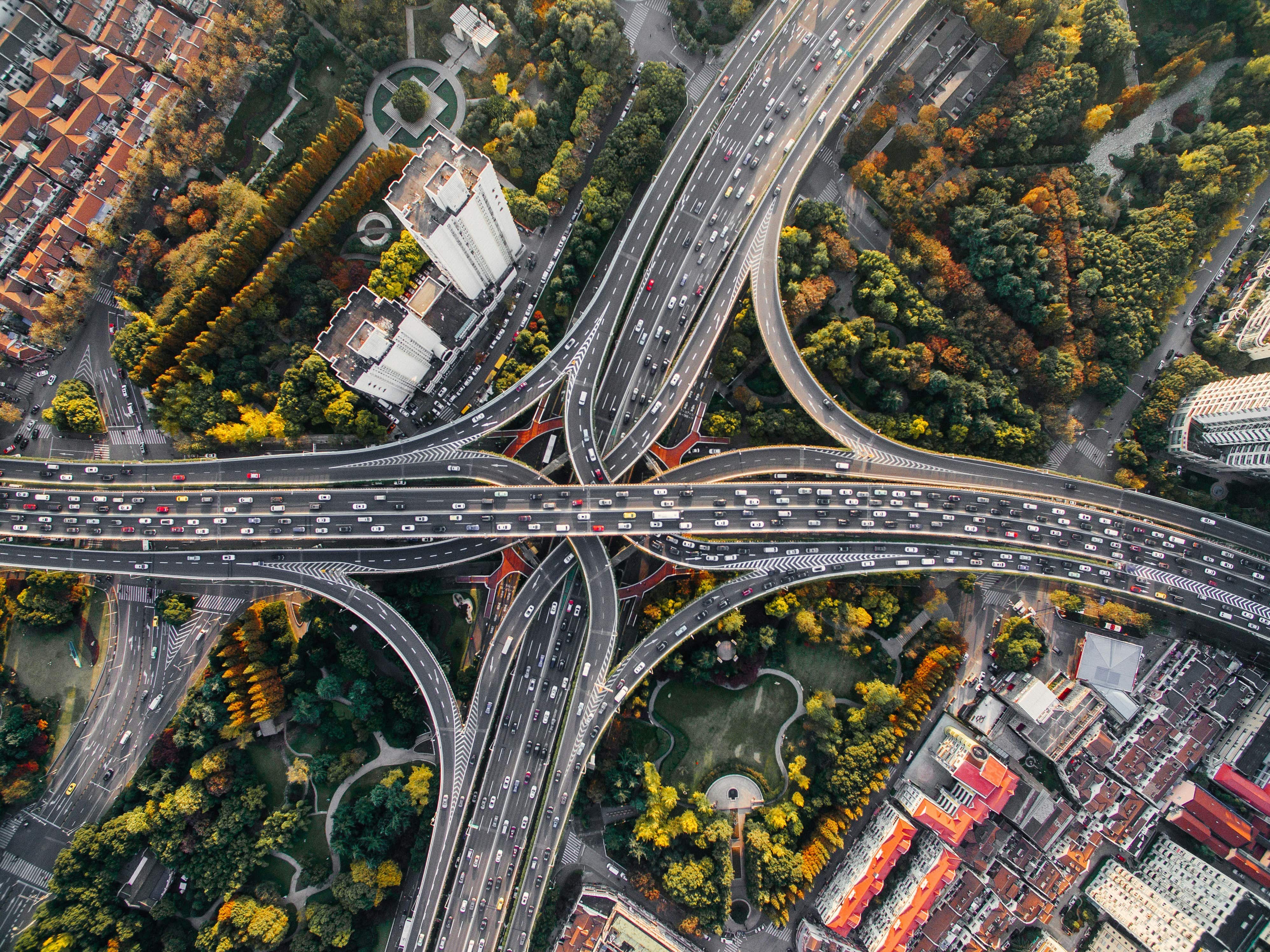
Connected car market expected to reach USD 416.66 billion by 2030 (Photo: Unsplash)
The connected car market is experiencing an increased growth at a CAGR of 18.75% as it is expected to reach USD 416.66 billion by 2030, as per a research by 360iResearch. This is due to several major drivers such as new features improving car safety. These features include automated emergency systems and collision avoidance systems, which are the most prominent ones since consumers' decisions seem to be increasingly dictated by safety aspects these days. Legal frameworks also have a significant influence on encouraging innovative solutions such as vehicle-to-vehicle communications for safety and ecological goals of intelligent transportation systems.
In addition, the combination of such consumer electronics and the Internet of Things (IoT) innovations is significantly enhancing the functionalities and experiences provided by vehicles, making connected cars even more appealing. Strategic partnerships between car manufacturers and technology firms continue to produce revolutionary, user-centric technologies, which fuels growth in the industry. Another important factor is the economic impact, such as better fuel consumption in connected cars, lower levels of maintenance, and more. These cost-reducing benefits make them appealing for consumers and firms alike.
Also Read:Volkswagen in talks for passenger car production partnerships in India

Furthermore, the increased demand by governments across the world for environment friendly vehicle to reduce carbon footprint support the market to grow towards meeting global sustainability. Indeed, the growth of connected car solutions has been fostered by technology advancement, strengthened by the support of regulations, and fueled by economic and environmental benefits for connected mobility solutions of the future.
Nevertheless, a number of serious obstacles can still be identified as reasons which could slow the development of the connected car market. One of the main drivers of this challenge is the high costs which are normally incurred when incorporating sophisticated technologies in vehicles. This cost aspect sometimes makes prospective customers to turn away, especially in areas where customers are price sensitive.
Moreover, lack of standard features across the brands make compatibility a big problem for the consumer, who will always be worried about possible incompatibilities and subsequent obsolescence. Privacy and security concerns arising from risks in car data connectivity also depict negative consequences on the consumers. The availability of internet and the infrastructure related to it are greatly lacking in developing countries and limited in other locations, that essentially limits the capabilities and utility of connected cars in these regions. To overcome these challenges, stakeholders must pay special emphasis on improvement in the consumer trust and wider acceptance of connected cars.
)
Justice eludes Air India 1985 bombing victims as Canada probe goes 'inactive' | Gravitas
)
Trump revives India-Middle East-Europe economic corridor as India emerges central to West Asia’s future: What is it?
)
Erdogan again raises Kashmir issue at UNGA, calls for dialogue under UN Charter
)
The Verdict | Moral policing isn’t culture or discipline, it’s crime
)
Trump signs Greenland security deal with Denmark, paving way for two new US military bases
)
Most Americans want greater federal AI oversight
)
Major League Soccer referee sacked for sexist comment about female match referee
)
IND vs JPN T20I: How an overturned wide became point of difference between India's win and a tie
)
Trump-Xi summit: From trade to Taiwan, what will the US and Chinese presidents discuss in Washington?
)
Cyclone Arnab: Landfall expected before midnight tomorrow as IMD issues orange alerts across six states
)
ICC plans T20I expansion and fewer ODIs in 2027–2031 FTP cycle: Report
)
'Mumma’s boy from Gwalior who dared to dream': Kartik Aaryan pens long note after first National Award win
)
Gravitas | Boosting NHS productivity could save 20,600 lives in UK annually: Report
)
US and China vie for AI dominance as calls grow for regulation | Gravitas
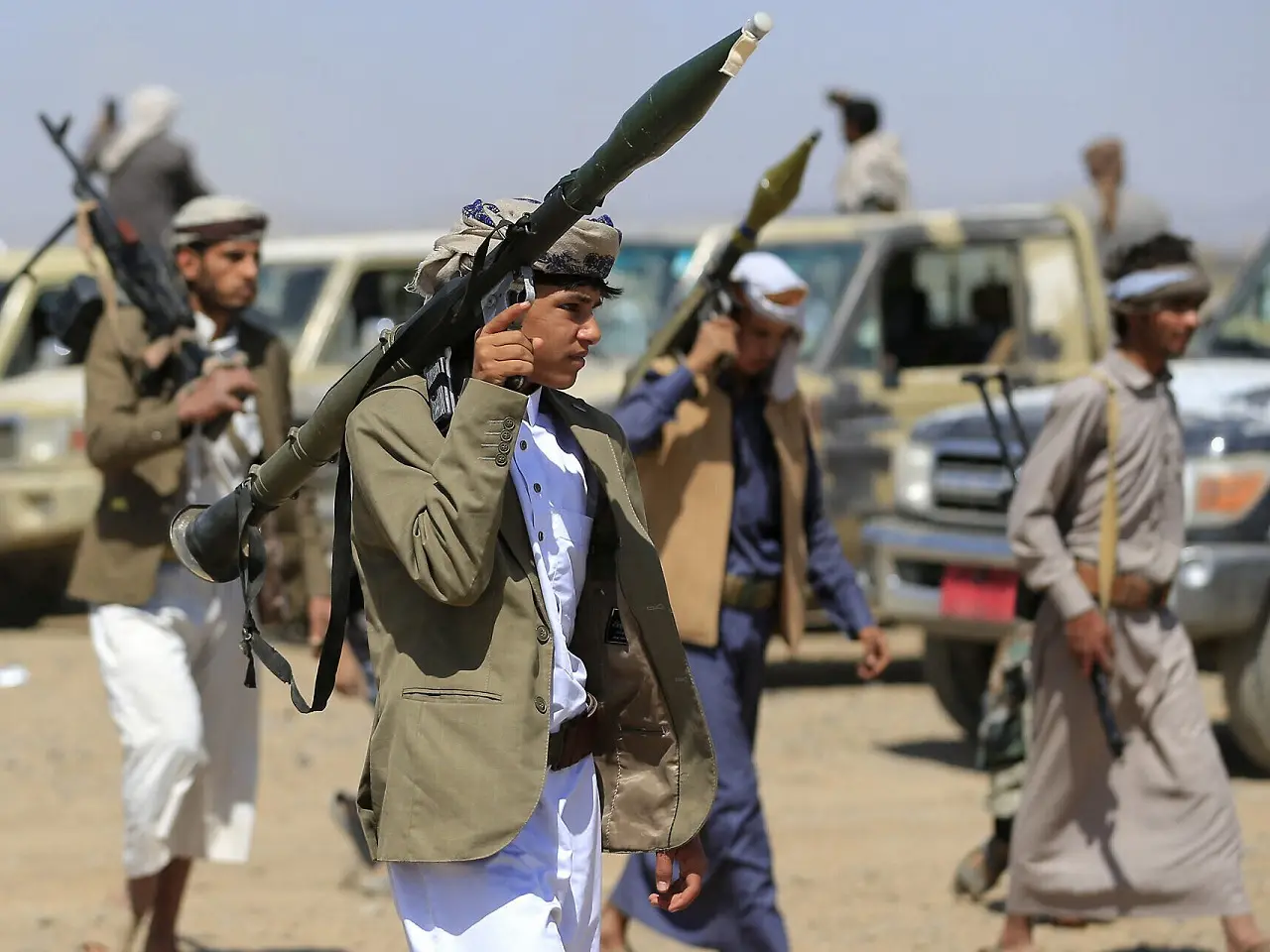)
Yemen clashes kill 154 people in two days as cornered Saudi battles Houthi offensive | Gravitas
)
Bomb scare in New York amid UNGA: Suspicious suitcase found near UN headquarters
)
IND vs JPN, one-off T20I: Japan captain Kendel on pushing India to the brink - ‘It was special’
)
Raaka creates history! Allu Arjun’s film secures Guinness World Record ahead of release
)
WION Iconic Tourism Summit and Awards 2026: Key voices to discuss India’s tourism future
)
WION Iconic Tourism Summit and Iconic Awards 2026: India's travel economy leaders gather in Delhi
)
American manufacturing is reshoring faster than its factory floors can absorb
&im=FitAndFill=(700,400))
New OTT releases this week (September 21-27, 2026): Shaque: Trust No One, Hunkkaar, Don’t Be Shy- 5 new titles coming to Netflix, Prime Video and more
)
81st UN General Assembly: Burnham announces UK-US AI defence tie-up
)
Trump calls on nations to quit ‘rogue’ and ‘out-of-control’ International Criminal Court, rips UN
)
Who is Clavicular? The 20-year-old controversial 'Looksmaxxing' influencer charged with rape allegations
)
Infections transmitted from pregnant woman linked to autism risk
)
'What kind of confession is this?': Pakistan PM Shehbaz Sharif’s 'terrorists would be roaming New York' remark goes viral, raises alarm online. Watch
)
IIT Bombay professor Suryanarayana Doolla sent on leave amid Sahil Wakode death probe
)
'This is normally what toddlers do': Why a psychiatrist is raising fresh questions about Trump’s recent behaviour
&im=FitAndFill=(700,400))
National Film Awards 2026: Kartik Aaryan, Mammootty, Yami Gautam, Randeep Hooda and other key winners
)
‘Strike a deal or drive Iran into hell’: Trump issues fresh warning to Tehran at UNGA
)
Anne Hathaway to run in supporting race for Nolan's epic
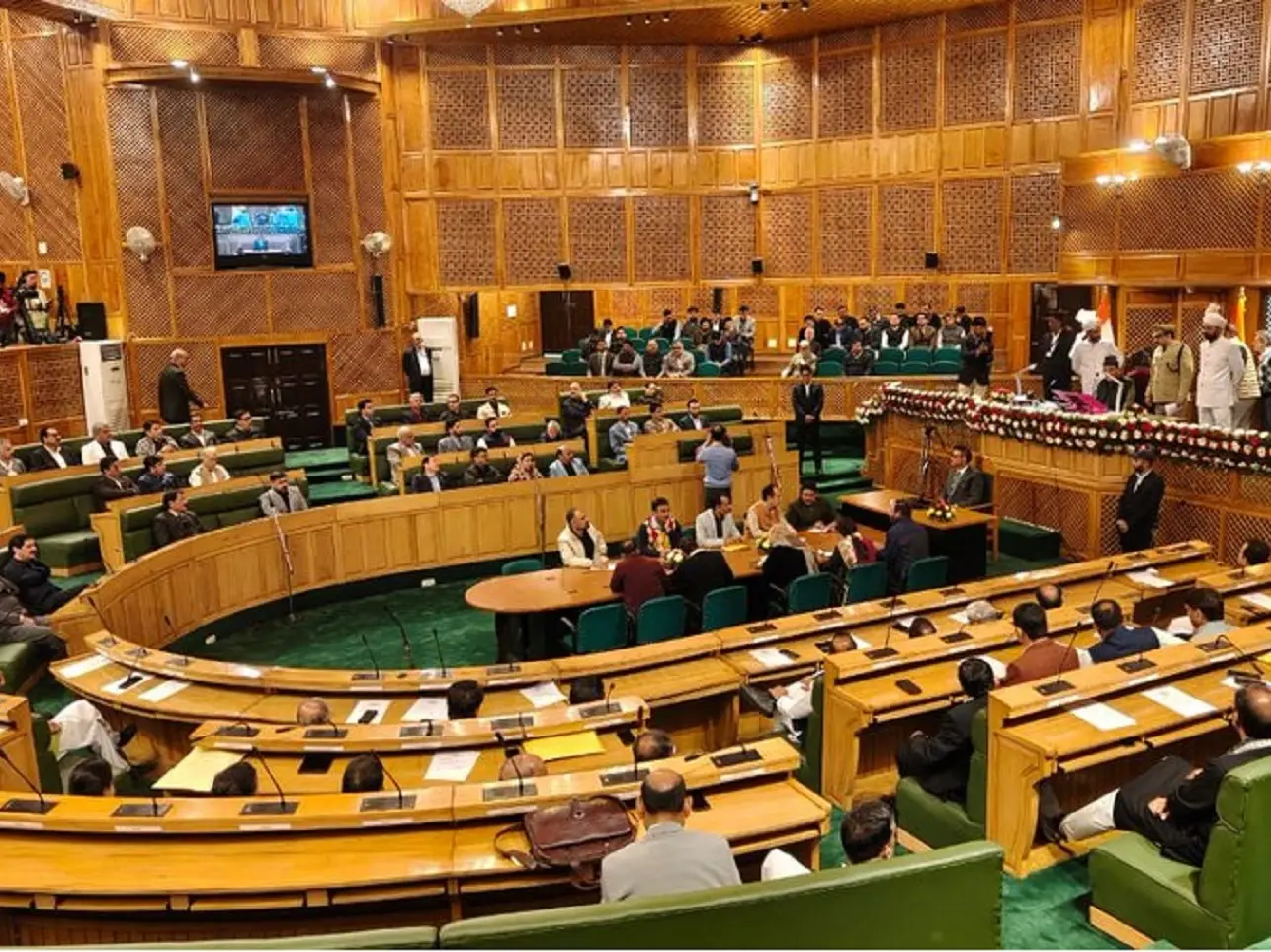)
Over 4,200 books withdrawn from circulation in J&K colleges, 94% from Kashmir
)
From Gaddafi tearing up UN Charter to Trump’s ‘escalatorgate’: Most unforgettable UNGA moments
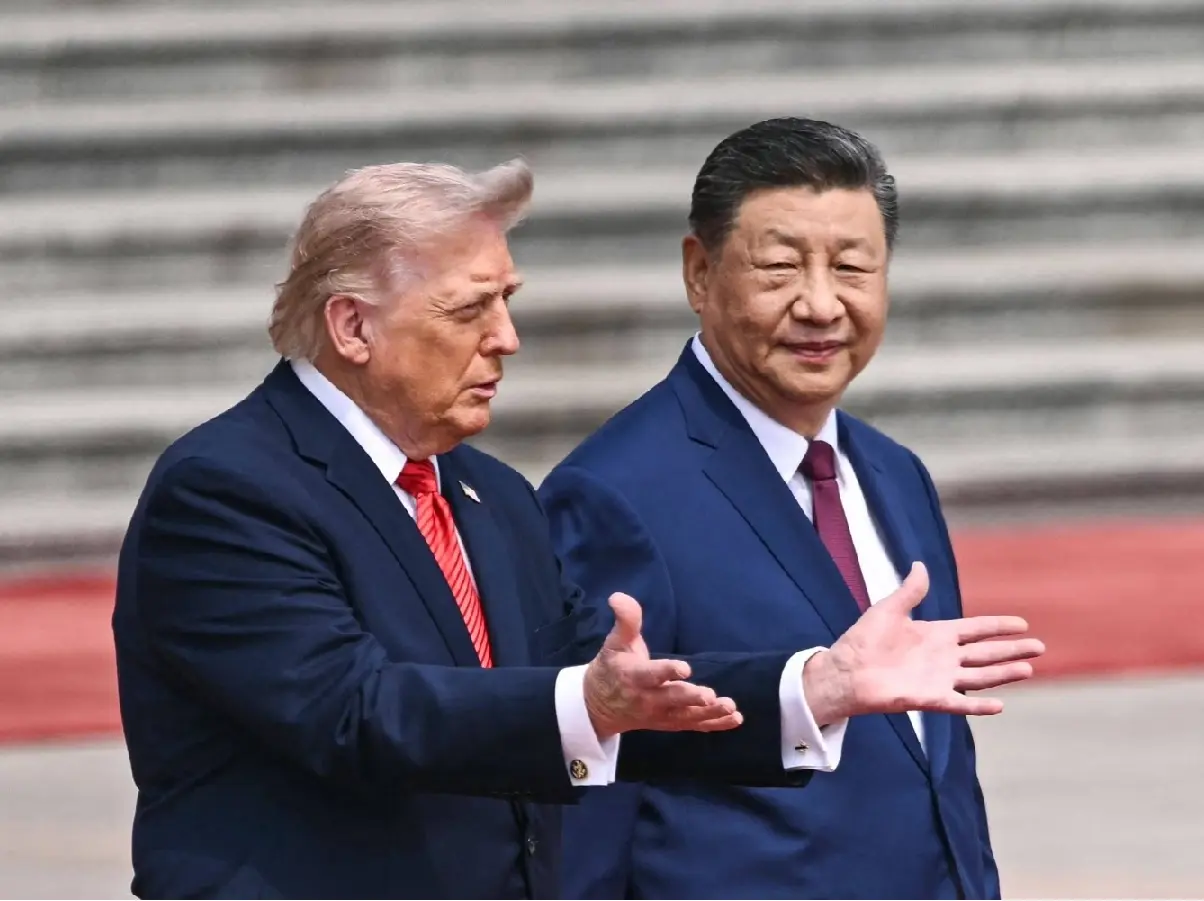)
Explainer: Why rare-earth export licences and Board of Trade are US priorities ahead of Trump-Xi summit
)
Asia prepares for record El Nino, food shock
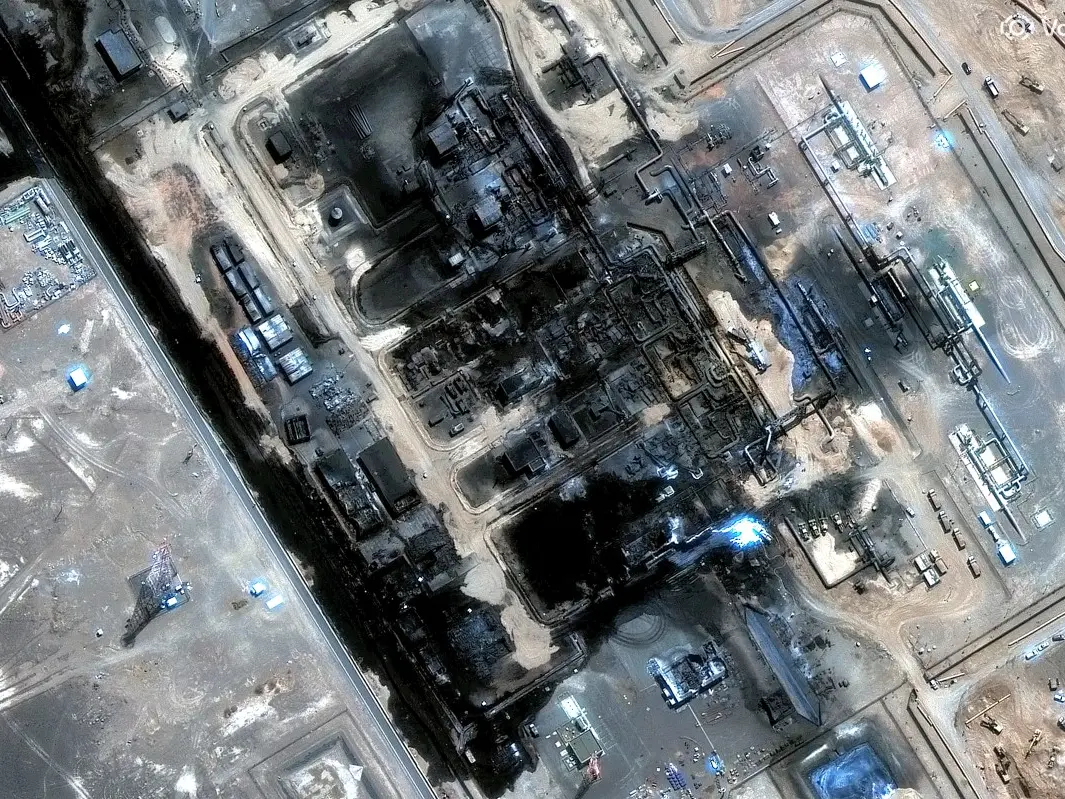)
Oil slips to $98 as Saudi Arabia restarts East-West oil pipeline
)
Four female students raped during 'Red Zone' at California university. What we know
