Xi Jinping vows to reunify China and Taiwan, urges for growth in New Year’s Eve speech

&imwidth=600&imheight=450&format=webp&quality=medium "Xi Jinping vows to reunify China and Taiwan, urges for growth in New Year’s Eve speech")
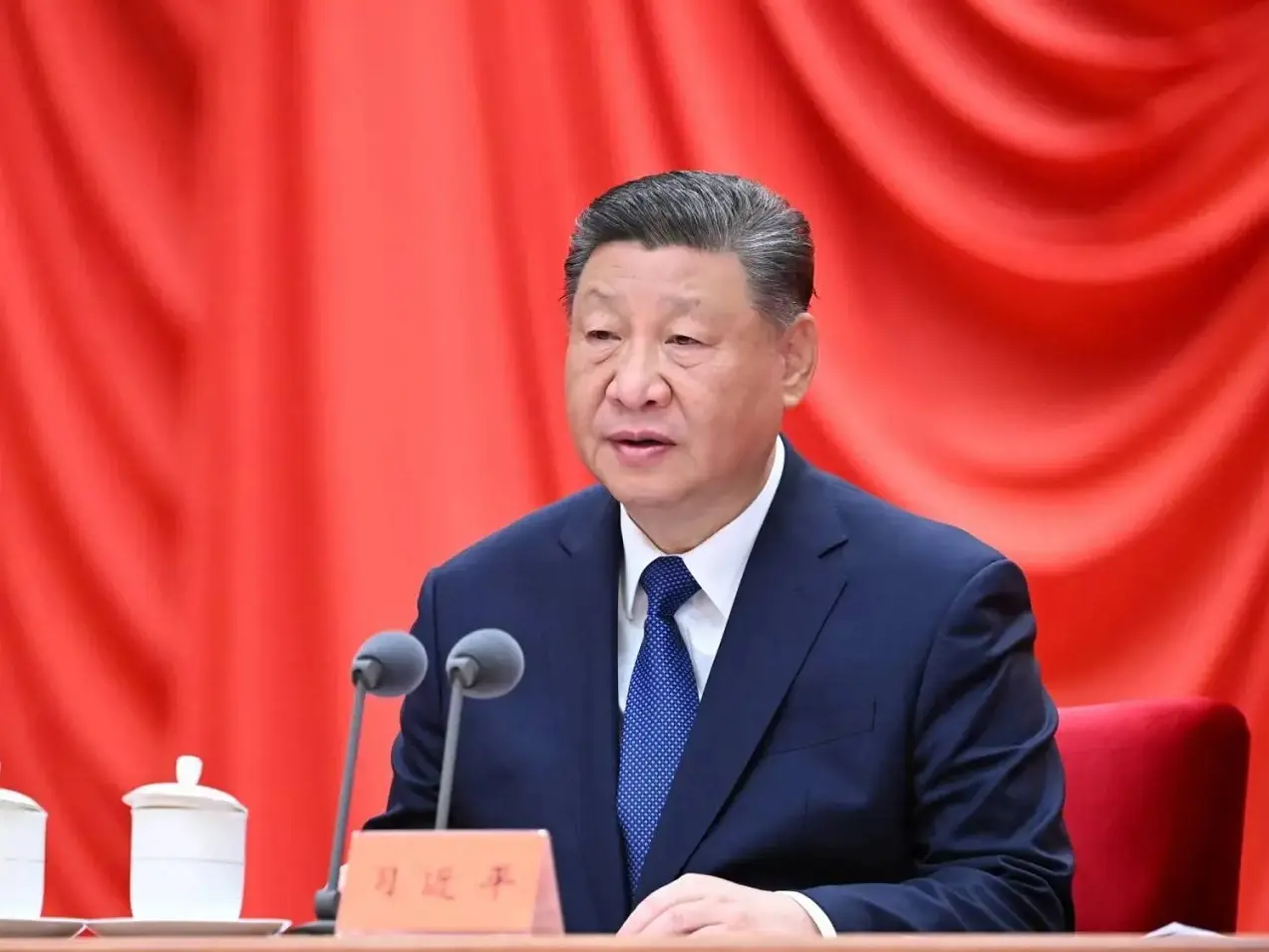
China’s President Xi Jinping Photograph: (AFP)
Beijing also faces significant economic challenges, and the coming years are critical for it in consolidating its position in the world order amidst its rivalry with Washington.
In his annual New Year’s Eve speech in Beijing, China’s president, Xi Jinping, on Wednesday vowed to reunify China and Taiwan. Speaking a day after intense Chinese military drills around Taiwan concluded, Xi said, “The reunification of our motherland, a trend of the times, is unstoppable.” China claims Taiwan, a self-governing island, as part of its territory and has long vowed to annex it, using force if necessary. In his annual televised New Year’s speech, Xi also hailed the advancements in AI, chip development, aerospace, and military technology and urged the country to intensify efforts to boost economic growth.
US intelligence is increasingly concerned about the advancing capabilities of China’s armed forces to launch such an attack if Xi so decides.
’Justice Mission 2025’ drills came closer to Taiwan
On Monday and Tuesday, China’s People’s Liberation Army launched live-fire military drills around Taiwan, simulating a blockade of main ports and sending its navy, air force, rocket force, and coast guard to encircle Taiwan’s main island. The drills, called “Justice Mission 2025”, came closer to Taiwan than previous exercises and involved at least 89 warplanes, the highest tally for more than a year.
The drills, though expected by analysts, were connected by Chinese commentators to a recent arms approval by the US government for a record $11 billion weapons sale to Taiwan.
Also Read: DRDO successfully conducts salvo launch of indigenously developed Pralay missiles off Odisha coast
Trending Stories
&imwidth=280&imheight=210&format=webp&quality=medium)
&imwidth=280&imheight=210&format=webp&quality=medium)
&imwidth=280&imheight=210&format=webp&quality=medium)
&imwidth=280&imheight=210&format=webp&quality=medium)
&imwidth=280&imheight=210&format=webp&quality=medium)
&imwidth=280&imheight=210&format=webp&quality=medium)
&imwidth=280&imheight=210&format=webp&quality=medium)
&imwidth=280&imheight=210&format=webp&quality=medium)
&imwidth=280&imheight=210&format=webp&quality=medium)
&imwidth=280&imheight=210&format=webp&quality=medium)
&imwidth=280&imheight=210&format=webp&quality=medium)
&imwidth=280&imheight=210&format=webp&quality=medium)
&imwidth=280&imheight=210&format=webp&quality=medium)
&imwidth=280&imheight=210&format=webp&quality=medium)
&imwidth=280&imheight=210&format=webp&quality=medium)
&imwidth=280&imheight=210&format=webp&quality=medium)
&imwidth=280&imheight=210&format=webp&quality=medium)
&imwidth=280&imheight=210&format=webp&quality=medium)
&imwidth=280&imheight=210&format=webp&quality=medium)
&imwidth=280&imheight=210&format=webp&quality=medium)
&imwidth=280&imheight=210&format=webp&quality=medium)
&imwidth=280&imheight=210&format=webp&quality=medium)
&imwidth=280&imheight=210&format=webp&quality=medium)
&imwidth=280&imheight=210&format=webp&quality=medium)
&imwidth=280&imheight=210&format=webp&quality=medium)
&im=FitAndFill=(700,400)&imwidth=280&imheight=210&format=webp&quality=medium)
&im=FitAndFill=(700,400)&imwidth=280&imheight=210&format=webp&quality=medium)
&imwidth=280&imheight=210&format=webp&quality=medium)
&imwidth=280&imheight=210&format=webp&quality=medium)
&imwidth=280&imheight=210&format=webp&quality=medium)
&imwidth=280&imheight=210&format=webp&quality=medium)
&imwidth=280&imheight=210&format=webp&quality=medium)
&imwidth=280&imheight=210&format=webp&quality=medium)
&imwidth=280&imheight=210&format=webp&quality=medium)
&imwidth=280&imheight=210&format=webp&quality=medium)
‘China embraced the world with open arms’
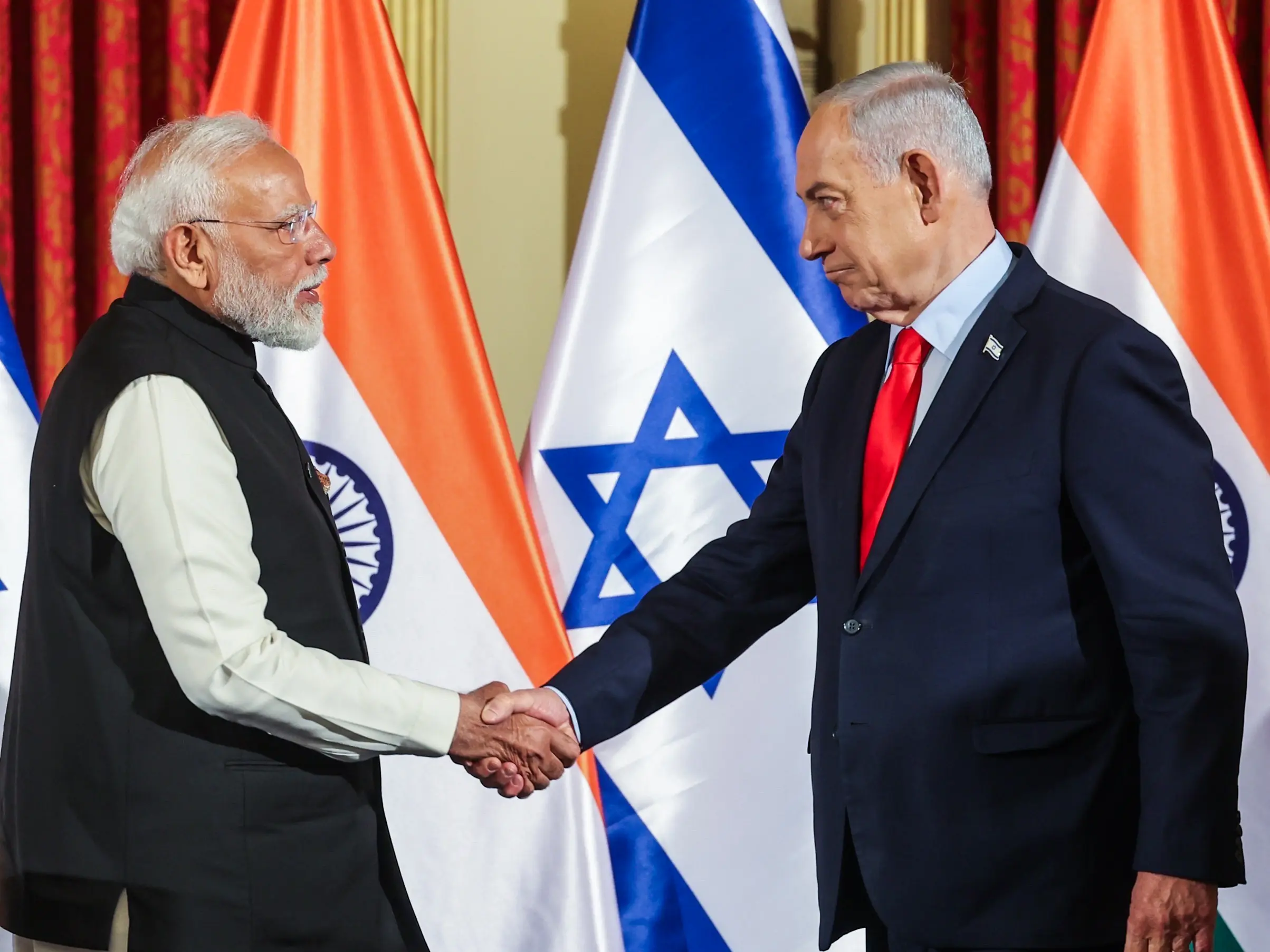
Xi said China “embraced the world with open arms” and highlighted several multilateral conferences hosted by Beijing this year, including the Shanghai Cooperation Summit in August, when world leaders, including Russia’s Vladimir Putin, India’s Narendra Modi, and Turkey’s Recep Tayyip Erdoğan, gathered in Tianjin, a port city near Beijing.
The broadcast of Xi’s speech on Chinese state media was interspersed with several shots of China’s largest-ever military parade, which was held in September to mark 80 years since the end of the Second World War. During the parade, which was viewed as an unbridled display of military force, Xi, Putin, and North Korea’s leader, Kim Jong-un, stood side by side in Beijing—a geopolitical alignment being termed the “axis of upheaval.”
In his speech, Xi also highlighted “Taiwan Retrocession Day”, a memorial day initiated in 2025 to mark the anniversary of the end of Japanese imperial rule in Taiwan in 1945. This year, Taiwan also passed a law to recognise the date, 25 October, as a national holiday.
The legacy of the Second World War has been a big theme in political rhetoric in China and Taiwan this year.
China emphasises its role in defeating the Japanese in that conflict, which it also feels has been underappreciated in the West.
Taiwan’s president, Lai Ching-te, also delivered a punchy speech comparing Taiwan to European democracies in the 1930s that faced a threat from Nazi Germany.
Xi hails progress in hi-tech development
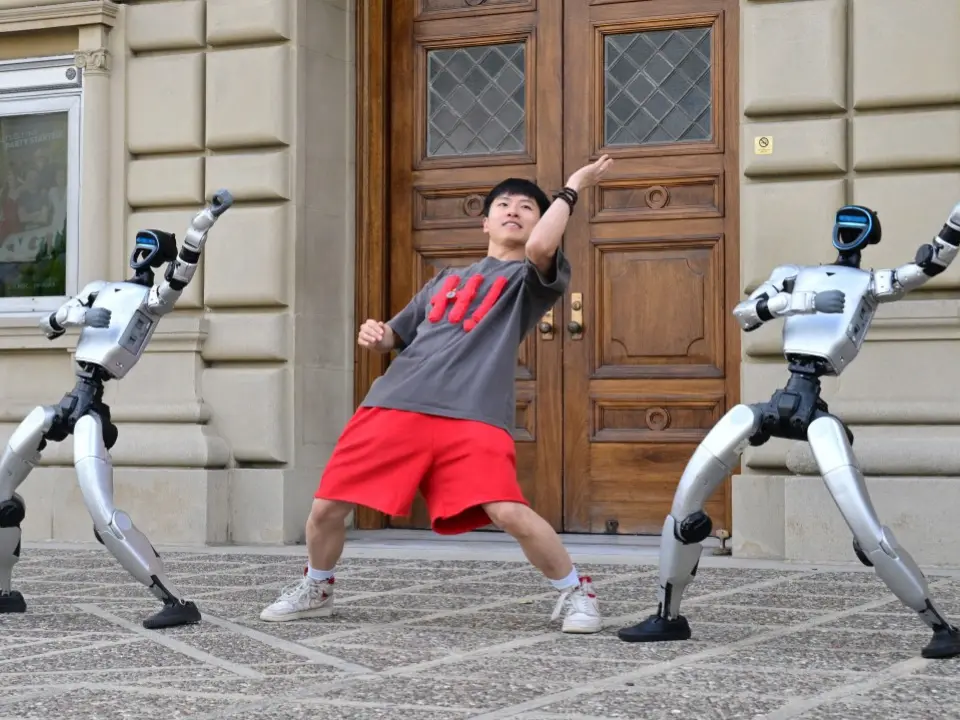
Xi also praised China’s progress in hi-tech development this year, mentioning the kickboxing robots and Tianwen-2, a comet exploration mission. He also flagged the global success of Chinese cultural exports, such as the video game Black Myth: Wukong and the animated film Ne Zha 2.
Earlier in the day, Xi addressed a meeting of top Chinese Communist Party officials and said that China was on track to meet its 5% GDP growth target.
Beijing also faces significant economic challenges, and the coming years are critical for it in consolidating its position in the world order amidst its rivalry with Washington.