Wonderful World | Antarctic Treaty turns 65; how one pact kept an entire continent free of war

&imwidth=600&imheight=450&format=webp&quality=medium "Wonderful World | Antarctic Treaty turns 65; how one pact kept an entire continent free of war")
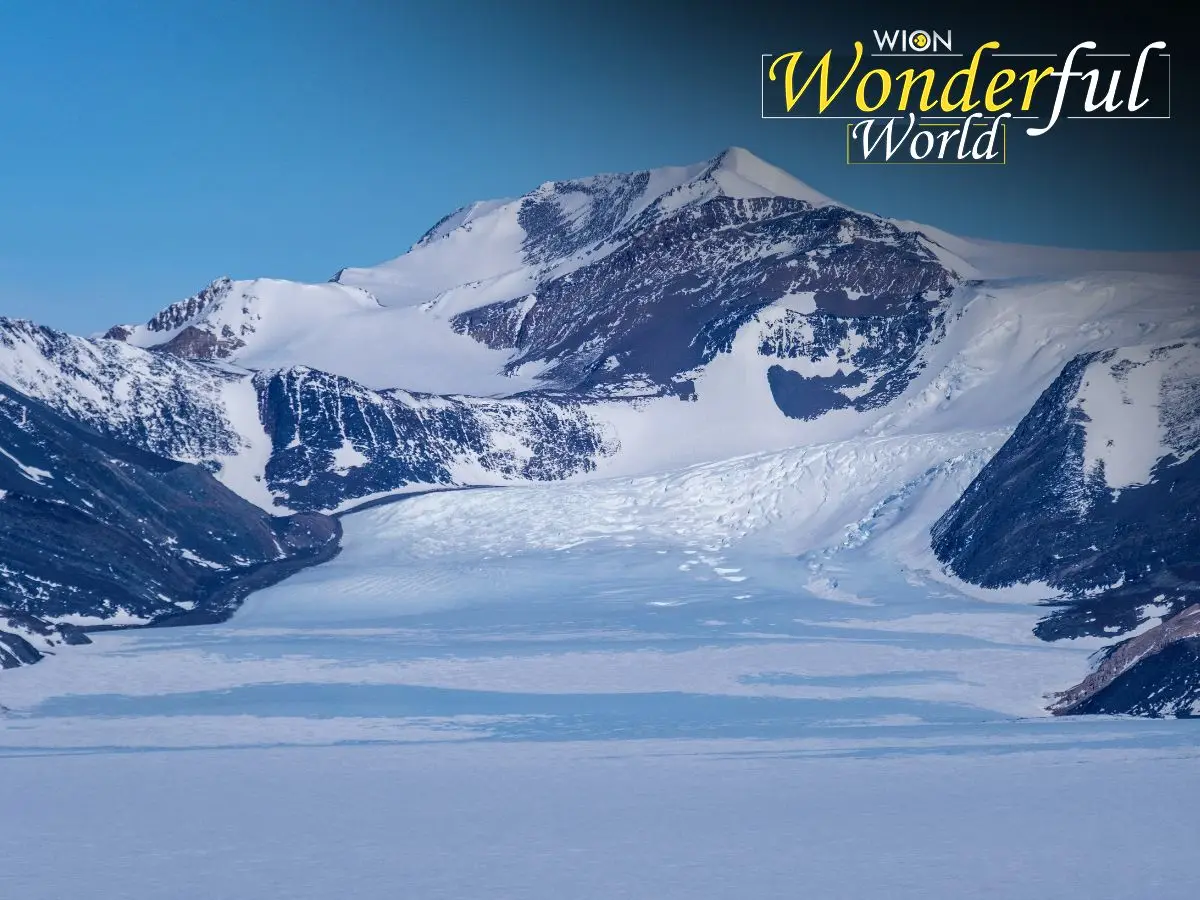
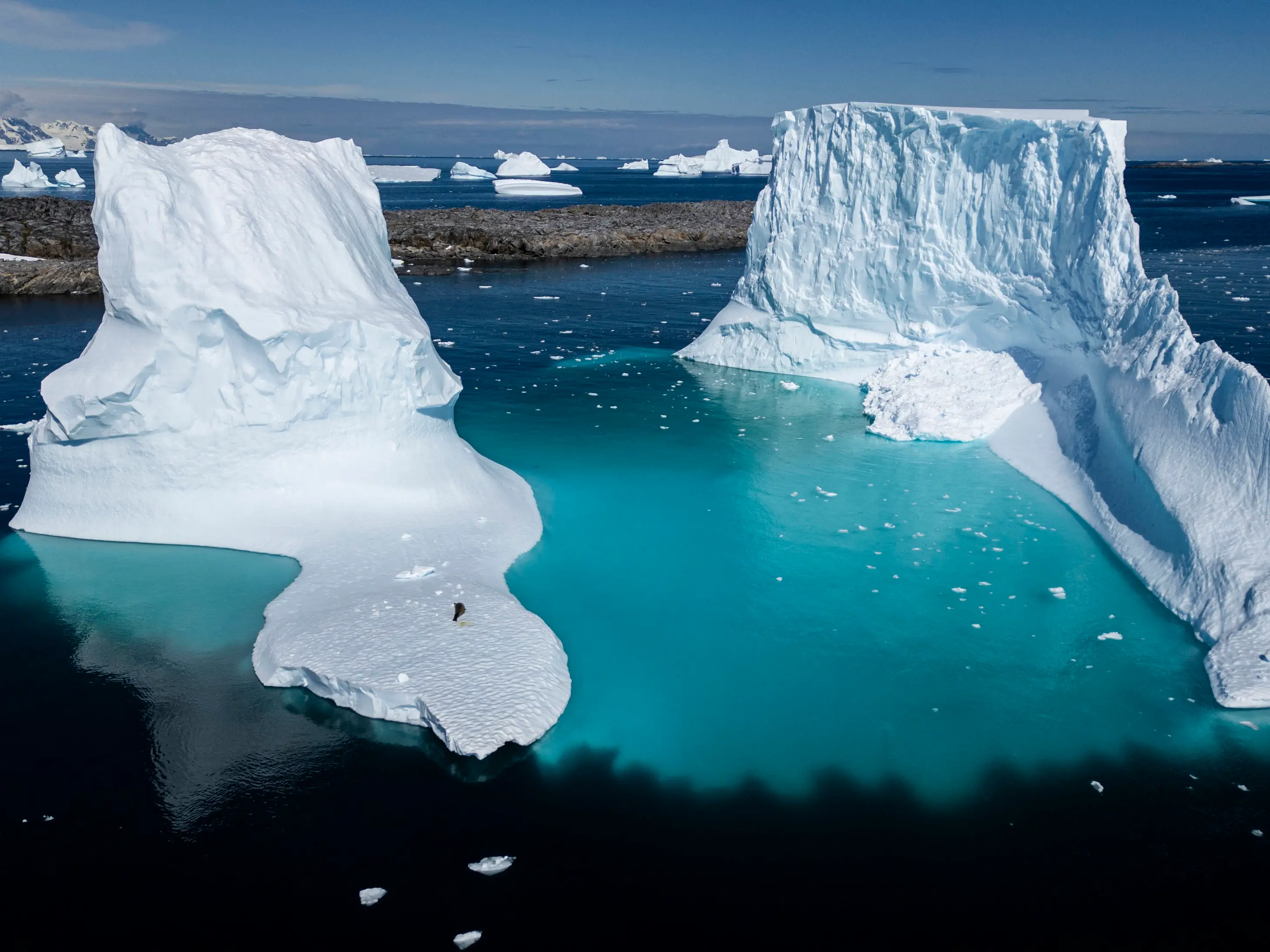
This image of Antarctica was released by the University of Santiago (USACH) on August 20, 2025. Photograph: (AFP)
The treaty ensures Antarctica is used only for peaceful purposes by banning military activities and promoting scientific cooperation, while also freezing territorial claims to prevent sovereignty disputes.
The Antarctic Treaty, one of the world's most significant international agreements, marks its 65th anniversary in 2026 after entering into force on June 23, 1961. Signed at the height of the Cold War, the treaty transformed Antarctica into a continent dedicated to peace and scientific research, making it a rare example of lasting international cooperation.
The agreement was signed in Washington on December 1, 1959, following the successful International Geophysical Year of 1957 to 1958, when countries worked together on scientific research in Antarctica. It applies to the entire region south of 60 degrees south latitude, covering nearly 10 per cent of the Earth's surface. Every year on December 1, Antarctica Day is observed to commemorate the signing of the treaty.
The treaty was originally signed by 12 countries that participated in Antarctic research during the International Geophysical Year. Today, it has expanded to 58 parties, including Consultative members with voting rights and Non-Consultative members without voting powers.
How the treaty preserved Antarctica for peace
The Antarctic Treaty established that the continent would be used only for peaceful purposes. It prohibits military activities, including the establishment of military bases and weapons testing, while allowing scientific cooperation to continue without restrictions.
Another key feature of the agreement is the freezing of territorial claims. The treaty neither recognises nor rejects existing claims, preventing disputes over sovereignty. Seven countries have historical claims in Antarctica, but these remain suspended while the treaty is in force.
Trending Stories
)
)
)
)
)
)
)
)
)
)
)
)
)
)
&im=FitAndFill=(700,400))
)
)
)
)
)
)
)
)
)
)
)
)
)
&im=FitAndFill=(700,400))
)
)
)
)
&im=FitAndFill=(700,400))
)
The agreement also declared Antarctica a nuclear-free zone by banning nuclear explosions and the disposal of radioactive waste. It further requires countries to exchange scientific observations and research findings freely, encouraging international collaboration.
Over the years, the treaty has expanded into the Antarctic Treaty System through additional agreements aimed at protecting the continent's fragile environment. These include the Convention for the Conservation of Antarctic Seals, the Convention on the Conservation of Antarctic Marine Living Resources and the Madrid Protocol. Adopted in 1991, the protocol designates Antarctica as a "natural reserve, devoted to peace and science" and prohibits all commercial mineral resource extraction.
India's growing scientific presence in Antarctica
India became a signatory to the Antarctic Treaty in 1983 and was granted Consultative status in the same year. It ratified the Madrid Protocol in 1998 and has steadily expanded its scientific presence on the continent.
India established its first permanent research station, Dakshin Gangotri, in 1983. Although it has since been decommissioned, it continues to serve as a supply base. The country also opened its first post office there in 1984.
The Maitri research station was commissioned in 1989 in the Schirmacher Oasis and remains operational. India later established a freshwater lake nearby, named Lake Priyadarshini, and opened another post office at Maitri on January 26, 1990.
In 2012, India commissioned the Bharati research station between Thala Fjord and Quilty Bay, about 3,000 kilometres east of Maitri. Designed to support year-round scientific research under the Indian Antarctic Programme, Bharati also houses the country's second active post office on the icy continent.