

&imwidth=800&imheight=600&format=webp&quality=medium "Will Russia’s massive ‘Power of Siberia 2’ gas pipeline dominate Xi-Putin talks in Beijing? What is it? | WION Decodes")
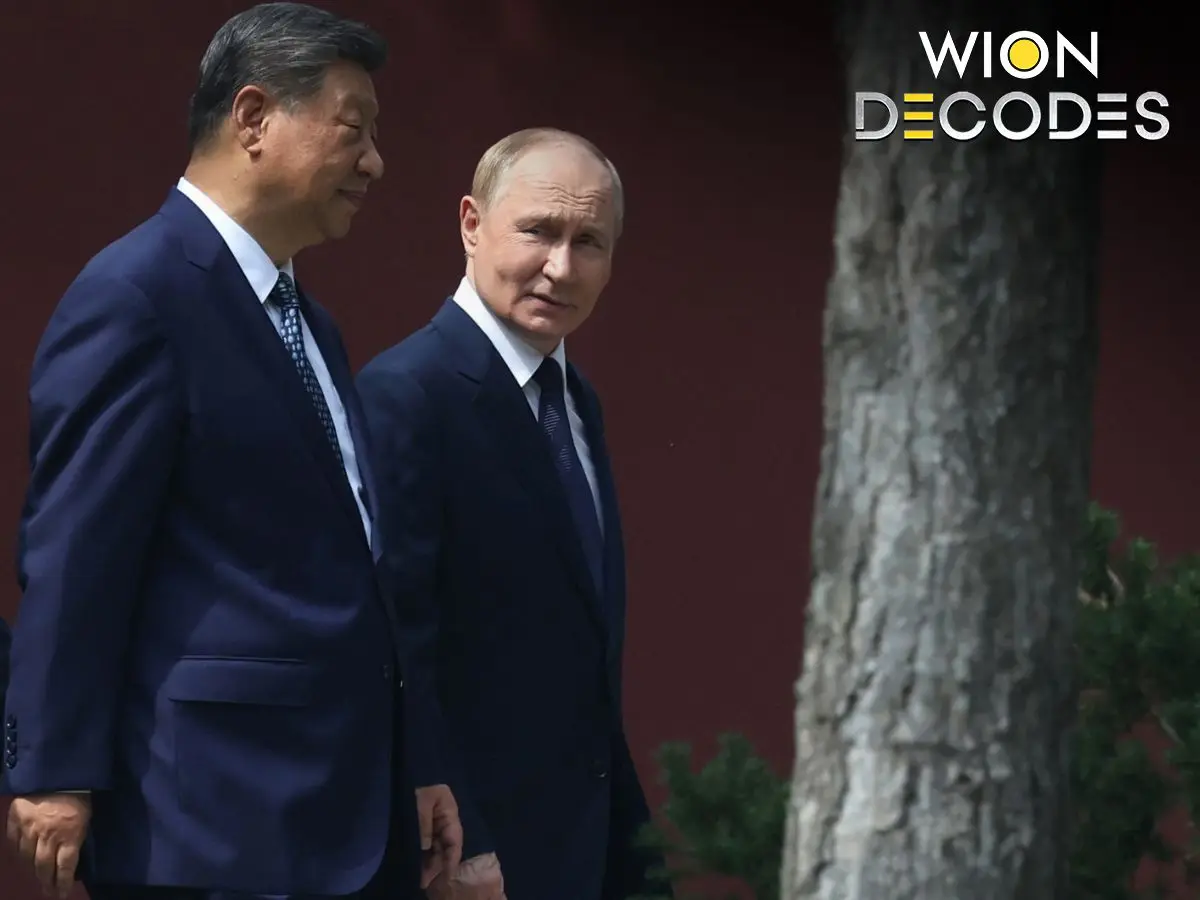
Russian President Vladimir Putin arrives in Beijing on Tuesday for talks with Chinese President Xi Jinping at a time when energy security, trade and geopolitical rivalries are becoming increasingly intertwined. Coming just days after US President Donald Trump’s closely watched visit to China, the summit is expected to highlight the strength of Beijing’s partnership with Moscow. While both sides routinely describe ties as ‘ironclad’, one project is likely to loom large over the discussions, the proposed Power of Siberia 2 natural gas pipeline. The pipeline has become central to Moscow’s efforts to redirect energy exports towards Asia after Western sanctions over the Ukraine war sharply reduced Russia’s gas business with Europe. For China, however, the calculation is more complex: securing long-term energy supplies while avoiding excessive dependence on a single partner.
What exactly is Power of Siberia 2?
Power of Siberia 2 is a proposed 2,600-kilometre cross-border gas pipeline designed to transport 50 billion cubic metres (bcm) of Russian natural gas annually to China through Mongolia. Unlike the existing Power of Siberia 1 pipeline, which began operations in 2019 and carries gas from eastern Siberian fields to China, the new route would draw supplies from the Yamal fields in western Siberia, reserves that once largely served European markets before sanctions linked to the Ukraine war disrupted Russia’s energy trade with Europe.
During Putin and Xi’s meeting in September 2025, both sides agreed to raise the annual capacity of Power of Siberia 1 from 38 bcm to 44 bcm. Russian energy giant Gazprom, which is leading the Power of Siberia 2 project, began feasibility studies in 2020 and announced a legally binding 30-year supply memorandum last year. However, the project has remained stalled over disagreements on pricing. Putin said in September that gas supplied through the pipeline would be priced using a market-based formula similar to the mechanism previously used for Russian gas exports to Europe.
Why the pipeline matters to Russia
Trending Stories
&imwidth=180&imheight=135&format=webp&quality=medium)
Brendan Taylor overtakes Andy Flower to become Zimbabwe’s leading ODI run-scorer
&im=FitAndFill=(700,400)&imwidth=180&imheight=135&format=webp&quality=medium)
What is the real meaning behind Pete Hegseth's tattoos?
&imwidth=180&imheight=135&format=webp&quality=medium)
Kenyan cult leader found guilty over starvation deaths of nearly 200 children
&imwidth=180&imheight=135&format=webp&quality=medium)
Flying car race: Alef Aeronautics welcomes Tesla Roadster '11 years' later, but are the two models the same?
&imwidth=180&imheight=135&format=webp&quality=medium)
France is burning. Trump blames immigrants. But who is answering Europe's real questions? | The Verdict
&imwidth=180&imheight=135&format=webp&quality=medium)
Shastri backs Shami comeback; lauds Bhuvi and warns Bumrah on format workload ahead of World Cup
&imwidth=180&imheight=135&format=webp&quality=medium)
Netanyahu rival Benny Gantz quits Israel election race, vows to push for unity government
&imwidth=180&imheight=135&format=webp&quality=medium)
US Midterm 2026: What do opinion polls and prediction markets say less than two weeks before voting
&imwidth=180&imheight=135&format=webp&quality=medium)
WATCH | Albania protesters set Supreme Court on fire as anti-Rama riots escalate
&imwidth=180&imheight=135&format=webp&quality=medium)
Trump Commerce Secretary Howard Lutnick’s family fortune more than doubles to $7.3 billion, outpacing his boss
&im=FitAndFill=(700,400)&imwidth=180&imheight=135&format=webp&quality=medium)
Ghaziabad is world's fastest-growing city; Surat, Patna, Rajkot also feature on list
&imwidth=180&imheight=135&format=webp&quality=medium)
‘Spare India from anarchy’: Over 400 Indian-origin academics from MIT, Oxford condemn anti-CEC protests
&imwidth=180&imheight=135&format=webp&quality=medium)
Haunting of a New York brewery: Apparition caught on camera at 160-year-old establishment
&imwidth=180&imheight=135&format=webp&quality=medium)
Pakistan betrays Iran, shuts border, trade as Trump moves towards new war
&imwidth=180&imheight=135&format=webp&quality=medium)
PCB omits Atherton, Hussain from tri-series commentary panel over Imran Khan interview row
&imwidth=180&imheight=135&format=webp&quality=medium)
US Congressman Raja Krishnamoorthi describes foiled temple attack as ‘divine intervention’, criticises Vance and MAGA rhetoric
&imwidth=180&imheight=135&format=webp&quality=medium)
9/11 case: US Supreme Court rejects plea deal appeal by alleged mastermind Khalid Sheikh Mohammed
&imwidth=180&imheight=135&format=webp&quality=medium)
Girl 'dead' for 8 hours wakes up at her own funeral, dad insists she wasn't breathing
&imwidth=180&imheight=135&format=webp&quality=medium)
Pujara says 'Samson and Vaibhav cannot be in Playing XI' for India on NZ tour
&imwidth=180&imheight=135&format=webp&quality=medium)
One dead after shooting near mosque in Columbus, Ohio. Here's what we know so far
&imwidth=180&imheight=135&format=webp&quality=medium)
Watch: Trump predicts Netanyahu’s victory, says ‘You’re the man I want by my side’
&im=FitAndFill=(700,400)&imwidth=180&imheight=135&format=webp&quality=medium)
New OTT releases this week (October 19-25, 2026): Gajab Raat to Chaar Yaar-8 titles to watch during Dussehra week on Netflix, Prime Video and more
&imwidth=180&imheight=135&format=webp&quality=medium)
US business activity grows in June, but tariffs and inflation cloud outlook
&imwidth=180&imheight=135&format=webp&quality=medium)
Baby orangutan rescued in India returns to Indonesia
&imwidth=180&imheight=135&format=webp&quality=medium)
India moves to buy 10,000 more AI chips for a national compute pool open to startups
&imwidth=180&imheight=135&format=webp&quality=medium)
'Whatever I can do to end this war': Trump floats China Summit with Putin and Xi, questions Zelensky's role in peace talks
&imwidth=180&imheight=135&format=webp&quality=medium)
WATCH | Viral video shows woman jogging past burning barricade amid Paris unrest, sparks online debate
&imwidth=180&imheight=135&format=webp&quality=medium)
'Close up your borders': Trump blames immigration for France unrest, urges Macron to tighten border policies
&imwidth=180&imheight=135&format=webp&quality=medium)
'We feel like Mr India': Gujarat’s undercover SHE team guard garba nights at Navratri
&imwidth=180&imheight=135&format=webp&quality=medium)
Cattle-feed bran in biscuits, detergent in milk: FSSAI acts against 3 companies
&imwidth=180&imheight=135&format=webp&quality=medium)
'It's a joy to see the makers bring it on such a grand scale': SS Rajamouli on Ramayana
&imwidth=180&imheight=135&format=webp&quality=medium)
Priest dies after crucifix falls on his head during livestreamed Mass in Ecuador | VIDEO
&imwidth=180&imheight=135&format=webp&quality=medium)
US midterm elections 2026: Early voting picks up pace ahead of November 3 polls
For Moscow, the project carries both economic and strategic significance. China has already become the world’s largest buyer of Russian fossil fuels, cushioning Russia from the impact of Western sanctions. “In principle, we have reached a high degree of consensus regarding the taking of a serious — indeed, very substantial — step forward in our cooperation within the oil and gas sectors,” Putin told reporters on May 9, according to Reuters.
In September 2025, AFP reported that Gazprom chief Alexei Miller described the agreement as ‘a very important step’ towards deepening the Russia-China strategic partnership and expanding ‘reliable supplies of clean energy’. Russia also agreed in 2025 to boost oil supplies to China via Kazakhstan by an additional 2.5 million metric tonnes annually.
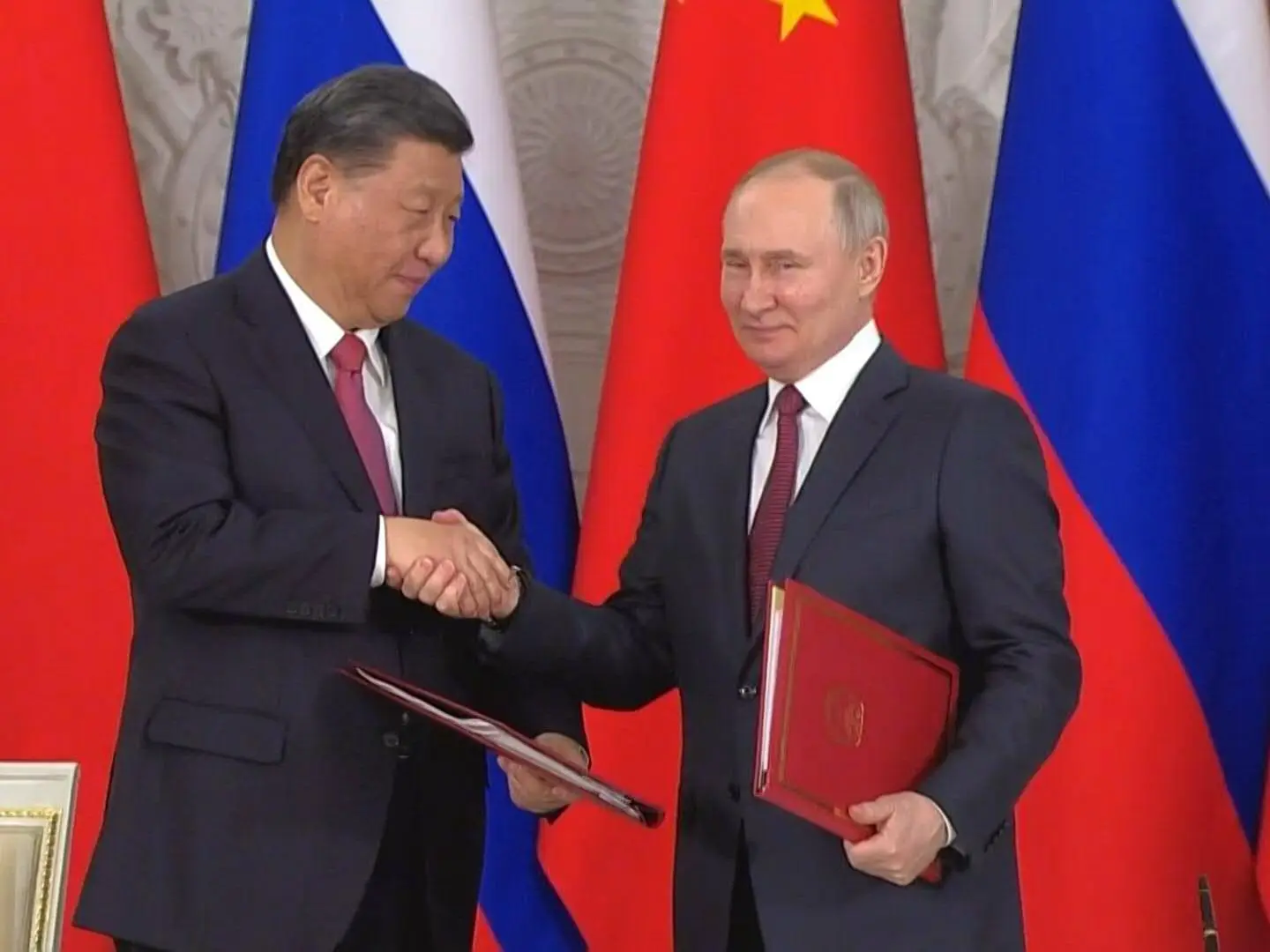)
Xi-Putin meeting in 2023 Photograph: (AFP)
China’s balancing act
Despite closer ties with Moscow, Beijing has avoided relying too heavily on Russian energy. Analysts say China continues to prioritise supply diversification. China is simultaneously discussing energy arrangements with Turkmenistan, which already supplies large volumes of gas to the Chinese market. A fourth pipeline proposed in 2014, from Turkmenistan’s giant Galkynysh gas field to northwest China, has itself faced years of delays over pricing disputes and logistical complexities involving Uzbekistan, Kyrgyzstan and Tajikistan, the countries through which the pipeline would pass.
Other existing gas pipeline network
According to Reuters, China’s pipeline-based natural gas imports have risen steadily, reaching 59.4 million tonnes in 2025 and accounting for about 19 per cent of domestic consumption. The country currently receives gas through five major pipelines linking it to Central Asia, Russia and Myanmar. Three pipelines from Turkmenistan and Uzbekistan, via Kazakhstan, supply over 40 billion cubic metres annually. The Myanmar-China Gas Pipeline has operated since 2013, while Russia and China are also building a separate 10 bcm pipeline connecting China to Russia’s Sakhalin island.
Could the Iran conflict influence talks?
Recent instability linked to the conflict involving Iran and disruptions around the Strait of Hormuz have renewed attention on overland energy routes less vulnerable to maritime disruption. That could strengthen Russia’s argument for Power of Siberia 2 as a stable, land-based supply corridor into China. Yet experts caution that pricing negotiations could still take years.
More than just an energy deal
The pipeline is also a symbol of the broader Russia-China strategic partnership. Putin and Xi have met dozens of times, with the Kremlin increasingly viewing Beijing as its most important economic partner. This week marks Putin’s 25th visit to China, according to Beijing’s foreign ministry. As Xi hosts his ‘old friend’, the fate of Power of Siberia 2 may offer the clearest indication yet of how far the two powers are prepared to deepen their long-term alignment.

