
&imwidth=800&imheight=600&format=webp&quality=medium "Why Trump’s Greenland ploy is both a gift and a headache for the Kremlin")
For decades, Moscow has sought to exploit and deepen rifts between the United States and Europe, believing that a divided West would be less capable of resisting Russian ambitions. Undermining transatlantic unity has been a cornerstone of Kremlin strategy, pursued through disinformation campaigns, covert sabotage, and sustained political pressure on Western institutions.
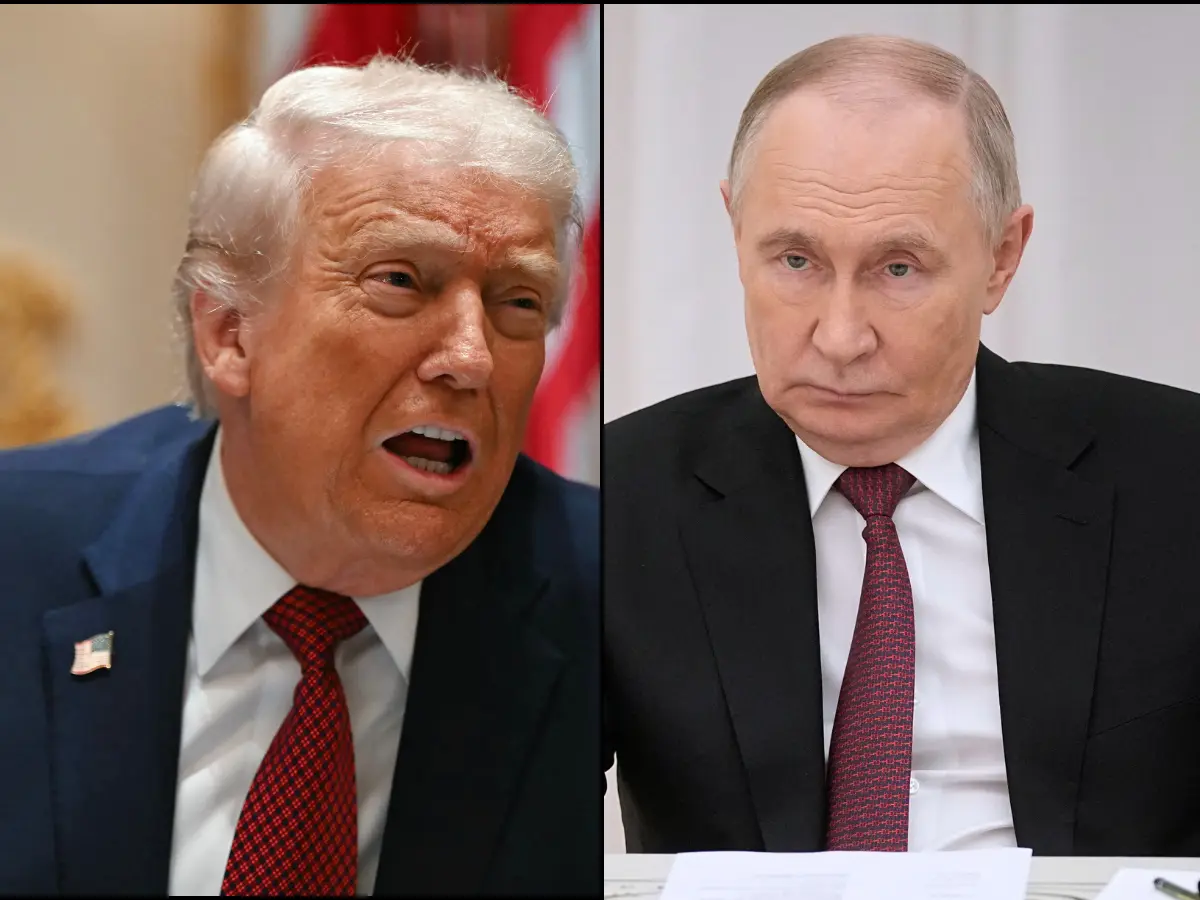
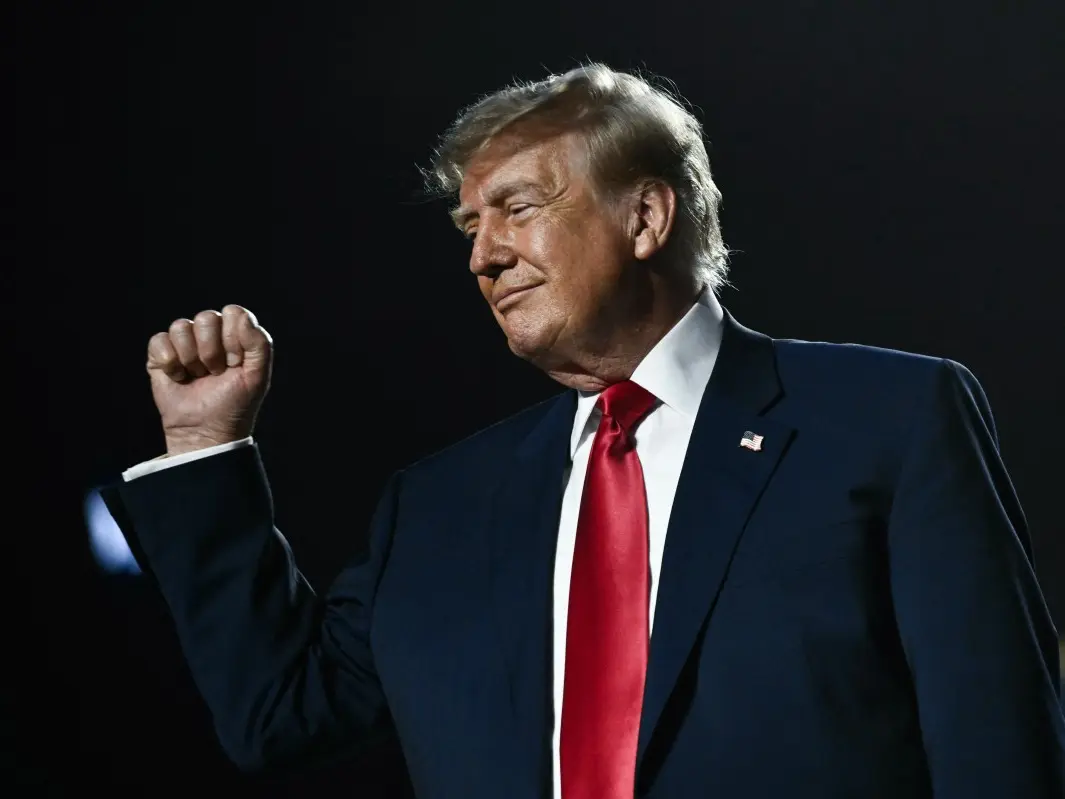
At the center of these efforts sits NATO, the military alliance that for 80 years has constrained Russia’s ability to project power across Europe. The Kremlin has long portrayed NATO expansion as a threat, a narrative used to rationalize its full-scale invasion of Ukraine nearly four years ago. Against that backdrop, the recent turmoil triggered by US President Donald Trump’s overtures toward Greenland has drawn intense interest in Moscow. The idea that NATO could fracture, not over war or defense spending, but over the status of a Danish territory, has been met with visible fascination, and even delight, among Russian commentators.
European officials have openly acknowledged the geopolitical implications. “China and Russia must be enjoying this,” EU foreign policy chief Kaja Kallas remarked after Trump warned European allies with sweeping tariffs if they opposed US control of Greenland. Publicly, both Russia and China deny harboring ambitions toward Greenland, and Denmark’s military has dismissed any immediate threat from the east. Yet Russian state television has been less restrained, with pro-Kremlin analysts hailing Trump’s actions as a severe blow to NATO cohesion and a strategic gift to Moscow.

From a Western perspective, the fear is straightforward: if transatlantic unity erodes, military and financial backing for Ukraine could weaken, handing Russia a decisive advantage on the battlefield. That concern may well be justified.
Still, Moscow’s celebrations remain muted. Official Kremlin reactions have been cautious, even critical. Spokesman Dmitry Peskov accused Trump of acting outside international law, an ironic rebuke from a government frequently accused of violating those same norms.
Trending Stories
)
No Pandya as Auqib Nabi earns maiden ODI call-up; Mayank returns for WI T20Is| check full squads
)
Chiefs tight end Travis Kelce named one of the victims in $35 million ponzi scheme
)
Trump praises India’s Opium crackdown, hails anti-drug efforts
)
Sydney Sweeney defends provocative ad choice, the internet is still not impressed
)
Former India player Diana Edulji wants Smriti Mandhana to replace Harman as skipper at the earliest
)
Trump calls Canada-EU associate membership plan ‘laughable’ and threatens 'very serious tariffs'
)
Protests erupt over migrant housing plan in Piddington
)
Shahzad Bhatti Network declared terrorist organisation under UAPA: Govt order
)
Europe wants a common playbook for security threats, seeks security beyond NATO
)
Formula One reveals the 2027 race calendar; Monaco to host sprint race for the first time
)
All Indian goods to get duty-free access to New Zealand
)
Bigg Boss 20: Mahhi Vij reveals she lost Yuva role to Kareena Kapoor; 'didn’t work out in my favour'
)
Lionel Messi for 2026 Ballon d’Or over Mbappe and Yamal, says Diego Simeone
)
US House votes 417-3 to pass Ratepayer Protection Act targeting AI data center electricity costs
)
Hong Kong unveils 11 new measures to boost birth rates, offers higher cash bonuses and housing perks
)
Former OpenAI researcher warns of growing risks from Artificial Intelligence
)
Veteran actor Anant Nag honoured with Indian cinema’s highest award
)
AUS vs SA: Steve Smith still gets 'little flashbacks' from sandpaper gate
)
Pakistan naval vessel returns to harbour with 'severe damage' after collision with Indian warship in Arabian Sea
)
Fed raises rates for first time in 3 years, Kevin Warsh defies Trump as inflation mounts
)
Katrina Kaif’s postpartum weight is not the problem; your gaze is
)
Taiwan seeks deeper India ties as direct flights restart soon and chip projects advance
)
Daayra movie review: Kareena Kapoor, Prithviraj Sukumaran shine in Meghna Gulzar’s cop-versus-cop crime thriller
)
Saudi Vs Houthis: Yemeni military rebels clash with Houthis
)
Pak batter Rizwan's petition against being questioned by cyber crime agency rejected by court
)
US trade tariff: 100% tariff targets Russian buyers amid trade tensions
)
Pakistan: Imran Khan's sons Kasim & Sulaiman claim their father is 'tortured' in jail
&im=FitAndFill=(700,400))
New OTT releases this week (September 14-20, 2026): Lust Stories 3, Waiting Hai, Irumudi- 5 new titles coming on Netflix, Prime Video and more
)
Trump gets new power to hit India, China with up to 100% tariffs as US Senate clears Russia sanctions bill
)
Prime Minister Narendra Modi's birthday: Italian PM Meloni sends birthday wishes
)
‘Imagine 50 AI fighters cornering one manned jet’: India’s mobbing doctrine eyes a new era of air warm
)
Saudi vs Houthis: Riyadh claims to have shot Houthi drone targeting Mecca
)
US Treasury rallies global financial institutions for Op Economic Outcast to isolate Iran
)
India breaks silence on US Russia sanctions bill, 100% tariff threat: ‘Committed to energy security’ for 1.4 billion
)
Pakistan boycotts chess match against Israel at Olympiad
)
Want to get married within a year? Why 18 lakh people rush to Jaipur for ‘sacred henna’
&im=FitAndFill=(700,400))
Suriya and Jyothika say ‘I do’ again after 20 years! See their dreamy wedding pics
)
Abhishek Sharma rises to No. 2 in T20Is; ENG’s Robinson 3rd after record Pakistan Tests
)
The Early Spring season 2 is happening, but fans have one request - 'don't change the actors'
Beyond public rhetoric, Russian strategists may see risks as well as opportunities. Expanded US influence in Greenland would strengthen Washington’s position in the Arctic, a region where Moscow has invested heavily and seeks dominance. More broadly, the Kremlin appears unsettled by what it perceives as an erratic and unconstrained American foreign policy. In a recent address, President Vladimir Putin criticized what he described as a global trend toward unilateral action, warning that force was increasingly replacing diplomacy, comments widely interpreted as a veiled critique of Washington, despite Russia’s own record.
Compounding Moscow’s unease is the steady erosion of its global partnerships. The fall of Syria’s Russian-backed leader Bashar al-Assad dealt a major blow. Iran, another key ally, has endured US and Israeli strikes and faces renewed instability. Venezuela’s president Nicolás Maduro, long supported by Moscow, was dramatically detained by US forces earlier this month, further highlighting Russia’s diminishing influence.
Speculation that Cuba could be next on Washington’s list of pressure targets only deepens the sense of vulnerability in Moscow. For years, the Kremlin has dismissed the post–World War II international order as a Western construct designed to preserve American dominance. Russia has openly challenged the principle that borders cannot be changed by force and argued instead for a world governed by great-power spheres of influence.
Ironically, Washington’s recent rhetoric appears to echo parts of that worldview, a theoretical win for Moscow. Yet any satisfaction is tempered by anxiety over the unpredictability of US power. Dealing with a volatile Trump administration may prove more difficult for the Kremlin than confronting a consistent, rules-based adversary. As one Russian tabloid bluntly put it, likening global politics to an asylum: the real fear is not just chaos—but who is now in charge of it.

