Why are Americans boycotting McDonald’s this week? All you need to know

&imwidth=600&imheight=450&format=webp&quality=medium "Why are Americans boycotting McDonald’s this week? All you need to know")
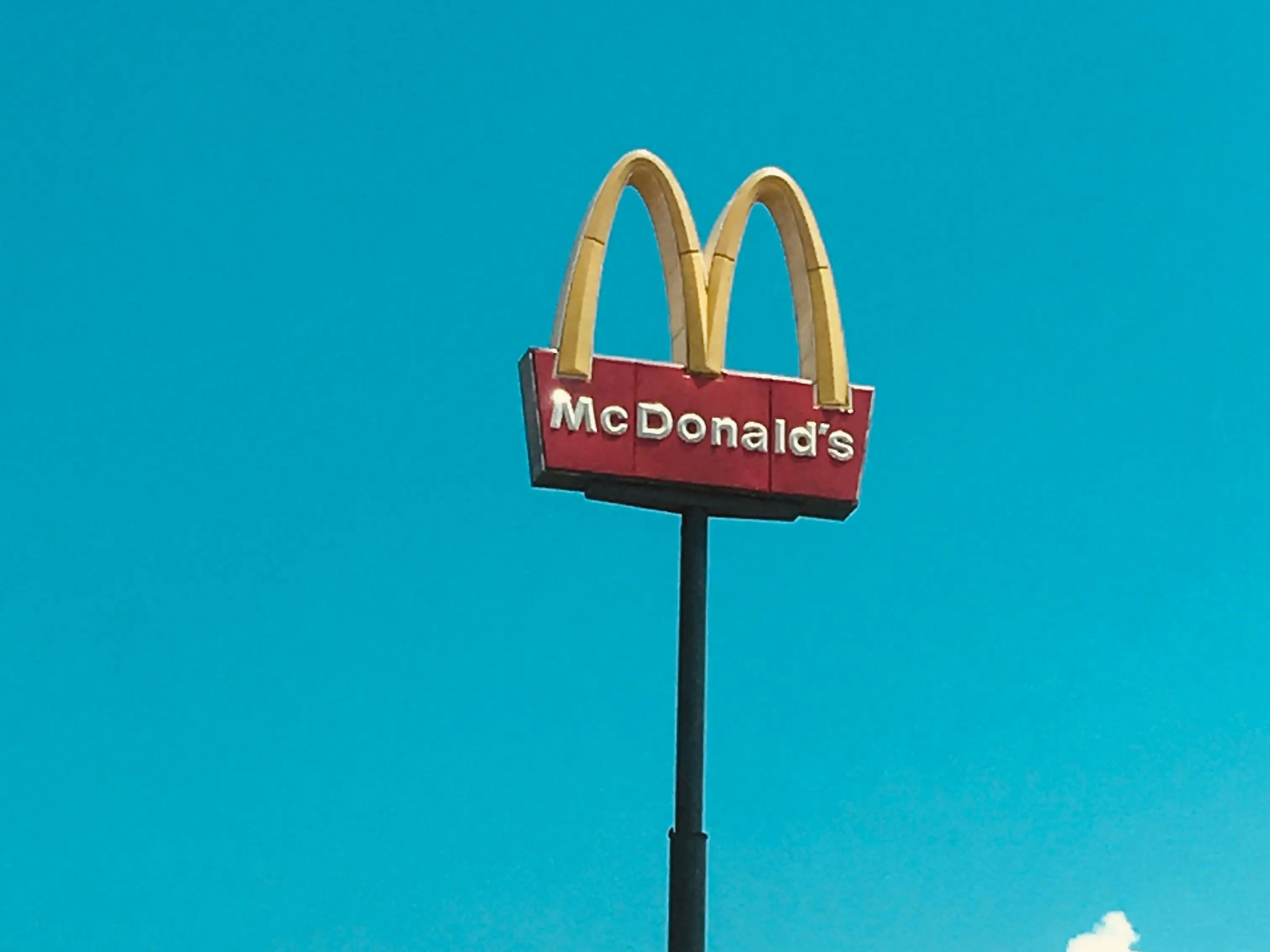
McDonald’s is facing a nationwide boycott in the United States from June 24 to June 30 Photograph: (Unsplash)
The demonstrations are organised by The People’s Union USA, which is known for its recent “economic blackouts” against major US brands including Amazon, Walmart, Target, and General Mills.
The fast-food giant McDonald’s is facing a nationwide boycott in the United States from June 24 to June 30 as part of a growing wave of consumer activism. The protest is aimed at various issues, including tax avoidance, labour practices, and performative diversity efforts. The demonstrations are organised by The People’s Union USA, which is known for its recent “economic blackouts” against major US brands including Amazon, Walmart, Target, and General Mills. The group’s founder, John Schwarz, has accused McDonald’s of corporate hypocrisy and exploitation.
The fast food chain recently scaled back its diversity, equity, and inclusion (DEI) programs earlier this year, and is now facing protests against the changes. This comes when the company is already struggling with a drop in sales and inflation-weary customers.
Why is McDonald’s facing boycott?
John Schwarz, the founder of the group The People’s Union USA, said that the decision to boycott McDonald’s stemmed from several grievances. These include reduced DEI goals, pricing practices, labour concerns, and marketing strategies. “We’re boycotting McDonald’s because they’ve shown time and time again that profit matters more than people,” Schwarz told USA TODAY. “From price gouging to tax evasion, from inequality in pay to exploitation in advertising… their DEI efforts feel more like promotional stunts than real systemic change.”
In January, the company halted setting its measurable goals for increasing diversity in senior roles. It also stopped a supplier diversity program. In a conference in June, McDonald’s US chief people officer Jordann Nunn said that the company has updated its DEI language but added that “none of our programming has changed.”
Schwarz has claimed that McDonald’s pays less in taxes than the minimum wages paid to workers by exploiting loopholes and offshore tax havens. In recent years, it has also raised menu prices despite saying it made record profits, which Schwarz says were made at the expense of ordinary customers. The organising group has also alleged that McDonald’s uses a franchise structure to evade direct accountability for worker conditions and has lobbied against hikes in wages and union protections.
McDonald’s is among the major corporations in the US that scaled back or reframed their strategies for DEI since US President Donald Trump returned to office in January 2025. Trump has issued executive orders to eliminate “illegal DEI” across federal agencies and influence policies in the private sector.
Trending Stories
)
)
)
&im=FitAndFill=(700,400))
)
)
)
)
)
)
)
)
)
)
)
)
)
)
)
&im=FitAndFill=(700,400))
)
)
)
)
)
)
)
)
)
)
&im=FitAndFill=(700,400))
)
)
)
&im=FitAndFill=(700,400))
While conservatives pushing anti-DEI campaigns have targeted companies, including Bud Light and Target, pro-DEI advocates like Black churches and civil rights groups have launched their own economic responses to pressure the companies, which are seemingly retreating from diversity commitments.
Will the boycotts affect companies?
The outcome of these boycotts remains unclear, but companies have reported noticeable effects. Target said that boycotts against its diversity policies have led to a decline in consumer spending in the first quarter. Since the pandemic in 2020, McDonald’s has reported a sharp decline in its sales. CEO Chris Kempczinski said in April that consumers were “grappling with uncertainty” and value promotions would be vital for winning the customers back. While the long-term impact of the protests remains unclear, the timing of the boycott may add to the company’s existing challenge.

