US stocks rise after Supreme Court rules against Trump’s sweeping tariffs

&imwidth=600&imheight=450&format=webp&quality=medium "US stocks rise after Supreme Court rules against Trump’s sweeping tariffs")
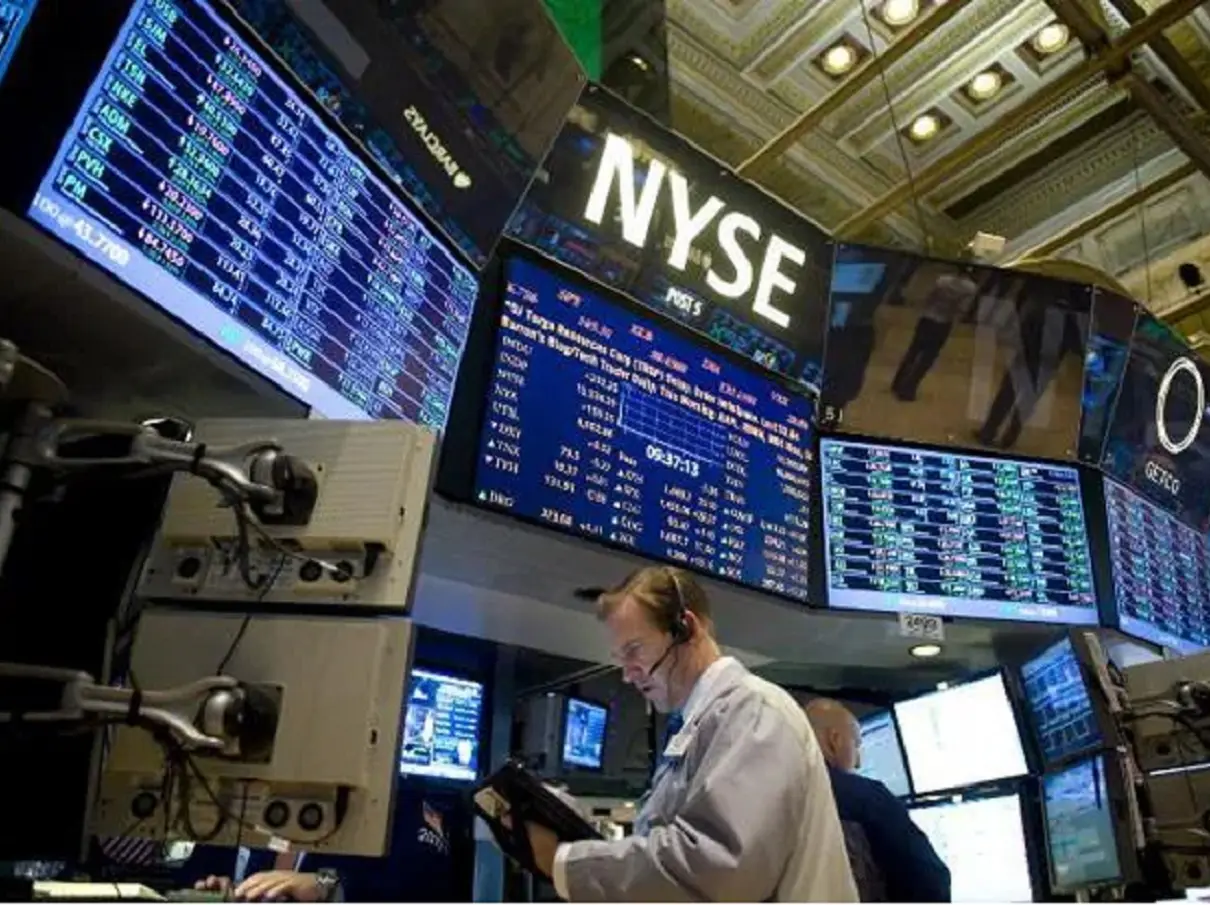
File photo of the New York Stock Exchange Photograph: (AFP)
The six-three decision by the US Supreme Court buoyed the markets and sparked a rally in transportation stocks and in tariff-exposed companies. The dollar slipped, while Treasury yields edged higher.
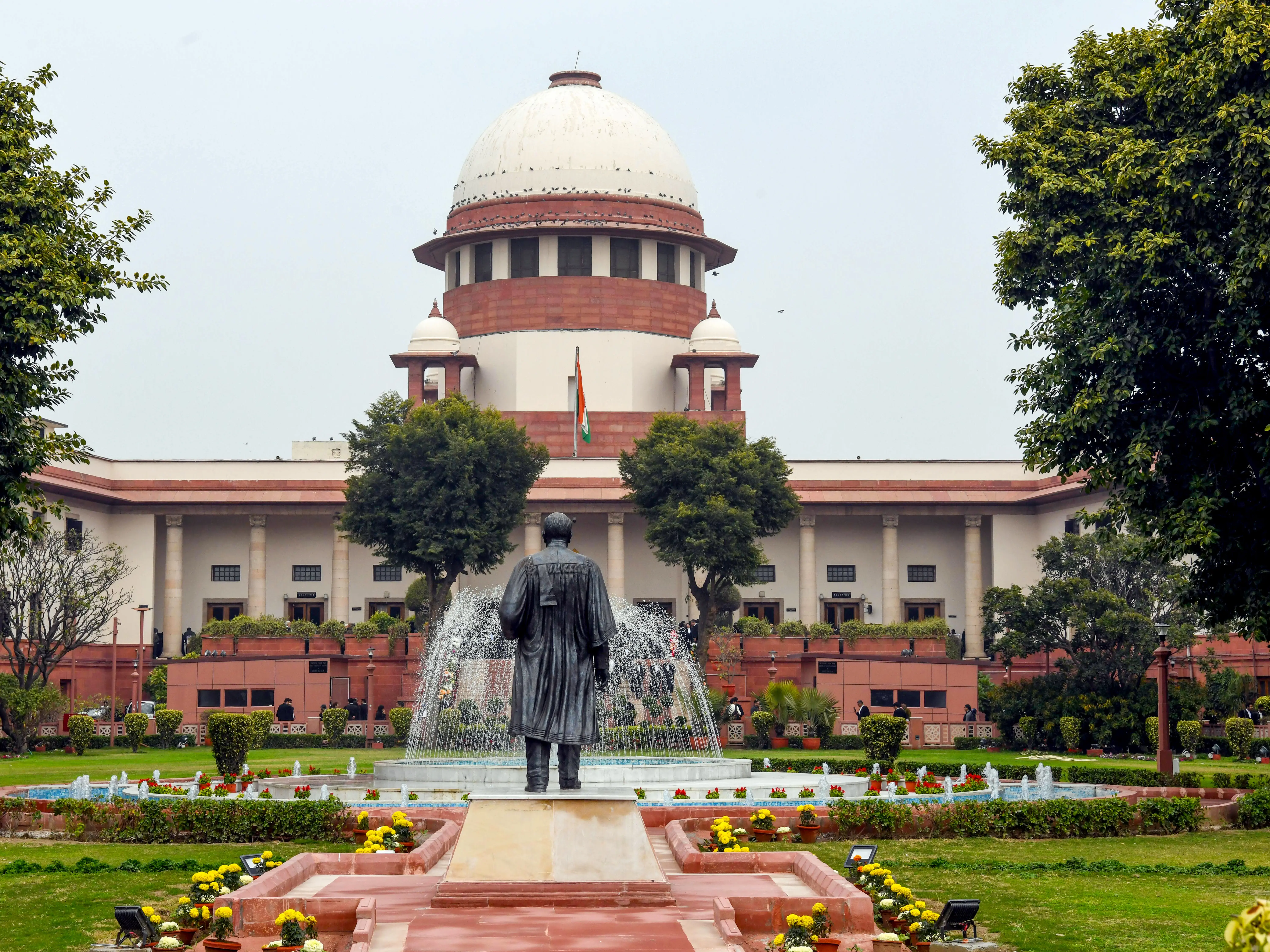
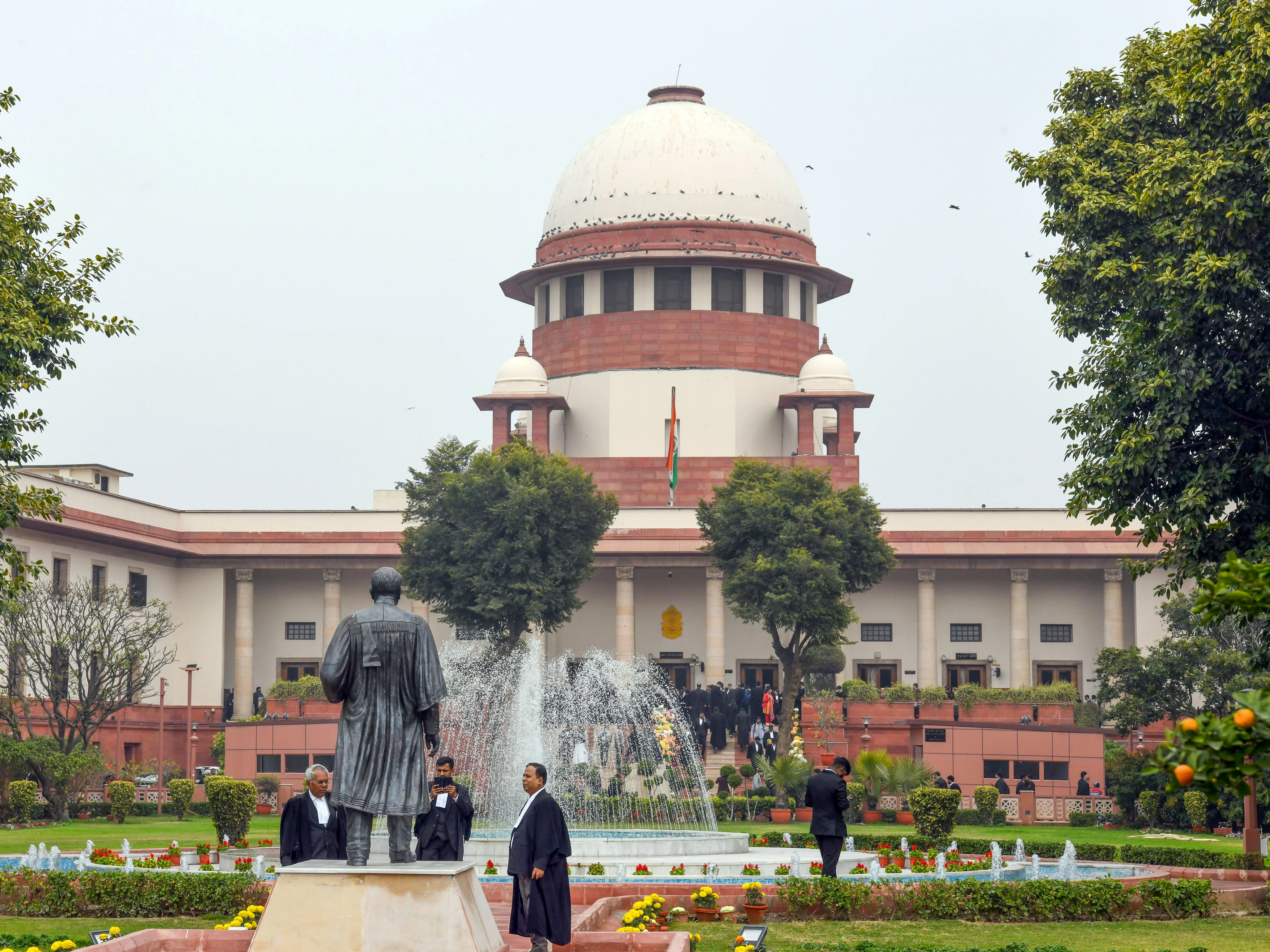
US stocks mostly rose on Friday, as Wall Street’s main stock indexes jumped after the Supreme Court struck down US President Donald Trump’s sweeping tariffs imposed under the International Emergency Economic Powers Act (IEEPA) of 1977. The top court has voided Trump’s global tariffs since they were enacted under a federal law meant for national emergencies. The Supreme Court said Trump exceeded his powers by imposing duties without a clear Congressional authorisation.
The six-three decision by the court buoyed the markets and sparked a rally in transportation stocks and in tariff-exposed companies like Nike and Abercrombie & Fitch. The dollar slipped, and Treasury yields edged higher, said a WSJ report.
Soon after the news trickled in, the Dow Jones Industrial Average rose 207.03 points, or 0.42%, to 49,602.19, the S&P 500 gained 33.44 points, or 0.52%, to 6,895.33 and the Nasdaq Composite gained 153.93 points, or 0.68%, to 22,836.66.
European auto shares and US-listed shares of stock markets from South Korea to India rallied.
The yields on US Treasury bonds also jumped across maturities. Yields on the 10-year bond, which mortgage rates often track closely, rose to 4.096%, while the 30-year Treasury yield rose to 4.74%.
Trending Stories
&im=FitAndFill=(700,400)&imwidth=280&imheight=210&format=webp&quality=medium)
&imwidth=280&imheight=210&format=webp&quality=medium)
&imwidth=280&imheight=210&format=webp&quality=medium)
&imwidth=280&imheight=210&format=webp&quality=medium)
&imwidth=280&imheight=210&format=webp&quality=medium)
&imwidth=280&imheight=210&format=webp&quality=medium)
&imwidth=280&imheight=210&format=webp&quality=medium)
&im=FitAndFill=(700,400)&imwidth=280&imheight=210&format=webp&quality=medium)
&imwidth=280&imheight=210&format=webp&quality=medium)
&imwidth=280&imheight=210&format=webp&quality=medium)
&imwidth=280&imheight=210&format=webp&quality=medium)
&imwidth=280&imheight=210&format=webp&quality=medium)
&imwidth=280&imheight=210&format=webp&quality=medium)
&imwidth=280&imheight=210&format=webp&quality=medium)
&im=FitAndFill=(700,400)&imwidth=280&imheight=210&format=webp&quality=medium)
&imwidth=280&imheight=210&format=webp&quality=medium)
&imwidth=280&imheight=210&format=webp&quality=medium)
&imwidth=280&imheight=210&format=webp&quality=medium)
&imwidth=280&imheight=210&format=webp&quality=medium)
&imwidth=280&imheight=210&format=webp&quality=medium)
&imwidth=280&imheight=210&format=webp&quality=medium)
&imwidth=280&imheight=210&format=webp&quality=medium)
&im=FitAndFill=(700,400)&imwidth=280&imheight=210&format=webp&quality=medium)
&imwidth=280&imheight=210&format=webp&quality=medium)
&imwidth=280&imheight=210&format=webp&quality=medium)
&imwidth=280&imheight=210&format=webp&quality=medium)
&imwidth=280&imheight=210&format=webp&quality=medium)
&imwidth=280&imheight=210&format=webp&quality=medium)
&imwidth=280&imheight=210&format=webp&quality=medium)
&imwidth=280&imheight=210&format=webp&quality=medium)
&imwidth=280&imheight=210&format=webp&quality=medium)
&imwidth=280&imheight=210&format=webp&quality=medium)
&imwidth=280&imheight=210&format=webp&quality=medium)
The U.S. dollar jumped against other currencies, such as the British pound, Euro, and Japan's yen, a signal that investors are taking the court decision favourably.
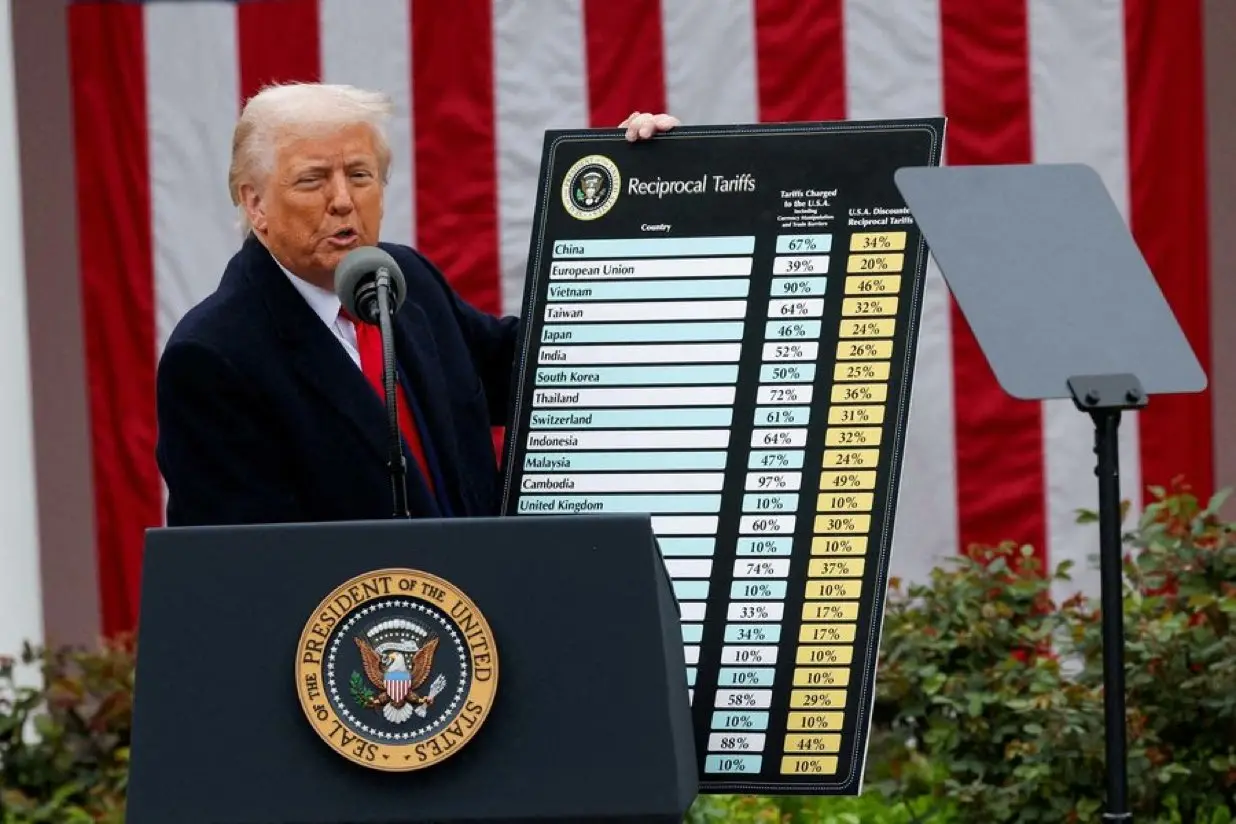
Trump imposed the levies in February 2005 under the 1977 economic sanctions law meant to be used only during national emergencies. His April 2 “Liberation Day” tariffs included a baseline duty of 10% on all imports to the US and specific additional tariffs of 15% to 50% on most countries, many of which were later renegotiated and lowered.
Thousands of companies around the world have filed lawsuits challenging the sweeping tariffs and sought refunds on duties they have paid.