US intel assessment signals potential shift in Iran’s nuclear stance under Mojtaba Khamenei

&imwidth=600&imheight=450&format=webp&quality=medium "US intel assessment signals potential shift in Iran’s nuclear stance under Mojtaba Khamenei")
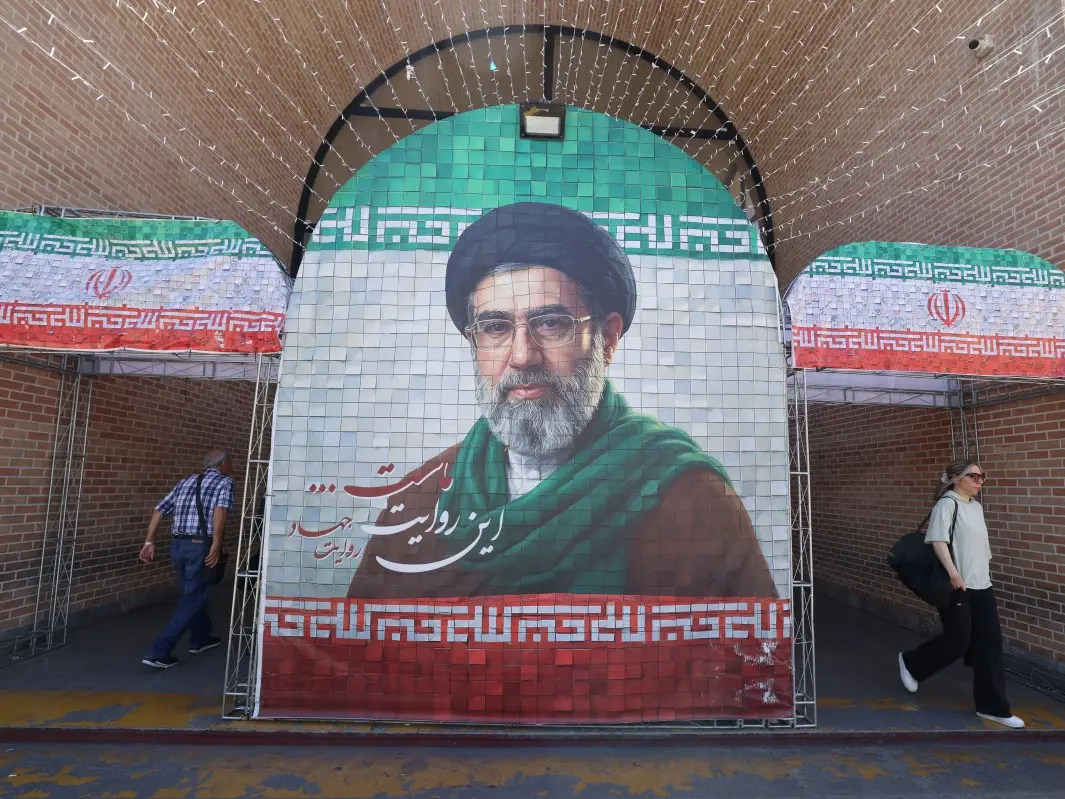
US intel assessment signals potential shift in Iran’s nuclear stance under Mojtaba Khamenei Photograph: (Credit: AFP)
A recent US intelligence assessment suggests Iran’s new supreme leader, Mojtaba Khamenei, may be more open to pursuing nuclear weapons than his father, raising concerns over regional escalation.
A recent US intelligence assessment suggests that Iran’s new supreme leader, Mojtaba Khamenei, may be more open to developing nuclear weapons than his father, Ali Khamenei. The finding has heightened concerns over Tehran’s strategic ambitions and raised the potential for fresh regional escalation. Analysts pointing to Mojtaba Khamenei’s potential interest in a nuclear deterrent highlight several factors, including lessons drawn from recent direct military confrontations with Israel and the United States, close ties to senior Islamic Revolutionary Guard Corps (IRGC) commanders, and a regional security environment where Israel is widely believed to possess nuclear weapons. However, US officials emphasise that these assessments remain analytical judgments rather than confirmed policy decisions, as Iran officially maintains its program is strictly peaceful and has made no announcement indicating a decision to build a weapon.
Is Iran now moving closer to developing a nuclear weapon under Mojtaba Khamenei?
Currently, most independent experts assess Iran as remaining a nuclear threshold state possessing sufficient enriched uranium, advanced centrifuge technology, and technical expertise to produce a nuclear weapon relatively quickly if instructed, though it has not made the political decision to assemble and deploy one. Concerns have grown following reports that Iran is rebuilding nuclear infrastructure in hardened underground facilities following military strikes, along with ongoing requests from the International Atomic Energy Agency (IAEA) for cooperation and inventory clarification.
Crossing into a full nuclear weapons state would require distinct steps: enriching uranium to around 90% weapons-grade levels, converting material into weapon components, undertaking weaponisation activities such as designing and testing an explosive package, and integrating a warhead onto a delivery system. While an expanded Iranian program could trigger a conflict with the United States and Israel, war is not inevitable. Escalation risks could rise if intelligence discovers concrete evidence of actual weaponisation, diplomatic negotiations break down, or regional proxy conflicts intensify. Conversely, conflict could be deterred by diplomatic mediation, IAEA inspections, high military and economic costs, and shared incentives to protect global energy markets.
Trending Stories
&imwidth=280&imheight=210&format=webp&quality=medium)
&imwidth=280&imheight=210&format=webp&quality=medium)
&imwidth=280&imheight=210&format=webp&quality=medium)
&imwidth=280&imheight=210&format=webp&quality=medium)
&imwidth=280&imheight=210&format=webp&quality=medium)
&imwidth=280&imheight=210&format=webp&quality=medium)
&imwidth=280&imheight=210&format=webp&quality=medium)
&imwidth=280&imheight=210&format=webp&quality=medium)
&imwidth=280&imheight=210&format=webp&quality=medium)
&imwidth=280&imheight=210&format=webp&quality=medium)
&imwidth=280&imheight=210&format=webp&quality=medium)
&imwidth=280&imheight=210&format=webp&quality=medium)
&imwidth=280&imheight=210&format=webp&quality=medium)
&imwidth=280&imheight=210&format=webp&quality=medium)
&imwidth=280&imheight=210&format=webp&quality=medium)
&imwidth=280&imheight=210&format=webp&quality=medium)
&imwidth=280&imheight=210&format=webp&quality=medium)
&imwidth=280&imheight=210&format=webp&quality=medium)
&imwidth=280&imheight=210&format=webp&quality=medium)
&imwidth=280&imheight=210&format=webp&quality=medium)
&imwidth=280&imheight=210&format=webp&quality=medium)
&imwidth=280&imheight=210&format=webp&quality=medium)
&imwidth=280&imheight=210&format=webp&quality=medium)
&imwidth=280&imheight=210&format=webp&quality=medium)
&imwidth=280&imheight=210&format=webp&quality=medium)
&imwidth=280&imheight=210&format=webp&quality=medium)
&imwidth=280&imheight=210&format=webp&quality=medium)
&imwidth=280&imheight=210&format=webp&quality=medium)
&im=FitAndFill=(700,400)&imwidth=280&imheight=210&format=webp&quality=medium)
&imwidth=280&imheight=210&format=webp&quality=medium)
&imwidth=280&imheight=210&format=webp&quality=medium)
Should Iran fully transition from its threshold status to a nuclear weapons state, the implications would be wide-ranging. Beyond elevating the immediate risk of military conflict, it could spark a Middle Eastern arms race, prompting states such as Saudi Arabia to reconsider their nuclear strategies while placing severe pressure on the Nuclear Non-Proliferation Treaty (NPT). Furthermore, major escalation could disrupt global shipping, drive up energy prices, and generate broader economic instability worldwide.

