'Unlike his father': US intelligence flags Iran's new leader's ‘nuclear ambitions’

&imwidth=600&imheight=450&format=webp&quality=medium "'Unlike his father': US intelligence flags Iran's new leader's ‘nuclear ambitions’")
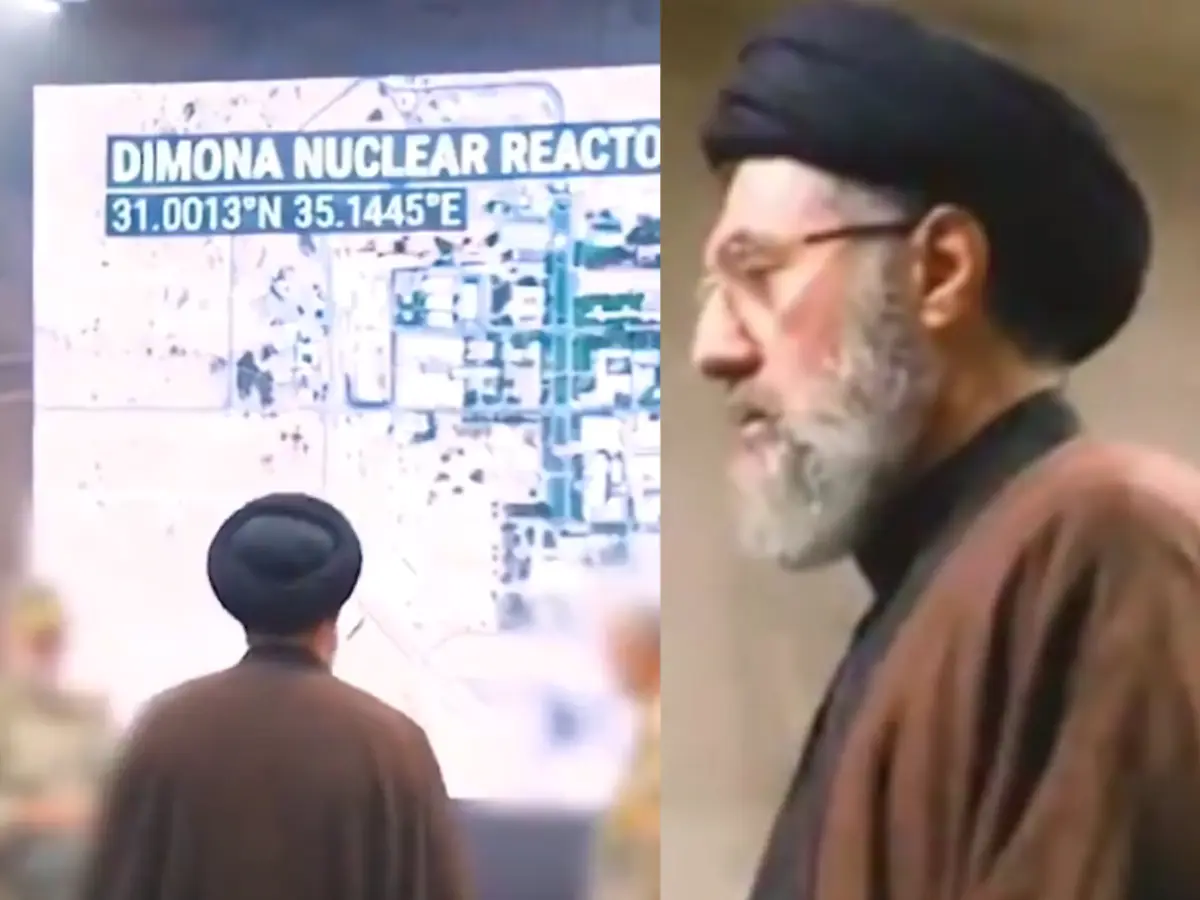
File photo for representation Photograph: (X)
US intelligence indicates Iran's Supreme Leader Mojtaba Khamenei is more inclined than his father to pursue advanced, missile-compatible nuclear weapons, despite Iran's public denials and a historic fatwa.
Iran's Supreme Leader Mojtaba Khamenei is viewed by US intelligence as being more inclined to pursue nuclear weapons than his father, which cited people familiar with the intelligence assessments.
According to a report by The New York Times, US intelligence believes Mojtaba Khamenei, unlike his father, has ambitions to acquire nuclear weapons, although he has never publicly called for their development. The assessment also extends to members of Iran's hard-line leadership that has gained influence in recent months, according to the newspaper.
The intelligence is based on public statements and conversations from the period before the recent conflict between Israel and Iran, the report said. US officials cited by The New York Times noted that much of the assessment predates the war and should be viewed in that context.
Iran's former Supreme Leader had issued a fatwa, or religious ruling, in the 1990s prohibiting nuclear weapons, a position that has long been cited by Tehran as evidence that its nuclear programme is intended solely for peaceful purposes.
According to the report, US intelligence believes Mojtaba Khamenei does not share his father's reluctance and instead favours developing a nuclear warhead that could eventually be miniaturised and mounted on a long-range missile.
Trending Stories
&imwidth=280&imheight=210&format=webp&quality=medium)
&imwidth=280&imheight=210&format=webp&quality=medium)
&imwidth=280&imheight=210&format=webp&quality=medium)
&imwidth=280&imheight=210&format=webp&quality=medium)
&imwidth=280&imheight=210&format=webp&quality=medium)
&imwidth=280&imheight=210&format=webp&quality=medium)
&imwidth=280&imheight=210&format=webp&quality=medium)
&imwidth=280&imheight=210&format=webp&quality=medium)
&imwidth=280&imheight=210&format=webp&quality=medium)
&imwidth=280&imheight=210&format=webp&quality=medium)
&im=FitAndFill=(700,400)&imwidth=280&imheight=210&format=webp&quality=medium)
&imwidth=280&imheight=210&format=webp&quality=medium)
&imwidth=280&imheight=210&format=webp&quality=medium)
&imwidth=280&imheight=210&format=webp&quality=medium)
&imwidth=280&imheight=210&format=webp&quality=medium)
&imwidth=280&imheight=210&format=webp&quality=medium)
&imwidth=280&imheight=210&format=webp&quality=medium)
&imwidth=280&imheight=210&format=webp&quality=medium)
&imwidth=280&imheight=210&format=webp&quality=medium)
&imwidth=280&imheight=210&format=webp&quality=medium)
&imwidth=280&imheight=210&format=webp&quality=medium)
&imwidth=280&imheight=210&format=webp&quality=medium)
&imwidth=280&imheight=210&format=webp&quality=medium)
&imwidth=280&imheight=210&format=webp&quality=medium)
&imwidth=280&imheight=210&format=webp&quality=medium)
&imwidth=280&imheight=210&format=webp&quality=medium)
&imwidth=280&imheight=210&format=webp&quality=medium)
&imwidth=280&imheight=210&format=webp&quality=medium)
&imwidth=280&imheight=210&format=webp&quality=medium)
&imwidth=280&imheight=210&format=webp&quality=medium)
&imwidth=280&imheight=210&format=webp&quality=medium)
&imwidth=280&imheight=210&format=webp&quality=medium)
&imwidth=280&imheight=210&format=webp&quality=medium)
&imwidth=280&imheight=210&format=webp&quality=medium)
The report added that, towards the end of former US President Joe Biden's administration, intelligence suggested Iran had been considering acquiring a rudimentary nuclear device that would be difficult to deploy on a missile but could serve as a deterrent. However, the latest assessment suggests Mojtaba Khamenei sees greater strategic value in developing a more advanced, missile-compatible warhead.
The report also noted that Mojtaba Khamenei was wounded in an Israeli strike on his father's compound on February 28 and has not appeared publicly or made any public statements since. Before launching Operation Rising Lion, Israeli officials had argued that Iran was making progress towards acquiring nuclear weapons, a claim that contributed to Israel's decision to launch military action.

