Trump in ‘deciding mode’ on Iran, says ‘very big things’ going to happen soon

&imwidth=600&imheight=450&format=webp&quality=medium "Trump in ‘deciding mode’ on Iran, says ‘very big things’ going to happen soon")
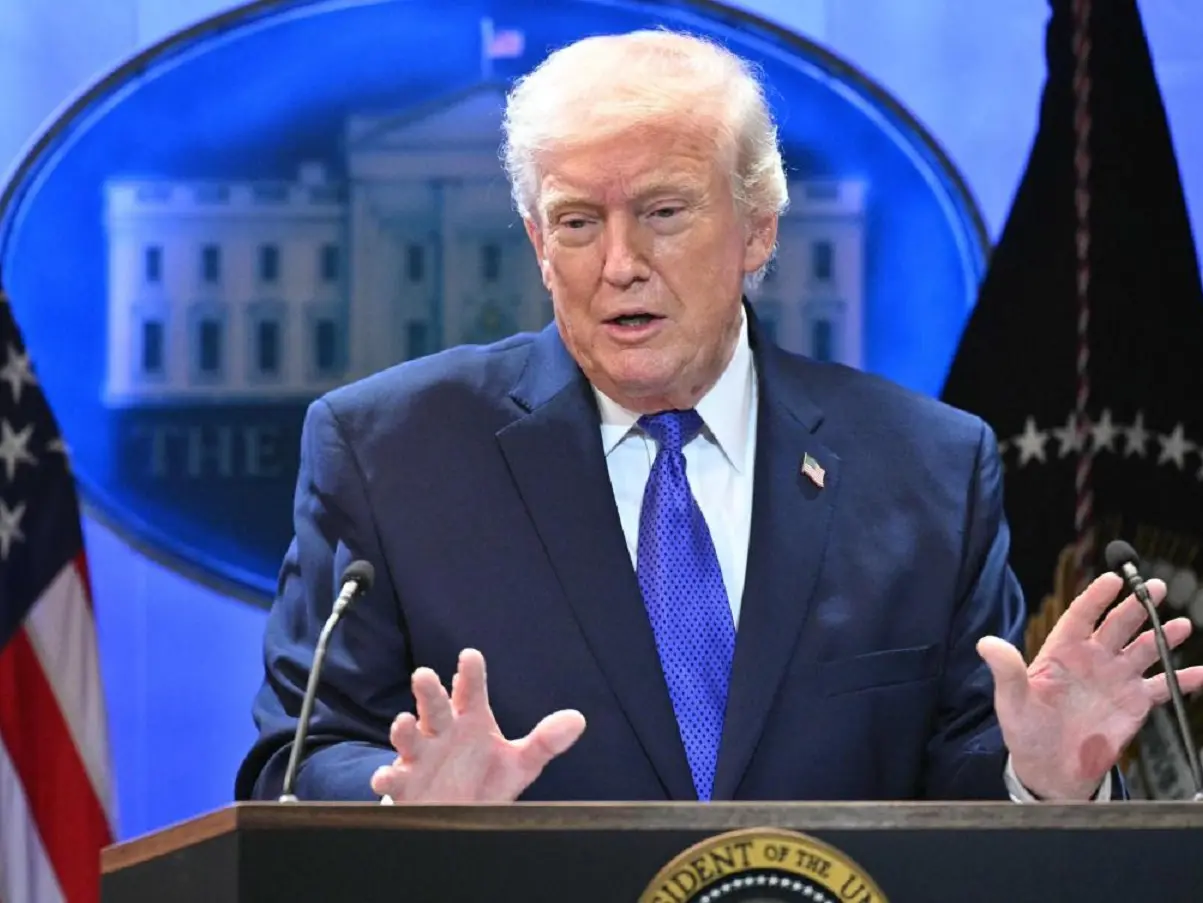
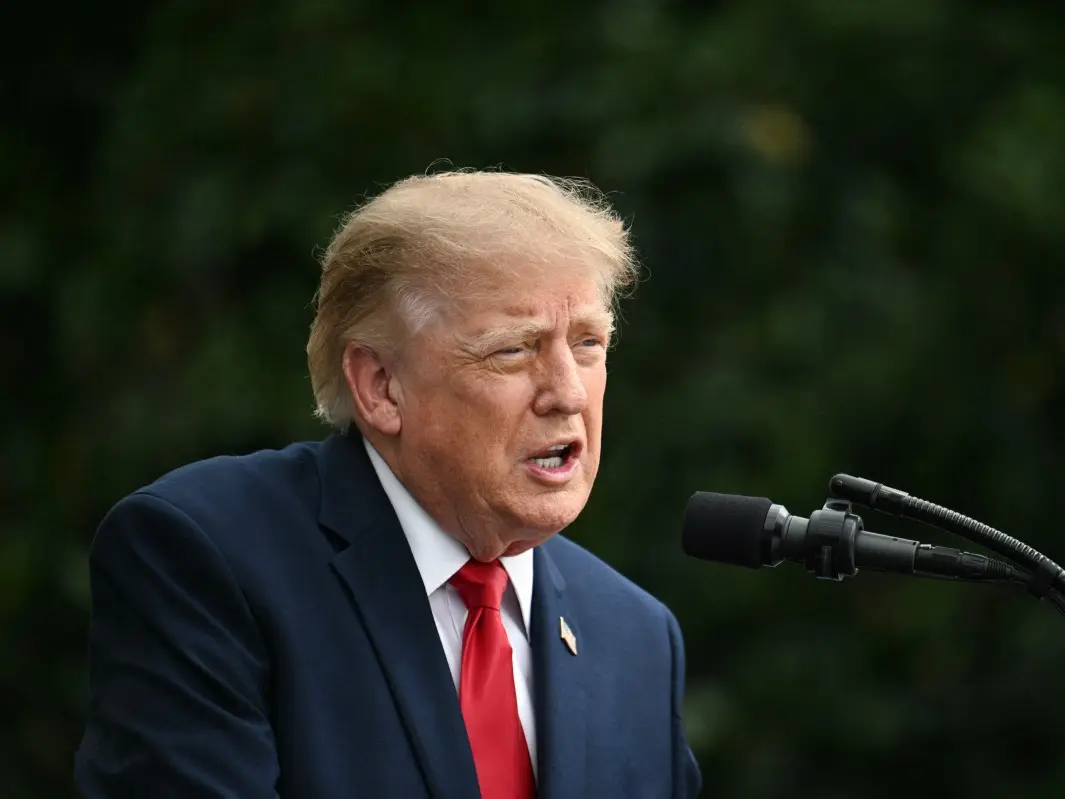
President Donald Trump cut short an overnight stay at Camp David and returned early to the White House. Photograph: (AFP)
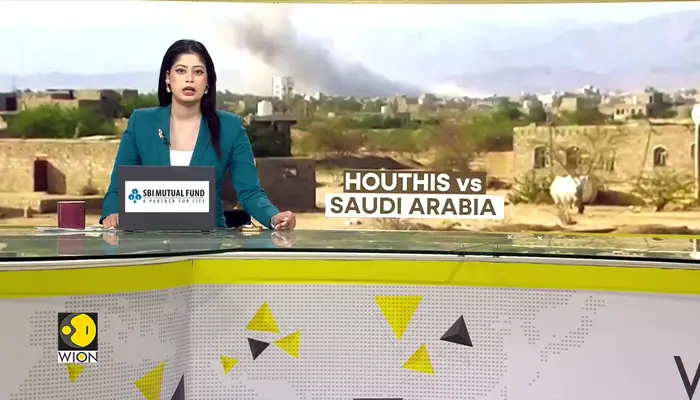
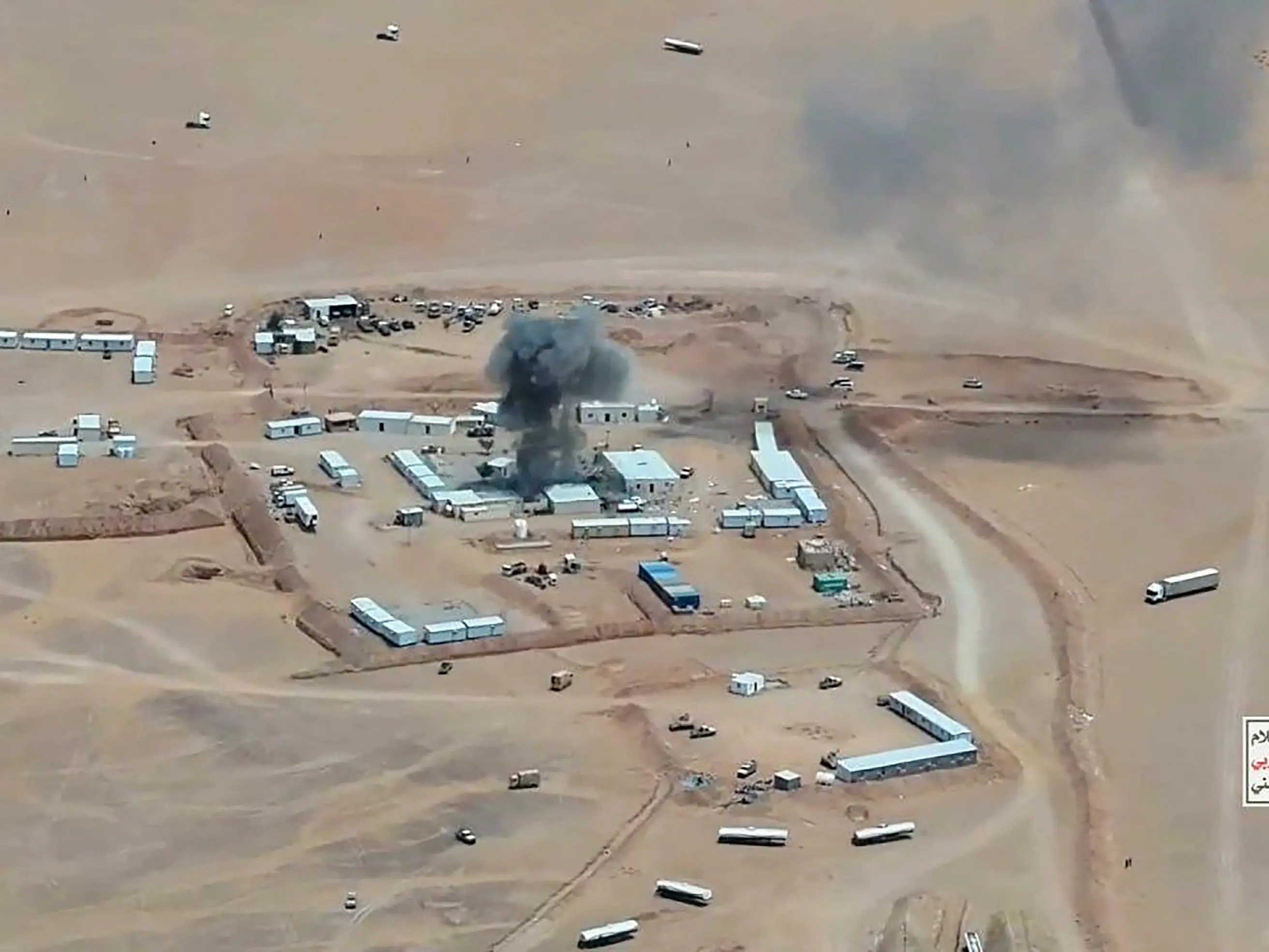
There were indications that a new front is opening in the Middle East as the US administration studies potential military steps against the Houthis after their missile attack on Riyadh. Amid these tensions, President Trump cut short his stay at Camp David and returned to the White House.
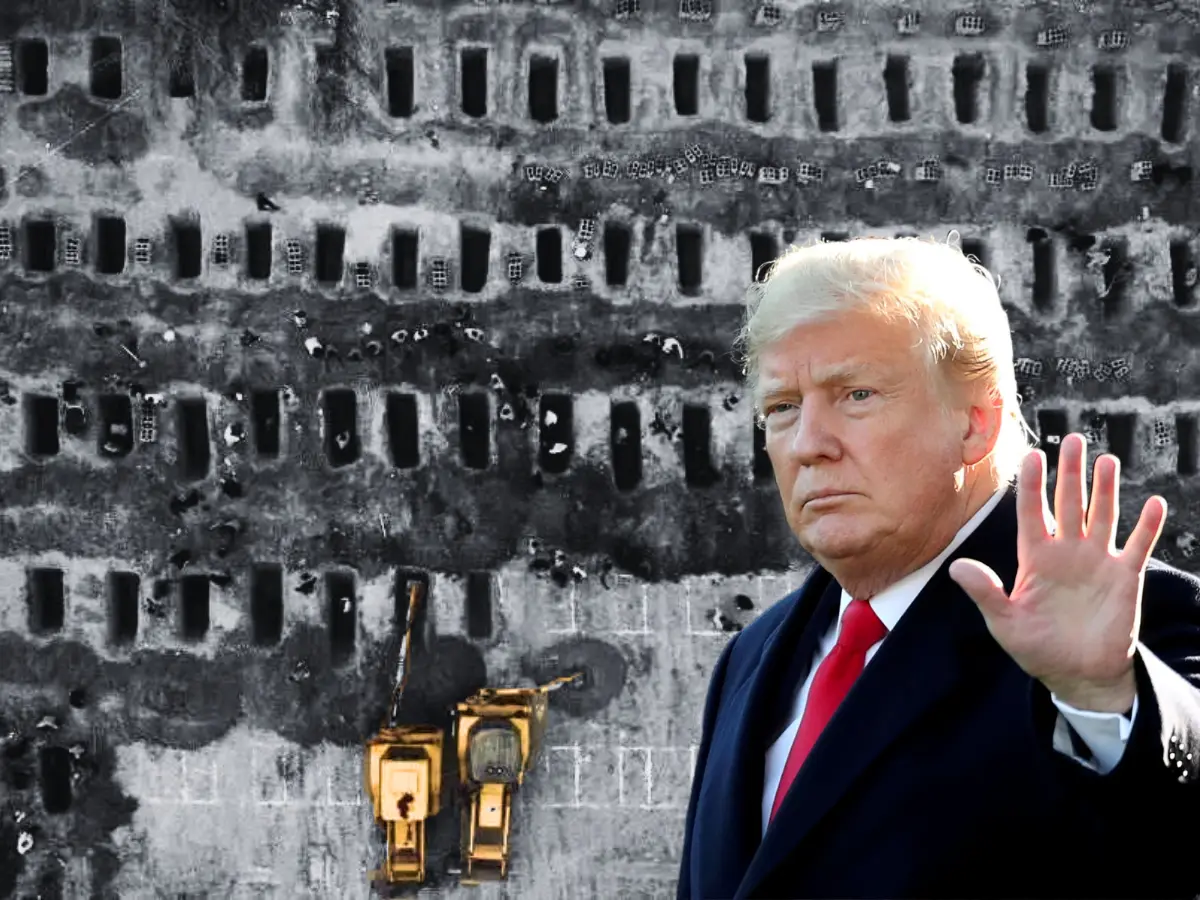
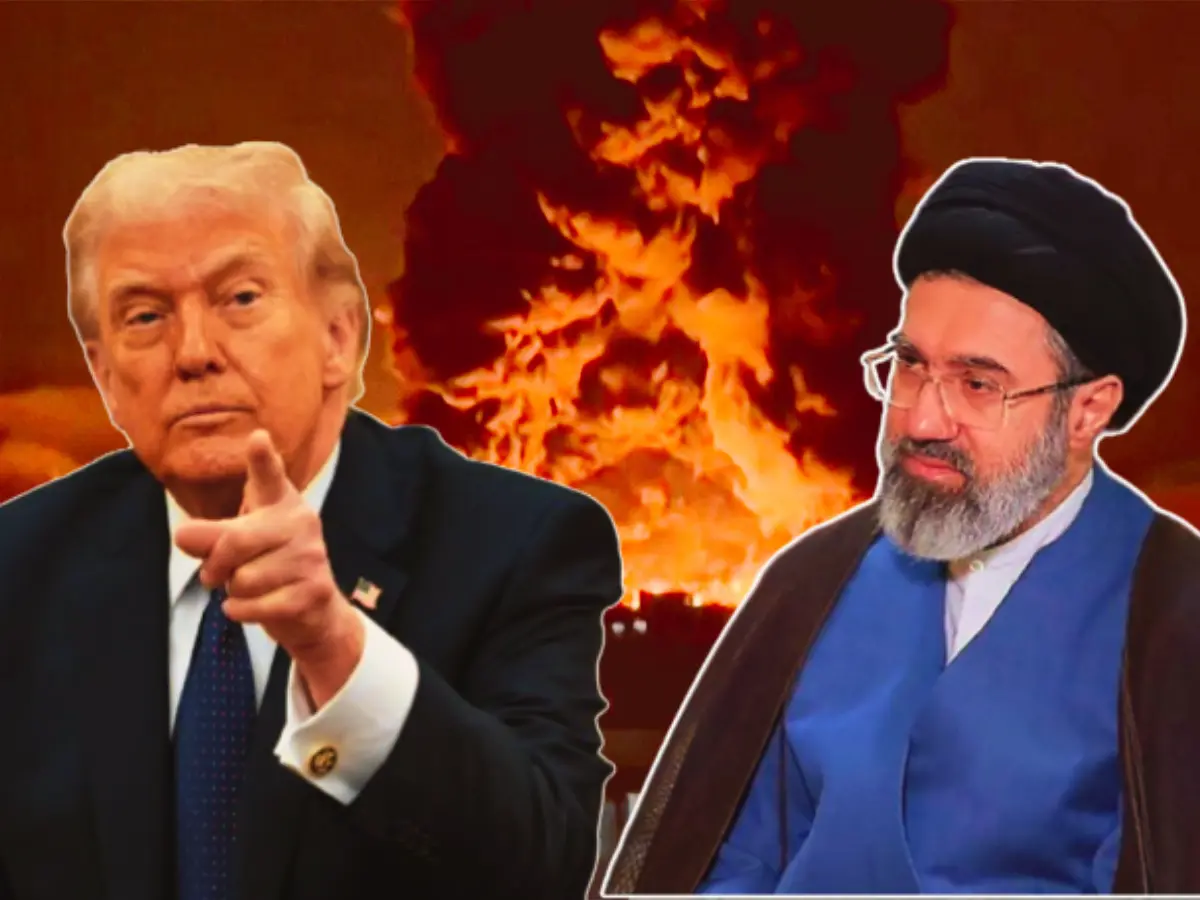
President Donald Trump said on Sunday that he is in a “deciding mode” on Iran and added that “very big things” are likely to come in the near future as he considers his options in the war.
Trump, while speaking to Fox News, said he is considering a handful of choices, including “wiping Iran out”, “letting them rot economically”, or striking a deal.
“My question is, if and when do I blow the entire nation up? They better behave,” the president said.
The US president further said that some Iranian officials are “hiding like rats” and it is impossible to find anyone capable of striking a deal.
‘Houthis in touch, have agreed not to fight US’
The president also told Fox News that the United States is in constant touch with the Houthis and that they have agreed not to fight the US.
Trending Stories
)
)
)
)
)
)
)
)
)
)
)
)
)
)
)
)
)
)
)
)
)
)
)
)
)
)
)
)
)
&im=FitAndFill=(700,400))
)
)
)
&im=FitAndFill=(700,400))
)
)
)
)
&im=FitAndFill=(700,400))
&im=FitAndFill=(700,400))
Also Read: Italy to ban burqa and hijab in schools, limit foreign students per class: PM Giorgia Meloni
However, despite Trump’s remarks, there were indications that a new front is opening in the restive Middle East as the American administration studies potential military steps against the Houthis after their missile attack on Riyadh, which Saudi forces claimed to have intercepted successfully. Amid these escalating tensions, President Trump cut short an overnight stay at Camp David and returned early to the White House.
Saudi Crown Prince Mohammed bin Salman said earlier that military intervention could have swiftly concluded the conflict with Houthis had it not been for concerns over innocent Yemeni civilians.
Trump open to meeting Pezeshkian on UNGA sidelines
Trump said that he would probably be open to meeting with Iranian President Masoud Pezeshkian, who is expected to attend the United Nations General Assembly in New York this week.
Tehran has sent a list of seven demands to the SU for ending the war.
Iranian parliament speaker Mohammad Bagher Ghalibaf, who is also the chief negotiator in talks, said, “Our messages and the explanation of our conditions have been clearly conveyed to the other party through mediators.”
“As long as the conditions are not met... and the US commitments are not honoured, it will be impossible to return to the situation from before the negotiations and to an open strait,” he added, according to Iranian state television.
The US naval blockade remains in place and is affecting the Iranian economy. According to CENTCOM Commander Admiral Brad Cooper, more than 1 billion barrels of crude oil have been escorted out of the Persian Gulf.