Trump accuses big oil companies of 'gouging' American customers, says 'gasoline prices better start going down a lot faster'

&imwidth=600&imheight=450&format=webp&quality=medium "Trump accuses big oil companies of 'gouging' American customers, says 'gasoline prices better start going down a lot faster'")
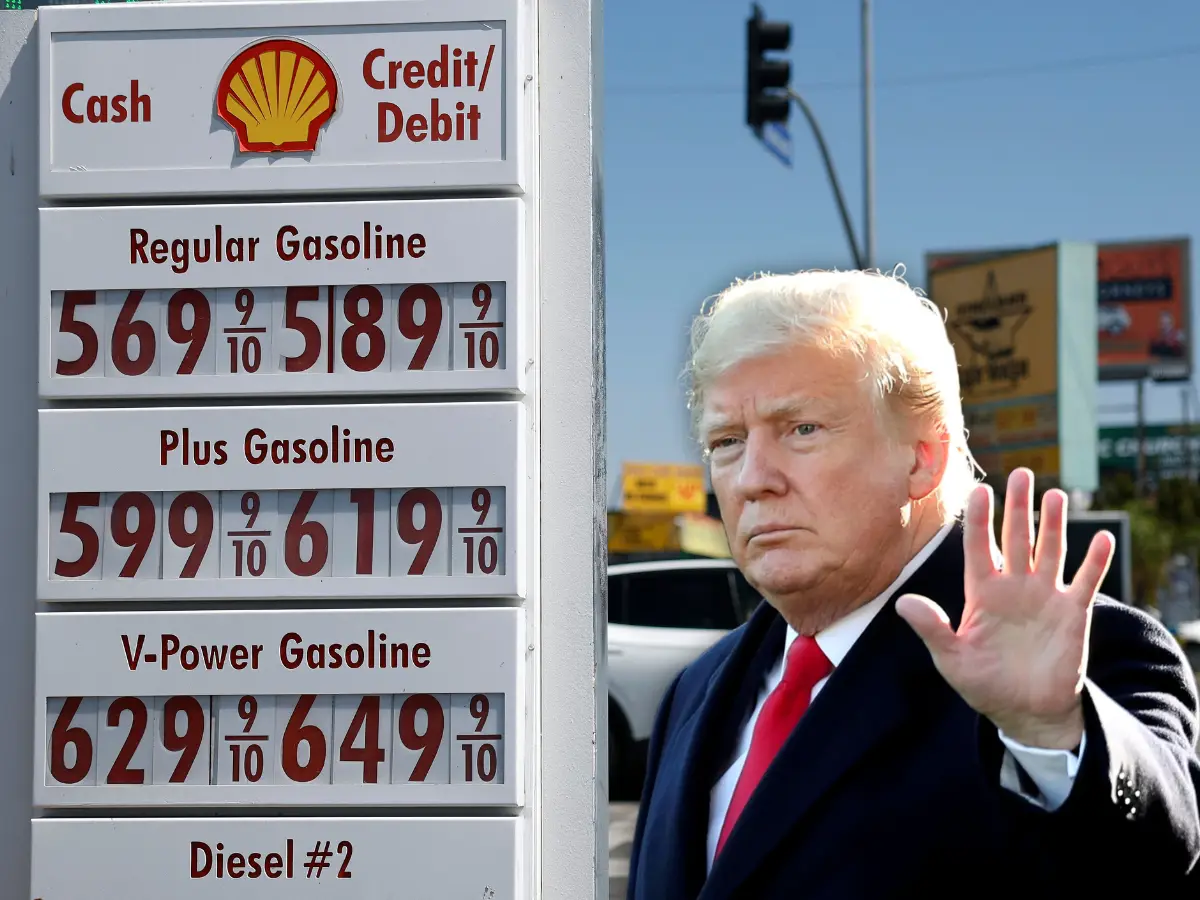
Gas prices are displayed at a Shell gas station on June 22, 2026 in Los Angeles, California. Inset: Donald Trump Photograph: (Combination created using images from AFP)
With oil prices falling to their lowest levels since the start of the Iran conflict, Donald Trump has accused major oil companies of overcharging consumers and ordered the DoJ to investigate whether Americans are being denied the benefits of cheaper crude. Can US citizens expect cheaper fuel?
US President Donald Trump, in a social media post on Wednesday (Jun 24), announced that he has asked big oil companies to drop oil prices. Accusing major oil companies of overcharging consumers by failing to lower gasoline prices in line with the recent decline in crude oil prices, the POTUS said he had directed the Department of Justice (DOJ) to investigate the matter.
Can Americans expect cheaper gasoline?
In a post on his Truth Social platform, Trump claimed that oil prices had fallen sharply, but consumers were not seeing comparable relief at fuel stations. This, he said, meant that American customers were being "gouged" by "big Oil Companies".
"The big Oil Companies are not dropping their price at the pump commensurate with the sharply lower prices they are paying for Oil. Those prices are dropping like a rock!" Trump wrote.
"In other words, customers are being 'gouged.' I have instructed the DOJ to immediately start looking into this. Gasoline prices better start going down a lot faster than what I'm seeing!" he added, signing off with his signature ‘President DJT’.
Trending Stories
&imwidth=280&imheight=210&format=webp&quality=medium)
&imwidth=280&imheight=210&format=webp&quality=medium)
&imwidth=280&imheight=210&format=webp&quality=medium)
&imwidth=280&imheight=210&format=webp&quality=medium)
&imwidth=280&imheight=210&format=webp&quality=medium)
&imwidth=280&imheight=210&format=webp&quality=medium)
&imwidth=280&imheight=210&format=webp&quality=medium)
&imwidth=280&imheight=210&format=webp&quality=medium)
&imwidth=280&imheight=210&format=webp&quality=medium)
&imwidth=280&imheight=210&format=webp&quality=medium)
&imwidth=280&imheight=210&format=webp&quality=medium)
&imwidth=280&imheight=210&format=webp&quality=medium)
&imwidth=280&imheight=210&format=webp&quality=medium)
&imwidth=280&imheight=210&format=webp&quality=medium)
&imwidth=280&imheight=210&format=webp&quality=medium)
&imwidth=280&imheight=210&format=webp&quality=medium)
&imwidth=280&imheight=210&format=webp&quality=medium)
&imwidth=280&imheight=210&format=webp&quality=medium)
&imwidth=280&imheight=210&format=webp&quality=medium)
&imwidth=280&imheight=210&format=webp&quality=medium)
&imwidth=280&imheight=210&format=webp&quality=medium)
&imwidth=280&imheight=210&format=webp&quality=medium)
&imwidth=280&imheight=210&format=webp&quality=medium)
&imwidth=280&imheight=210&format=webp&quality=medium)
&im=FitAndFill=(700,400)&imwidth=280&imheight=210&format=webp&quality=medium)
&im=FitAndFill=(700,400)&imwidth=280&imheight=210&format=webp&quality=medium)
&imwidth=280&imheight=210&format=webp&quality=medium)
&imwidth=280&imheight=210&format=webp&quality=medium)
&imwidth=280&imheight=210&format=webp&quality=medium)
&imwidth=280&imheight=210&format=webp&quality=medium)
&imwidth=280&imheight=210&format=webp&quality=medium)
&imwidth=280&imheight=210&format=webp&quality=medium)
&imwidth=280&imheight=210&format=webp&quality=medium)
&imwidth=280&imheight=210&format=webp&quality=medium)
&imwidth=280&imheight=210&format=webp&quality=medium)
The oil industry has yet to publicly respond to Trump's allegations.
Oil prices fall to lowest levels since start of Iran war
Trump's remarks come as oil prices extended losses to sit around their lowest levels since the early days of the Middle East crisis. According to an AFP report, at 0230 GMT, Brent crude price fell by 0.7 per cent to $76.56 a barrel.
Oil prices continue to fall as optimism persists about an eventual deal to end the war in West Asia.
On Monday, traffic through the Strait of Hormuz reached its highest level since the war began on February 28.
Global oil markets have experienced increased volatility in recent months amid geopolitical tensions in West Asia, supply disruptions, and concerns over global economic growth.

