Who is Mahsa Amini? How Israel is using Mahsa Amini protest to destabilise Iran

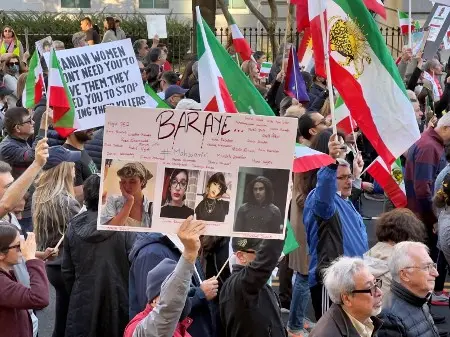&imwidth=600&imheight=450&format=webp&quality=medium "Who is Mahsa Amini? How Israel is using Mahsa Amini protest to destabilise Iran")
Mahsa Amini protest Photograph: (AFP)
Read how nearly three years after the death of Mahsa Amini, visuals from the protest are being used as a rallying cry for civil unrest in Iran.
Nearly three years after the death of Mahsa Amini, a 22-year-old Kurdish girl in police custody, the Iranian regime remains wary of the nationwide protests and global outcry over the human rights situation in Iran. The death, however, had triggered massive unrest in the Islamic Republic of Iran in September 2022. The protest, which was met with a brutal crackdown by the Iranian regime had resulted in the death of 551 individuals, including 68 minors and resulted in the arrest of 19,262 individuals across 134 cities and 132 universities. As Iran and Israel, two rivals, are engaged in confrontation, Israel is trying to possibly trigger unrest, leveraging the protests of 2022.
On June 18, it allegedly interrupted a broadcast by IRIB and screened visuals of the protest.
Mahsa Amini protests
Mahsa Amini, a Kurdish girl, was arrested for violating the strict Hijab law by wearing the Hijab improperly. The protest that erupted was described as ‘unlike any the country had seen before’, which had shaken the very core of the Islamic Patriarch of the ruling class. Mahsa Amini was said to have been taken into custody and reportedly beaten by the Guidance Patrol, an accusation which was denied by the authorities. She collapsed and was hospitalised, and died three days later.
#MahsaAmini became a global symbol for expressing dissent; it was not just about one singular event, it was a struggle for human dignity, freedom, and bodily autonomy for women in Iran. The death was viewed as a symbol of Government repression. These were the largest protests since the Islamic revolution of 1979. The protest, which started in September 2022, continued till 2023. It started from Amini's hometown and spread to the whole country. The protestors, especially women and teenagers, including school children, demanded autonomy for women and called for the overthrow of the Islamic Republic. There were protests against the compulsory Hijab in Islam in 2017, but this was way more violent and detrimental to the regime. Protestors threw away their Hijab in solidarity with Amini and flaunted their hair. The crackdown was violent, with indiscriminate arrests, internet blockade, tear gas and gunfire.
Israeli-Iranian shadow war
Trending Stories
)
)
)
)
)
)
)
&im=FitAndFill=(700,400))
)
)
)
)
)
)
&im=FitAndFill=(700,400))
)
)
)
)
)
&im=FitAndFill=(700,400))
)
)
)
)
)
)
)
)
)
)
)
)
)
)
)
)
)
)
The protests dwindled in the spring of 2023, but a deep paranoia settled over the Iranian hardliner regime of Ebrahim Raisi. It viewed unrests not as spontaneous dissent, but as orchestrated by hostile powers, especially Israel, which Iran blames for cyberattacks, assassinations, and intelligence operations on Iranian soil.
While analysts and recent developments have shown that the fear is not completely unfounded, Israel has a history of covert operations inside Iran. Israel has always considered regime change as a viable strategy and sees internal dissent as a strategic opportunity to destabilise the Islamic Republic. The recent attack on interrupting the broadcast is seen as an attempt at waging a psychological war. The visuals displayed were of women tearing off their hijab and cutting their hair in defiance, followed by a voice-over urging the public to rise and take to the streets against the regime. A logo linked to the IDF's ‘Operation Rising Lion’ also appeared on the screen.
Iran claims these attacks are part of Israel's broader attempt to destabilise Iran.
“It’s easier to delegitimise protests when you blame them on Israel or the CIA,” said a former Iranian journalist now in exile. “It paints dissenters as traitors instead of citizens demanding basic rights.”
However, the memory of the Mahsa Amini protest lives among the ruling class as a reminder of the corrosion of divine rule. Amini and the Women, Life and Freedom movement that emerged from the protest were awarded the EU’s Sakharov Prize for Freedom of Thought. The 2023 Nobel Peace Prize was awarded to Narges Mohammadi, a vocal critic of the hijab and chastity program of Iran. For many Iranian teenagers and children, Amini's name remains a rallying cry from Tehran to global feminist movements.

