Muslims attacked in Britain's latest racist hate incident. Is it 'Rivers of Blood' all over again? The Big Question

&imwidth=600&imheight=450&format=webp&quality=medium "Muslims attacked in Britain's latest racist hate incident. Is it 'Rivers of Blood' all over again? The Big Question")
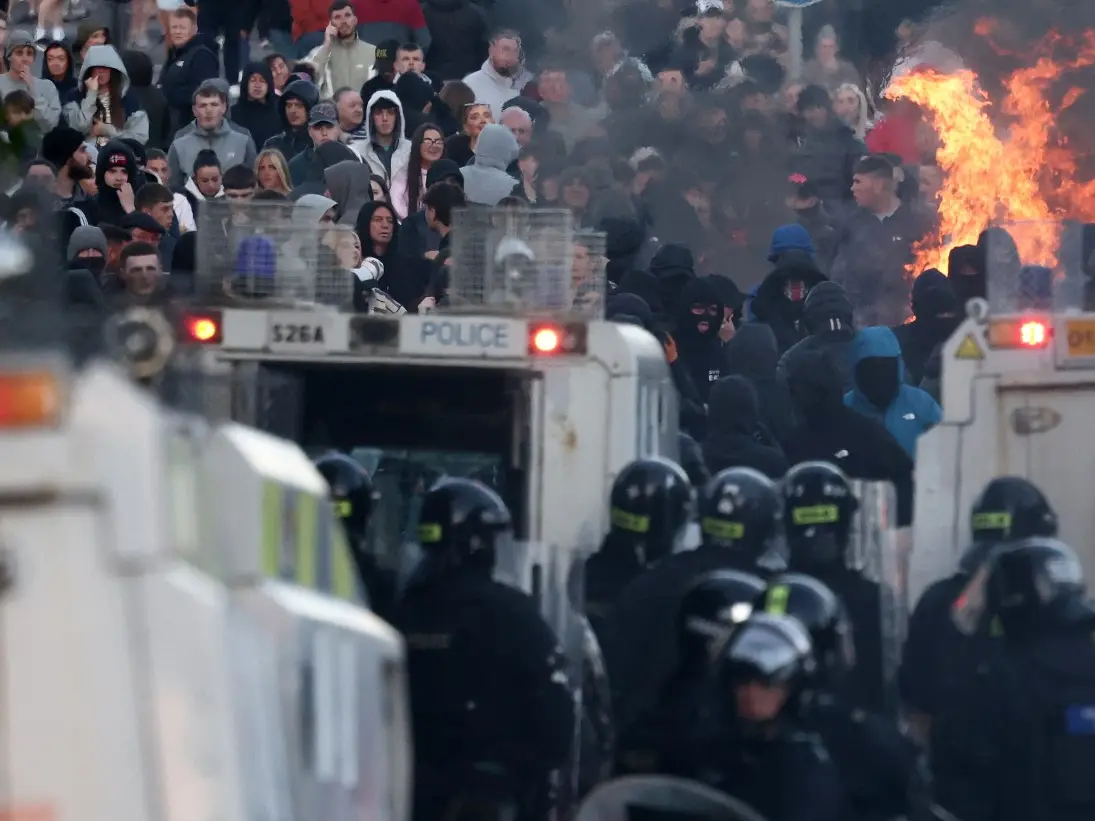
A scene from the Belfast riot in June Photograph: (AFP)
An alleged anti-Muslim attack in Scotland is the latest in a series of hate-motivated incidents in UK. Such developments are fuled by risng anti-minority and anti-migrant rhetoric. With instability looming after yet another PM quits, will a politics of hatred fill the vacumm?
Britain witnessed yet another alleged racism-motivated incident when a 36-year-old white Scottish man carried out a series of attacks, injuring five men aged between 22 and 39, several of them Muslim, including two who had just left mosque prayers. During the attacks in Edinburgh on June 19, the suspect allegedly shouted anti-Muslim slurs and used weapons described as either a machete or an axe. He was heard ranting about "Muslim bastards raping our young daughters". Counter-terrorism police said they're investigating the incident as anti-Muslim hatred-motivated.
The incident is possibly a reflection of the current political discourse in the UK, increasingly marked by anti-migrant and religious hostility. It recalls the "Rivers of Blood" rhetoric of the 1960s.
Scotland incident came soon after Belfast riot and 'kirpan murder' sentencing
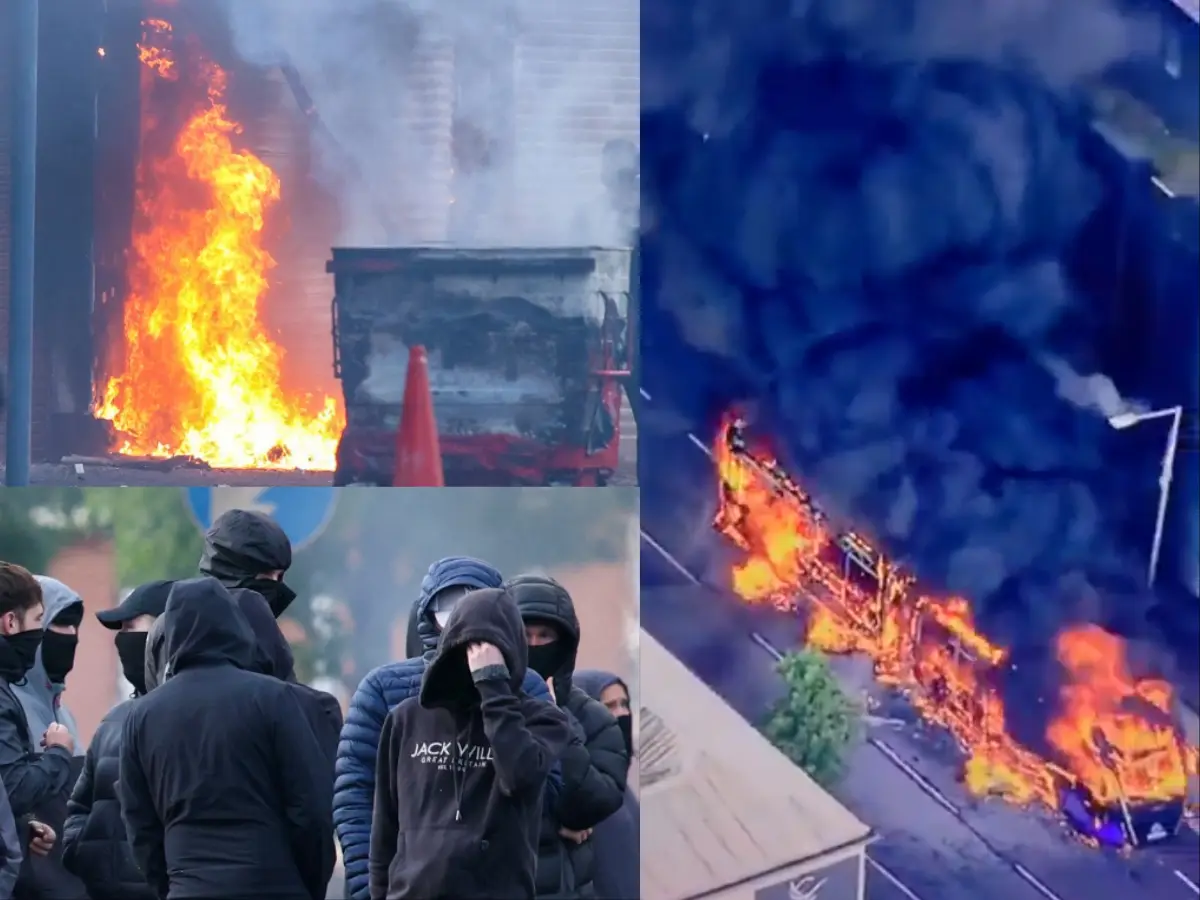
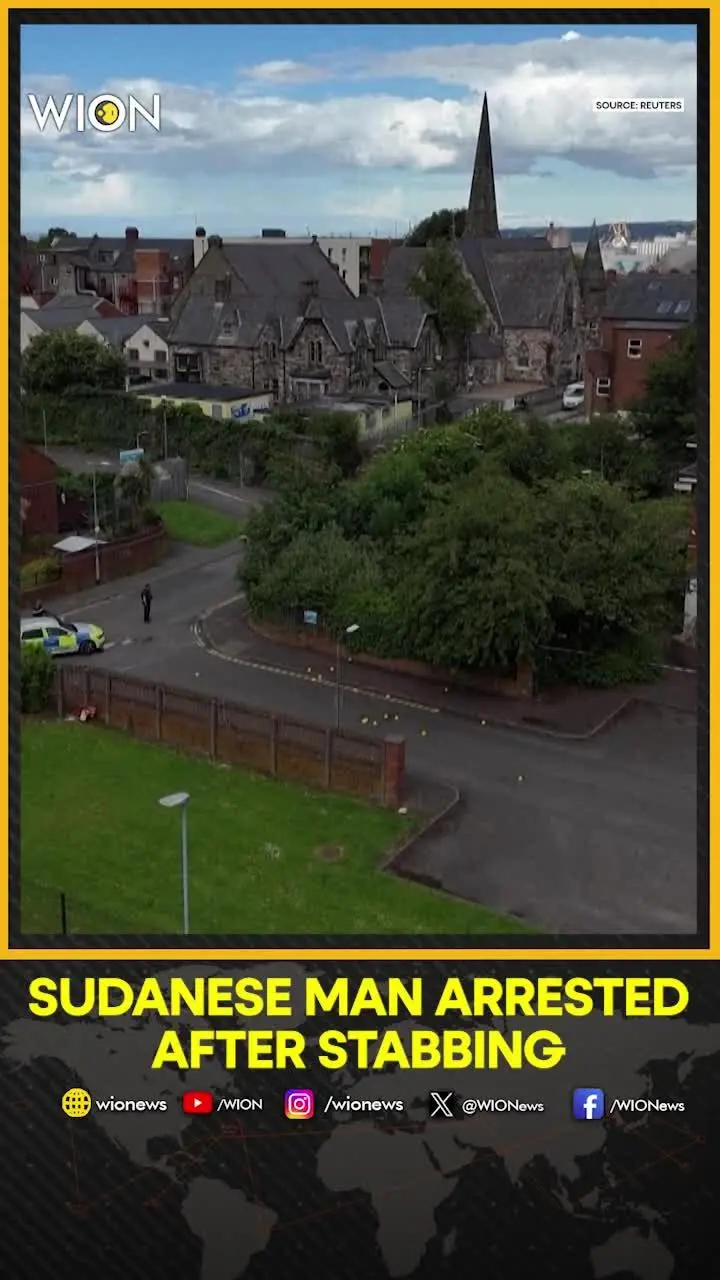
The Scotland incident came just days after riots in Belfast triggered by an attempted murder allegedly committed by a Sudanese national. Hadi Alodid was charged over the knife attack on local man Stephen Ogilvie in north Belfast on 8 June. The following day, anti-immigrant riots erupted. Masked individuals torched vehicles and homes, went door-to-door targeting ethnic minorities and immigrants based on skin colour, and forced dozens of families to flee.
At the time, Britain was already debating the so-called "kirpan murder" case. Vickrum Digwa, a Sikh man, was sentenced to life imprisonment on 1 June for the murder of 18-year-old Henry Nowak in Southampton last December. Tensions rose after police bodycam footage of the dying teenager, who had been handcuffed by officers, went viral. A polarising debate followed, pitting minority advocates against anti-immigration campaigners.
Trending Stories
&imwidth=280&imheight=210&format=webp&quality=medium)
&imwidth=280&imheight=210&format=webp&quality=medium)
&imwidth=280&imheight=210&format=webp&quality=medium)
&imwidth=280&imheight=210&format=webp&quality=medium)
&imwidth=280&imheight=210&format=webp&quality=medium)
&imwidth=280&imheight=210&format=webp&quality=medium)
&imwidth=280&imheight=210&format=webp&quality=medium)
&imwidth=280&imheight=210&format=webp&quality=medium)
&imwidth=280&imheight=210&format=webp&quality=medium)
&imwidth=280&imheight=210&format=webp&quality=medium)
&imwidth=280&imheight=210&format=webp&quality=medium)
&imwidth=280&imheight=210&format=webp&quality=medium)
&imwidth=280&imheight=210&format=webp&quality=medium)
&imwidth=280&imheight=210&format=webp&quality=medium)
&imwidth=280&imheight=210&format=webp&quality=medium)
&imwidth=280&imheight=210&format=webp&quality=medium)
&imwidth=280&imheight=210&format=webp&quality=medium)
&imwidth=280&imheight=210&format=webp&quality=medium)
&imwidth=280&imheight=210&format=webp&quality=medium)
&imwidth=280&imheight=210&format=webp&quality=medium)
&imwidth=280&imheight=210&format=webp&quality=medium)
&imwidth=280&imheight=210&format=webp&quality=medium)
&imwidth=280&imheight=210&format=webp&quality=medium)
&imwidth=280&imheight=210&format=webp&quality=medium)
&im=FitAndFill=(700,400)&imwidth=280&imheight=210&format=webp&quality=medium)
&im=FitAndFill=(700,400)&imwidth=280&imheight=210&format=webp&quality=medium)
&imwidth=280&imheight=210&format=webp&quality=medium)
&imwidth=280&imheight=210&format=webp&quality=medium)
&imwidth=280&imheight=210&format=webp&quality=medium)
&imwidth=280&imheight=210&format=webp&quality=medium)
&imwidth=280&imheight=210&format=webp&quality=medium)
&imwidth=280&imheight=210&format=webp&quality=medium)
&imwidth=280&imheight=210&format=webp&quality=medium)
&imwidth=280&imheight=210&format=webp&quality=medium)
&imwidth=280&imheight=210&format=webp&quality=medium)
The hate-filled rhetoric of Restore Britain's Lowe
Restore Britain party leader Rupert Lowe has, through public remarks and social media posts, backed strict anti-immigration policies, declaring that "millions must go" while advocating mass deportations. The MP for Great Yarmouth, whose party was launched this year after he split from Reform UK led by Nigel Farage, promotes what he calls "net-negative immigration". Lowe argues that Britain should become a "hostile environment" for illegal migrants and prioritises British identity and culture over economic arguments in favour of migration.
Lowe has specifically targeted Indians and Pakistanis
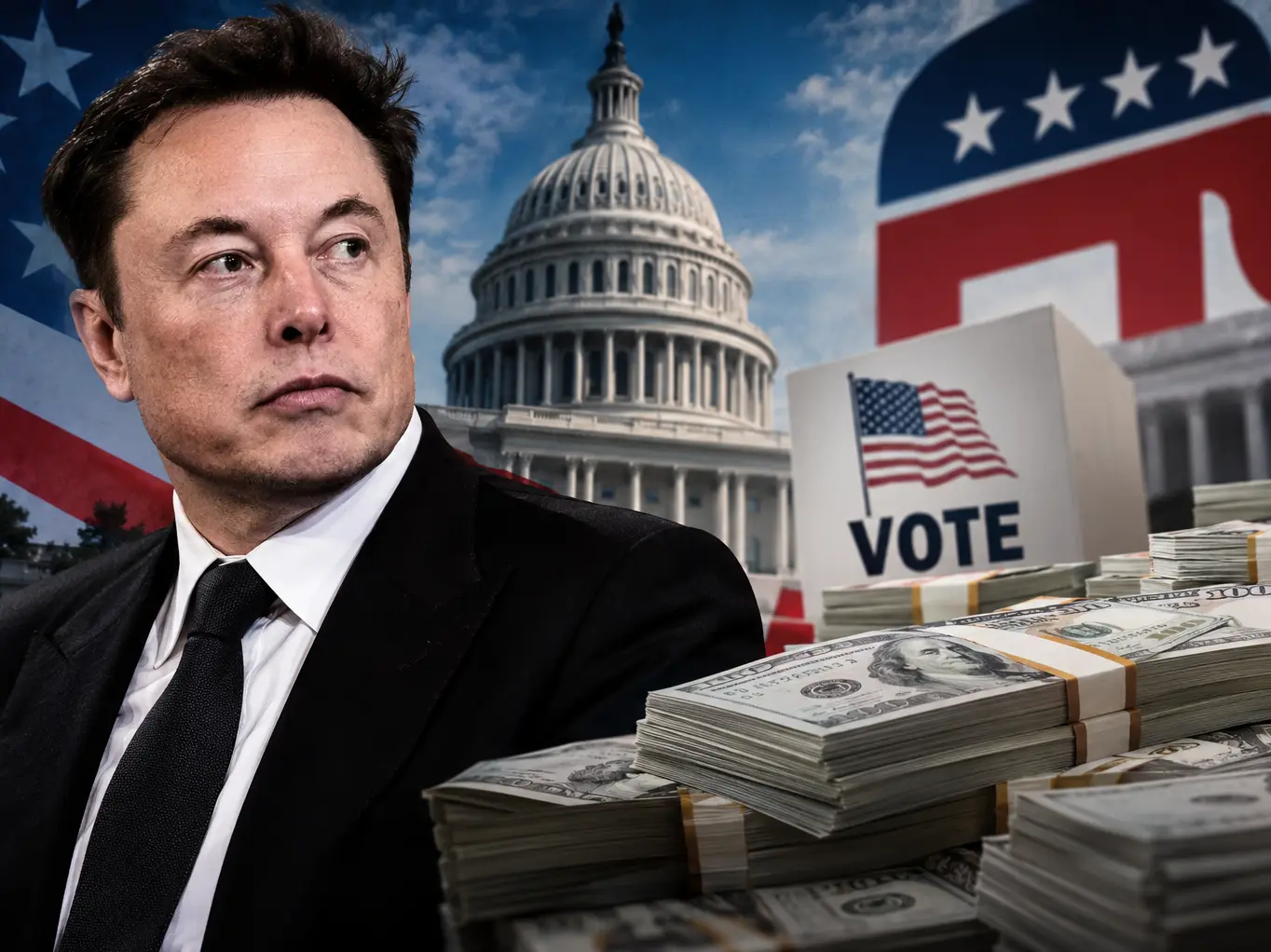
In a recent social media post, Lowe opposed the "importing" of Pakistanis and Indians for jobs that unemployed Britons could do. "I don't believe we should import millions of Pakistanis and Indians to do jobs that unemployed Brits should be doing. If that makes me a racist, then so be it," he wrote. His rhetoric has increasingly focused on ‘grooming gang’ scandals, often linked in public debate to networks of Pakistani origin. Elon Musk, the world's richest man, has frequently amplified some of Lowe's views, giving greater visibility to such rhetoric on social media platforms, particularly X.
Britain's high net migration is now a political flashpoint
UK net migration peaked at around 944,000 in 2023 before beginning to decline. Perceptions that immigrants are failing to integrate into British society, along with high-profile crimes, murders and sexual abuse cases involving migrants, have fuelled protests that have increased in frequency and intensity. Lowe and other right-wing anti-immigration figures have been accused of stoking racism and Islamophobia, often scapegoating migrants for broader problems facing Britain, including inflation, housing shortages and the rising cost of living. Their supporters argue that such rhetoric reflects genuine concerns about the pressures created by rapid migration. At the same time, large sections of British society continue to condemn violence targeting minorities and migrants. Britain has also struggled for years to establish a comprehensive and politically sustainable migration policy.
Racially motivated and anti-migrant riots are nothing new in Britain
Britain has a long history of race-related unrest. In 1919, attacks targeted Black, Asian and minority ethnic seamen in port cities amid post-First World War job competition, as white workers blamed colonial migrants for economic hardship.
The 1958 Notting Hill riots in London and disturbances in Nottingham targeted Black communities and were fuelled by far-right groups.
Pakistani-bashing and violence against South Asians became increasingly common from the 1960s to the 1980s, peaking in the 1970s with the rise of organisations such as the National Front.
The 1980s saw riots in Brixton, Toxteth and Broadwater Farm involving Black communities and police, driven by allegations of discriminatory policing and institutional racism. The inquiry into the racist murder of Black teenager Stephen Lawrence in 1993 exposed institutional racism within the Metropolitan Police.
The 21st century has witnessed recurring tensions linked to riots, grooming gang scandals and migration debates. Hate crimes against Eastern Europeans rose in the years following Brexit.
Riots were triggered in 2024 by the Southport stabbings, in which three girls were killed. Far-right disinformation falsely claimed that the attacker was a Muslim asylum seeker. The resulting violence targeted mosques, hotels housing asylum seekers, and minority communities across England and Northern Ireland. More than 1,800 people were arrested and hundreds of police officers were injured.
In 2025, anti-immigration protests, including demonstrations outside asylum hotels, were accompanied by attacks on Muslim and Sikh individuals. An attack on a synagogue in Manchester by a perpetrator of Syrian descent added further complexity to the debate. Rallies linked to Tommy Robinson attracted large crowds and featured the "Great Replacement" rhetoric.
Anti-minority rhetoric is reminiscent of the 'Rivers of Blood' speech of 1968
The rhetoric of Lowe and many others with similar ideologies has frequently drawn comparisons with Conservative politician Enoch Powell's infamous "Rivers of Blood" speech of 1968. Powell told a Conservative Party meeting: "As I look ahead, I am filled with foreboding. Like the Roman, I seem to see 'the River Tiber foaming with much blood'."
What may be different today is that parties perceived as exploiting social divisions appear more politically legitimised than ever before.
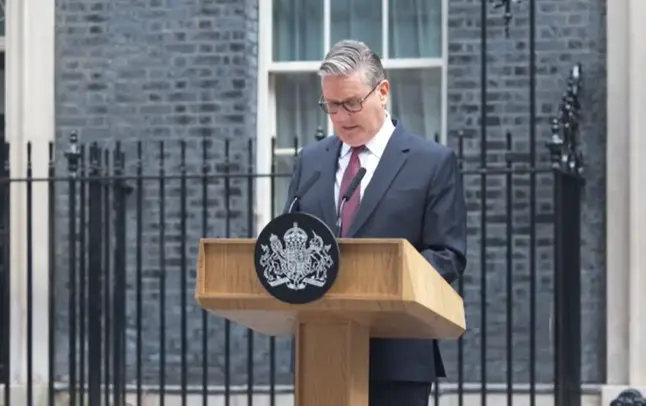
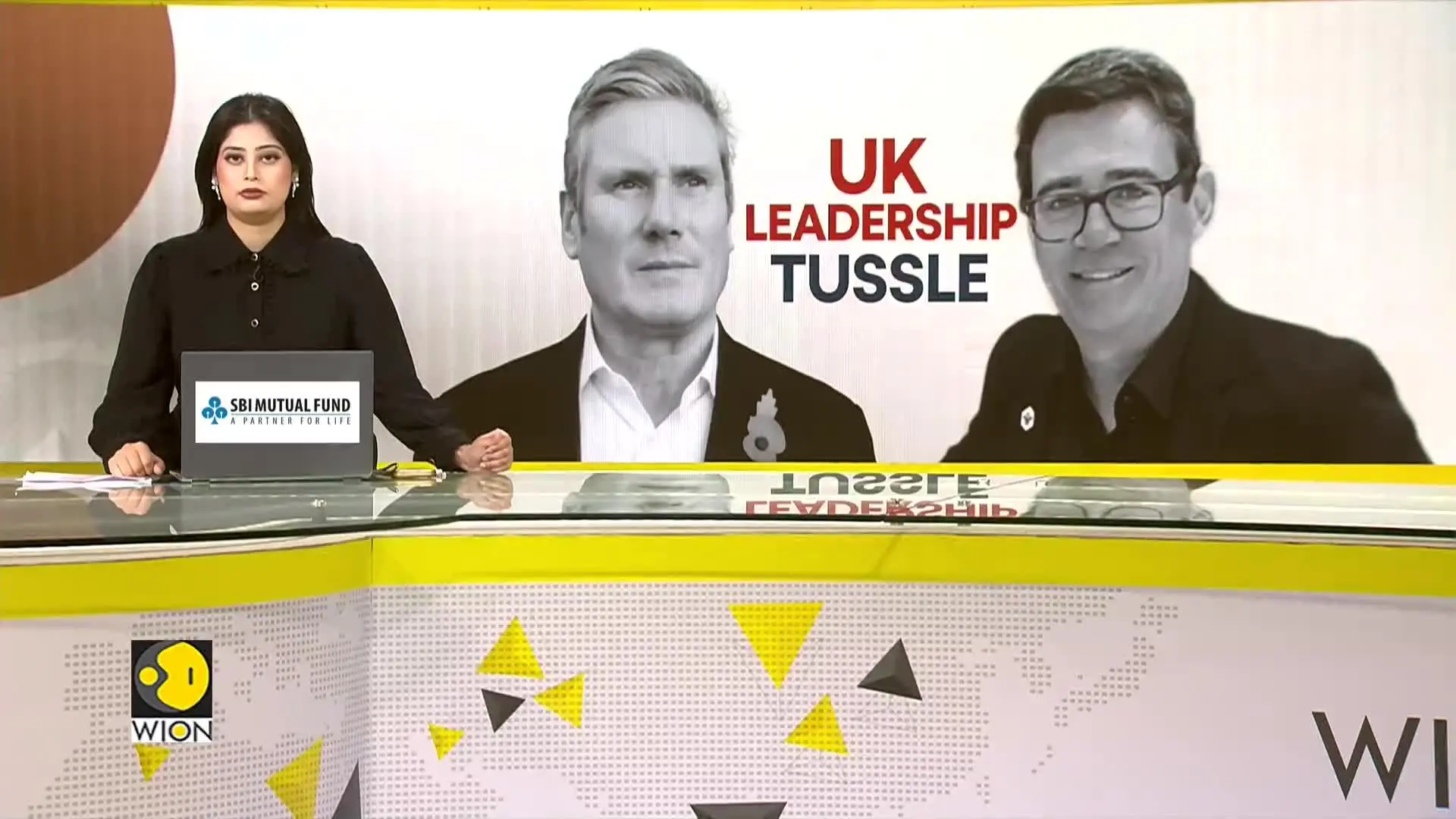
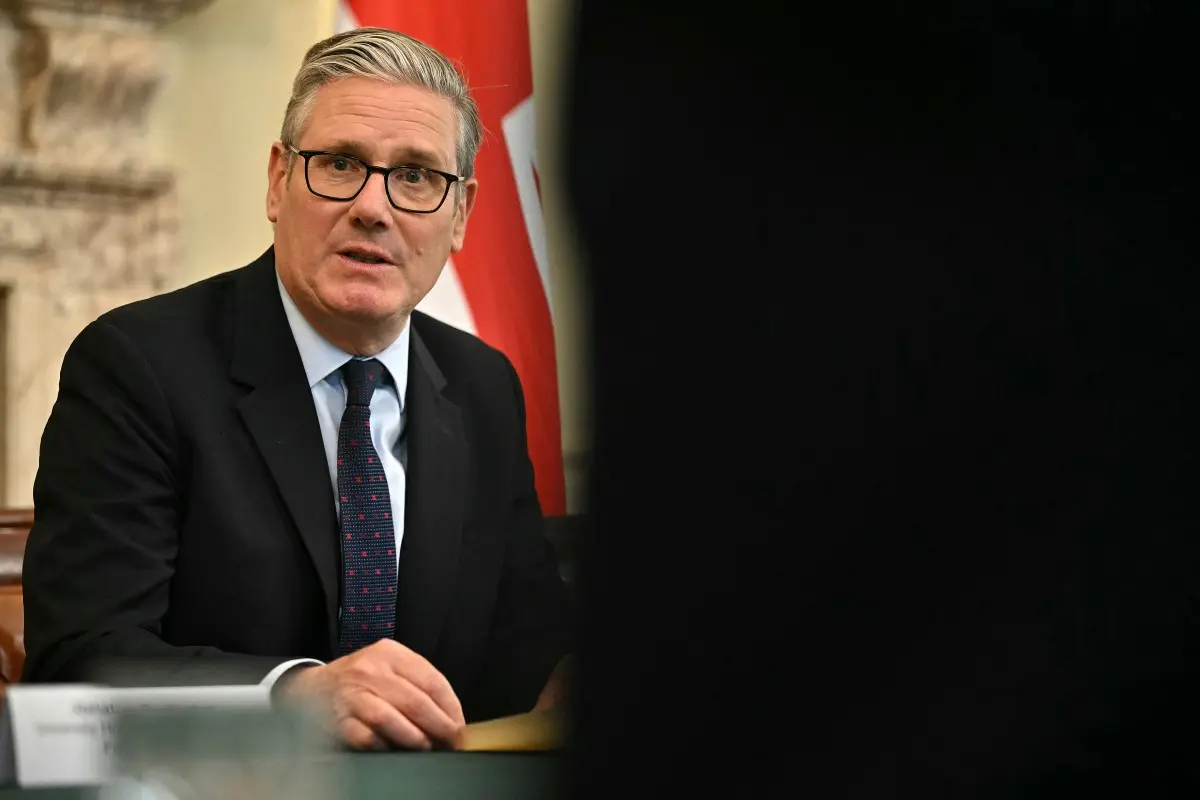
With the resignation of Prime Minister Keir Starmer, it is increasingly becoming clear to Britons that neither the Labour, nor the Conservatives can provide stable leadership and effective governance. The coming days could see this vaccum being filled by the likes of Reform and Restore.