How pro-Iran groups used AI-generated memes to troll Trump & Netanyahu and steer war narrative

&imwidth=600&imheight=450&format=webp&quality=medium "How pro-Iran groups used AI-generated memes to troll Trump & Netanyahu and steer war narrative")
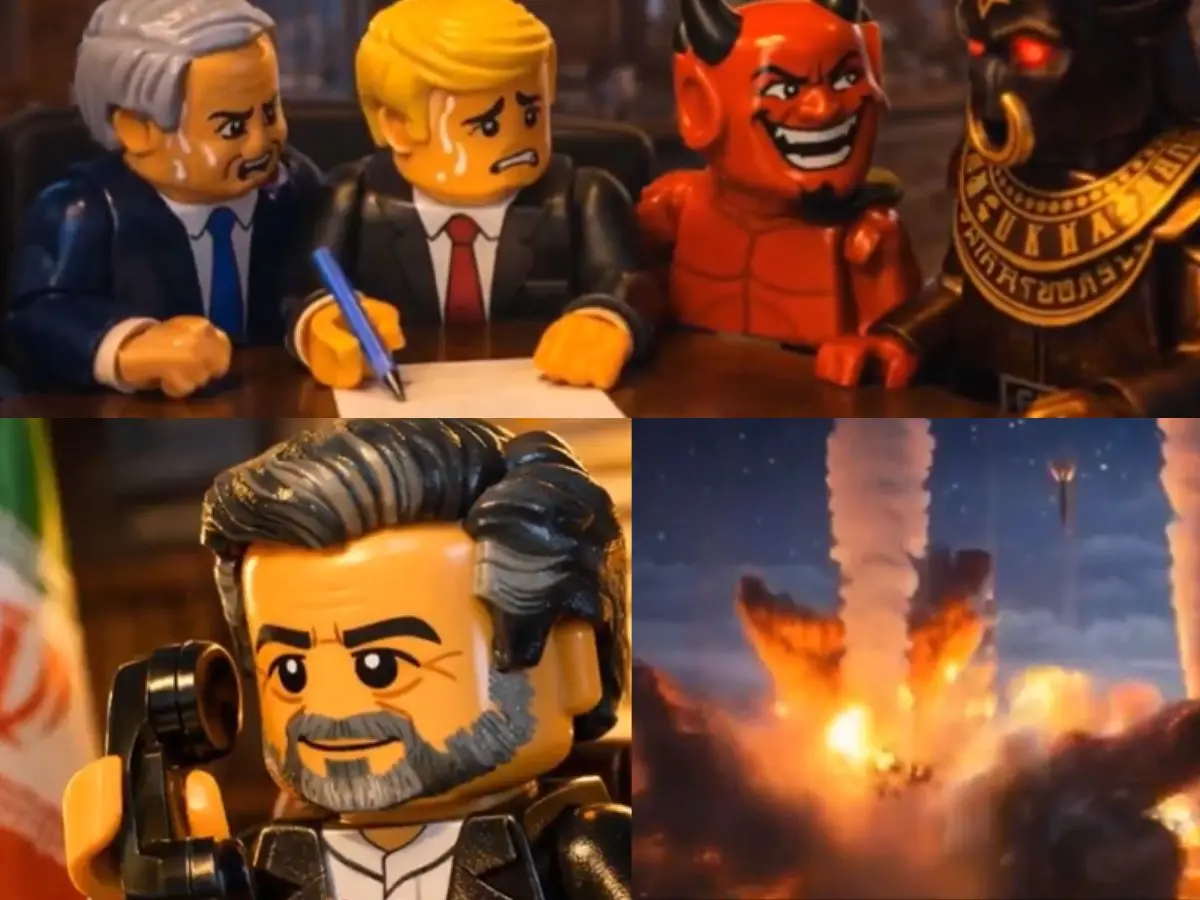
Pro-Iran memes mocking US and Israel Photograph: (X)
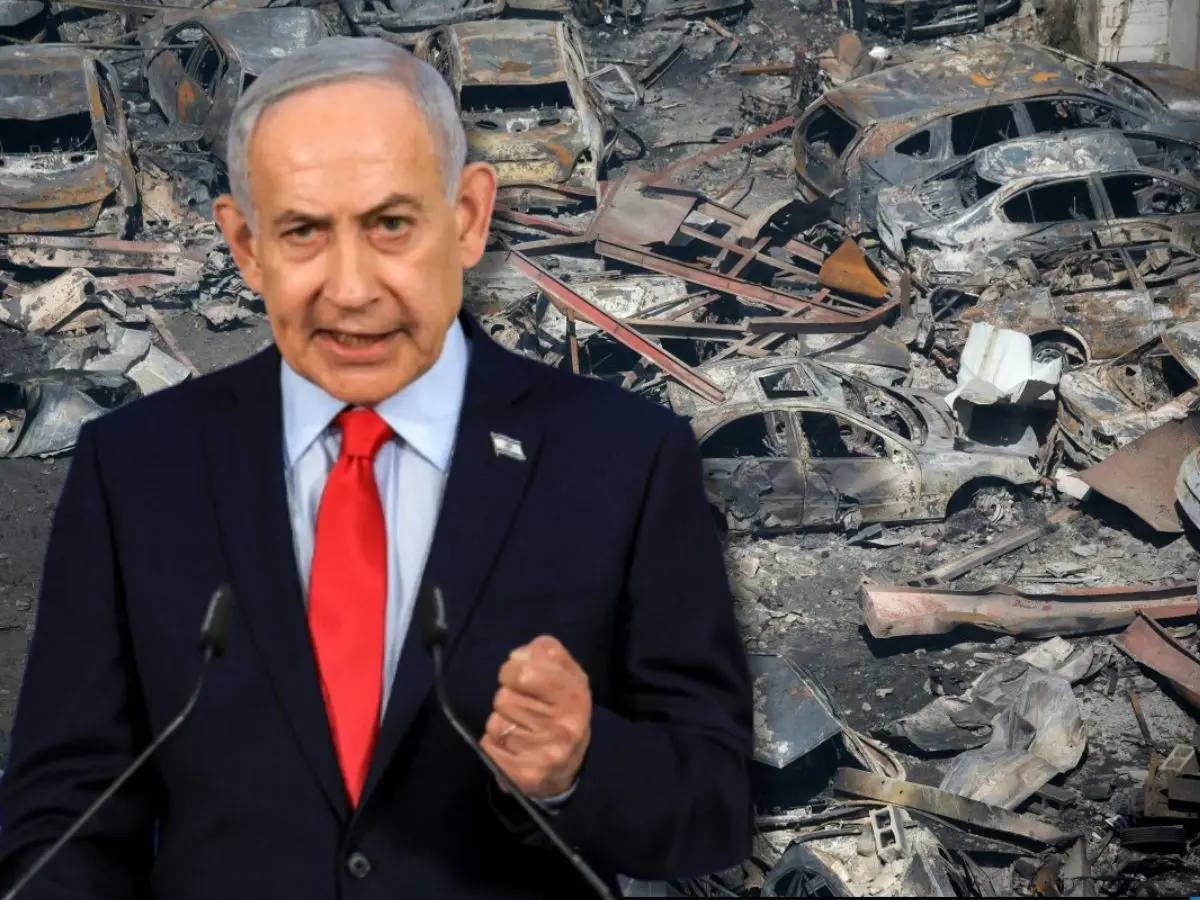
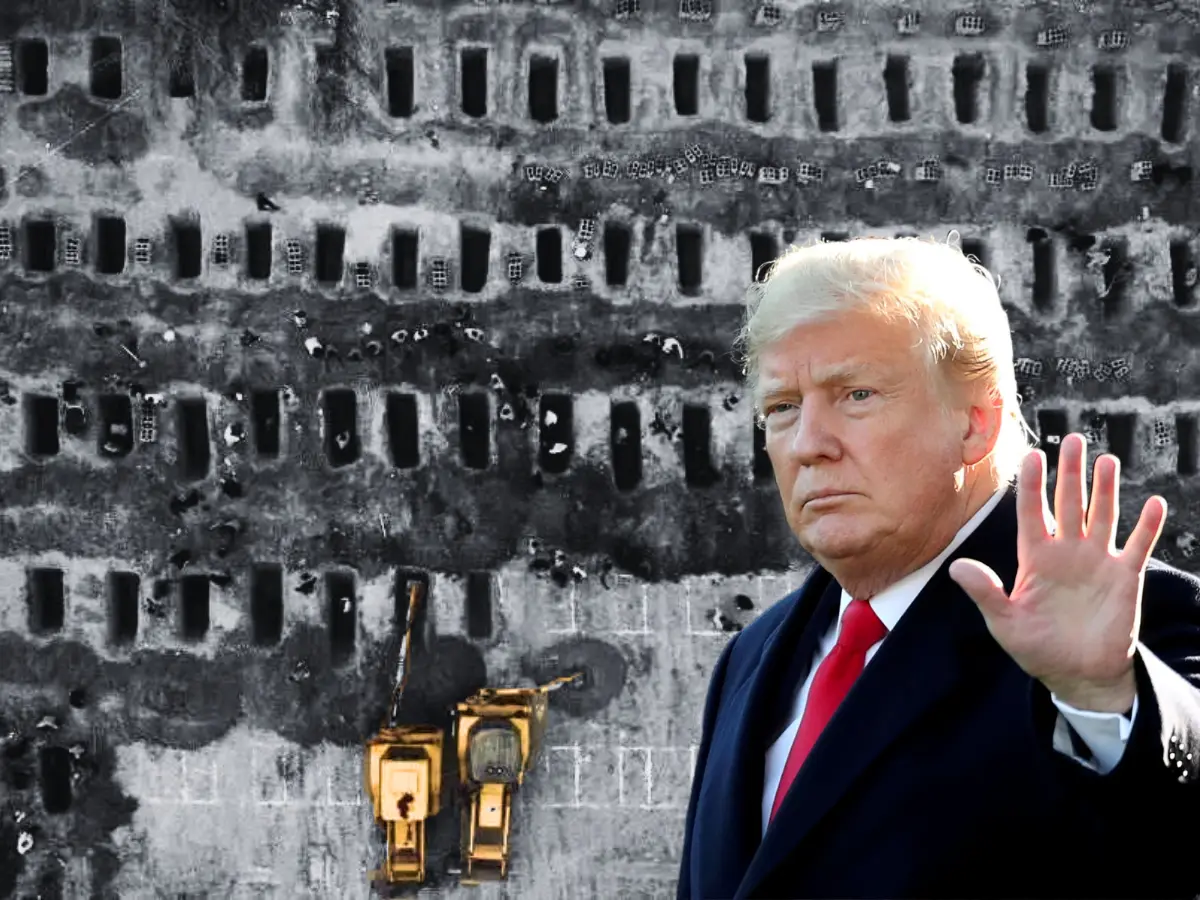
The content is notable for its familiarity with US culture and political discourse. Memes circulating across platforms portrayed US President Donald Trump as isolated and out of touch, drawing on domestic controversies and political divisions.
In recent months, since the beginning of the Iran war on February 28, pro‑Iran groups have been using artificial intelligence to create and spread sophisticated English-language internet content—especially memes and animated videos, aimed at influencing global perceptions of the war and undermining Western unity. These efforts are widely shared on social platforms and are tailored to US cultural references to gain traction among American audiences. “This is a propaganda war for them,” said Neil Lavie-Driver of the University of Cambridge, according to AP, adding that the aim is to “sow enough discontent… to force the West to cave in.”
The content is notable for its familiarity with US culture and political discourse. Memes circulating across platforms portrayed US President Donald Trump as isolated and out of touch, drawing on domestic controversies and political divisions. Propaganda scholar, Nancy Snow, was quoted saying, “They’re using popular culture against the No. 1 pop culture country, the United States.” Some content used stylised formats, including animation inspired by popular franchises, to deliver political messaging in a format designed for virality.
Signs of coordination with Tehran
Researchers believe the sophistication of these campaigns points to links with Iranian state structures. Mahsa Alimardani of WITNESS told AP that producing and distributing such content requires resources and access unlikely without “official or unofficial” cooperation. State media has amplified several of these posts, including content from accounts such as Akhbar Enfejari, which described its mission as disrupting Western dominance of global narratives: “This time, we’ve disrupted the game… we’re doing it better.” Most of these memes or videos use AI content uses familiar pop‑culture aesthetics (e.g., LEGO‑style satirical videos) and American cultural tropes to increase shareability. These pieces are also produced in English and circulate widely online.
Following the ceasefire, pro-Iran accounts declared victory online, with posts claiming ‘Iran won’. Iranian diplomatic channels also joined in, projecting the country as a rising power. In contrast, analysts say the US and Israel have not engaged in a comparable global meme campaign. While the reach and tangible influence of these AI campaigns remain debated, their existence highlights the increasingly sophisticated methods used in digital propaganda.
Trending Stories
)
)
)
)
&im=FitAndFill=(700,400))
)
)
)
)
&im=FitAndFill=(700,400))
)
)
)
)
)
)
)
)
)
&im=FitAndFill=(700,400))
)
)
)
)
)
)
)
)
)
)
&im=FitAndFill=(700,400))
)
)
&im=FitAndFill=(700,400))
A shifting information landscape
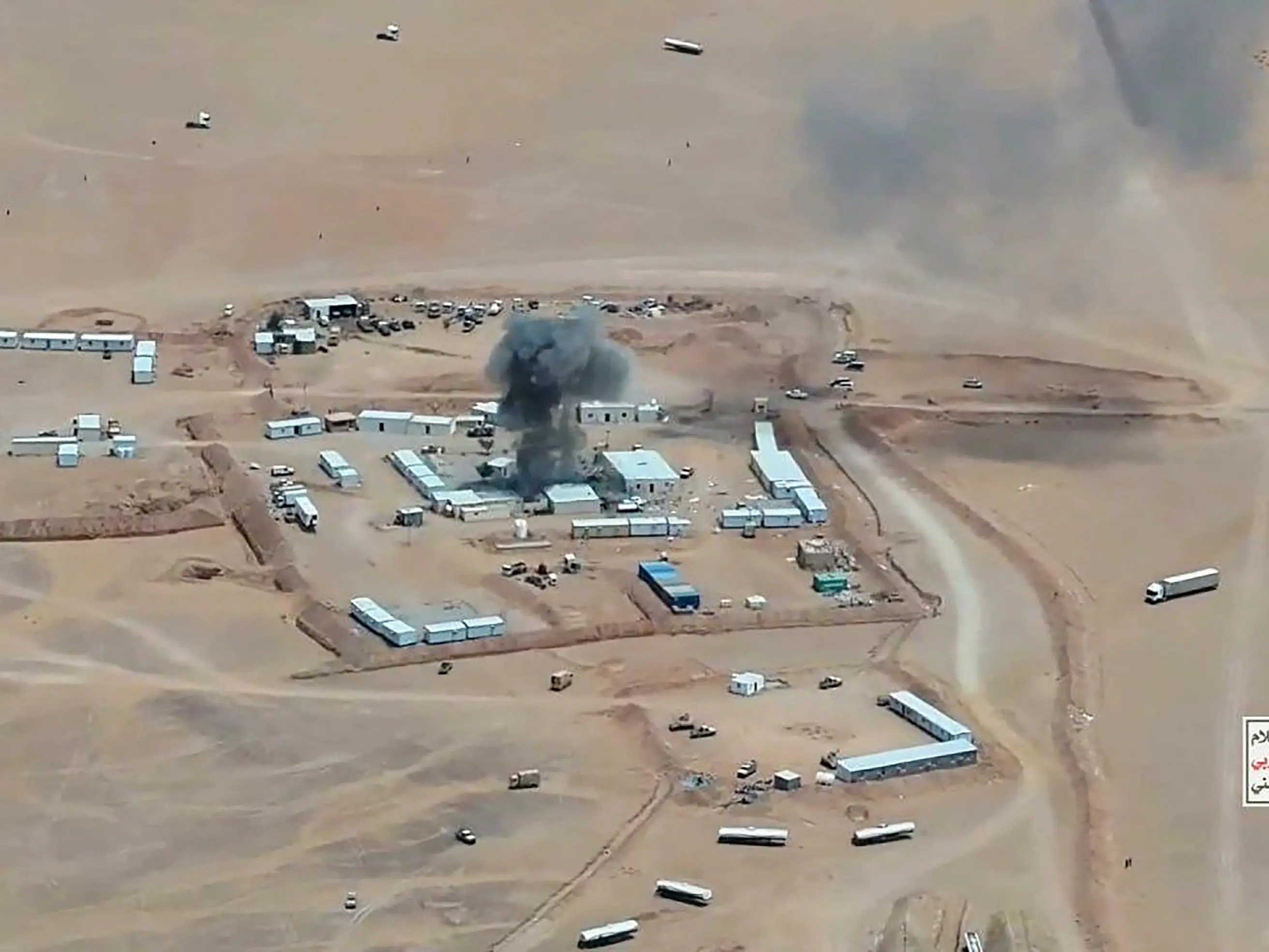
Numerous AI-generated videos and fabricated satellite images have been used to spread misleading claims about the conflict, collectively amassing hundreds of millions of views online. Social media platform, X announced in March that it will temporarily suspend creators from its Creator Revenue Sharing Programme if they post AI-generated videos of armed conflict without clearly disclosing that the content was made using artificial intelligence. The use of AI-generated content marks an evolution in modern information warfare.