Empty victory? How Israel’s core war objectives against Iran remain unmet after fragile US-Iran ceasefire

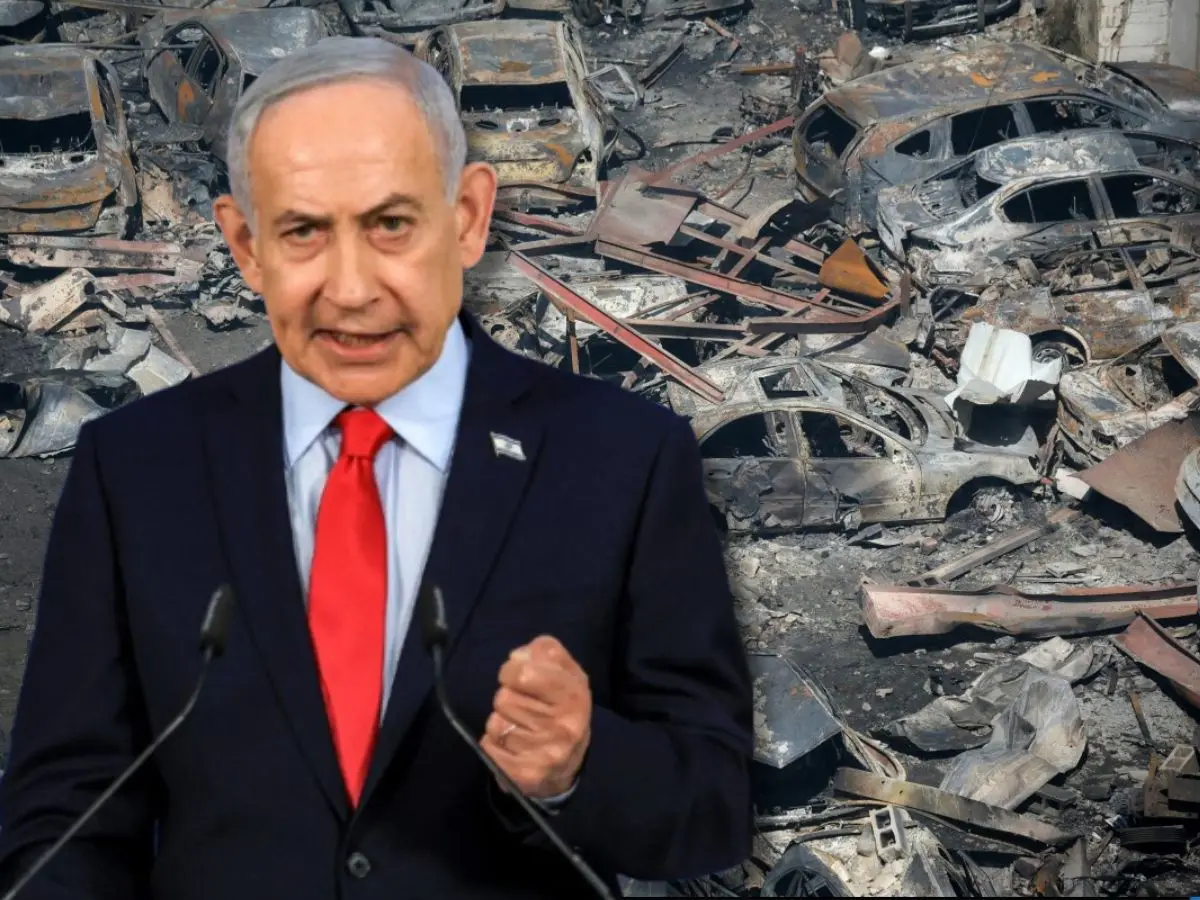
Domestically, Netanyahu faces criticism. Opposition leader Yair Lapid said the Prime Minister “failed to topple the regime” and did not eliminate nuclear or missile threats.
A ceasefire without closure
A fragile ceasefire between the United States and Iran has paused weeks of conflict, but analysts say it leaves Israel short of its core objectives. The truce has halted immediate hostilities without resolving the central strategic questions that drove the war.
Netanyahu’s stated war aims
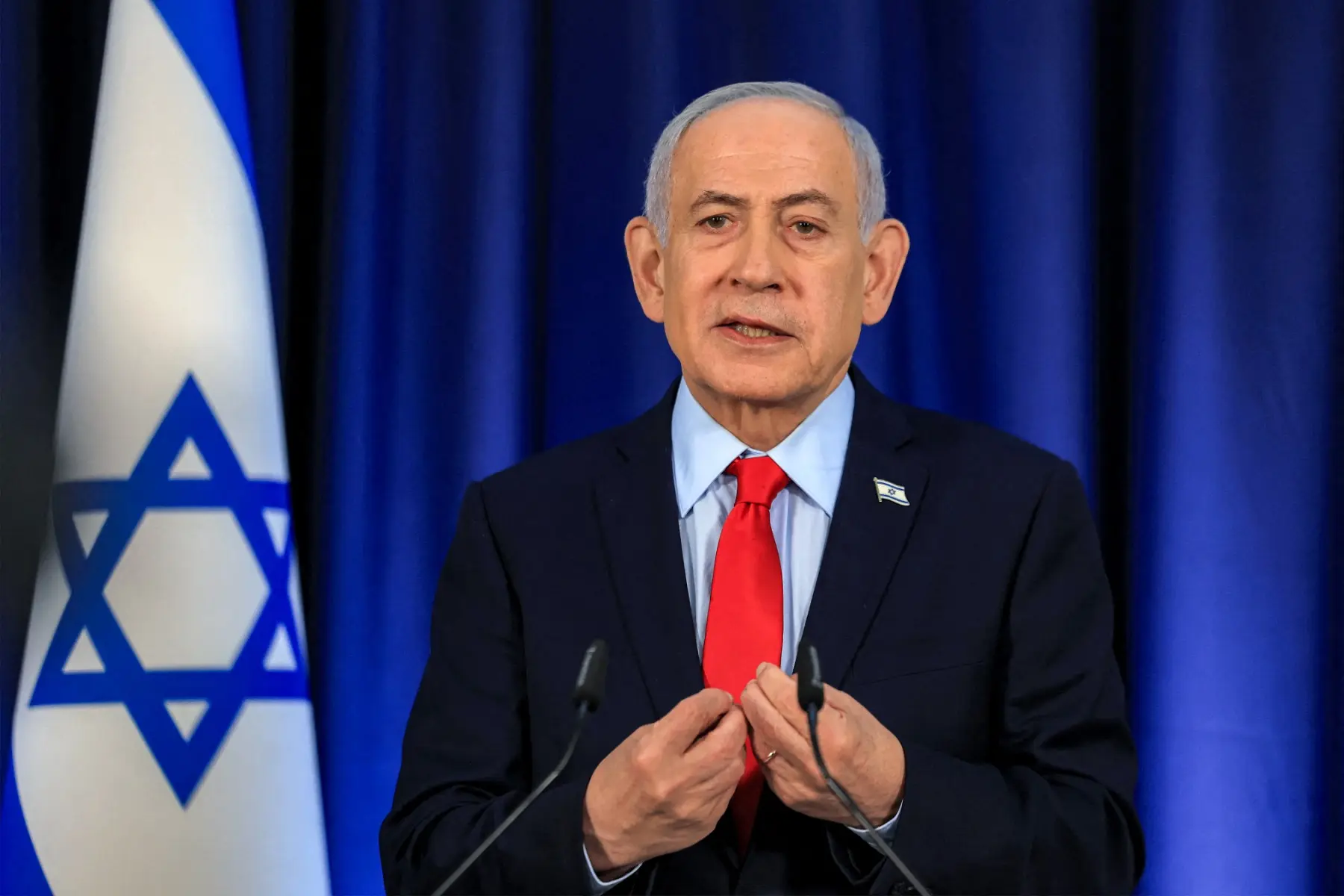
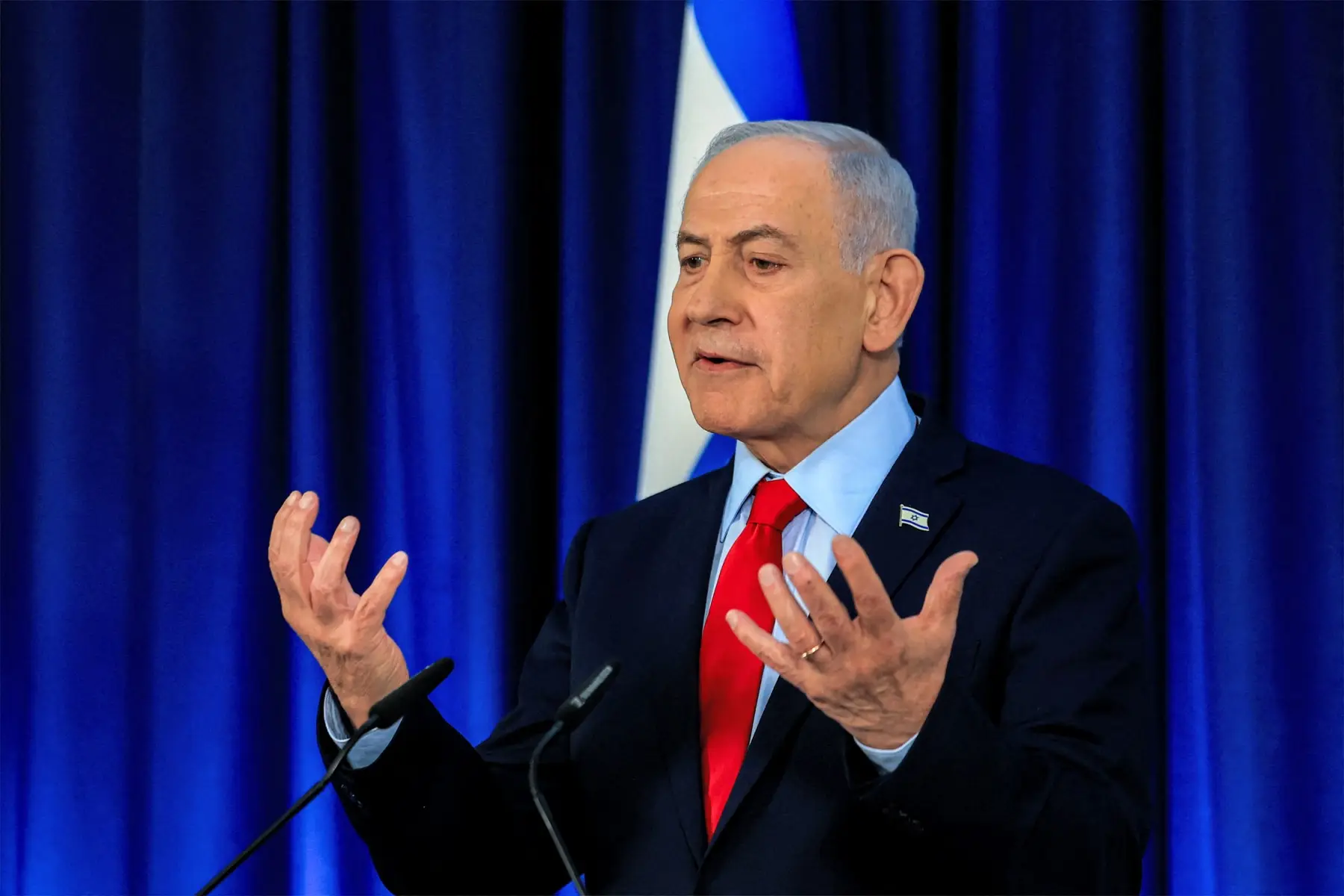
Prime Minister Benjamin Netanyahu had framed the conflict around three goals: dismantling Iran’s nuclear programme, neutralising its ballistic missile capability and weakening or toppling the regime. He has long described Iran as an “existential threat”, making these aims central to Israel’s security doctrine.
Nuclear and missile goals unmet
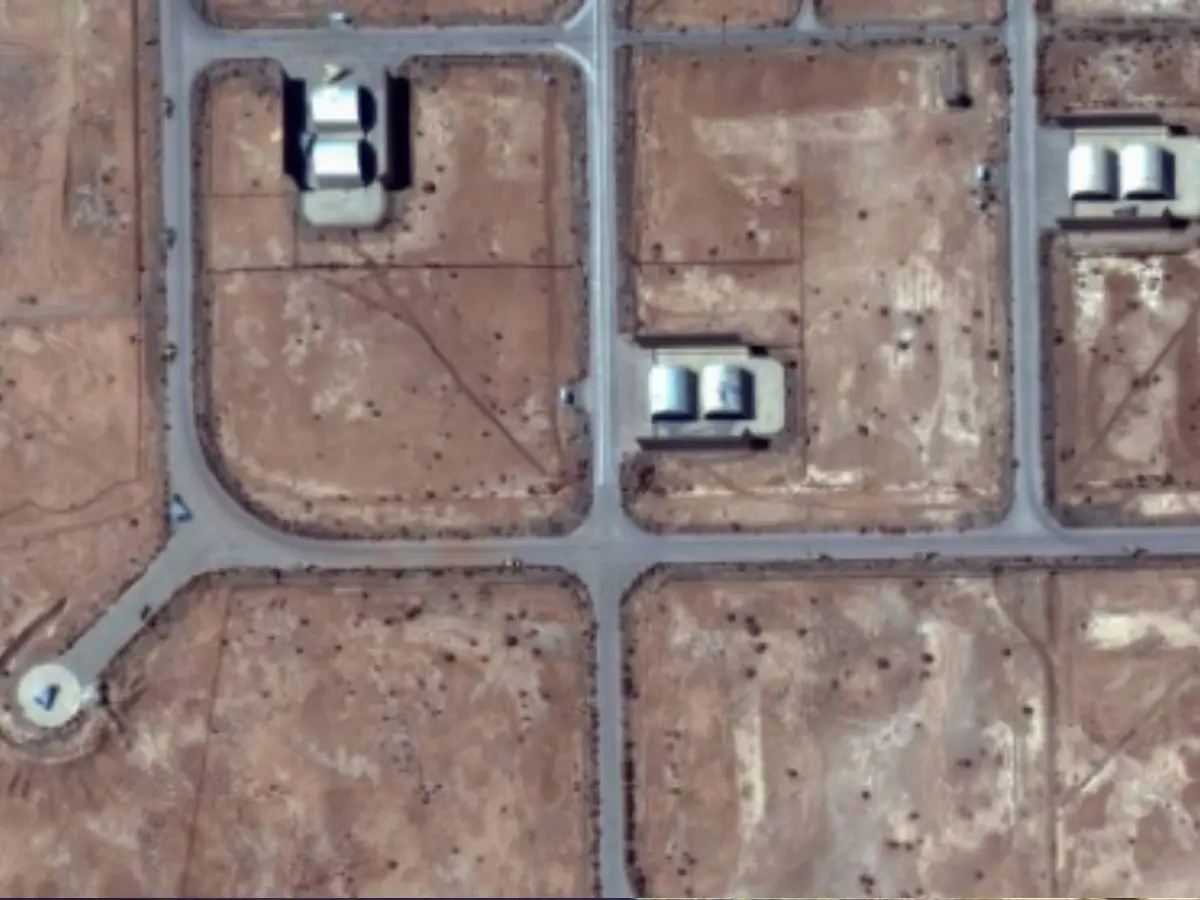
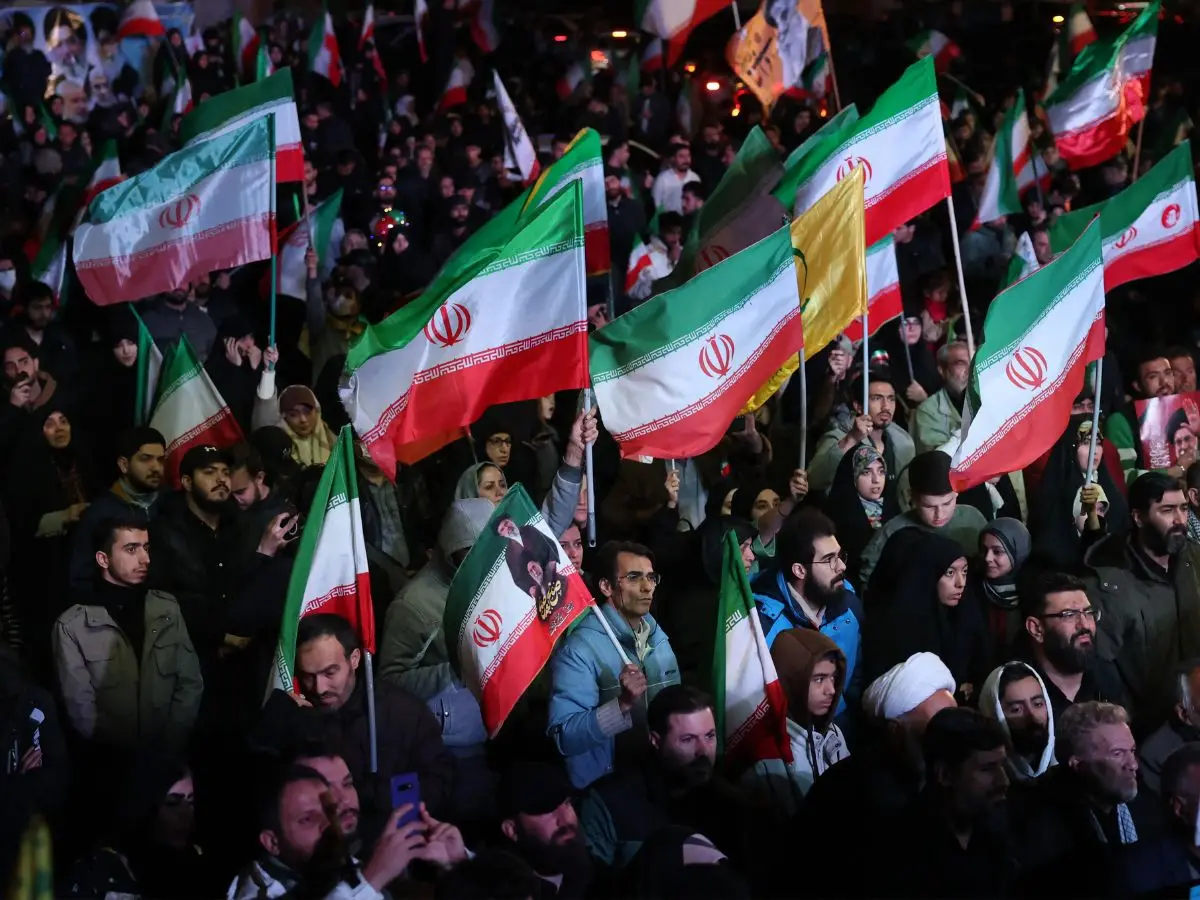
Analysts argue these objectives remain unfulfilled. “The uranium is still in Iran,” said Mairav Zonszeina, a senior Israel analyst, adding that Tehran retains missile capability despite sustained strikes. Another defence analyst, Patricia Marins, wrote on X that estimates suggest Iran retains a large and diverse missile arsenal, potentially around 20,000 missiles built over decades of sustained production. Estimates also indicate that Iran still holds significant enriched uranium, while its missile arsenal, though degraded, remains operational. On Thursday, Iran’s nuclear chief Mohammad Eslami dismissed calls for limits, saying "The claims and demands of our enemies to restrict Iran’s enrichment programme are merely wishes that will be buried."
Regime stability endures
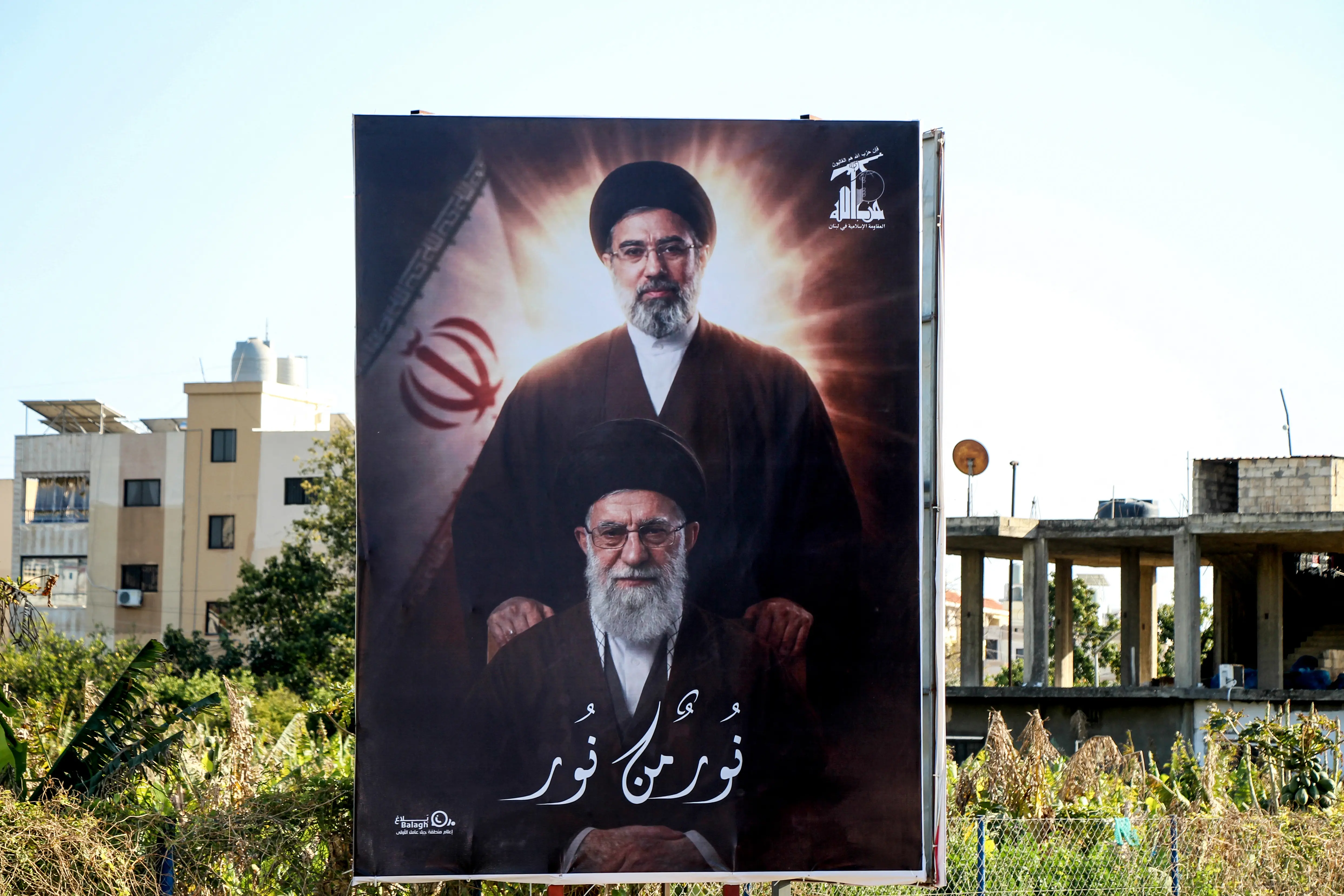
The Iranian political system has also remained intact. “Regime change hasn’t happened,” Yossi Mekelberg of Chatham House told AFP, noting that while senior figures were killed, the clerical leadership structure continues to function. This continuity undermines one of Israel’s implicit strategic aims.
Regional tensions persist
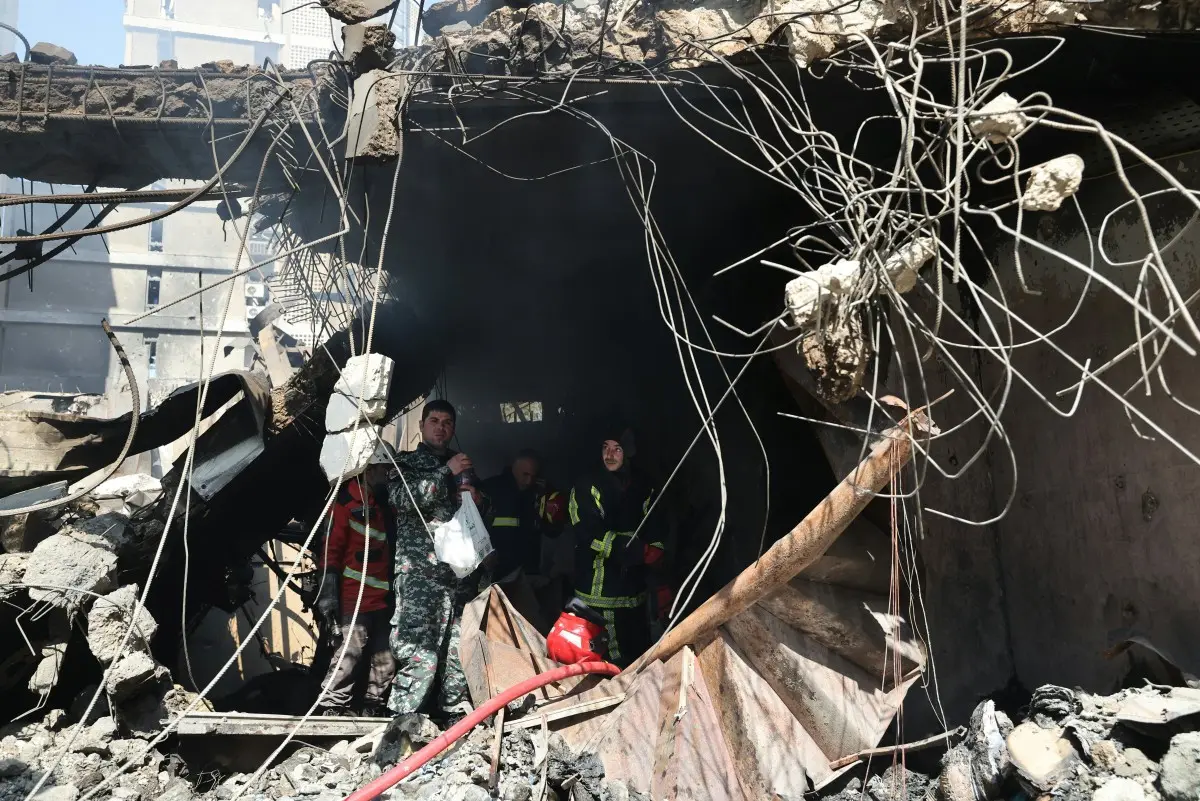
The ceasefire has not extended to all fronts. Israel continues operations against Hezbollah in Lebanon, carrying out large-scale strikes. Israel has demanded Iran end support for these group, something Tehran has not accepted to be in its proposal. Iran has warned such actions could undermine the truce, highlighting ongoing risks of escalation across the region.
Political fallout and competing narratives
Domestically, Netanyahu faces criticism. Opposition leader Yair Lapid said the prime minister “failed to topple the regime” and did not eliminate nuclear or missile threats. Yet analysts suggest Netanyahu may frame the conflict as a success, citing close US-Israeli coordination. With elections approaching, the debate over whether the war achieved its aims is set to intensify.
A ‘deeply troubling’ assessment
Danny Citrinowicz of Israel’s Institute for National Security Studies described the outcome as “deeply troubling”. He noted Iran still possesses roughly 440 kg of uranium enriched to 60 per cent, alongside a functioning missile capability. He warned that without progress in negotiations, “we risk emerging from this war worse off than when it began.”
Political fallout and competing narratives
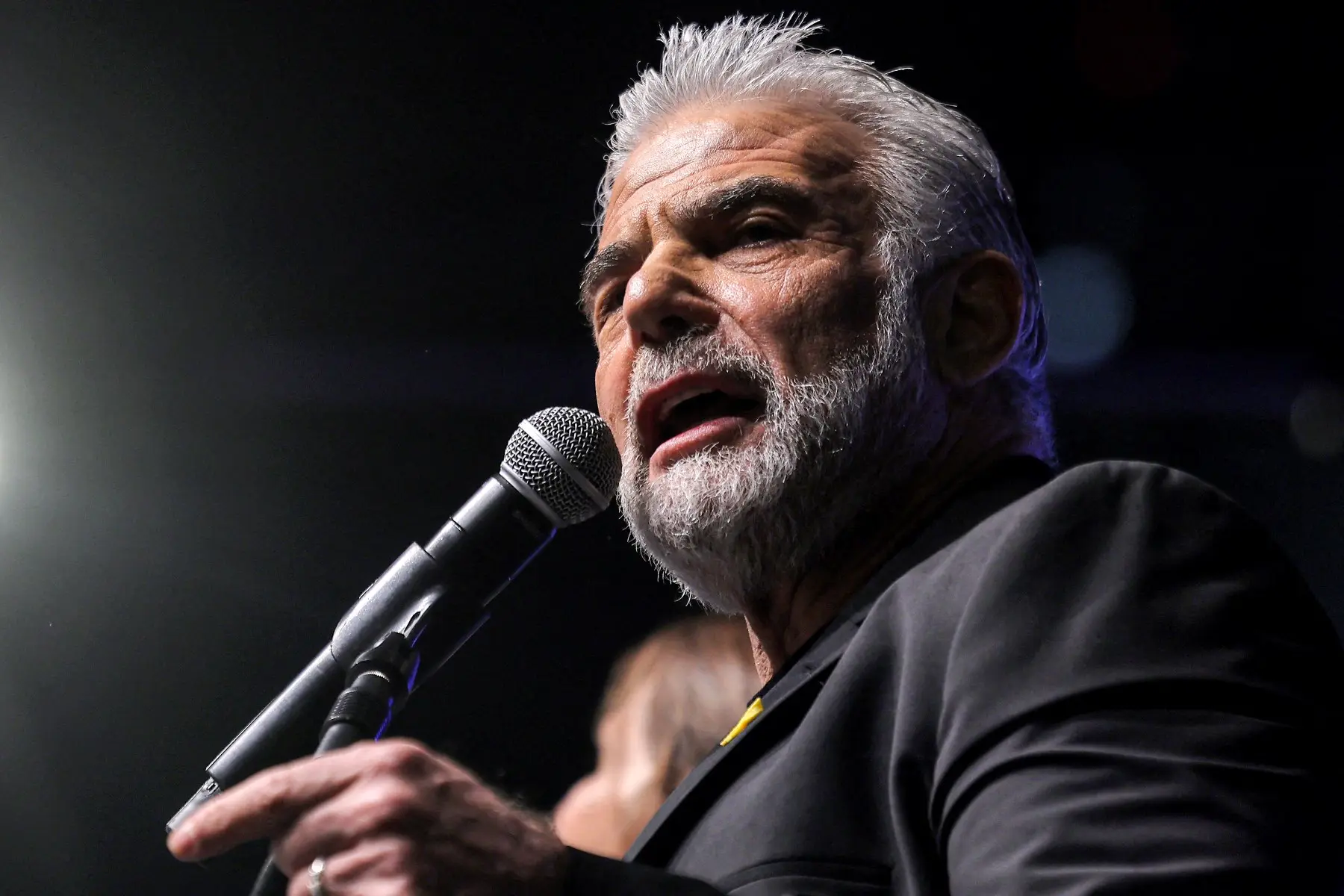
Domestically, Netanyahu faces criticism. Opposition leader Yair Lapid said the Prime Minister “failed to topple the regime” and did not eliminate nuclear or missile threats. “Israel was not even close to the table when decisions were made concerning the core of our national security", adding that, “..Netanyahu failed politically, failed strategically, and did not achieve any of the goals he himself set." Yet analysts suggest Netanyahu may frame the conflict as a success, citing close US-Israeli coordination. With elections approaching, the debate over whether the war achieved its aims is set to intensify.
)
)
)
)
)