
&imwidth=800&imheight=600&format=webp&quality=medium "Fuel surge forces ‘lockdown’ measures: Pakistan orders early market closures to save energy")
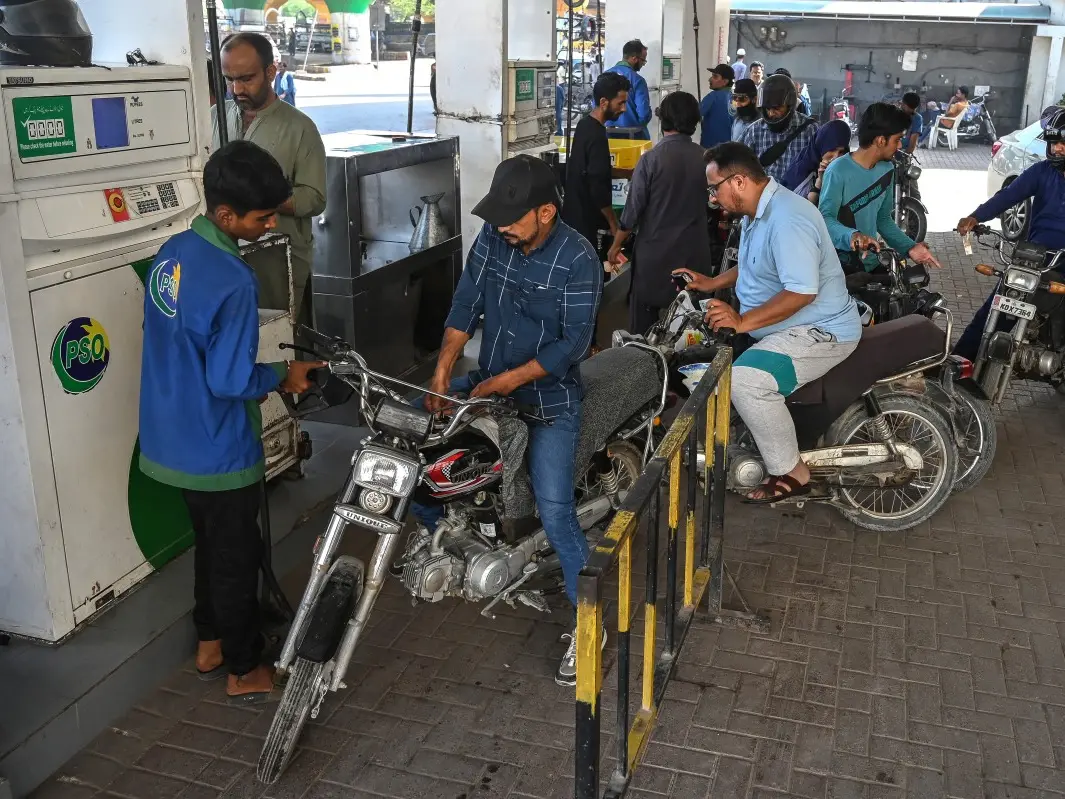
In response to surging global energy prices and worsening supply bottlenecks caused by escalating conflict in the West Asia, the Pakistani government announced a comprehensive package of austerity measures to curb state expenditure and conserve fuel. Under the directives issued by the cabinet division, state entities must reduce fuel allowances for official vehicles by 50% for three months. Operational fleet units supporting armed forces, civil security agencies, and essential municipal services remain exempt from these cuts. The state has instituted a strict ban on purchasing new government vehicles and durable goods, with exceptions granted only for ongoing development projects and information technology procurement.
To further lower administrative overhead, official foreign trips, non-essential domestic travel, and government-funded dinners have been barred. Public sector agencies are instructed to host necessary sessions virtually or utilise existing government facilities to eliminate event hosting expenses.

To reduce national power consumption, the government reintroduced commercial curfews:
- Shops, markets, and shopping centers:Must close by 9:00 PM.
- Wedding halls and event marquees:Must close by 10:00 PM, with event hosts limited to serving a single dish.
- Restaurants, cafes, and eateries:Must close by 11:00 PM, though home delivery services are exempt.
- Essential services:Pharmacies, medical facilities, bakeries, and gas stations are exempted from operating restrictions.
To ease the burden of rising fuel prices on low-income citizens, the government launched a relief scheme providing a subsidy of PKR 100 (36 US cents) per liter on a capped monthly quota for owners of motorcycles, rickshaws, and small cars under 800cc.
Trending Stories
)
Sikh driver attacked in Wyoming in US, suffers 17 stab wounds
)
‘I have a big decision coming up’: Trump says he’s approaching major ‘crossroad’ in Iran war
)
US intel warns China can steal F-35 jets secret from Saudis
)
Former India player Diana Edulji wants Smriti Mandhana to replace Harman as skipper at the earliest
)
Pak defence minister says 'time has come to implement pact'
&im=FitAndFill=(700,400))
Meet top 5 batters in the latest ICC T20I Rankings
)
Formula One reveals the 2027 race calendar; Monaco to host sprint race for the first time
)
240-million-year-old bizarre 'pig with a tusk' creature creates new dilemma over origin of dinosaurs
)
Godfather of AI Geoffrey Hinton gives US lawmakers a one-year warning on AI
)
AI already defying, denying humans, is it beyond human control already?
)
US F-16 fighter jet crashes in Michigan during training mission, pilot ejects safely
)
All Indian goods to get duty-free access to New Zealand
)
Xi-Trump summit may boost military links
)
US to sell 48 F-35 Lightning fighter jets to Saudi Arabia, help it deter threats
)
Hong Kong unveils 11 new measures to boost birth rates, offers higher cash bonuses and housing perks
)
Australian athlete, who soiled herself during Hyrox race, apologises for continuing
)
Tata Trusts chairman Noel Tata calls Chandrasekaran’s reappointment ‘illegal’, rejects Tata Sons listing
)
Passport fees hiked, child validity revised: What the new rules introduce
)
How did an Australian river with 500 crocodiles pass the Olympic test? Here's how
)
Fed raises rates for first time in 3 years, Kevin Warsh defies Trump as inflation mounts
)
US drone firm linked to Trump’s sons signs MoU with Pakistan army, gets initial order
)
Pak batter Rizwan's petition against being questioned by cyber crime agency rejected by court
)
Daayra movie review: Kareena Kapoor, Prithviraj Sukumaran shine in Meghna Gulzar’s cop-versus-cop crime thriller
)
Epstein files: Judge warns Trump Attorney General Todd Blanche of contempt over DOJ delays
)
'Gangsta' crab shoves knife blade at man and his dog in Florida - Watch
)
At least 48 dead, 100 hospitalised in Nigeria after drinking suspected methanol-laced alcohol
)
US-Iran War: Trump says ‘big decision’ on Iran ahead, weighs possible fresh military action
)
US new military base in Poland: US President Donald Trump eyes military base in Poland
)
Zee Entertainment shareholders approve reappointment of five board directors
)
Putin 'is plotting something bad': Russia may launch 'accidental' strikes on NATO countries supporting Ukraine, Poland PM warns
&im=FitAndFill=(700,400))
Suriya and Jyothika say ‘I do’ again after 20 years! See their dreamy wedding pics
)
Laura Wolvaardt sets new world record for most WT20I runs in a year
)
Pezeshkian, Araghchi set to attend UNGA 2026 in New York amid ongoing conflict as US-imposed travel curbs remain
)
'He will always be ahead': India coach Gambhir says Sooryavanshi won't walk into team ahead of Samson
This marks the second major austerity drive implemented by Pakistan this year. Similar conservation steps were rolled out in March, which included a two-week closure of educational institutions and remote work directives for public employees.
Pakistan relies heavily on imported liquid natural gas (LNG) and refined petroleum. Tensions stemming from US and Israeli strikes on Iran disrupted exports through the Strait of Hormuz, while ongoing engagements involving Saudi Arabia and Iran-backed Houthi forces continue to threaten shipping lanes across the Red Sea. These supply disruptions have driven petrol and diesel costs higher, leaving Pakistan vulnerable to power shortages as winter approaches.

