Did India risk its US trade deal despite softer stance at BRICS?

&imwidth=600&imheight=450&format=webp&quality=medium "Did India risk its US trade deal despite softer stance at BRICS?")
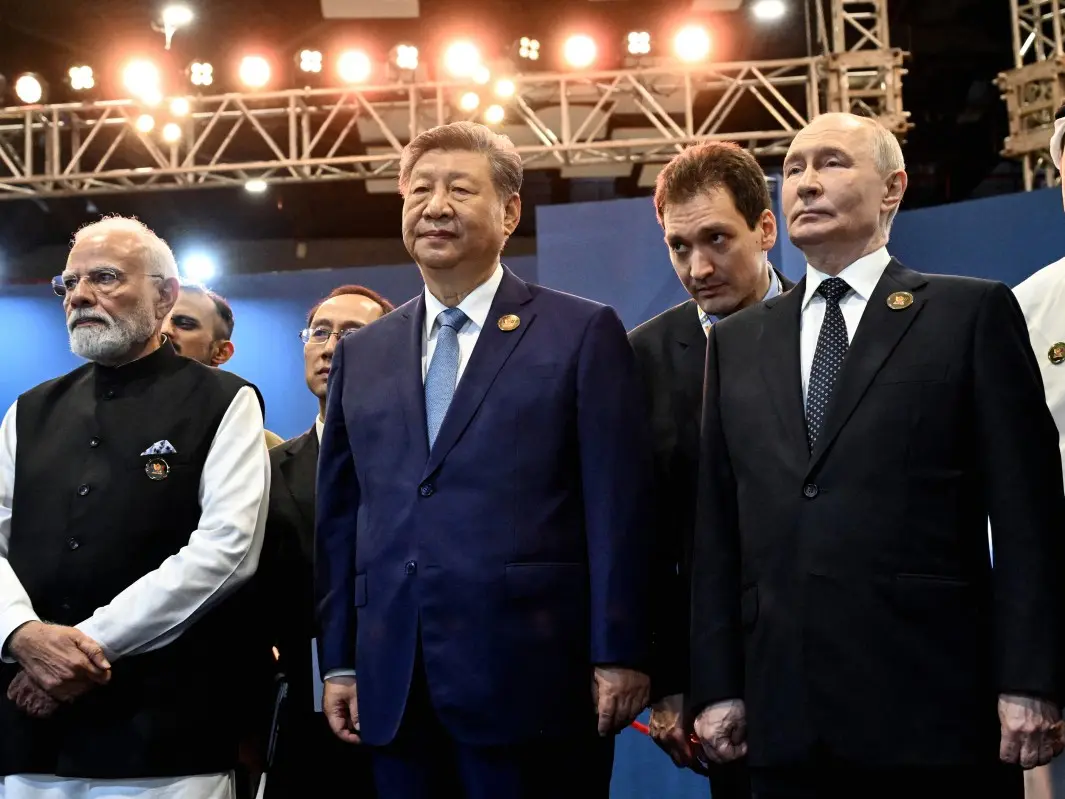
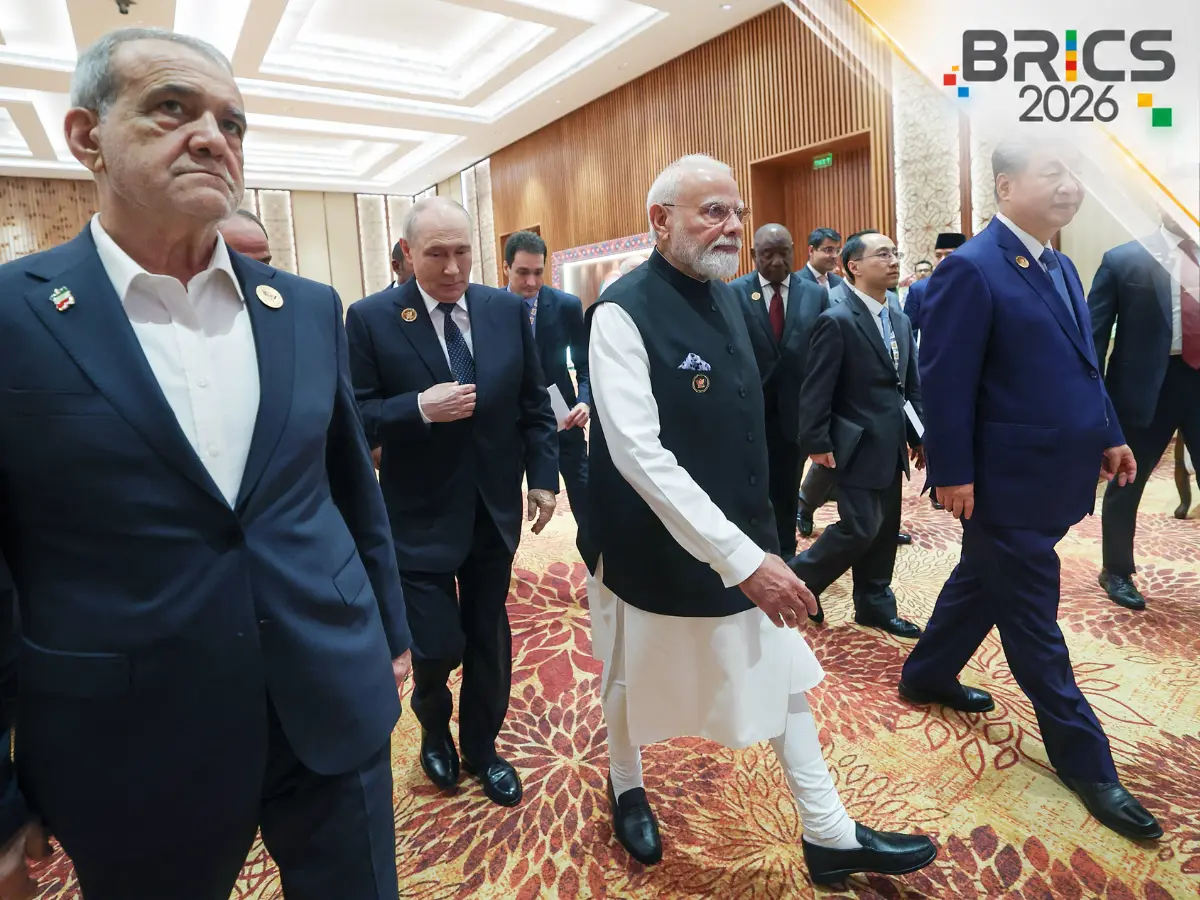
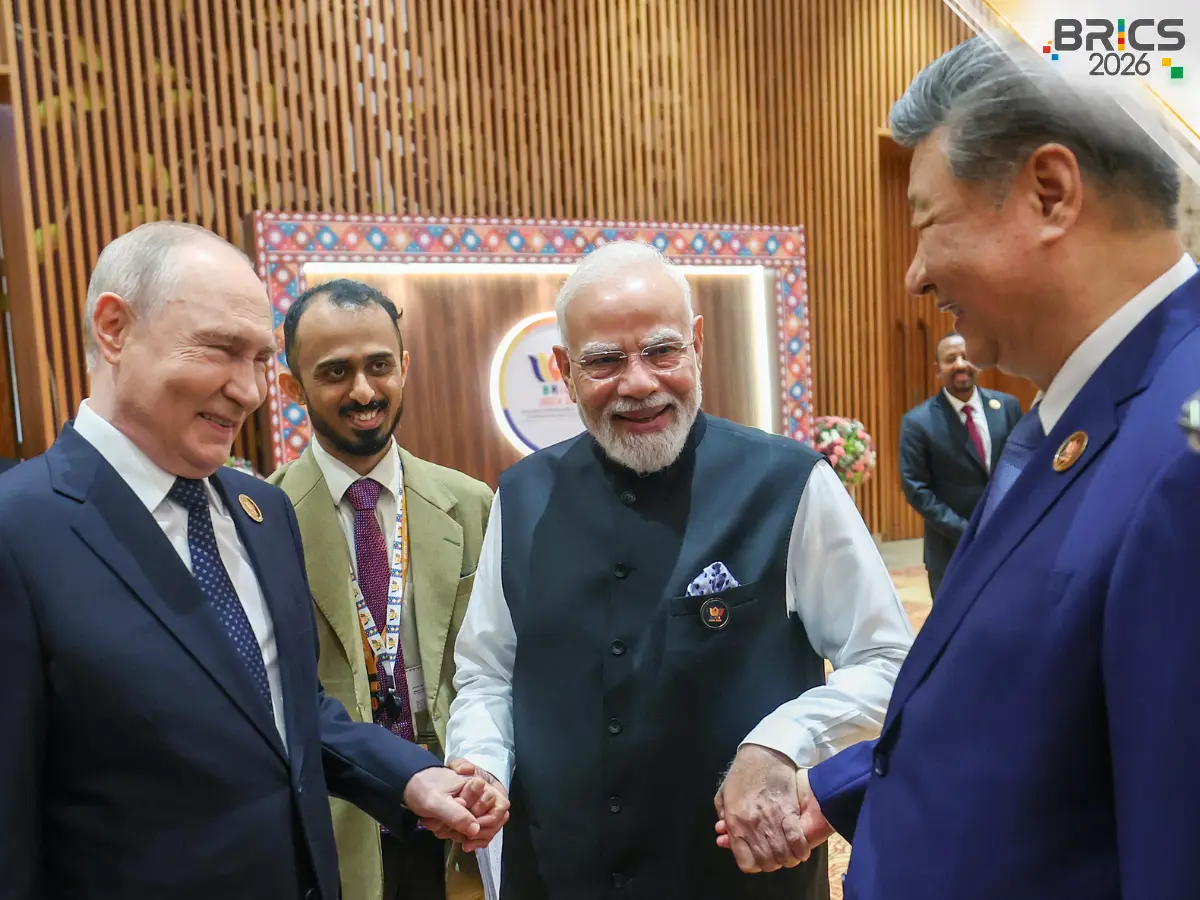
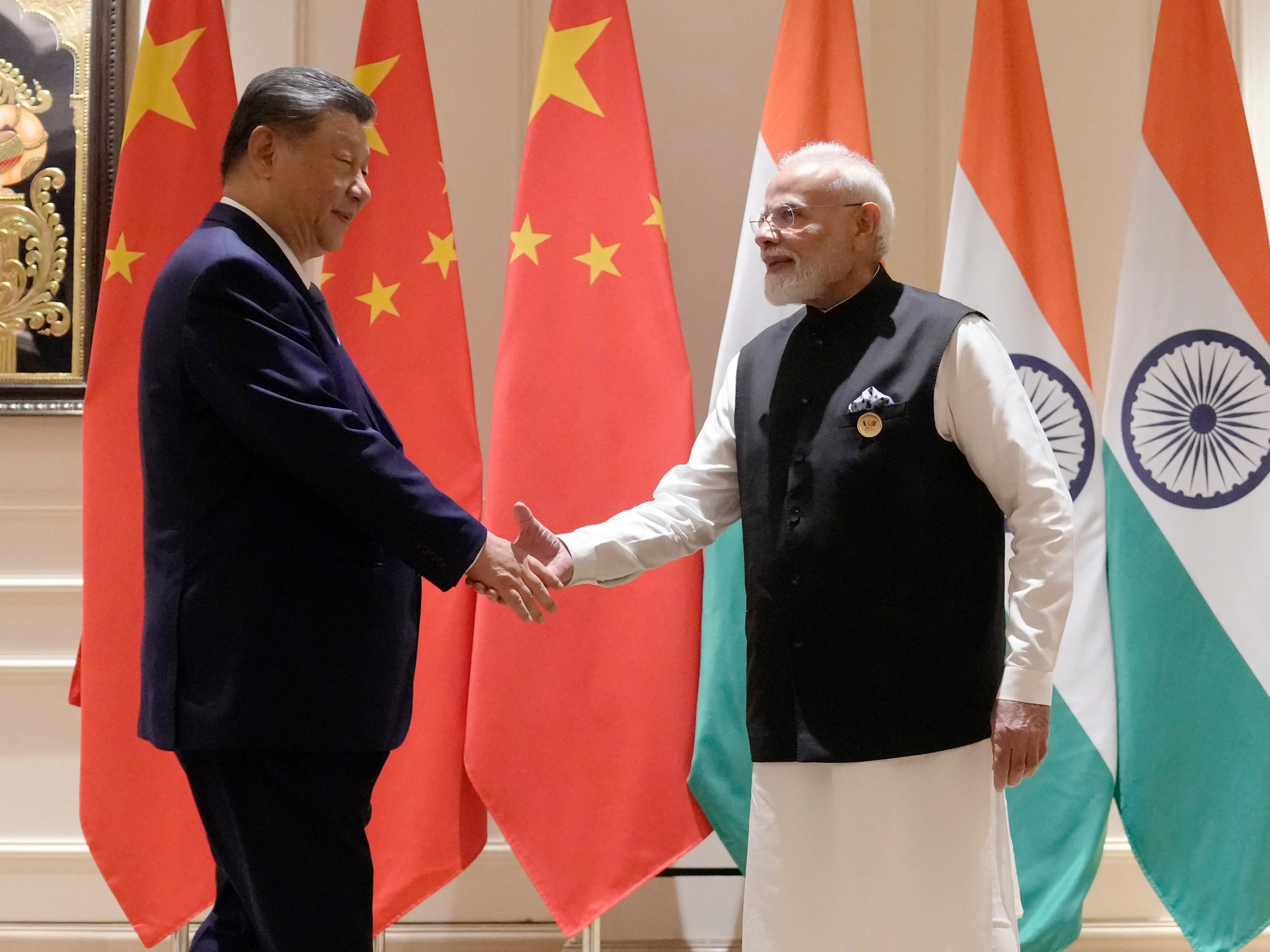
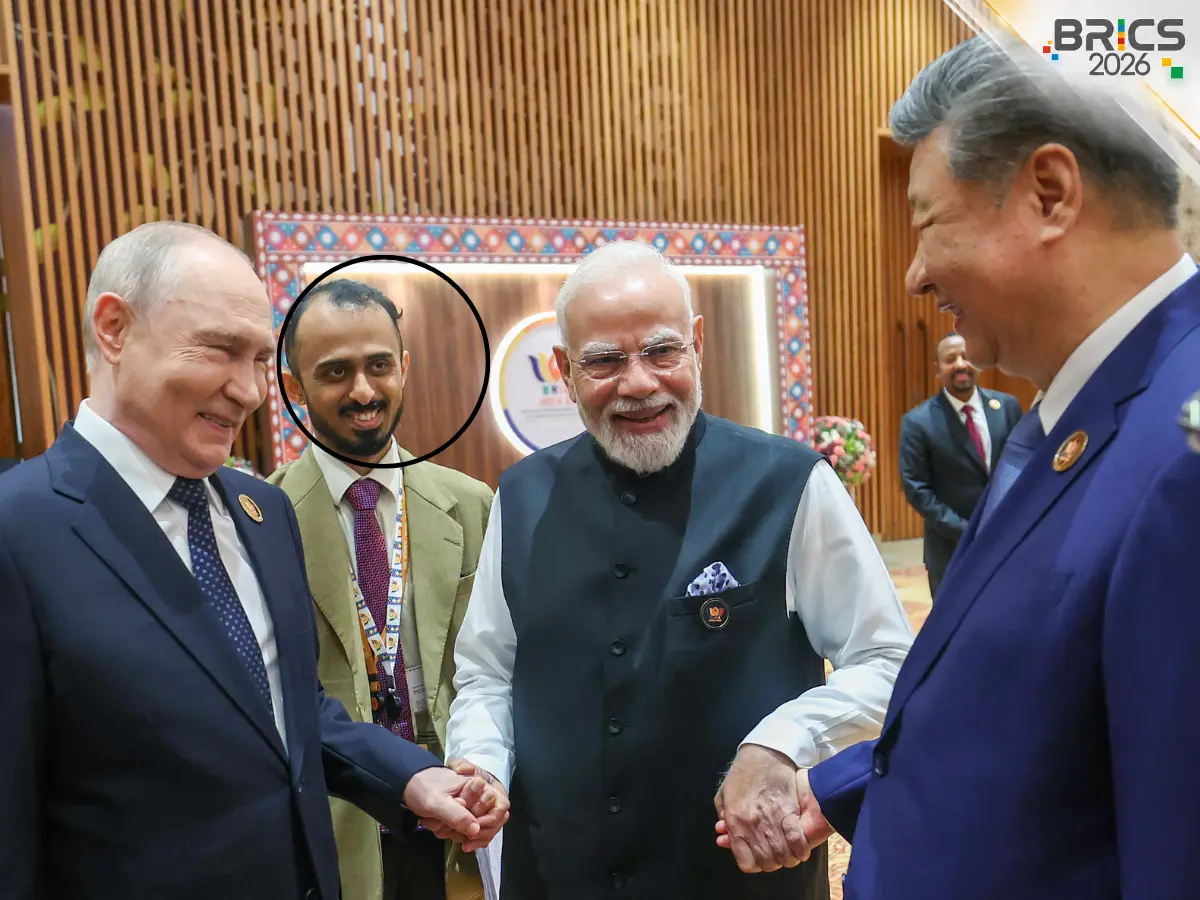
In this pool photograph distributed by the Russian state agency Sputnik, India's Prime Minister Narendra Modi (L) stands alongside China's President Xi Jinping (front C) and Russia's President Vladimir Putin (front R) during the 18th BRICS Summit in New Delhi on September 12, 2026. Photograph: (AFP)
The BRICS declaration condemned unilateral tariffs without naming the US as India balances trade negotiations with Washington and ties with Russia and Iran.
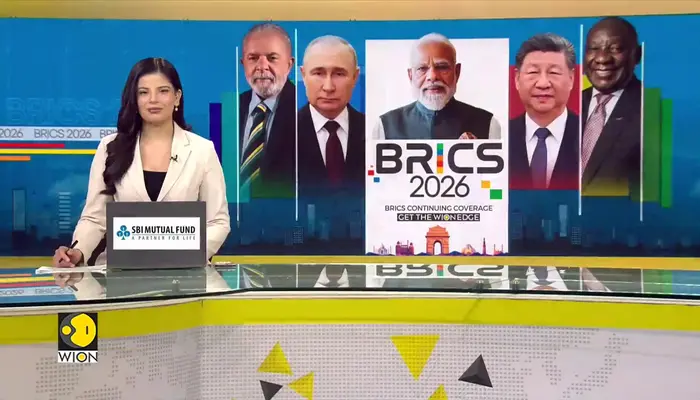
The New Delhi Declaration adopted at the 18th BRICS Summit condemned "unilateral tariff and non-tariff measures" as against international law, but never named the US. It seems like a deliberate move to avoid straining member nations' bilateral trade relationships, especially for India, which chaired the BRICS summit. This comes as India is negotiating a trade deal with, seeking competitive rates to those offered to Vietnam and Bangladesh.
The tariff-criticism language is vague, so Washington has no direct textual trigger to retaliate against India specifically, unlike Rio 2025, where Trump followed the joint statement almost immediately with an actual 50 per cent tariff on Brazil, tied explicitly to that summit's "anti-American policies" framing.
India formally ruled out the creation of a common BRICS currency. It instead advocated for settling bilateral trade in local currencies. Indian officials have repeatedly stressed India has "no plans to challenge the US dollar's global dominance". Union Commerce Minister Piyush Goyal and the MEA emphasised that India's focus is purely transactional, not political. However, its active role in developing the BRICS Cross-Border Payment System to facilitate local currency routing still walks a precarious line with Washington. This is more likely to trigger a Trump's reaction than the softened Iran or Gaza language, as Trump has previously also warned about tariffs tracking currency moves.
Overall, the declaration appears unlikely to change anything; what can change is the optics. Modi was flanked by Xi and Putin, deepening a $100B Russia trade target and hosting Iran while holding Pezeshkian's hand, as its own $500B+ trade negotiation with Washington remains unresolved.
US Treasury Secretary Scott Bessent launched “Economic Outcast” in late August to isolate the Iranian economy. The US has already moved past warnings and penalised four Indian entities directly in late August. Meanwhile, Modi has discussed with Iranian President Masoud Pezeshkian readiness to closely cooperate with Iran in multilateral organisations, including BRICS and SCO, and explicitly expressed New Delhi's resolve to "expand and diversify" bilateral trade channels with Iran. Though how much of this is mere rhetoric and how much is deliverable remains to be seen.
Trending Stories
)
)
)
)
)
)
)
&im=FitAndFill=(700,400))
)
)
)
)
)
)
&im=FitAndFill=(700,400))
)
)
)
)
)
&im=FitAndFill=(700,400))
)
)
)
)
)
)
)
)
)
)
)
)
)
)
)
)
)
)
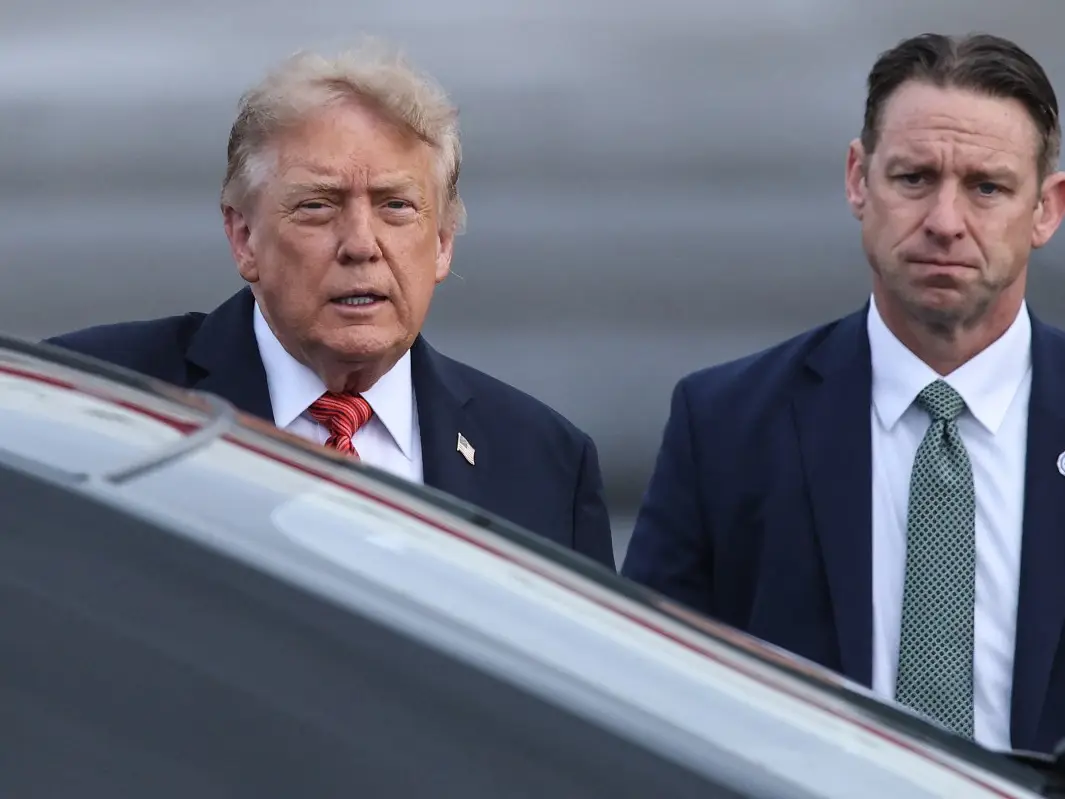
Trump has yet to directly make any comment on BRICS; he shrugged off the bilateral meeting between Iran and the UAE. But as past instances from Rio indicate, Trump reacts to these symbolic moves just like he does to substance.