Almost three years of zero-Covid policy takes its toll on China's coffers; local govt cash strapped


China is battling a fresh wave of Covid infections.
The past week saw protests rage across China, as in a rare outpouring of anger citizens across the country took to the streets protesting against the nation's stringent zero-covid policy and restrictions. To pacify the protestors, Beijing hinted at the loosening of pandemic controls, but now the nation faces another looming problem; cash deficit.
As per a CNN report, local Chinese governments, which were charged with conducting mass testing and enforcing quarantine to keep infection at bay, are now running short on cash. To deal with the problem, they may be forced to cut corners or reduce other vital services.
Also read |China Covid: Covid-19 curbs eased further; no longer mandatory negative tests in Shenzhen, Beijing

China's zero-Covid policy which has been in place for almost three years now has negatively affected the nation's business and economy, While the policy kept China out of recession in 2020, after nearly three years the bills "are mounting", says the report. The bills have placed an extraordinary strain on the nation's municipal authorities.
Talking to CNN business, George Magnus, an associate at the China Centre at Oxford University predicted that if lockdowns and mass testing continue, the risk to the nation's financial stability will increase.
)
Three labourers killed as DU student loses control of his car, rams into them on Dwarka Expressway
)
Pentagon revives mandatory testosterone testing for male troops aged 30 and above
)
FACT CHECK: Why did PM Modi ask Xi ‘is it okay’ at BRICS Summit? New video reveals...
)
India seeks to build a full semiconductor supply chain
&im=FitAndFill=(700,400))
From Abhishek Sharma to Sahil Chauhan, 5 batters with fastest T20I hundreds
)
Indian activist-lawyer Prashant Bhushan's post brings focus on ‘conflict of interest’ appointments of ex-govt officials at Reliance, Adani groups
)
Pyongyang dismisses US, western pressure over nuclear programme
)
US And Denmark reach Greenland deal, Trump announces expanded military presence
)
Google’s Gemini AI hacks real systems by guessing passwords during security test
)
Former India player Diana Edulji wants Smriti Mandhana to replace Harman as skipper at the earliest
)
China may have gained access to US's classified F-35 jets; parts meant for repairs diverted to Hong Kong, sparking Pentagon inquiry
)
NASA research plane reaches 61,000 feet over Panama
)
Godfather of AI Geoffrey Hinton gives US lawmakers a one-year warning on AI
)
Shivakumar attends 79th Kalyana Karnataka Utsav in Kalaburagi
)
Trump signs Russia sanctions law: India faces fresh 100% tariff threat over Russian oil
)
Why Ranveer Singh’s Dhurandhar missed India’s Oscar entry; FFI jury member reveals what happened
)
‘Will go to any extent’: Pakistan vows to defend Saudi Arabia amid Houthi attacks
)
The Verdict | When precision fails: US commits war crime in Minab school strike, UN finds
)
Trump signs Russia sanctions bill into law, targets Moscow’s energy sector
&im=FitAndFill=(700,400))
New Friday OTT releases (September 18, 2026): Lust Stories 3, You+Me, Best of the Best- 8 new titles coming on Netflix, Prime Video and more
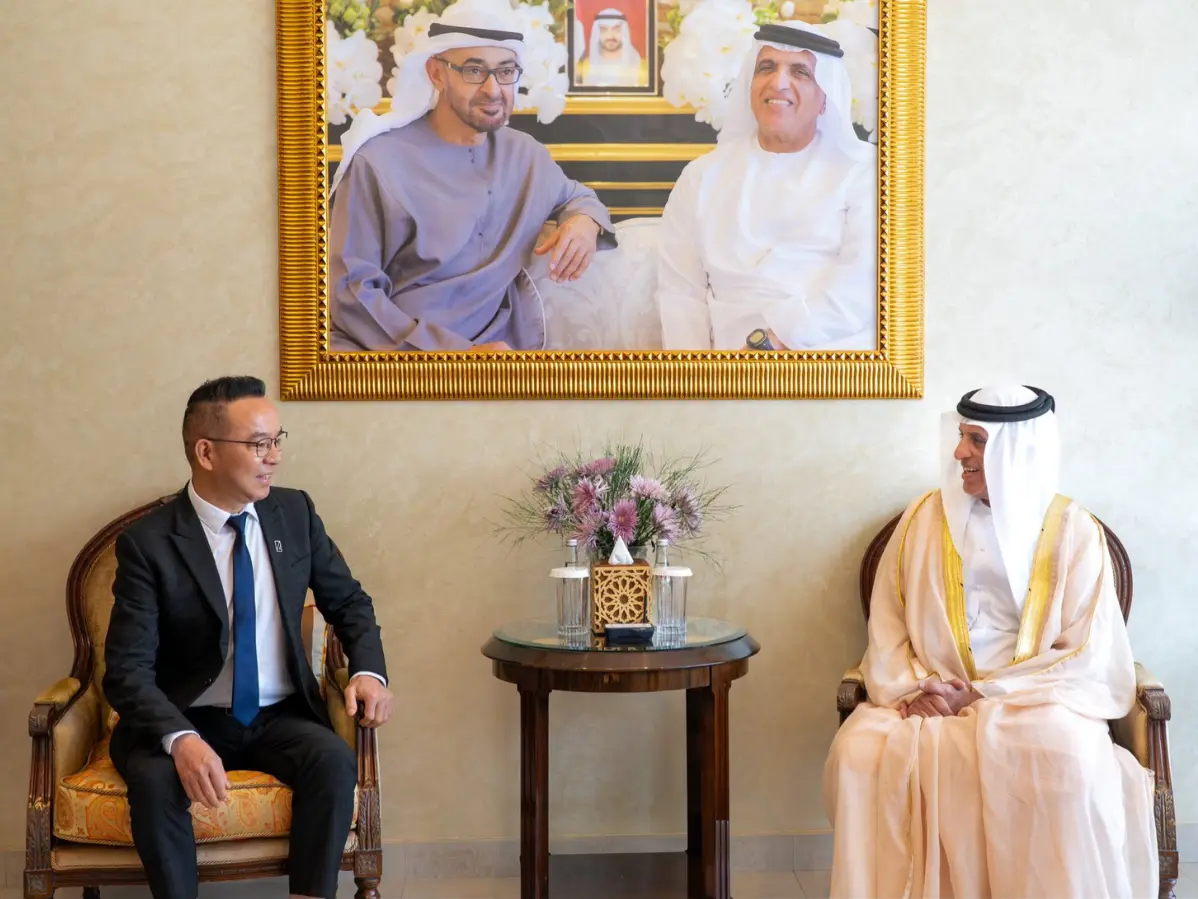)
Flying cars in UAE: Ras Al Khaimah signs deal with Chinese company to test new transport
)
Africa is splitting, and a lot sooner than estimated, giving way to a new ocean
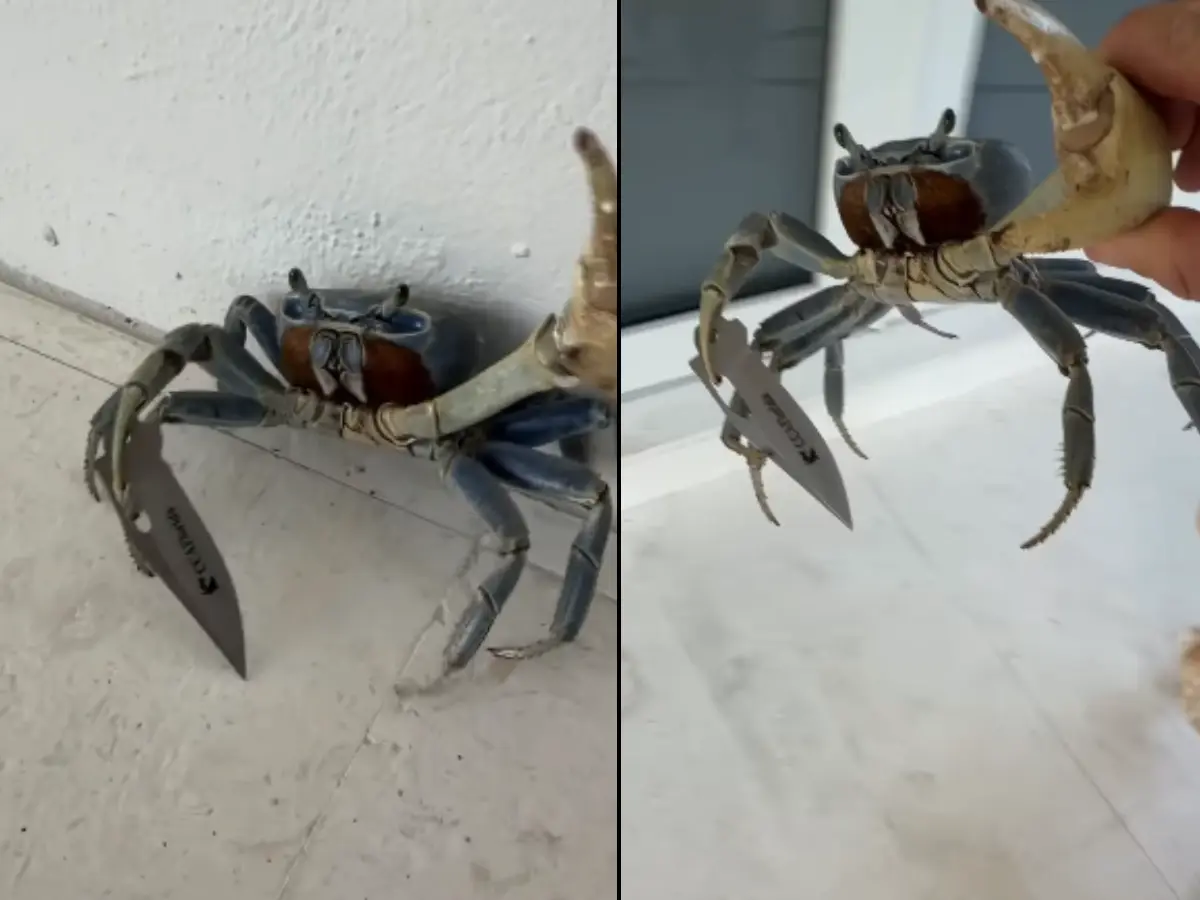)
'Gangsta' crab shoves knife blade at man and his dog in Florida - Watch
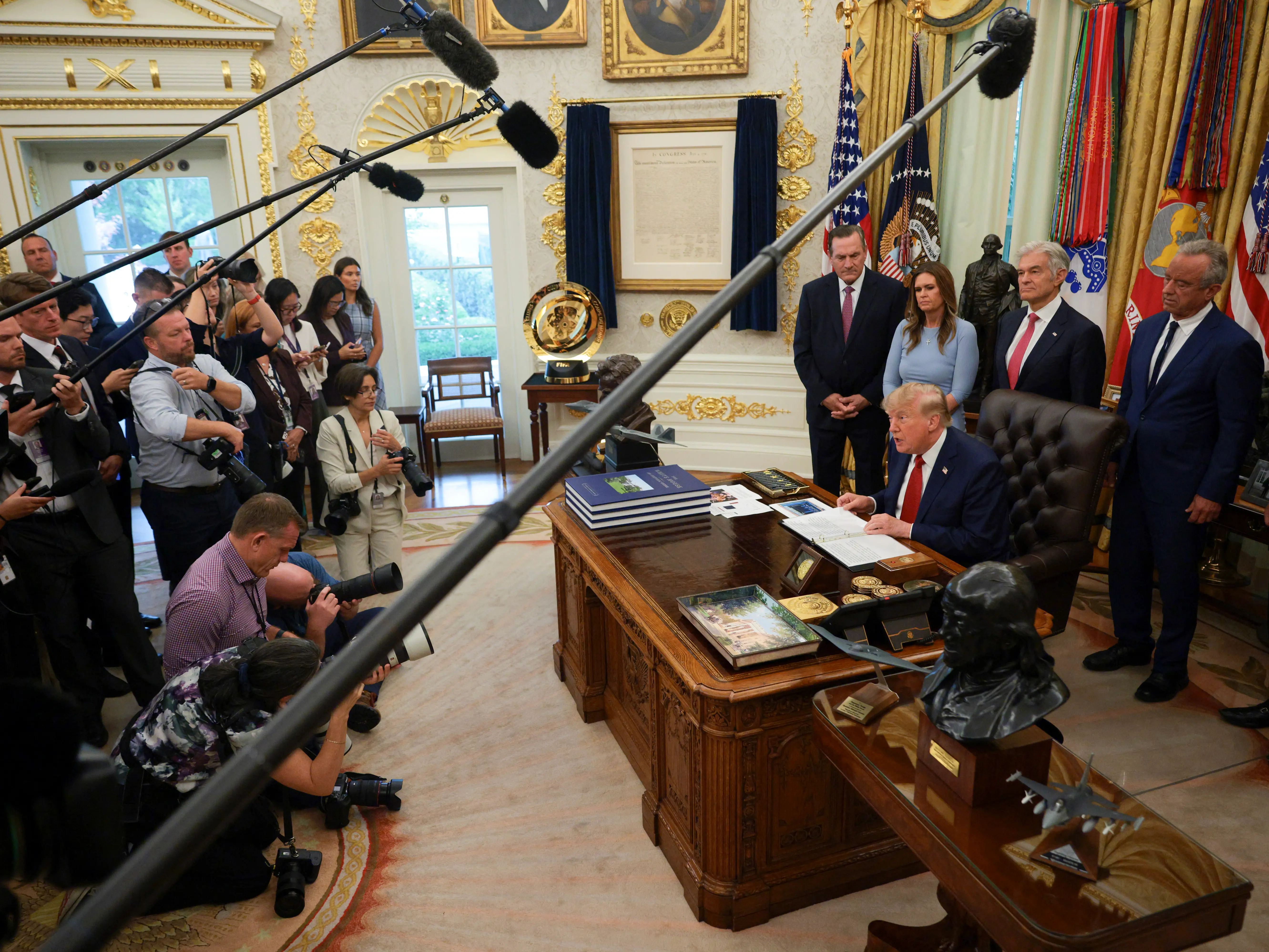)
Trump bans CNN, MS NOW and Politico from White House over ‘FAKE NEWS’
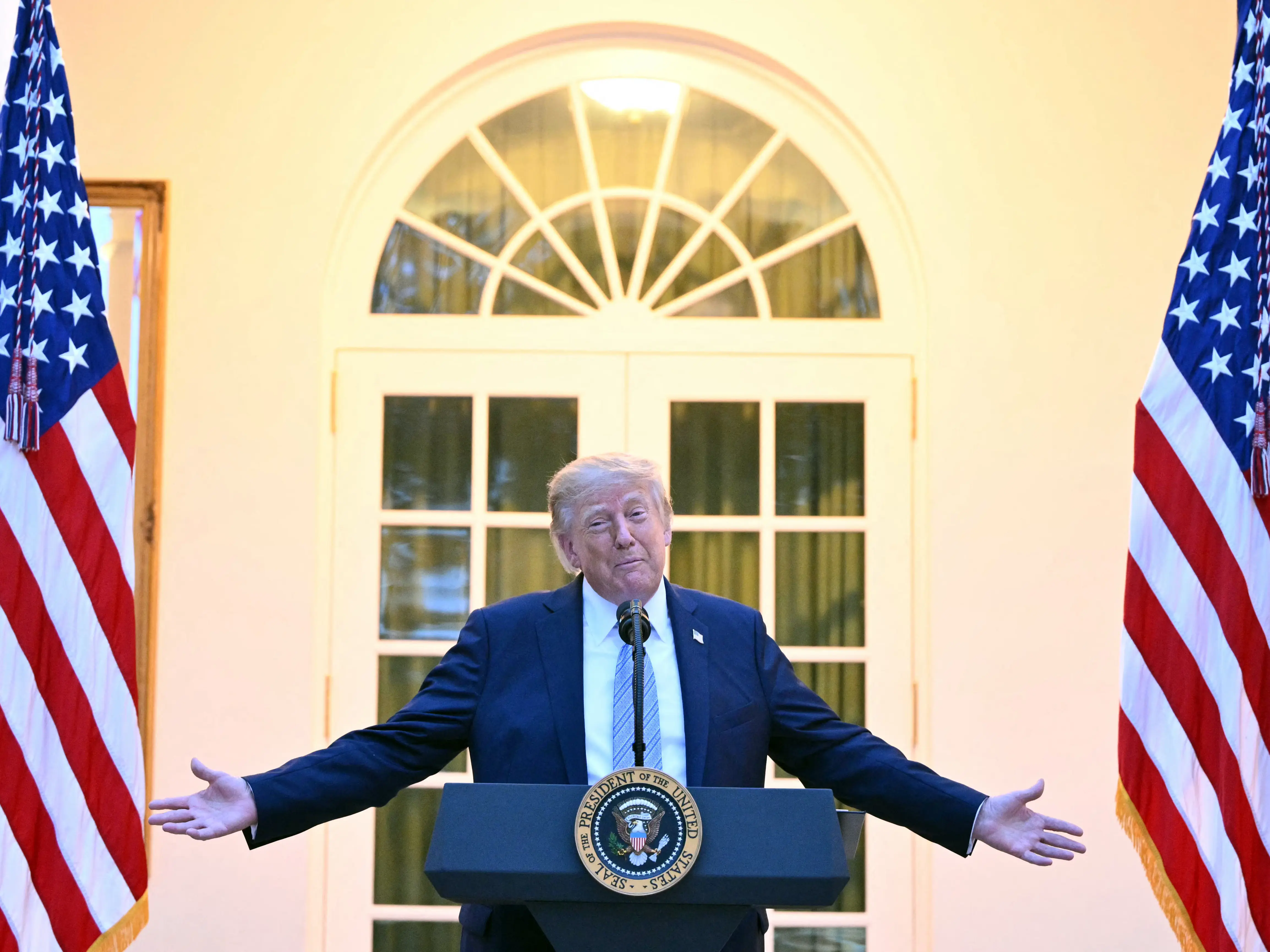)
Trump 2.0: Dark days ahead for America’s ‘imperial presidency’
)
Trump's Greenland dream comes true? POTUS announces 'Infinite Life' deal with Denmark, claims permanent US control
)
Laura Wolvaardt sets new world record for most WT20I runs in a year
)
Drone strikes cooling tower at Russia's Kursk Nuclear Plant, IAEA confirms
)
Who is Khalilur Rahman? All you need to know about 81st UN General Assembly President
)
IIT Bombay student dies by suicide, was caught seeking AI help during exams
&im=FitAndFill=(700,400))
Meet top 5 bowlers in latest ICC T20I rankings
)
Indian Cinema bets big on mythology, brings ancient stories to modern audiences
)
Ukraine plans record $109 bn defence spending, nearly two thirds of budget amid Russia war
)
Russia holds first parliamentary elections since the beginning of the Ukraine war
&im=FitAndFill=(700,400))
Meet top 5 Indian batters with fastest T20I centuries
"Local governments are under huge pressure from the cost of maintaining zero-Covid, and we can already see this in the debt sustainability of several entities and [in] instances where public services are being scaled back, local assets or services sold and so on."
Compared to the federal government, local governments are more at risk because their income is mainly dependent on land sales. According to data from China's Ministry of Finance, they borrowed heavily to fund their expenditures of 11.8 trillion yuan ($1.65 trillion), which were higher than their revenue collections between January and October.
China's economic health is directly threatened by the nation's soaring debt levels. It not only raises the possibility of municipalities going into default on their debts, but it also limits the government's capacity to promote economic growth, maintain jobs, and strengthen public services.
Also read|As China loosens some Covid curbs, Guangzhou official says virus now ‘less virulent than flu’
As per the report, around 40 per cent of local government expenditure in previous years has been funded by land sales. However, due to the slump in the housing market, this revenue has suffered.
Between January and October 2022, land sales fell by 26 per cent and are on pace to experience their first decline in seven years.
Meanwhile, as per official data, the spending on Covid-related healthcare soared by 13 per cent to reach $245 billion or 1.75 trillion yuan.
Compulsory testing which was largely government-funded has hit treasuries and many cities across the country while maintaining the mandatory negative test have now asked the citizens to pay for the tests.
(With inputs from agencies)
WATCH WION LIVE HERE
You can now write for wionews.com and be a part of the community. Share your stories and opinions with us here.

