Why are thousands of young Chinese applying for shepherd jobs? Viral ad exposes labour market strains

&imwidth=600&imheight=450&format=webp&quality=medium "Why are thousands of young Chinese applying for shepherd jobs? Viral ad exposes labour market strains")
A remote farm vacancy becomes a national talking point Photograph: (Pexels)
The applicants ranged from factory workers and office employees to recent university graduates from major cities including Shanghai and Chongqing.
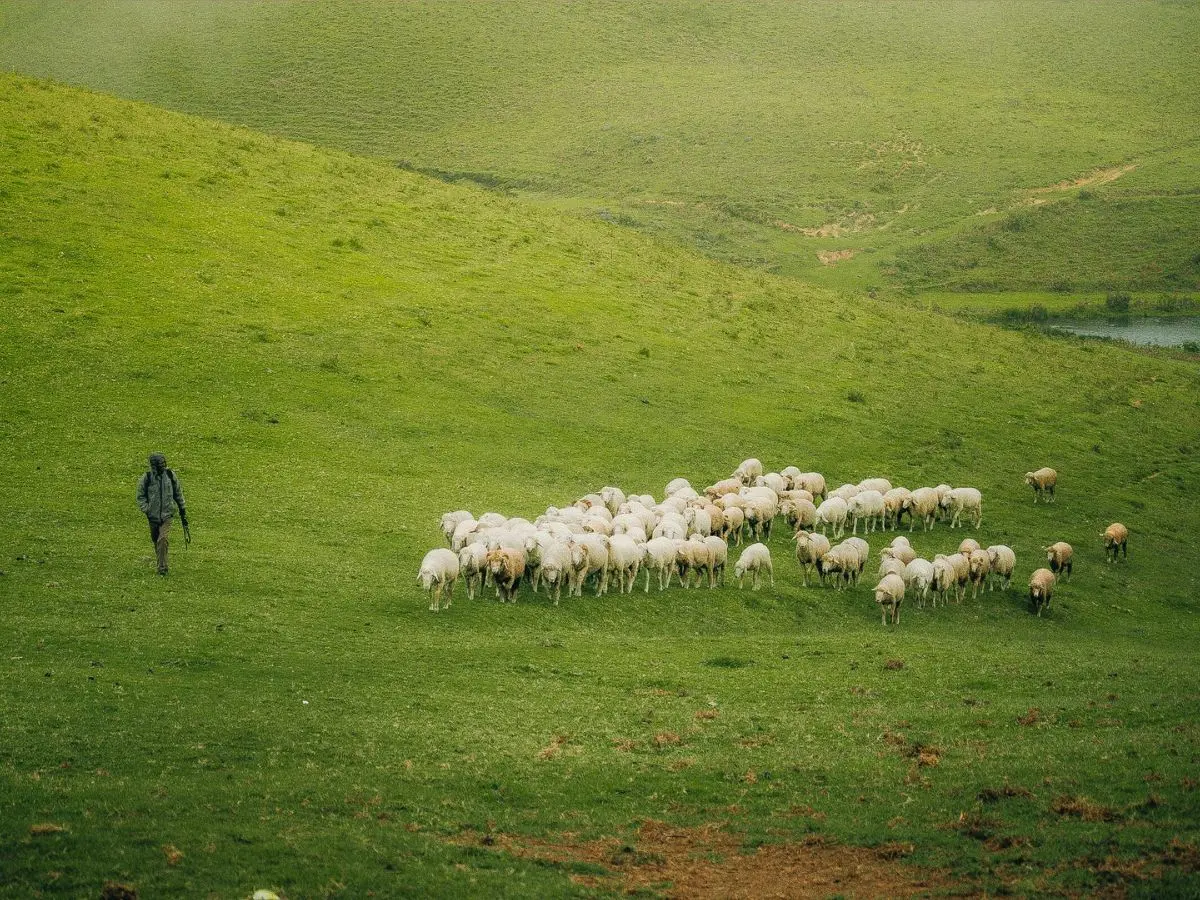
What began as a routine recruitment notice for two shepherds in northern China quickly became one of the country’s most discussed labour market stories. A job advertisement posted in late April by farm owner Zuo Xiaoyong seeking workers for remote grasslands south of Mongolia drew more than 700 applications within hours and generated nearly 59 million views on Weibo, China’s equivalent of X.
The applicants ranged from factory workers and office employees to recent university graduates from major cities including Shanghai and Chongqing. Reuters reported that the overwhelming response reflected growing frustration with long working hours, wage stagnation and shrinking career prospects across China’s economy.
“I didn’t expect it to go viral,” Zuo told Reuters, adding that many applicants spoke of debt burdens, exhausting industrial jobs and workplace pressure. “It seems ordinary people are having a hard time finding work.”
ALSO READ: Oil spikes, airlines stumble, AI stocks soar: The sectors gaining and losing most from the Iran war
Young workers confront a harsher labour market
Although China’s official unemployment rate remains slightly above 5 per cent, economists say underemployment and job insecurity are rising. Workers across industries continue to criticise the country’s ‘996’ work culture, which means working from 9am to 9pm, six days a week, while wage growth in the private sector has struggled to keep pace with economic expansion.
Trending Stories
&imwidth=280&imheight=210&format=webp&quality=medium)
&imwidth=280&imheight=210&format=webp&quality=medium)
&imwidth=280&imheight=210&format=webp&quality=medium)
&imwidth=280&imheight=210&format=webp&quality=medium)
&imwidth=280&imheight=210&format=webp&quality=medium)
&imwidth=280&imheight=210&format=webp&quality=medium)
&im=FitAndFill=(700,400)&imwidth=280&imheight=210&format=webp&quality=medium)
&imwidth=280&imheight=210&format=webp&quality=medium)
&imwidth=280&imheight=210&format=webp&quality=medium)
&imwidth=280&imheight=210&format=webp&quality=medium)
&imwidth=280&imheight=210&format=webp&quality=medium)
&imwidth=280&imheight=210&format=webp&quality=medium)
&imwidth=280&imheight=210&format=webp&quality=medium)
&imwidth=280&imheight=210&format=webp&quality=medium)
&imwidth=280&imheight=210&format=webp&quality=medium)
&imwidth=280&imheight=210&format=webp&quality=medium)
&imwidth=280&imheight=210&format=webp&quality=medium)
&imwidth=280&imheight=210&format=webp&quality=medium)
&imwidth=280&imheight=210&format=webp&quality=medium)
&imwidth=280&imheight=210&format=webp&quality=medium)
&imwidth=280&imheight=210&format=webp&quality=medium)
&imwidth=280&imheight=210&format=webp&quality=medium)
&imwidth=280&imheight=210&format=webp&quality=medium)
&imwidth=280&imheight=210&format=webp&quality=medium)
&imwidth=280&imheight=210&format=webp&quality=medium)
&im=FitAndFill=(700,400)&imwidth=280&imheight=210&format=webp&quality=medium)
&imwidth=280&imheight=210&format=webp&quality=medium)
&imwidth=280&imheight=210&format=webp&quality=medium)
&imwidth=280&imheight=210&format=webp&quality=medium)
&imwidth=280&imheight=210&format=webp&quality=medium)
&imwidth=280&imheight=210&format=webp&quality=medium)
&imwidth=280&imheight=210&format=webp&quality=medium)
&imwidth=280&imheight=210&format=webp&quality=medium)
&imwidth=280&imheight=210&format=webp&quality=medium)
&imwidth=280&imheight=210&format=webp&quality=medium)
Lynn Song, chief China economist at ING, described the reaction to the job advert as “symptomatic of what continues to be a highly competitive and often low-rewarding labour market”. He added that “urban jobs are becoming less attractive and more rare”.
The pressures are expected to intensify further as a record 12.7 million university graduates enter the job market this summer, while factories face rising costs linked to the Iran conflict and accelerating adoption of artificial intelligence. Twenty-one-year-old factory worker James Guo told the news agency that he applied after becoming exhausted by physically demanding shifts manufacturing shipping containers. “You have no idea what it’s like to work more than 13 hours a day,” he said. “The workload is too intense, I can’t take it anymore.”
High pay, isolation and the ‘curse of 35’
Zuo’s offer stood out partly because of the salary. Shepherds would earn 8,000 yuan ($1,178) a month, above the national urban private-sector average of roughly 6,000 yuan, along with free accommodation and groceries. In return, workers would manage 3,000 sheep across a 2,000-hectare pasture and endure winters where temperatures can fall below minus 30 degrees Celsius.
Yet Zuo warned that the role was far from idyllic. “The salary is high, but whether you can work long-term and get through the winter is what matters most,” he said. “This is not tourism.”
Half the applicants were born in the 1990s, reflecting growing concern around China’s so-called 'curse of 35', where employers increasingly overlook workers above that age. Christian Yao of Victoria University of Wellington said the phenomenon was no longer limited to the technology sector but had become ‘a broader economic reality’.