Why are brands turning to AI influencers for their marketing campaigns? EXPLAINED

&imwidth=600&imheight=450&format=webp&quality=medium "Why are brands turning to AI influencers for their marketing campaigns? EXPLAINED")
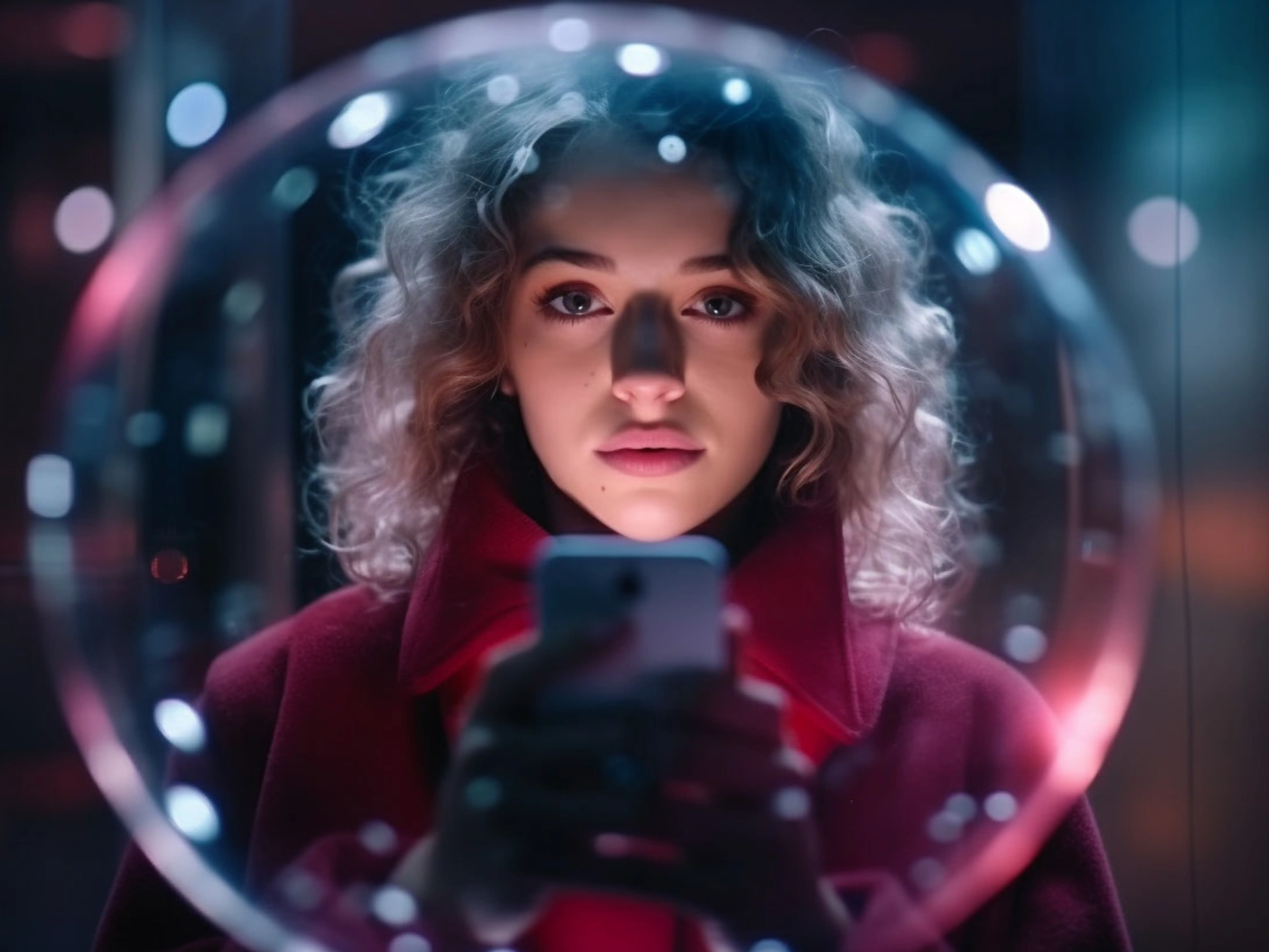
Representative image. Photograph: (Magnific)
The greater advantage for them comes from the users, as over half the global population now uses social media. Statista report indicated that more than 4.59 billion people around the world were using social media in 2022.
AI influencers are increasingly emerging as a new force in India, driving the social media and advertising industry from novelty to mainstream brand assets. With the growth of followers and high engagement, most brands are turning to virtual influencers for marketing campaigns in order to promote their services and product in the amount less than what real influencers charge.
From the influencers Kyra, Naina Avtr and Maya in India to global virtual influencers including Lil Miquela, Lu do Magalu, Imma and Rozy, AI-generated personalities are increasingly becoming part of the influencer and brand marketing ecosystem. Major brands are opting for AI influencers because they offer a combination of creative flexibility, cost efficiency, and brand control that is difficult to achieve with human influencers alone.
The trend is raising an important question: can AI-generated personalities eventually challenge real influencers?
The most trending characters among India-based virtual influencers are Kyra, which was created by Bengaluru-based marketing firm TopSocial. It is widely regarded as India's first and most popular virtual influencer, having built a large Instagram following through travel diaries, fashion-forward looks, and lifestyle content. She has since appeared on the digital cover of Travel + Leisure India, collaborated with brands including boAt, Amazon Prime Video, L'Oréal, WOW Skin Science, and John Jacobs, and crossed 250,000 Instagram followers by 2026.
Other AI personas have followed similar trajectories. Radhika Subramaniam, billed as India's first bilingual (Tamil and English) AI travel influencer and created by Collective Artists Network, is designed as a Gen Z solo traveller and blends local culture, humour, and wanderlust to resonate with India's digital-first youth. She has partnered with brands like Campus Activewear. Meanwhile, Naina, another prominent AI influencer, is known for elegant fashion statements and has built a reputation for storytelling that blurs technology and creativity.
Trending Stories
&im=FitAndFill=(700,400))
)
)
)
)
)
)
)
)
)
)
)
)
)
)
)
)
)
)
)
)
)
)
)
)
)
)
)
)
)
&im=FitAndFill=(700,400))
)
)
)
)
How are AI influencers attracting brands?
Kofluence's Decoding Influence 2026 report indicates that AI tools are now deeply embedded across content ideation, creative production, trend analysis, and influencer campaign management not only in India but at the global level as well. The data indicated that India's broader creator economy is estimated to be worth $15.03 billion in 2026, with influencer marketing spend projected to cross Rs 3,375 crore, increasingly directed toward AI-powered campaigns.
Other major reasons to attract the firms and different brands are that they provide virtual influencer campaigns, delivering strong results particularly in consumer electronics, OTT and gaming, fashion and beauty, fintech, and fitness, with AI-driven influencer selection reportedly improving campaign ROI. Experts note the appeal lies in complete creative control, consistency, and freedom from the unpredictability of human creators, while sidestepping scandals or scheduling constraints.
These influencers typically make a strong bond with their dedicated followers, enabling them to effect behavioural change. The greater advantage for them comes from the users only as over half the global population now uses social media. Statista report indicated that more than 4.59 billion people around the world were using social media in 2022.
Now, surprisingly, that figure is set to rise to almost 6 billion by 2027. This shows that this audience has become a powerful marketing force for AI influencers to target and reach new audiences through campaign leaders. This enables brands to reach their service and products to a mass audience using these famous AI influencers for less than human influencers.
Global reach & 24/7 content production
Other major reasons include that AI influencers can appear in new campaigns every day. They can instantly create content for festivals, languages, and markets without organising photoshoots. The best part is that a single AI influencer can communicate in multiple languages and can easily be adapted for wider audiences.
Consistency & easy optimisation
Unlike human influencers, whose natural appearance, interests, and availability change over time, AI influencers maintain a fixed, consistent identity, making it easier for brands to build long-term campaigns around. With AI-generated visuals, marketers can instantly swap out clothing, hairstyles, backgrounds, products, or locations without the logistics of a real shoot.
This appeals particularly to Gen Z and Gen Alpha audiences, who are already comfortable engaging with virtual characters across gaming, social media, and metaverse platforms. AI-generated content also offers unmatched agility: brands can rapidly test different styles, captions, and visual formats based on real-time engagement data, refining campaigns on the fly.
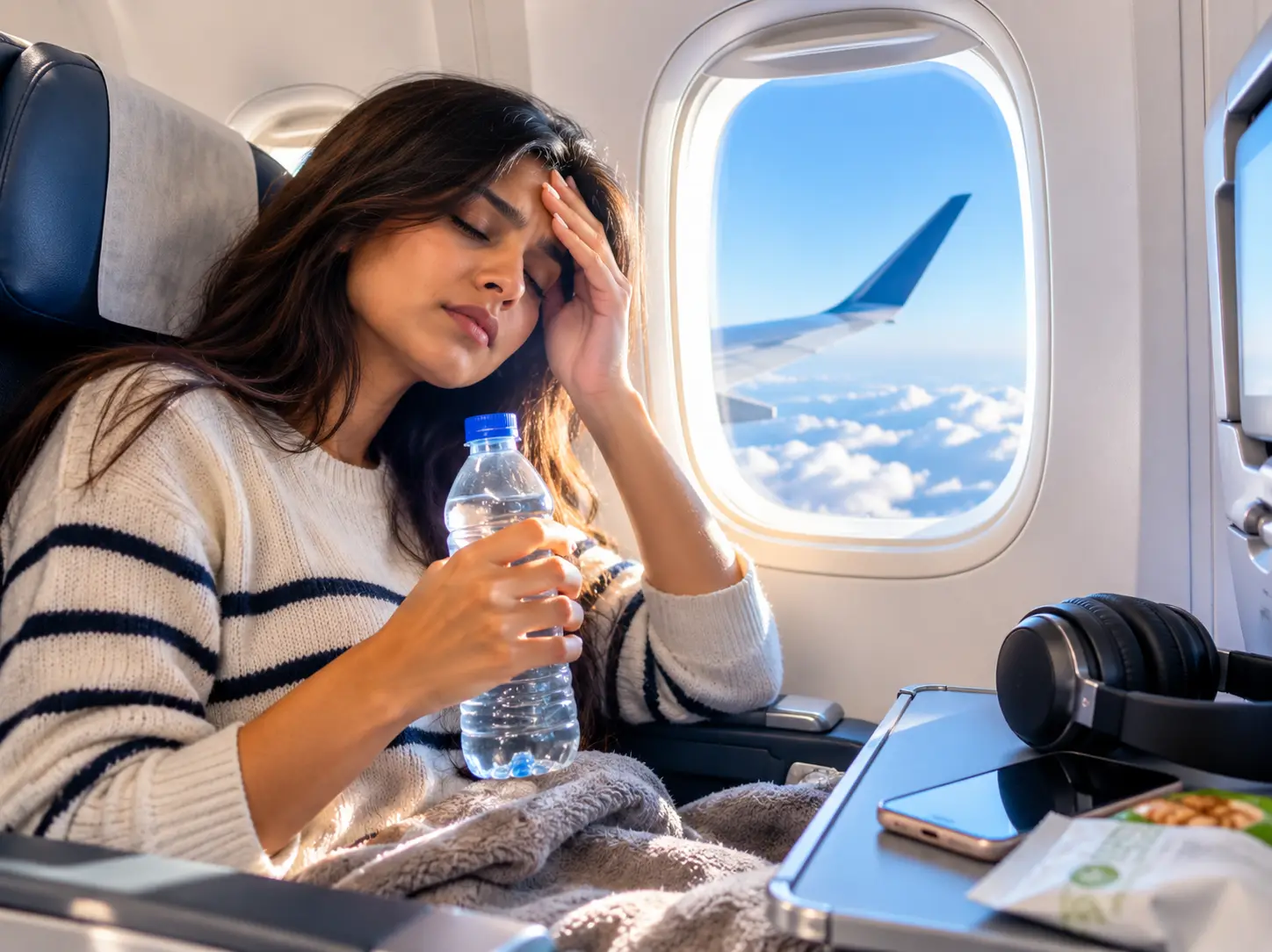
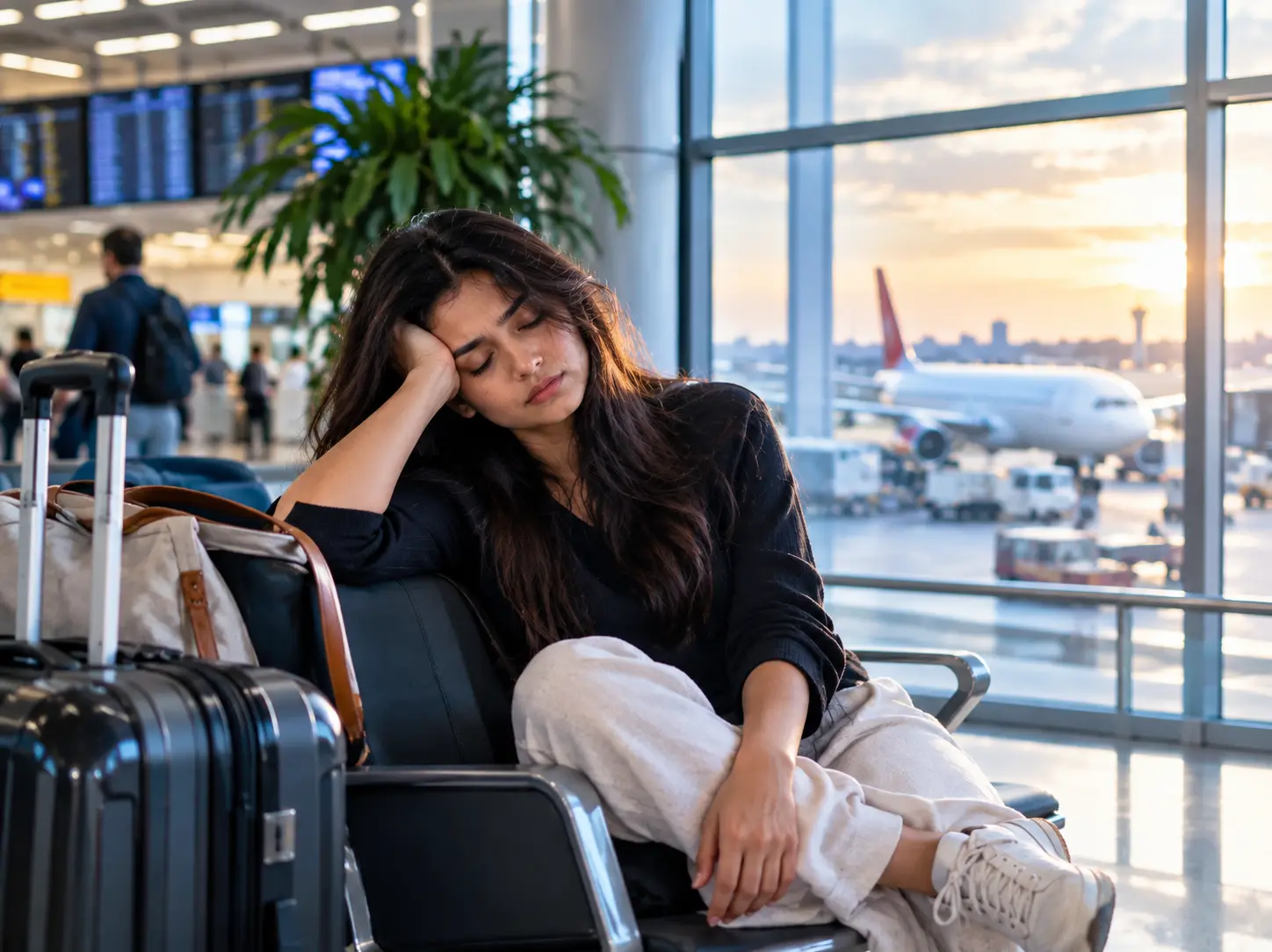
Perhaps most practically, AI influencers eliminate the operational headaches that come with natural problems like illness, and human talents like vacations, scheduling conflicts, or contractual disputes that could delay campaigns.
However, marketers caution against viewing AI influencers as a replacement for human creators. Industry voices argue the future is hybrid, as human creators bring irreplaceable cultural depth and community trust, especially across India's Tier 2 and Tier 3 markets, while virtual influencers offer consistency and novelty at scale.

