Landmark UK ruling: People with anxiety disorder can sue employer for being denied work from home

&imwidth=600&imheight=450&format=webp&quality=medium "Landmark UK ruling: People with anxiety disorder can sue employer for being denied work from home")
Remote work for people suffering from agoraphobia should be allowed, UK tribunal rules.
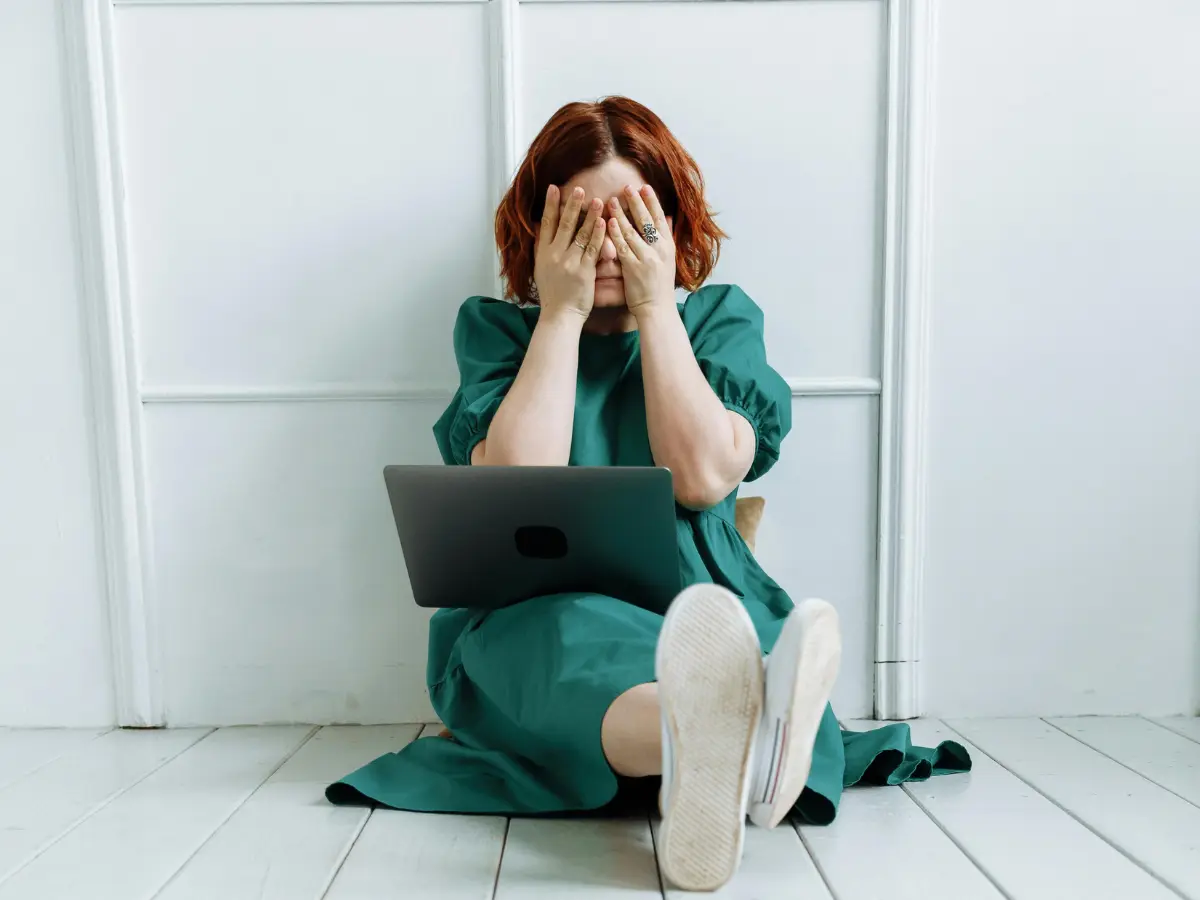
A woman in the UK sued her employer after being denied work from home. She was suffering from agoraphobia, a condition which causes stress in crowded spaces which you cannot escape. The tribunal ruled that such people can sue their employers for denying them remote work.
A tribunal in the UK has ruled that if a person suffering from agoraphobia is denied the option to work from home, they can sue the employer. The condition is an anxiety disorder which creates an intense fear of crowded spaces that one cannot escape. The judgment stated that forcing such people to come to the office may constitute disability discrimination under UK employment law. The verdict stems from the case of Marina Dudding, who was denied remote work for two days a week after returning from sick leave. She is a long-serving council housing officer with agoraphobia who sued Gravesham Borough Council in Kent for disability discrimination and unfair dismissal. The body has been ordered to give her compensation.
Dudding suffered anxiety at work
London South Employment Tribunal heard that Dudding had been working for Gravesham Borough Council since September 2000. Her last profile was that of an allocations officer within its housing options service. From 2021, following the lifting of COVID-19 restrictions, she continued working from home two days a week. "Due to her Generalised Anxiety Disorder and Moderate Depressive Episode, [Dudding] experiences symptoms of agoraphobia, which makes it difficult for her to leave her home. When having to leave the house, [she] finds it very stressful and becomes anxious; she has palpitations and abdominal pain on her way out to her destination," her legal representative said.
Dudding said working from home helped her manage her stress
However, when she is in office, "colleagues can come forward to interact with [her] to ask questions or raise concerns, which would add further stress and anxiety." So working from the office causes her "to feel chest pain or rapid heart rate, nausea, hyperventilation or trouble breathing." The lawyer added that she also found it "difficult to concentrate due to the noisy environment." All these things make her anxious, and she also experiences anxiety attacks. But at home, "she is able to focus in a quiet environment free from any distractions". She can also manage her stress better, which has improved her performance.
Trending Stories
&imwidth=280&imheight=210&format=webp&quality=medium)
&imwidth=280&imheight=210&format=webp&quality=medium)
&imwidth=280&imheight=210&format=webp&quality=medium)
&imwidth=280&imheight=210&format=webp&quality=medium)
&imwidth=280&imheight=210&format=webp&quality=medium)
&imwidth=280&imheight=210&format=webp&quality=medium)
&imwidth=280&imheight=210&format=webp&quality=medium)
&imwidth=280&imheight=210&format=webp&quality=medium)
&imwidth=280&imheight=210&format=webp&quality=medium)
&imwidth=280&imheight=210&format=webp&quality=medium)
&imwidth=280&imheight=210&format=webp&quality=medium)
&imwidth=280&imheight=210&format=webp&quality=medium)
&imwidth=280&imheight=210&format=webp&quality=medium)
&imwidth=280&imheight=210&format=webp&quality=medium)
&imwidth=280&imheight=210&format=webp&quality=medium)
&imwidth=280&imheight=210&format=webp&quality=medium)
&imwidth=280&imheight=210&format=webp&quality=medium)
&imwidth=280&imheight=210&format=webp&quality=medium)
&imwidth=280&imheight=210&format=webp&quality=medium)
&imwidth=280&imheight=210&format=webp&quality=medium)
&imwidth=280&imheight=210&format=webp&quality=medium)
&imwidth=280&imheight=210&format=webp&quality=medium)
&imwidth=280&imheight=210&format=webp&quality=medium)
&im=FitAndFill=(700,400)&imwidth=280&imheight=210&format=webp&quality=medium)
&imwidth=280&imheight=210&format=webp&quality=medium)
&im=FitAndFill=(700,400)&imwidth=280&imheight=210&format=webp&quality=medium)
&imwidth=280&imheight=210&format=webp&quality=medium)
&imwidth=280&imheight=210&format=webp&quality=medium)
&imwidth=280&imheight=210&format=webp&quality=medium)
&imwidth=280&imheight=210&format=webp&quality=medium)
&imwidth=280&imheight=210&format=webp&quality=medium)
&imwidth=280&imheight=210&format=webp&quality=medium)
&imwidth=280&imheight=210&format=webp&quality=medium)
&imwidth=280&imheight=210&format=webp&quality=medium)
The council imposed an office-only requirement on Dudding from 24 October 2023 and revoked her hybrid arrangement. She emailed her manager, saying it was having a "severe negative impact" on her health. Investigation showed that she took sick leave in January 2024 and was given a final warning in March. When she tried returning to work in April, she was informed that remote work was ending. More discussions happened about her situation after which she was fired. Dudding reached out to the tribunal and won two disability discrimination claims, one indirect disability discrimination claim, and an unfair dismissal.

