Comet C/2025 R3: Origin, brightness and how forward scattering can improve its visibility

&imwidth=600&imheight=450&format=webp&quality=medium "Comet C/2025 R3: Origin, brightness and how forward scattering can improve its visibility")
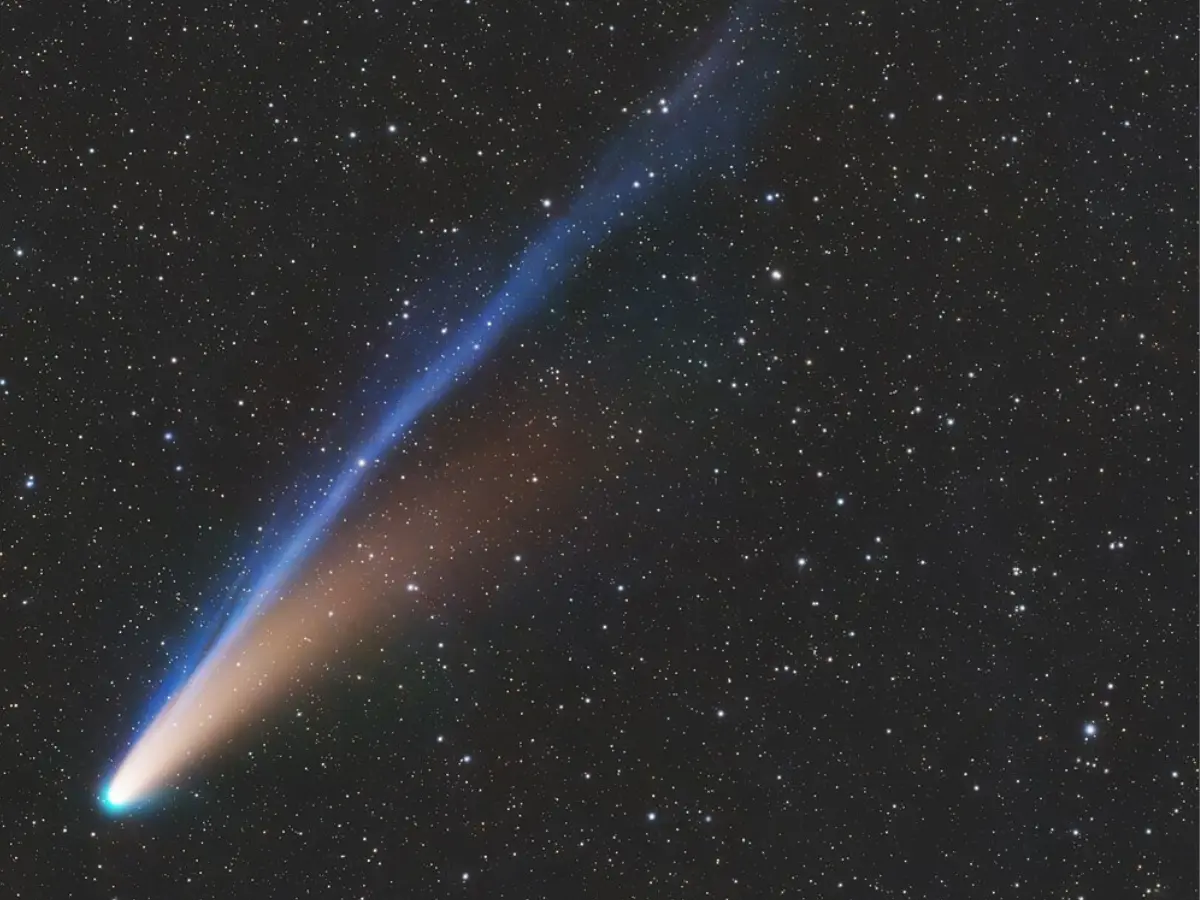
Comet Lemmon was one of the highlights of 2025. Photograph: (Wikimedia Commons)
New comet of 2026: Comet C/2025 R3 is generating excitement in the new year as it is set to reach its closest point to Earth in April. It is a new comet originating from the outer Oort Cloud and is on its first trip through the solar system.
Comets continued to grab the limelight in the new year as well, with C/2025 R3 scheduled to fly by Earth in the coming months. It follows a string of other comets that made headlines in the past two years, including "Devil Comet" 12P/Pons-Brooks and C/2024 G3 (ATLAS), that became visible in 2024 and early 2025, and C/2025 A6 (Lemmon) and C/2025 R2 (SWAN) in 2025. There was also C/2025 K1 (ATLAS), dubbed the Other Atlas, that broke up into several pieces, and there was a chance that it could turn into a headless comet. In 2026, we have a new comet to look forward to. C/2025 R3 is expected to brighten considerably and might even be visible with the naked eye.
However, this is where things get tricky. This scenario depends on a phenomenon called forward scattering.
Comet C/2025 R3 will reach perihelion (nearest point to the Sun) on April 20 and will be 76.3 million kilometres from the Sun. It will make its closest approach to Earth on April 27, coming within 70.8 million kilometres. This means it will be within the orbits of Mercury and Venus, offering a good opportunity to astronomers. But to reach a higher magnitude of brightness and become visible without telescopes or binoculars, sunlight will play a major role.
Also Read: 1.2 billion light-years away, a triple black hole collision is occurring for the first time
How sunlight can make the comet brighter
When the comet passes between Earth and the sun, the dust particles in its tail will reflect the sunlight, and this can intensify the comet's brightness. Several comets in the past have become brighter because of this effect, and the same could happen to C/2025 R3. The new moon on April 17, 2026, days before perihelion, will also affect the comet's visibility. Since at this time the skies will be dark in the absence of the Moon, it will be easier to spot the comet in the pre-dawn hours from the Northern Hemisphere. By mid-April, the comet will appear about 15 degrees above the eastern horizon and will be visible an hour before sunrise.
Trending Stories
&imwidth=280&imheight=210&format=webp&quality=medium)
&imwidth=280&imheight=210&format=webp&quality=medium)
&imwidth=280&imheight=210&format=webp&quality=medium)
&imwidth=280&imheight=210&format=webp&quality=medium)
&imwidth=280&imheight=210&format=webp&quality=medium)
&imwidth=280&imheight=210&format=webp&quality=medium)
&imwidth=280&imheight=210&format=webp&quality=medium)
&imwidth=280&imheight=210&format=webp&quality=medium)
&imwidth=280&imheight=210&format=webp&quality=medium)
&imwidth=280&imheight=210&format=webp&quality=medium)
&imwidth=280&imheight=210&format=webp&quality=medium)
&imwidth=280&imheight=210&format=webp&quality=medium)
&imwidth=280&imheight=210&format=webp&quality=medium)
&imwidth=280&imheight=210&format=webp&quality=medium)
&imwidth=280&imheight=210&format=webp&quality=medium)
&imwidth=280&imheight=210&format=webp&quality=medium)
&imwidth=280&imheight=210&format=webp&quality=medium)
&imwidth=280&imheight=210&format=webp&quality=medium)
&imwidth=280&imheight=210&format=webp&quality=medium)
&im=FitAndFill=(700,400)&imwidth=280&imheight=210&format=webp&quality=medium)
&imwidth=280&imheight=210&format=webp&quality=medium)
&imwidth=280&imheight=210&format=webp&quality=medium)
&imwidth=280&imheight=210&format=webp&quality=medium)
&imwidth=280&imheight=210&format=webp&quality=medium)
&imwidth=280&imheight=210&format=webp&quality=medium)
&imwidth=280&imheight=210&format=webp&quality=medium)
&imwidth=280&imheight=210&format=webp&quality=medium)
&imwidth=280&imheight=210&format=webp&quality=medium)
More about C/2025 R3
C/2025 R3 was first spotted on September 8, 2025, by the Pan-STARRS observatory that sits atop Haleakalā volcano in Hawaii. The Canada-France-Hawaii Telescope helped confirm its orbit and offer an idea of the path it was expected to take in the coming months. Its nearly parabolic trajectory suggests that it is a new comet originating from the outer Oort Cloud, which means it is passing through the solar system for the first time.

