3I/ATLAS turns green, indicating more outbursts could happen as it zooms towards Earth

&imwidth=600&imheight=450&format=webp&quality=medium "3I/ATLAS turns green, indicating more outbursts could happen as it zooms towards Earth")
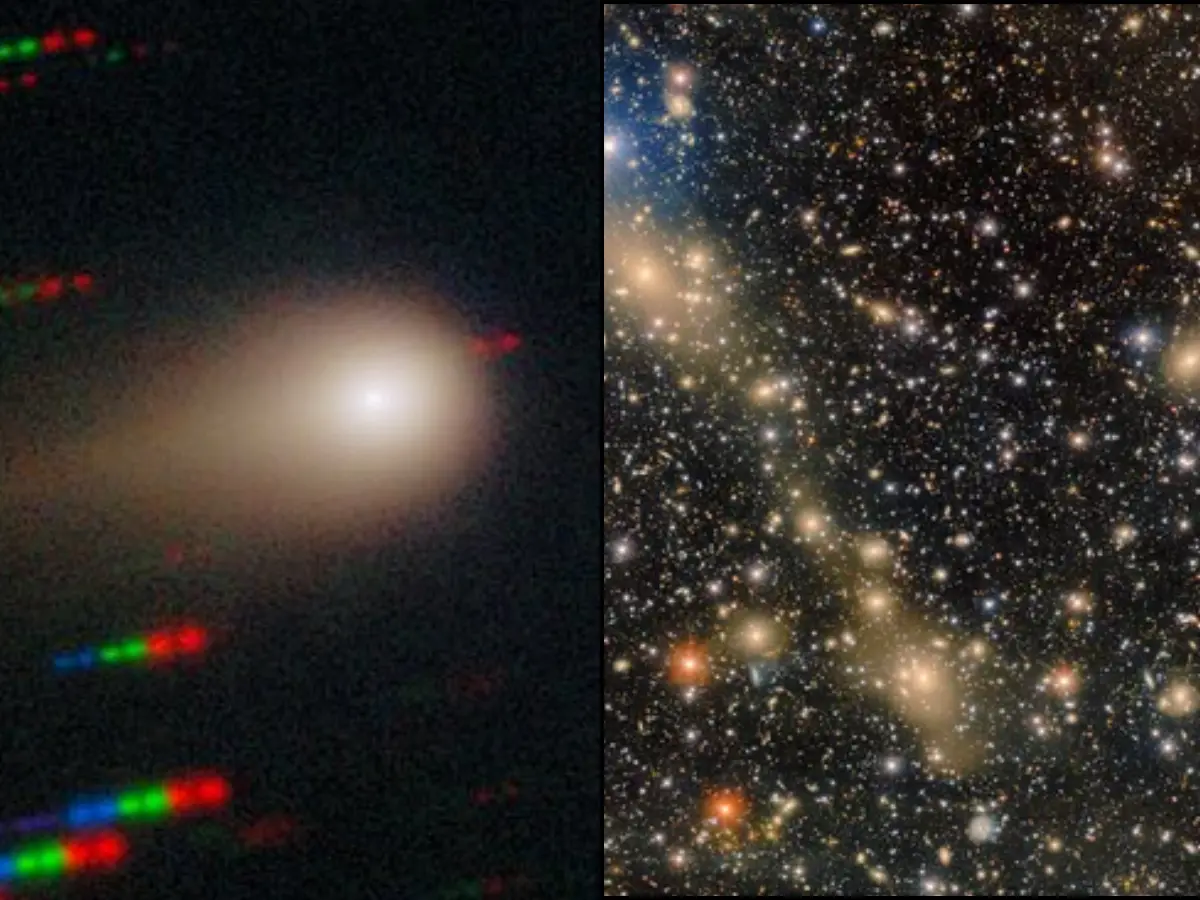
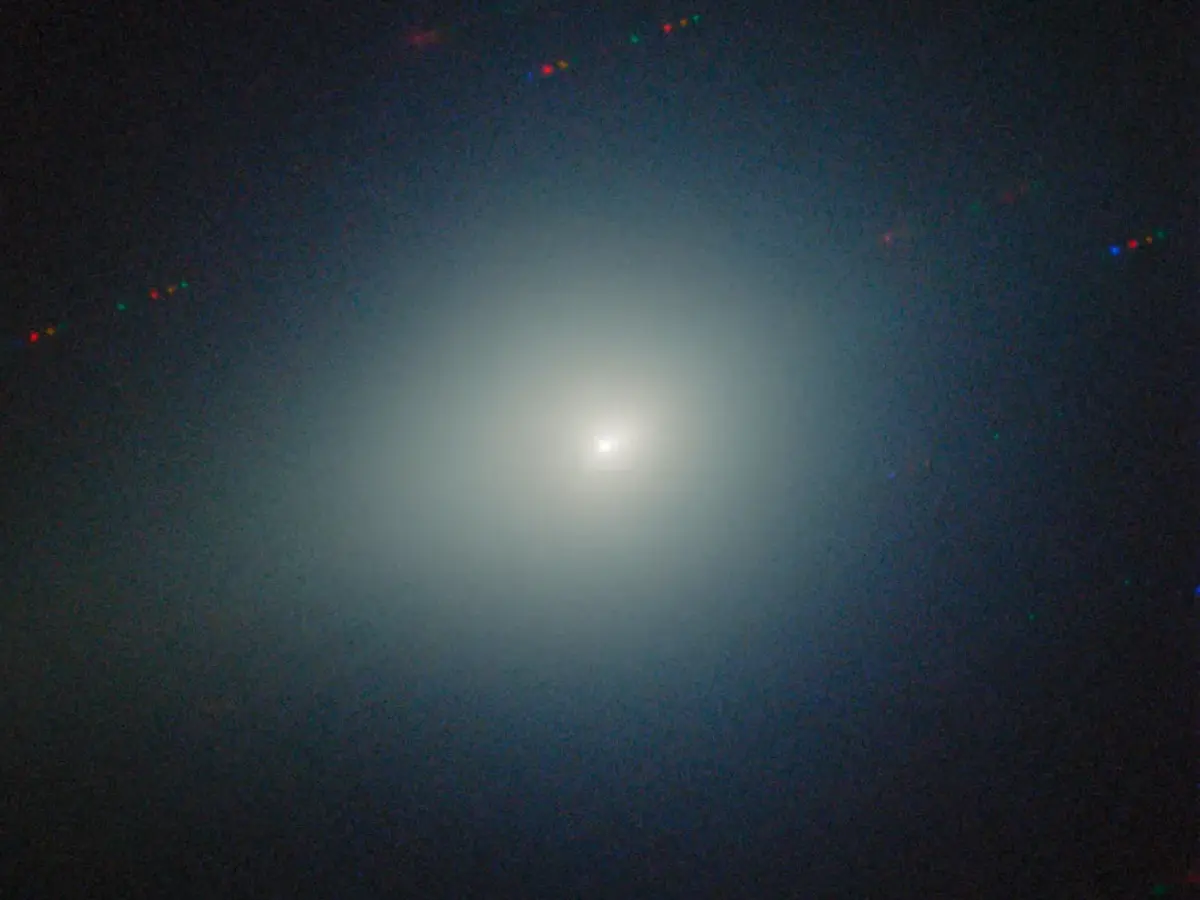
3I/ATLAS has turned green, typical of some comets. This indicates a change in activity, and more of that can be expected. Photograph: (Gemini North telescope)
3I/ATLAS comes near Earth: The event is only days away, and before that happens, the interstellar comet has changed colour and still has an anti-tail. It is in an extremely active phase, and some scientists expect it to change even further.
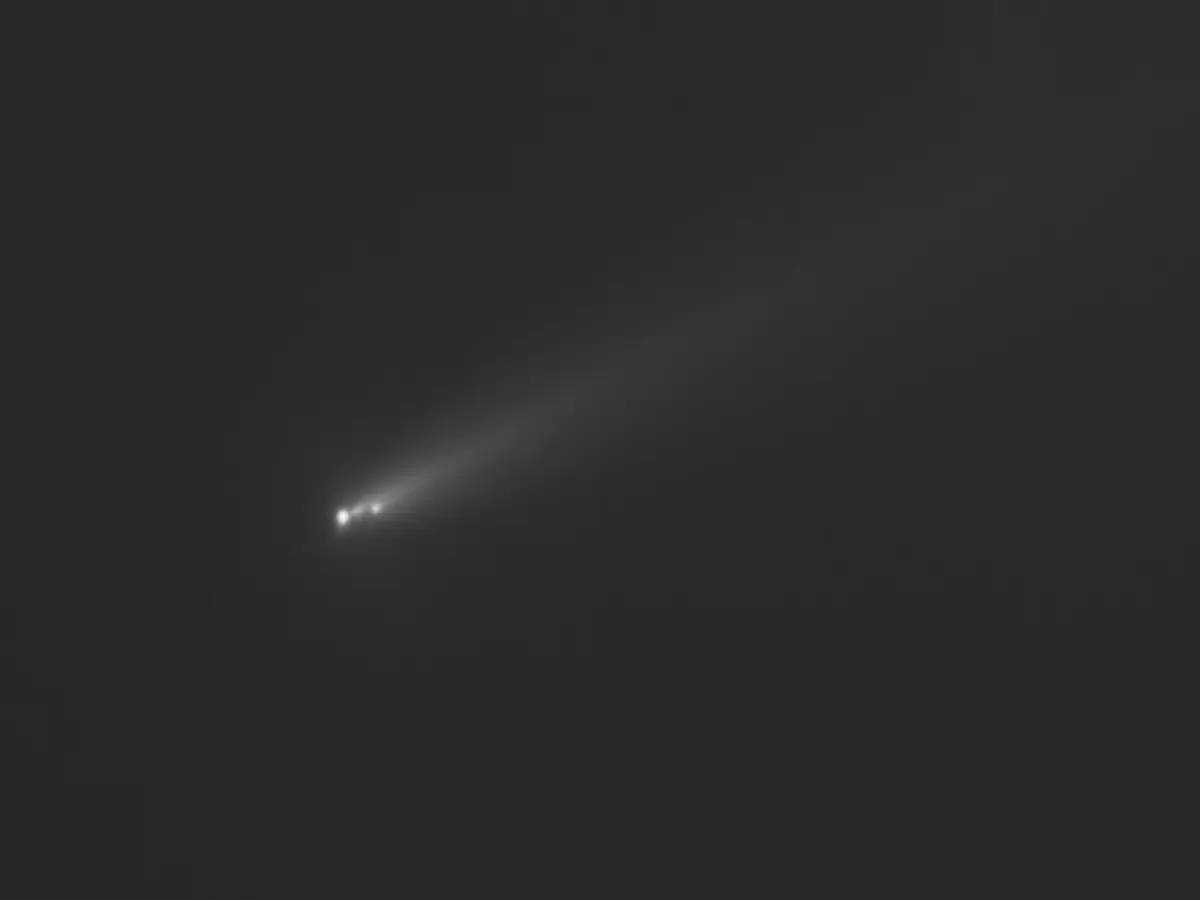
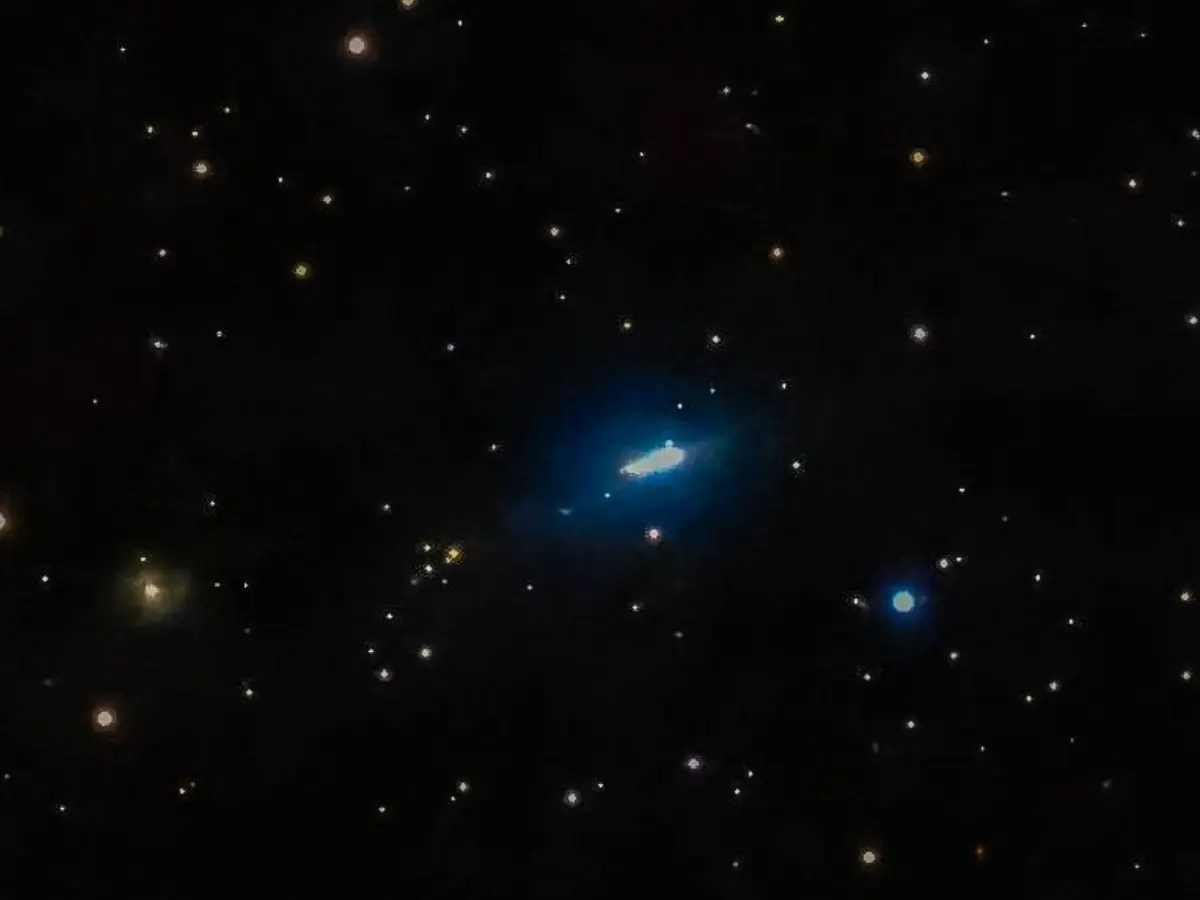
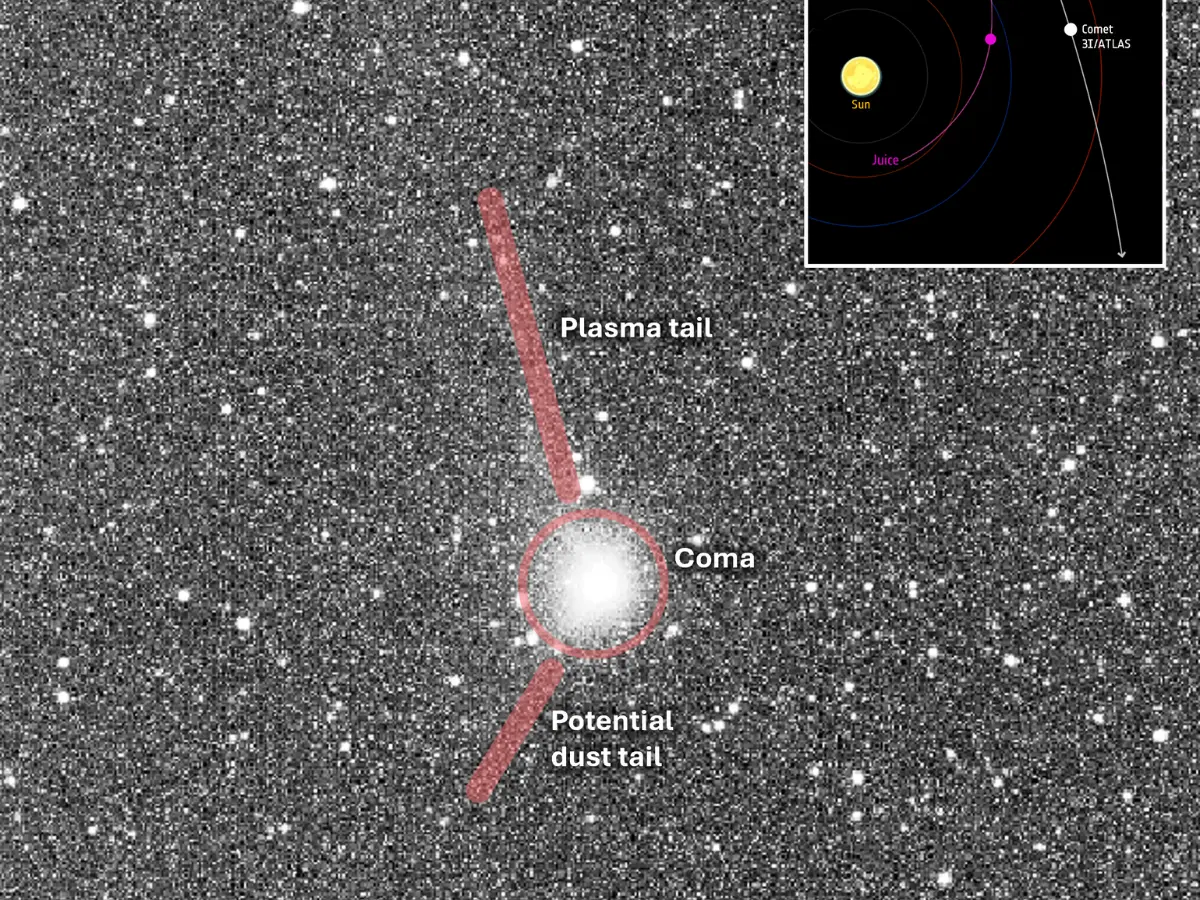
3I/ATLAS is only days away from reaching its closest distance to Earth. The interstellar comet has undergone many changes since first being spotted in July this year. The Gemini North telescope in Hawaii captured a green, ghoulish comet on November 26. Observations suggest that the age-old cosmic rock is in its most active phase right now. This happened after its encounter with the Sun at the end of October. Scientists are also expecting it to have new outbursts before it reaches near Earth due to the delayed heat from the Sun. Perihelion led to 3I/ATLAS spewing ice and dust into space because of sublimation, a process comets undergo because of solar radiation. It is also still showing an anti-tail, one of the more mysterious processes that scientists are still struggling to explain. It is likely because of the lighter material that sublimates before being pushed backwards to form a tail.
Why do comets turn green?
Why is 3I/ATLAS turning green boils down to the kind of gases it is emitting. NOIRLab, which operates the Gemini North telescope and the South telescope in Chile, said in a statement that the comet is releasing diatomic carbon (C2), a molecule of two carbon atoms that gives out a greenish hue. The colour was previously seen on "Mother of Dragons" comet 12P/Pons-Brooks and Comet C/2025 F2 (SWAN). But what's off about 3I/ATLAS is that the last time Gemini observed it in August, it appeared red. To go from that to green suggests it is releasing new material now. This can continue to happen for a few more days, since sometimes the heat from the Sun takes time to go deep inside the comet.
NOIRLab reps said in the statement, “Many comets have a delayed reaction in experiencing the Sun's heat due to the lag in time that it takes for heat to make its way through the interior of the comet. A delay can activate the evaporation of new chemicals or trigger a comet outburst.”
How close will 3I/ATLAS come to Earth?
Trending Stories
&imwidth=280&imheight=210&format=webp&quality=medium)
&imwidth=280&imheight=210&format=webp&quality=medium)
&imwidth=280&imheight=210&format=webp&quality=medium)
&imwidth=280&imheight=210&format=webp&quality=medium)
&imwidth=280&imheight=210&format=webp&quality=medium)
&imwidth=280&imheight=210&format=webp&quality=medium)
&imwidth=280&imheight=210&format=webp&quality=medium)
&imwidth=280&imheight=210&format=webp&quality=medium)
&imwidth=280&imheight=210&format=webp&quality=medium)
&imwidth=280&imheight=210&format=webp&quality=medium)
&imwidth=280&imheight=210&format=webp&quality=medium)
&imwidth=280&imheight=210&format=webp&quality=medium)
&imwidth=280&imheight=210&format=webp&quality=medium)
&imwidth=280&imheight=210&format=webp&quality=medium)
&imwidth=280&imheight=210&format=webp&quality=medium)
&imwidth=280&imheight=210&format=webp&quality=medium)
&imwidth=280&imheight=210&format=webp&quality=medium)
&imwidth=280&imheight=210&format=webp&quality=medium)
&imwidth=280&imheight=210&format=webp&quality=medium)
&imwidth=280&imheight=210&format=webp&quality=medium)
&imwidth=280&imheight=210&format=webp&quality=medium)
&imwidth=280&imheight=210&format=webp&quality=medium)
&imwidth=280&imheight=210&format=webp&quality=medium)
&imwidth=280&imheight=210&format=webp&quality=medium)
&imwidth=280&imheight=210&format=webp&quality=medium)
&im=FitAndFill=(700,400)&imwidth=280&imheight=210&format=webp&quality=medium)
&im=FitAndFill=(700,400)&imwidth=280&imheight=210&format=webp&quality=medium)
&imwidth=280&imheight=210&format=webp&quality=medium)
&imwidth=280&imheight=210&format=webp&quality=medium)
&imwidth=280&imheight=210&format=webp&quality=medium)
&imwidth=280&imheight=210&format=webp&quality=medium)
&imwidth=280&imheight=210&format=webp&quality=medium)
&imwidth=280&imheight=210&format=webp&quality=medium)
&imwidth=280&imheight=210&format=webp&quality=medium)
&imwidth=280&imheight=210&format=webp&quality=medium)
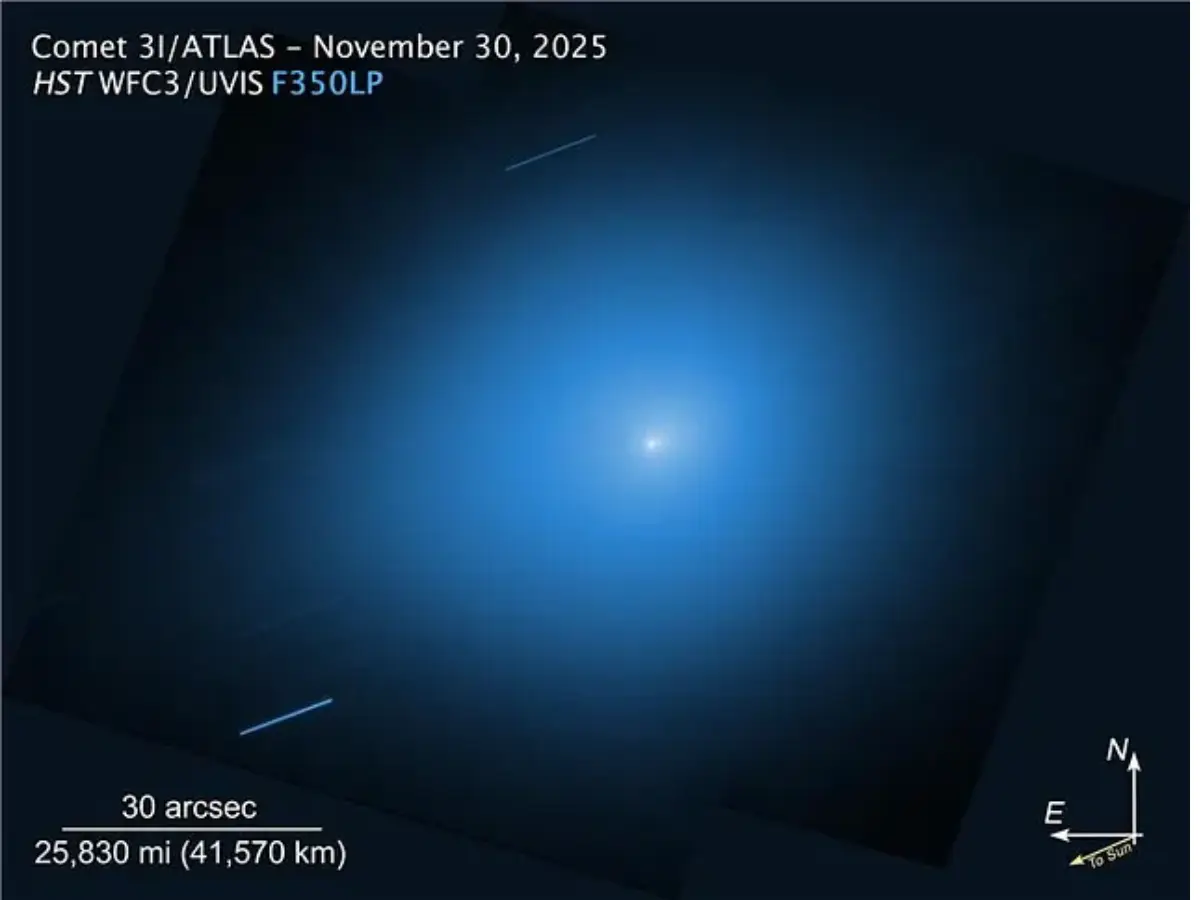
The interstellar visitor will be at a distance of about 270.5 million kilometres from Earth on December 19. Meanwhile, it continues to show an anti-tail, as observed in the latest images being captured by astronomers across the globe. The Hubble Space Telescope first observed this tail toward the Sun on July 21. Harvard scientist Avi Loeb has explained the reasons behind this anti-tail, writing that some tiny ice particles are probably evaporating before being pushed back by the solar radiation pressure.