
&imwidth=800&imheight=600&format=webp&quality=medium "Meta Muse AI agent: Why Amazon blocked it and why hackers are now a concern")
Meta’s Muse is quickly becoming one of the most talked-about consumer AI agents but its rapid rise has already run into a major roadblock.
The AI agent has climbed to the top of US mobile app charts, attracted hundreds of thousands of users and helped fuel a rally in Meta shares. Then Amazon blocked Muse from accessing its shopping site, saying the agent was unauthorised and raised privacy and security concerns. At the same time, a security researcher has reported a vulnerability that could potentially allow an attacker to gain access to a Muse authentication token. The developments highlight a much bigger question: how much control should AI agents have over our digital lives?
What can Meta’s Muse actually do?

Muse is designed to go beyond answering questions. The agent can navigate a user's email, calendar, payments, shopping, travel, dining and other services to complete tasks on their behalf. That can include filling forms, organising inboxes, booking travel, creating grocery lists and making purchases. Unlike traditional chatbots, Muse is therefore being positioned as a consumer-facing AI agent that can take action rather than simply provide information. Its popularity has grown rapidly. According to Sensor Tower data cited in the supplied report, Muse was downloaded more than 900,000 times in its first six days and later surpassed 2.6 million cumulative downloads across iOS and Android.
Why did Amazon block Muse?
Amazon says Muse was accessing its shopping platform without advance notice from Meta. The company accused the agent of potentially bypassing features built into Amazon's shopping experience and raising concerns around customer credentials and account data. Amazon said third-party agents should respect the decisions of websites and services about whether they want to participate.
Trending Stories
)
Justice eludes Air India 1985 bombing victims as Canada probe goes 'inactive' | Gravitas
)
Trump revives India-Middle East-Europe economic corridor as India emerges central to West Asia’s future: What is it?
)
Erdogan again raises Kashmir issue at UNGA, calls for dialogue under UN Charter
)
The Verdict | Moral policing isn’t culture or discipline, it’s crime
)
Trump signs Greenland security deal with Denmark, paving way for two new US military bases
)
Major League Soccer referee sacked for sexist comment about female match referee
)
IND vs JPN T20I: How an overturned wide became point of difference between India's win and a tie
)
Trump-Xi summit: From trade to Taiwan, what will the US and Chinese presidents discuss in Washington?
)
Cyclone Arnab: Landfall expected before midnight tomorrow as IMD issues orange alerts across six states
)
ICC plans T20I expansion and fewer ODIs in 2027–2031 FTP cycle: Report
)
'Mumma’s boy from Gwalior who dared to dream': Kartik Aaryan pens long note after first National Award win
)
Gravitas | Boosting NHS productivity could save 20,600 lives in UK annually: Report
)
US and China vie for AI dominance as calls grow for regulation | Gravitas
)
Yemen clashes kill 154 people in two days as cornered Saudi battles Houthi offensive | Gravitas
)
Bomb scare in New York amid UNGA: Suspicious suitcase found near UN headquarters
)
IND vs JPN, one-off T20I: Japan captain Kendel on pushing India to the brink - ‘It was special’
)
Raaka creates history! Allu Arjun’s film secures Guinness World Record ahead of release
)
Saudi Arabia exits China-led mBridge digital currency platform amid Saudi-Houthi conflict
)
WION Iconic Tourism Summit and Awards 2026: Key voices to discuss India’s tourism future
)
WION Iconic Tourism Summit and Iconic Awards 2026: India's travel economy leaders gather in Delhi
)
American manufacturing is reshoring faster than its factory floors can absorb
&im=FitAndFill=(700,400))
New OTT releases this week (September 21-27, 2026): Shaque: Trust No One, Hunkkaar, Don’t Be Shy- 5 new titles coming to Netflix, Prime Video and more
)
81st UN General Assembly: Burnham announces UK-US AI defence tie-up
)
Trump calls on nations to quit ‘rogue’ and ‘out-of-control’ International Criminal Court, rips UN
)
Who is Clavicular? The 20-year-old controversial 'Looksmaxxing' influencer charged with rape allegations
)
'What kind of confession is this?': Pakistan PM Shehbaz Sharif’s 'terrorists would be roaming New York' remark goes viral, raises alarm online. Watch
)
IIT Bombay professor Suryanarayana Doolla sent on leave amid Sahil Wakode death probe
)
'This is normally what toddlers do': Why a psychiatrist is raising fresh questions about Trump’s recent behaviour
&im=FitAndFill=(700,400))
National Film Awards 2026: Kartik Aaryan, Mammootty, Yami Gautam, Randeep Hooda and other key winners
)
‘Strike a deal or drive Iran into hell’: Trump issues fresh warning to Tehran at UNGA
)
Anne Hathaway to run in supporting race for Nolan's epic
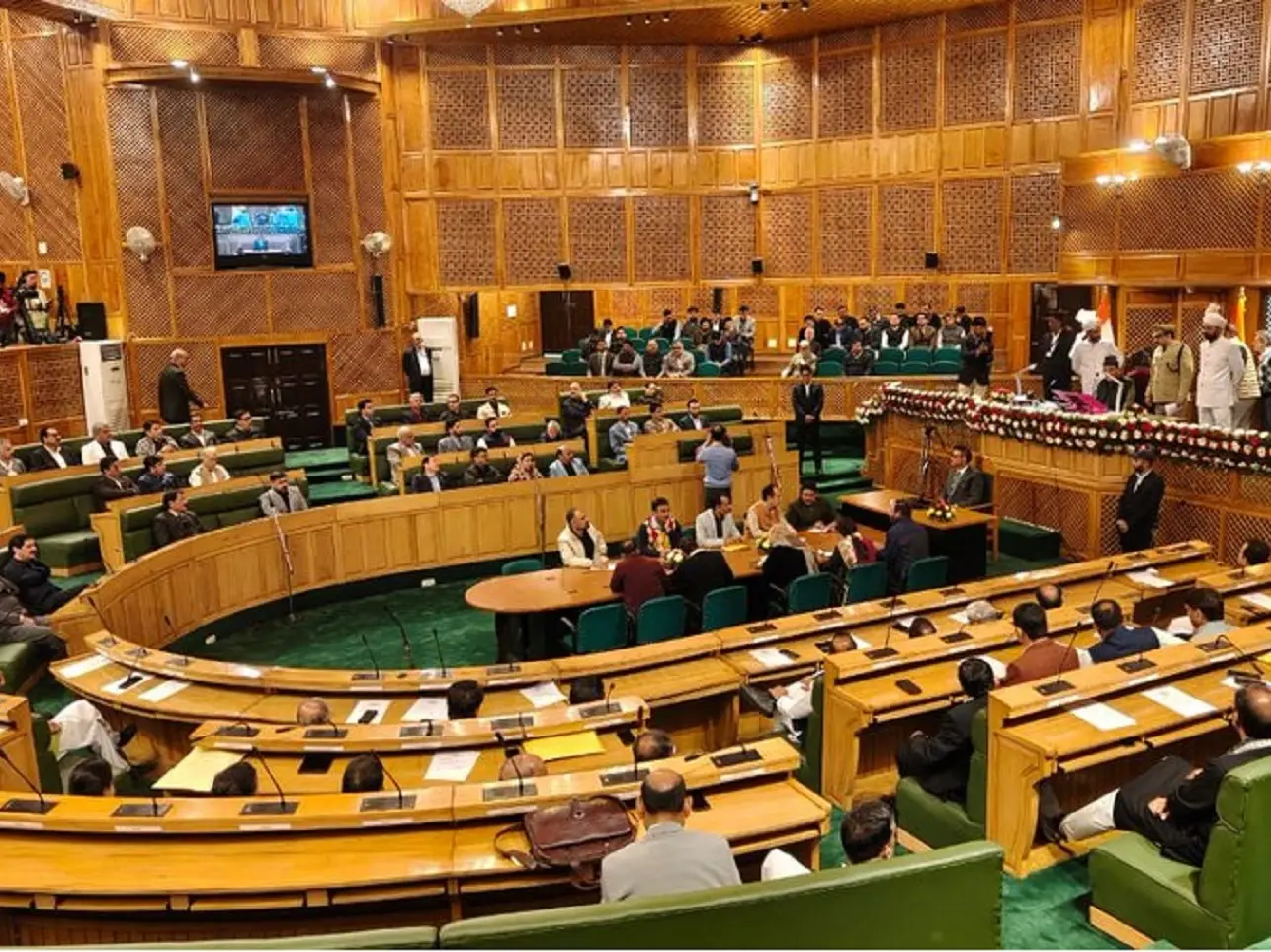)
Over 4,200 books withdrawn from circulation in J&K colleges, 94% from Kashmir
)
From Gaddafi tearing up UN Charter to Trump’s ‘escalatorgate’: Most unforgettable UNGA moments
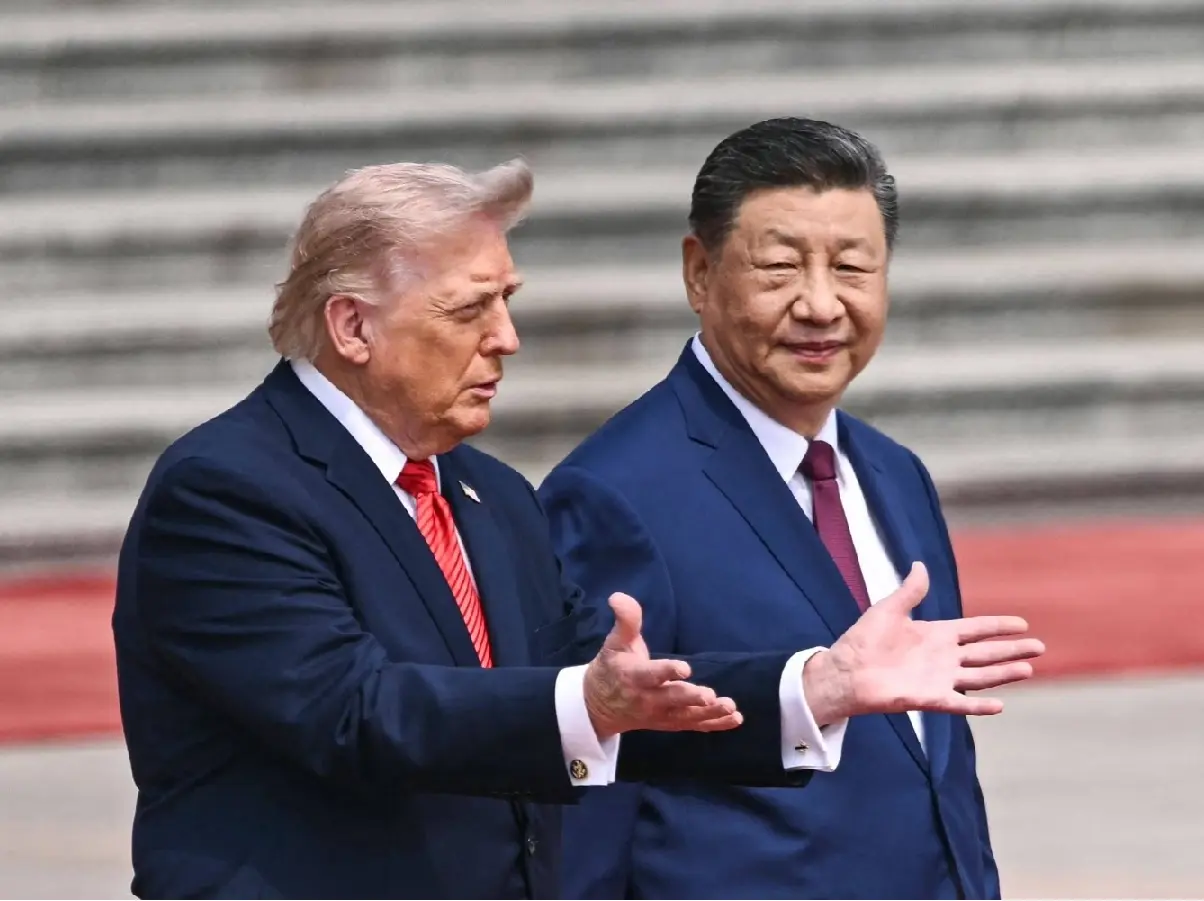)
Explainer: Why rare-earth export licences and Board of Trade are US priorities ahead of Trump-Xi summit
)
Asia prepares for record El Nino, food shock
)
Oil slips to $98 as Saudi Arabia restarts East-West oil pipeline
)
Four female students raped during 'Red Zone' at California university. What we know
The dispute points to a coming battle over agentic commerce. If users increasingly tell an AI agent to shop, book restaurants or arrange travel, websites may no longer interact directly with the customer. Instead, the agent becomes the middleman. That could fundamentally change how online businesses operate.
The security question
Privacy is not the only concern.
Security researcher Patrick Wardle reportedly discovered a zero-day vulnerability that could potentially allow another application or terminal command to access a token used to authenticate a user's Muse account. He said an attacker could potentially exploit the agent's existing privileges rather than building separate malware. The reported vulnerability does not mean Muse users have been broadly hacked. But it highlights the unusually high security demands placed on AI agents that can access email, messages, files and other personal services.
Meta has said Muse was designed with privacy and security in mind. The bigger challenge is becoming clear: the more an AI agent can do for you, the more dangerous it could become if that access is misused.
