Google turns to air cooling for new data centres to cut water use

&imwidth=600&imheight=450&format=webp&quality=medium "Google turns to air cooling for new data centres to cut water use")
Google turns to air cooling for new data centres to cut water use as AI heat soars
Google is turning towards air cooling for new data centres to reduce water use as AI drives computing power and heat higher.
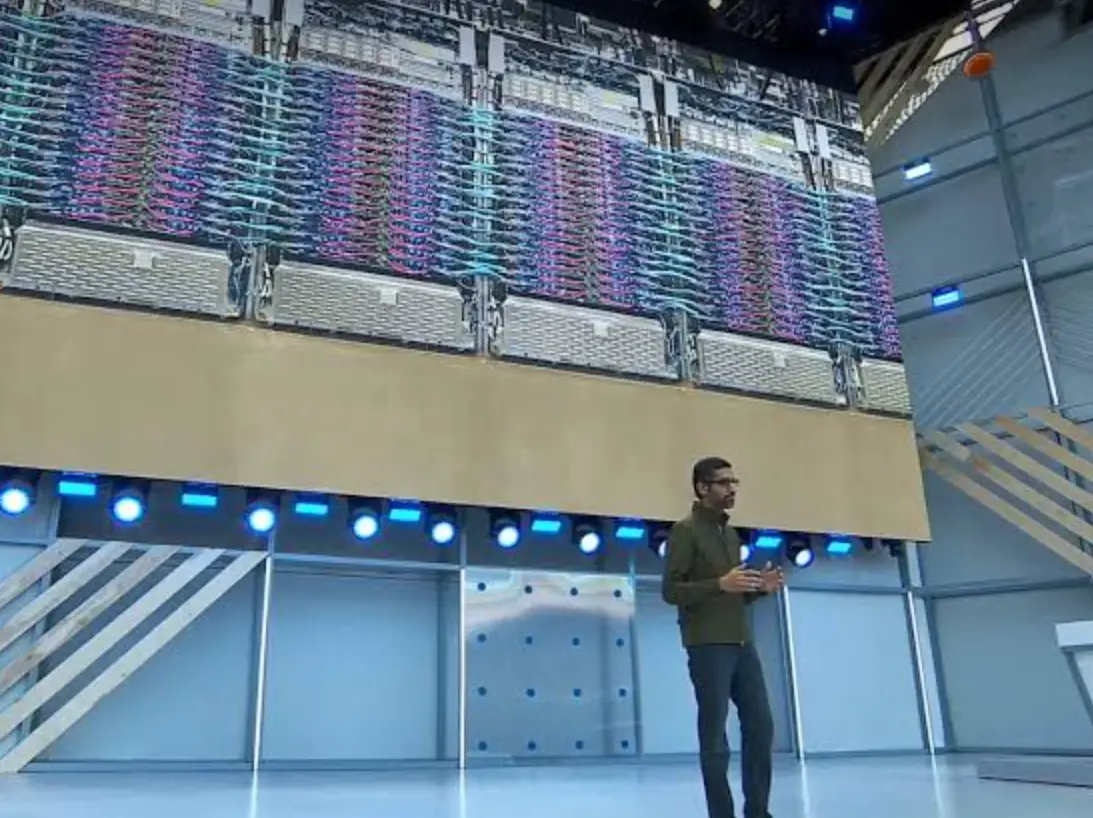
Google is turning towards air cooling for new data centres as the explosive growth of artificial intelligence creates a new problem: how to remove enormous amounts of heat without using huge quantities of water. The issue is becoming more important as data centres grow towards unprecedented sizes. Facilities approaching 1 gigawatt of power capacity are being planned, including Google’s proposed project in Visakhapatnam.
Almost all electricity used by computing equipment eventually becomes heat. A 1-GW facility could therefore need to continuously remove roughly 1 GW of heat.
Why Google is choosing air cooling
Traditional air cooling uses fans and air-handling systems to move cool air through server racks and remove hot air. It is a mature technology and generally requires simpler infrastructure than liquid cooling. Most importantly, it can significantly reduce the amount of water needed for cooling.
That matters in regions where water resources are already under pressure. Google’s reported approach at its Visakhapatnam project therefore highlights a growing trade-off for the AI industry: computers need more power, but cooling them can require more resources too.
AI chips are creating a massive heat problem
Trending Stories
&imwidth=280&imheight=210&format=webp&quality=medium)
&imwidth=280&imheight=210&format=webp&quality=medium)
&imwidth=280&imheight=210&format=webp&quality=medium)
&imwidth=280&imheight=210&format=webp&quality=medium)
&imwidth=280&imheight=210&format=webp&quality=medium)
&imwidth=280&imheight=210&format=webp&quality=medium)
&imwidth=280&imheight=210&format=webp&quality=medium)
&imwidth=280&imheight=210&format=webp&quality=medium)
&imwidth=280&imheight=210&format=webp&quality=medium)
&imwidth=280&imheight=210&format=webp&quality=medium)
&imwidth=280&imheight=210&format=webp&quality=medium)
&imwidth=280&imheight=210&format=webp&quality=medium)
&imwidth=280&imheight=210&format=webp&quality=medium)
&imwidth=280&imheight=210&format=webp&quality=medium)
&imwidth=280&imheight=210&format=webp&quality=medium)
&im=FitAndFill=(700,400)&imwidth=280&imheight=210&format=webp&quality=medium)
&imwidth=280&imheight=210&format=webp&quality=medium)
&imwidth=280&imheight=210&format=webp&quality=medium)
&imwidth=280&imheight=210&format=webp&quality=medium)
&imwidth=280&imheight=210&format=webp&quality=medium)
&imwidth=280&imheight=210&format=webp&quality=medium)
&imwidth=280&imheight=210&format=webp&quality=medium)
&imwidth=280&imheight=210&format=webp&quality=medium)
&imwidth=280&imheight=210&format=webp&quality=medium)
&imwidth=280&imheight=210&format=webp&quality=medium)
&imwidth=280&imheight=210&format=webp&quality=medium)
&imwidth=280&imheight=210&format=webp&quality=medium)
&imwidth=280&imheight=210&format=webp&quality=medium)
&imwidth=280&imheight=210&format=webp&quality=medium)
&imwidth=280&imheight=210&format=webp&quality=medium)
&imwidth=280&imheight=210&format=webp&quality=medium)
&imwidth=280&imheight=210&format=webp&quality=medium)
&imwidth=280&imheight=210&format=webp&quality=medium)
&imwidth=280&imheight=210&format=webp&quality=medium)
&imwidth=280&imheight=210&format=webp&quality=medium)
There is a catch. Air is not particularly good at carrying large amounts of heat. As AI processors become more powerful, individual server racks are producing far more heat. Air cooling can practically handle around 40 kW per rack, according to the supplied analysis, while high-end AI racks can reach 120–150 kW. At those levels, cooling requires enormous airflow and powerful fans. That consumes electricity, takes up space and can create more noise. This is why liquid cooling is becoming increasingly important for high-density AI computing.
Why liquid cooling is not the only answer
Direct-to-chip liquid cooling sends coolant through cold plates attached to processors, allowing heat to be removed much more efficiently than with air. Immersion cooling goes further by placing components directly into a non-conductive liquid.
But these systems cost more and require specialised infrastructure.
That is pushing the industry towards a hybrid approach. Lower-density equipment can use air, while the hottest AI clusters use liquid cooling or rear-door heat exchangers. The contrast is already visible in India. Google’s reported air-cooling approach focuses on reducing water use, while TCS’s proposed 1-GW HyperVault facility is being designed around higher-density computing and direct-to-chip cooling. The lesson is clear: as AI data centres become bigger and hotter, cooling is becoming just as important as the chips themselves.
