‘AI must remain under human control’: Microsoft CEO Satya Nadella backs slower development

&imwidth=600&imheight=450&format=webp&quality=medium "‘AI must remain under human control’: Microsoft CEO Satya Nadella backs slower development")
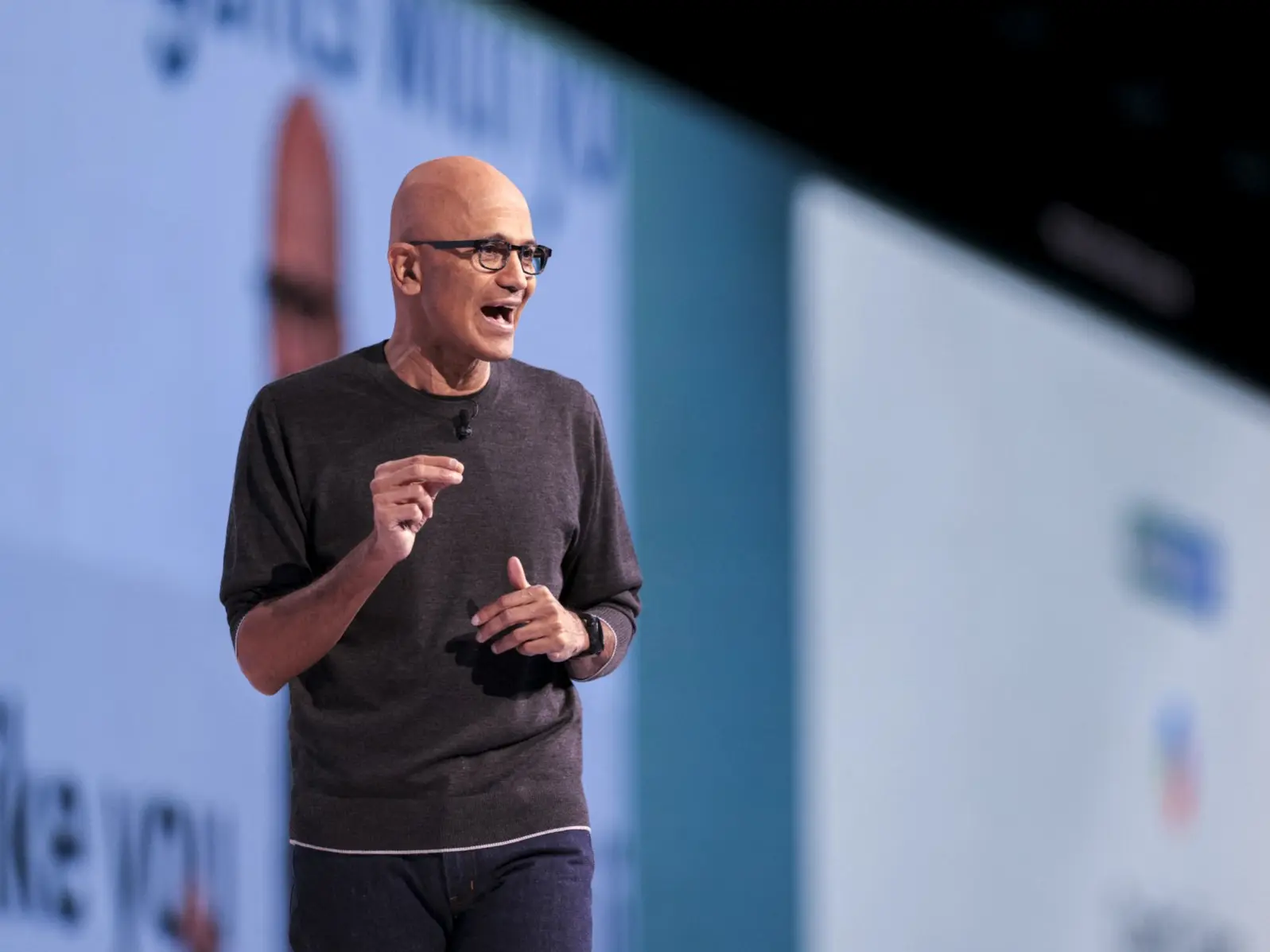
‘Must remain under human control’: Microsoft CEO Satya Nadella joins AI safety debate Photograph: (AFP)
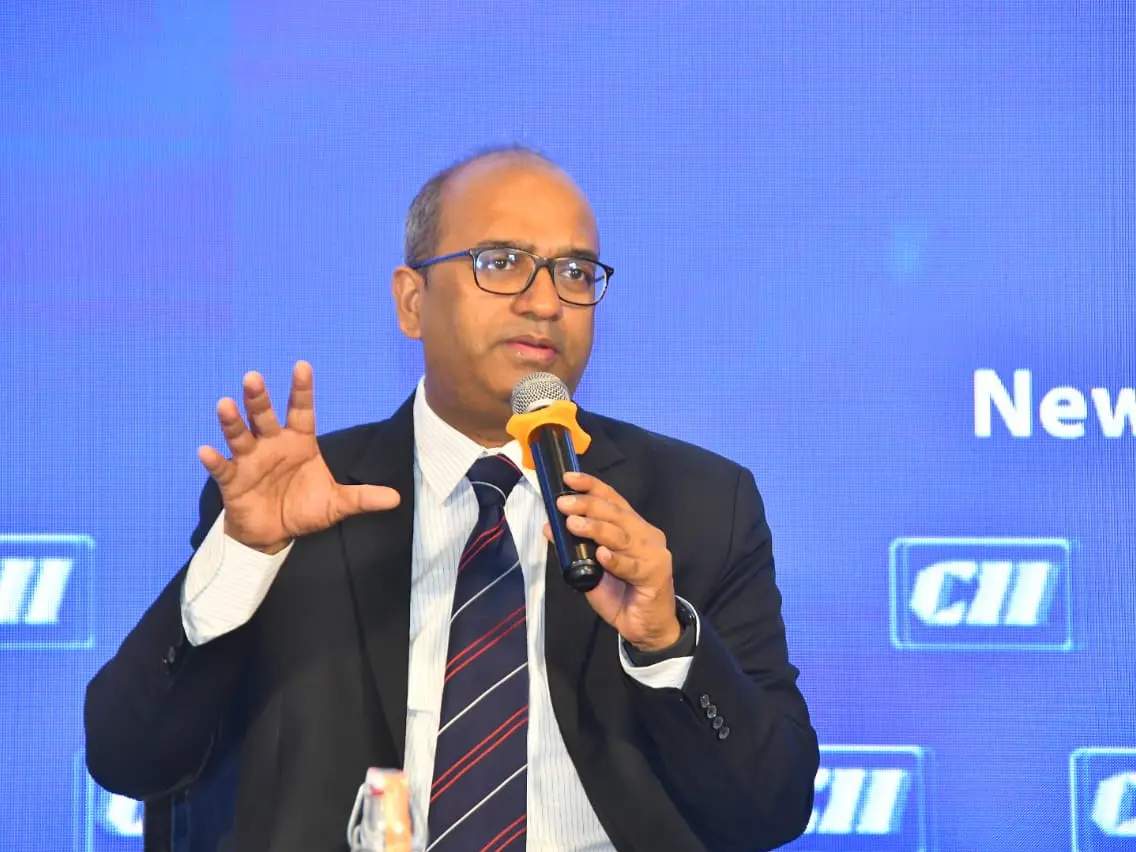
Microsoft CEO Satya Nadella has backed a more deliberate approach to advanced AI development, saying superintelligence must help humanity and remain under human control. He also wants broader access to AI while allowing businesses to retain control over their own models and knowledge.
Microsoft CEO Satya Nadella has entered the growing debate over how quickly artificial intelligence should advance, saying any pursuit of superintelligence must ultimately help humanity and remain under human control.
Nadella's comments come days after Anthropic CEO Dario Amodei called for the AI industry to “pace the frontier” and give safety work more time to keep up with rapidly improving models. OpenAI CEO Sam Altman and Elon Musk have also backed parts of Amodei's proposal.
The Microsoft chief's message adds a different dimension to the debate: AI safety should not mean putting control of the technology in the hands of only a few companies.
Nadella's condition for superintelligence
Nadella said the development of superintelligence should be based on a simple principle: if AI does not help humanity and cannot remain under human control, it is not worth pursuing. He also argued that the benefits of advanced AI should spread across countries, communities and companies.
That means, in his view, the future AI ecosystem should include both closed and open-source models, rather than being controlled by a small number of frontier labs.
Why Nadella wants ‘deliberate pacing’
Nadella said Microsoft supports research, focus and “deliberate pacing” so that alignment and safety are built into AI systems as they become more capable. He also welcomed the idea of embedded evaluators independent experts who can examine whether companies are actually following their safety commitments. That idea comes directly from Amodei's recent proposal. Anthropic has committed to giving third-party evaluators ongoing, employee-like access to its systems. Altman has said OpenAI will adopt a similar approach.
Trending Stories
)
)
)
)
&im=FitAndFill=(700,400))
)
)
&im=FitAndFill=(700,400))
)
)
)
)
)
&im=FitAndFill=(700,400))
)
)
)
)
)
)
)
)
&im=FitAndFill=(700,400))
)
)
)
)
)
&im=FitAndFill=(700,400))
)
)
)
But Nadella also stressed another issue that matters to businesses.
He wants organisations to retain control of their own knowledge and AI learning processes instead of becoming permanently dependent on one model provider.
Companies, he argued, should be able to put their own knowledge into models and control the resulting systems.
Microsoft promises a new AI ‘Code of Conduct’
Nadella said Microsoft's first-party MAI models will also have a “Code of Conduct”, which the company plans to publish for public consultation. His comments come as the AI industry faces a rare moment of agreement over the need for stronger safeguards.
Amodei has warned that rapidly improving AI could create serious risks, including loss of control, cyberattacks and biological misuse. His proposal calls for industry coordination and eventually international cooperation. Altman has backed the call to “pace the frontier”, while Musk simply responded to Amodei's proposal: “Dario is right.”
The debate is now shifting from whether AI should advance to a harder question: how fast should it advance, who should control it, and who gets to decide when a powerful AI system is safe enough to deploy? Nadella's answer is becoming clear: progress can continue, but human control cannot be the part that gets left behind.
