Who is Saif Ali? The ISPL star who reinvented his cricket career into a comeback story

&imwidth=600&imheight=450&format=webp&quality=medium "Who is Saif Ali? The ISPL star who reinvented his cricket career into a comeback story")
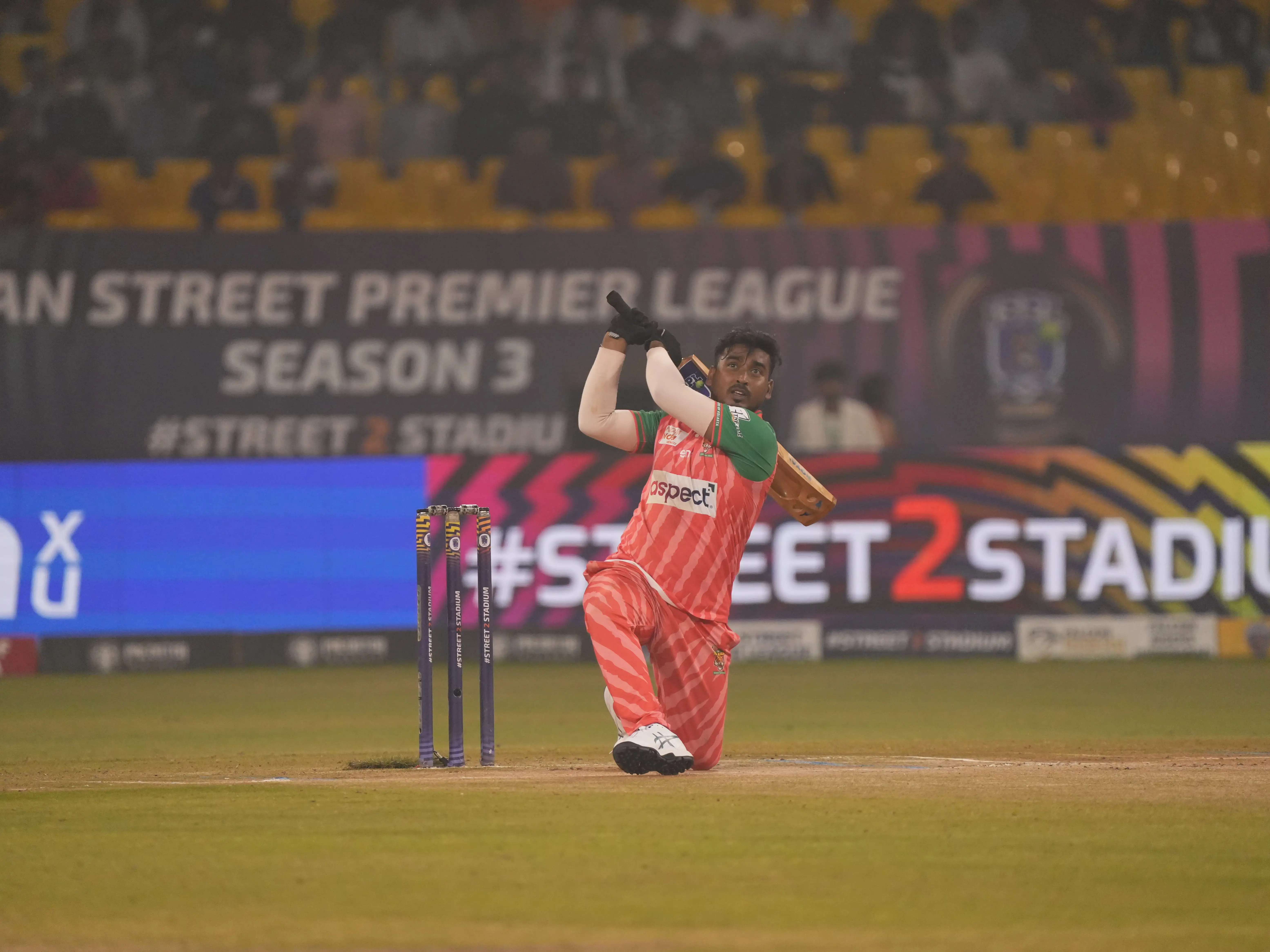
Saif Ali in action Photograph: (ISPL)
From rejection to reinvention, Saif Ali’s ISPL rise reflects resilience, second chances, and a new pathway connecting street cricket to pro sport
From battling rejection after a record-breaking season to rebuilding his career through street cricket, Saif Ali’s journey is one of resilience, reinvention, and belief. In this candid conversation with WION, the ISPL star, who plays for Tiigers of Kolkata in the league, opens up about walking away from leather-ball cricket, finding purpose again in tennis-ball cricket, balancing fatherhood with professional sport, and proving that success isn’t always defined by traditional pathways. Alongside him, ISPL team owner Aksha Kamboj and celebrity co-owner Saif Ali Khan share their vision of turning street cricket into a genuine bridge to the professional game, creating opportunities for raw talent across India.
Q1. You scored nearly 1,360 runs in one season, finished as the highest run-scorer, yet never got the call-up. At that moment, what hurt more, the rejection itself, or not knowing what else you could possibly do?
Honestly, it still surprises me sometimes. I was scoring runs for fun that season; everything felt right with my batting. At that point, you naturally expect something to open up. When it didn’t, there was disappointment, of course, but more than that, there was confusion. I kept thinking, what more can I really do? With time, though, I’ve made peace with it. Those runs gave me confidence that I could perform at a high level, and that belief has stayed with me even today.
Q2. Walking away from leather-ball cricket in 2020 wasn’t just a cricketing decision; it was personal. How difficult was it to step away from an identity you had built since you were 14?
It definitely wasn’t giving up. If anything, it was one of the hardest decisions of my life. Leather-ball cricket was everything I knew since I was 14. Walking away felt like losing a part of myself. But mentally, I wasn’t in a good space then. I needed distance to clear my head. Looking back now, I feel that decision saved my relationship with cricket rather than ending it.
Q3. When you shifted fully to tennis-ball cricket, did it feel like a step back at first, or did it immediately feel like a second chance? At what point did you realise, “I belong here”?
At the start, yes. I’d be lying if I said otherwise. You do feel that hesitation; you wonder how people will see it. But once I got into matches and started enjoying my batting again, that feeling disappeared. Runs started coming, responsibilities increased, and slowly, I stopped thinking about formats. I was just happy playing competitive cricket again, and that’s when I knew I belonged here.
Q4. Finishing as Player of the Tournament in ISPL 2025 was a turning point. What did that award mean to you internally validation, closure, or fresh hunger?
It meant a lot, honestly. Not in a loud way, but internally. It felt like reassurance. There were moments earlier when I doubted myself, so that award felt like a quiet reminder that the hunger was still there and the ability hadn’t gone anywhere. It also pushed me; once you reach that level, you want to stay there.
Q5. You’re now a father, a professional cricketer, and the main earning member through the game. How has responsibility changed the way you think about success, risk, and longevity in cricket?
My mindset has changed completely. Earlier, I played with freedom, but now there’s responsibility attached to everything. When you walk out to bat, you know you’re playing for more than just yourself. It’s made me calmer, more focused. I value consistency a lot more now. I still want to perform and take responsibility for the team, but I’m also thinking long-term, about staying fit, staying relevant, and playing for as long as I can.
Trending Stories
&imwidth=280&imheight=210&format=webp&quality=medium)
&imwidth=280&imheight=210&format=webp&quality=medium)
&imwidth=280&imheight=210&format=webp&quality=medium)
&imwidth=280&imheight=210&format=webp&quality=medium)
&imwidth=280&imheight=210&format=webp&quality=medium)
&imwidth=280&imheight=210&format=webp&quality=medium)
&im=FitAndFill=(700,400)&imwidth=280&imheight=210&format=webp&quality=medium)
&imwidth=280&imheight=210&format=webp&quality=medium)
&imwidth=280&imheight=210&format=webp&quality=medium)
&imwidth=280&imheight=210&format=webp&quality=medium)
&imwidth=280&imheight=210&format=webp&quality=medium)
&imwidth=280&imheight=210&format=webp&quality=medium)
&imwidth=280&imheight=210&format=webp&quality=medium)
&imwidth=280&imheight=210&format=webp&quality=medium)
&imwidth=280&imheight=210&format=webp&quality=medium)
&imwidth=280&imheight=210&format=webp&quality=medium)
&imwidth=280&imheight=210&format=webp&quality=medium)
&imwidth=280&imheight=210&format=webp&quality=medium)
&imwidth=280&imheight=210&format=webp&quality=medium)
&imwidth=280&imheight=210&format=webp&quality=medium)
&imwidth=280&imheight=210&format=webp&quality=medium)
&imwidth=280&imheight=210&format=webp&quality=medium)
&imwidth=280&imheight=210&format=webp&quality=medium)
&imwidth=280&imheight=210&format=webp&quality=medium)
&imwidth=280&imheight=210&format=webp&quality=medium)
&imwidth=280&imheight=210&format=webp&quality=medium)
&imwidth=280&imheight=210&format=webp&quality=medium)
&imwidth=280&imheight=210&format=webp&quality=medium)
&imwidth=280&imheight=210&format=webp&quality=medium)
Q6. You’ve spoken about life beyond cricket, business, family, and building a home. When you look back years from now, what do you hope people remember more: the runs you scored, or the way you kept going when the system shut its doors?
I hope they remember that I didn’t stop. That even when things didn’t go my way, I found another path and kept pushing. Runs and trophies matter, but everyone has ups and downs. If someone sees my journey and feels encouraged to keep going when things don’t work out, that would mean more to me than any statistic.
Here's what the owners of Tiigers of Kolkata said about the league
Q. What is the vision for nurturing young talent through the India Street Premier League, and how do you plan to bridge street cricket with the professional cricket ecosystem?
Aksha Kamboj (Owner): For me, ISPL is about creating opportunities where they didn’t exist before. Street cricket in India has always been full of raw talent, but not everyone has access to academies, systems, or the right exposure. Our vision is to give these players structure, support, and belief, not just matches, but guidance, discipline, and a professional environment. Bridging street cricket with the professional ecosystem means more than just spotting talent. It’s about nurturing a mindset, fitness, and consistency, and helping players understand what it takes to sustain a career in sport. If we can give them that foundation and the confidence that someone believes in their journey, then ISPL has truly done its job.
Saif Ali Khan (Celebrity co-owner): What excites me about the India Street Premier League is that it respects where these players come from. Street cricket is instinctive, and that’s something you can’t coach easily. Our aim is not to tamper with that spirit, but to refine it and give it direction. ISPL acts as a bridge by giving street cricketers visibility, a professional training ground, and a platform that feels aspirational. When young players see someone like them playing in packed stadiums, on broadcast, with structure and support, it suddenly feels possible. That belief is powerful. If ISPL can turn dreams into real pathways, then it’s doing something truly special for Indian cricket and opening up the arena for young, talented athletes from every nook and corner of the country to join the big league.

