FIFA 2026 | England and Argentina referees can't officiate in each other's matches and the answer lies in 1982

&imwidth=600&imheight=450&format=webp&quality=medium "FIFA 2026 | England and Argentina referees can't officiate in each other's matches and the answer lies in 1982")
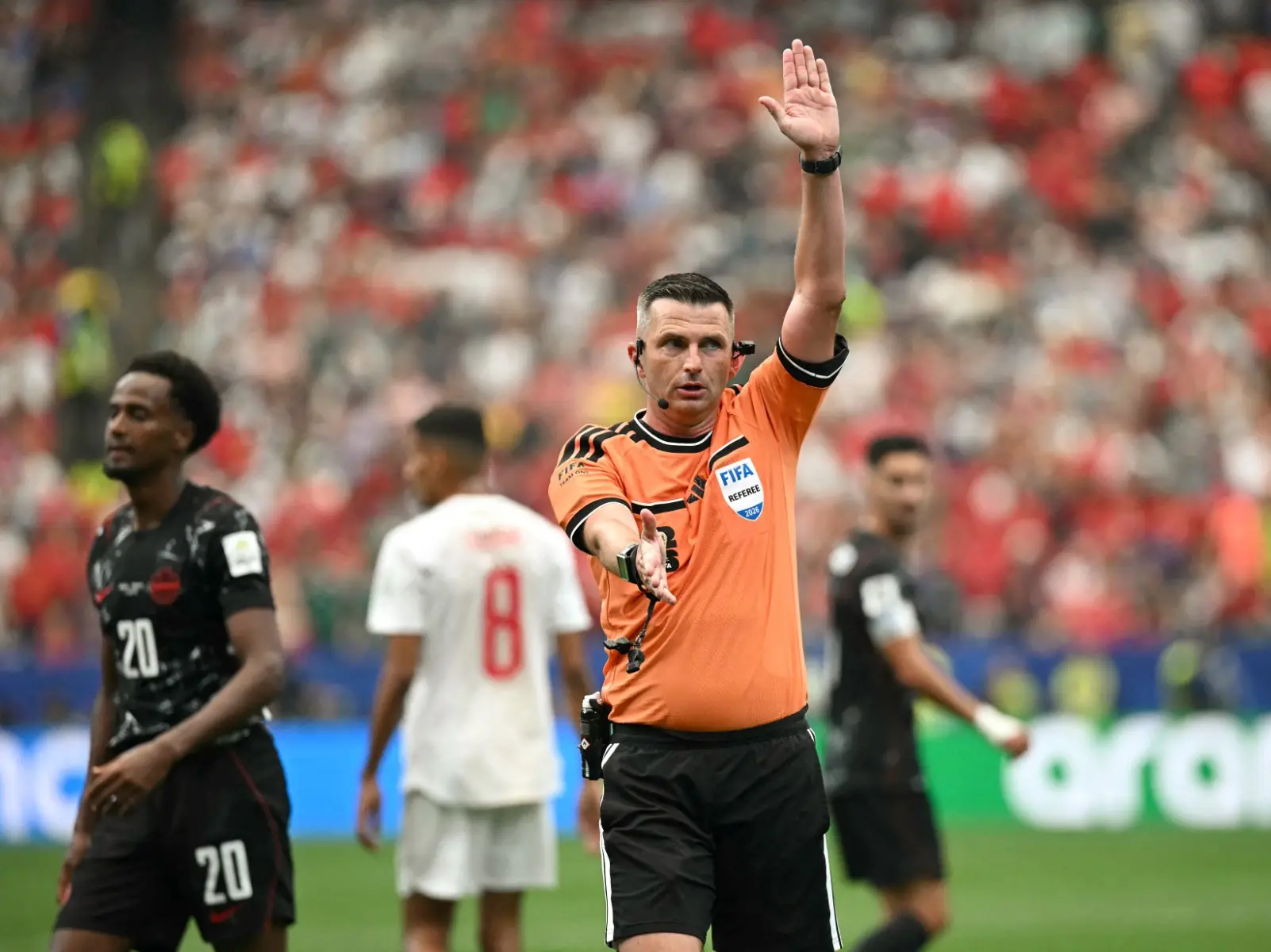
English referee Michael Oliver in FIFA 2026 Round of 16 match Photograph: (AFP)
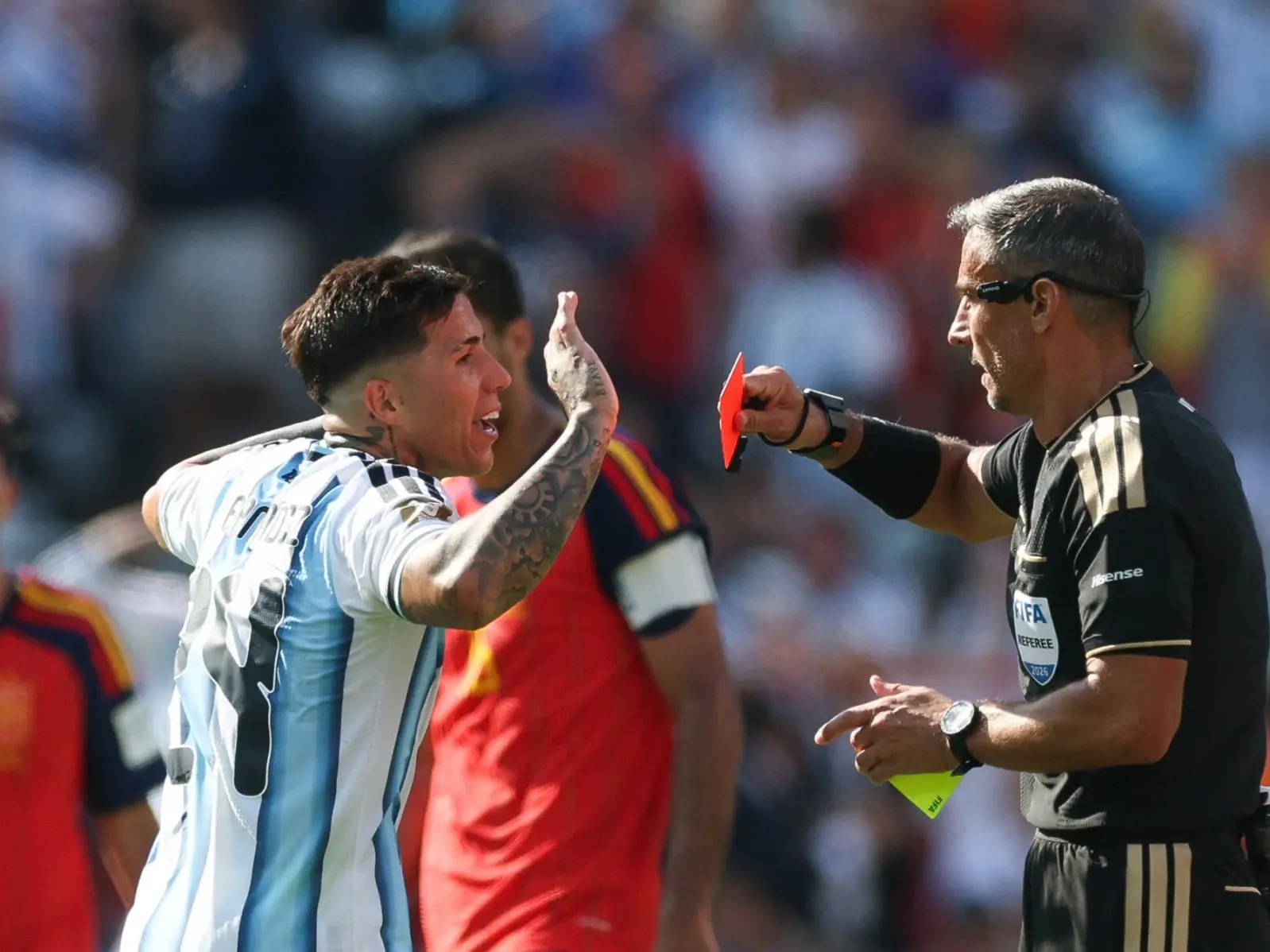
FIFA avoids appointing English and Argentine referees from each other's matches, a rule tracing back to the 1982 Falklands War. It could cost Michael Oliver and Anthony Taylor a shot at reffing the World Cup final.
FIFA can't seem to catch a break from referee controversies as the FIFA World Cup 2026 quarter-finals loom. From Egypt's fury over contentious calls against Argentina to VAR dramas deciding Portugal's fate against Croatia, the officiating spotlight has rarely dimmed. Add to that a quirk few casual fans know about: English and Argentine referees are barred from taking charge of each other's matches, a rule stemmed out of Falklands War of 1982, when Britain and Argentina fought a brief but bitter armed conflict over the South Atlantic islands.
Why England and Argentina refrees can't officiate in each other's matches?
The Falklands War erupted in 1982 when Argentina invaded the British-held islands in the South Atlantic, reigniting a decades-old sovereignty dispute. Britain responded militarily, and the conflict raged for over two months before it ended after 74 days with an Argentine surrender, as the islands were returned to British control.
)
English referee Michael Oliver in FIFA 2026 Round of 16 match Photograph: (AFP)
It's this lingering political sensitivity that shapes FIFA's approach. While the governing body doesn't publicly frame it as war-related, it generally avoids appointments that could stir political controversy, and officials face extra restrictions barring them from each other's matches given the countries' historical tensions.
How does FIFA appoint referees?
FIFA's refereeing panel handles appointments centrally, weighing performance, experience, and neutrality for every fixture. Beyond the standard rule that officials cannot take charge of matches involving their own nation, FIFA also screens for politically sensitive pairings.
This tournament alone saw 170 referees, assistant referees, and video assistant referees called up across 104 matches, giving FIFA more flexibility to sidestep conflicts of interest, whether sporting or geopolitical, when assigning officials to knockout-stage fixtures.
In what matches Argentina and England referees can't officiate?
Trending Stories
)
)
&im=FitAndFill=(700,400))
&im=FitAndFill=(700,400))
&im=FitAndFill=(700,400))
)
&im=FitAndFill=(700,400))
)
)
)
)
)
)
)
)
)
&im=FitAndFill=(700,400))
)
)
)
)
)
)
)
)
)
)
For Michael Oliver and Anthony Taylor, England's two centre referees at this World Cup, the Falklands rule adds a real complication to their path toward the final. Both are unlikely to be selected for the final unless Norway, who face England in the quarter-finals, or Switzerland, who play Argentina, advance instead. It means two of the tournament's most trusted officials could find their World Cup capped not by ability, but by a 44-year-old war neither had anything to do with. The same goes for Argentine referee Facundo Tello.

