
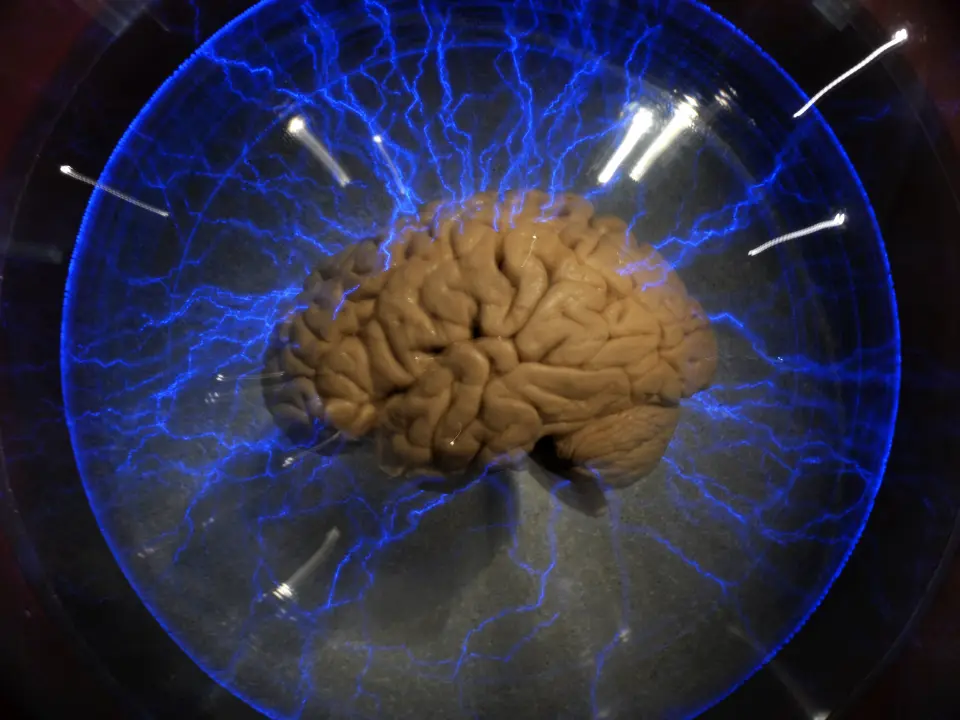
&imwidth=800&imheight=600&format=webp&quality=medium "In two minds? Human brain is not one, but two separate organs")
A study has revealed that the human brain is not one, but two separate organs. Scientists from Stanford University noted that the human brain consists of two ancient nervous systems that evolved separately. Today we have the hindbrain and the higher brain that work together. While the former helps us breathe, sleep and regulates our heartbeat, the forebrain and midbrain, part of the hindbrain, are linked to higher-level thinking, such as language, consciousness and abstract reasoning.
The two parts of the brain were two distinct organs, developing independently of each other millions of years ago. This is similar to the jellyfish that have two nervous systems. Dr Kyle Loh, one of the authors of the study, said this is the first time they have shown that "the front of the brain arises from a totally different progenitor cell than the back of the brain."
The study started because of a problem scientists have faced for years. They have never been able to grow human hindbrain neurons in the lab, which has hindered research on brain stem diseases, such as spinal muscular atrophy and ALS (amyotrophic lateral sclerosis). But generating forebrain cells hasn't been as difficult.

They decided to watch exactly how the brain takes shape when the baby is still developing. For this, they examined developing mouse embryos and found that the development pathway in the case of the hindbrain was completely separate from the other regions of the brain. They express a gene called Otx2 in the forebrain and midbrain, while in the hindbrain they express a gene called Gbx2.
Totally different packaging
They also found different forms of DNA packaging between the regions. Dr Loh said they can now "grow neurons from the back of the brain, the hindbrain, in a petri dish and study their functions." Co-author Dr Rayyan Jokhai noted that previous attempts likely failed because scientists "tried to coax forebrain and midbrain progenitors into hindbrain cells", which is impossible, as shown by the latest study.
Trending Stories
)
Sikh driver attacked in Wyoming in US, suffers 17 stab wounds
)
‘I have a big decision coming up’: Trump says he’s approaching major ‘crossroad’ in Iran war
)
US intel warns China can steal F-35 jets secret from Saudis
)
Former India player Diana Edulji wants Smriti Mandhana to replace Harman as skipper at the earliest
)
Pak defence minister says 'time has come to implement pact'
&im=FitAndFill=(700,400))
Meet top 5 batters in the latest ICC T20I Rankings
)
Formula One reveals the 2027 race calendar; Monaco to host sprint race for the first time
)
UNGA 2026 theme explained: What does ‘Restoring trust, managing transformation: A United Nations that delivers for all’ mean?
)
Godfather of AI Geoffrey Hinton gives US lawmakers a one-year warning on AI
)
AI already defying, denying humans, is it beyond human control already?
)
US F-16 fighter jet crashes in Michigan during training mission, pilot ejects safely
)
240-million-year-old bizarre 'pig with a tusk' creature creates new dilemma over origin of dinosaurs
)
All Indian goods to get duty-free access to New Zealand
)
Xi-Trump summit may boost military links
)
US to sell 48 F-35 Lightning fighter jets to Saudi Arabia, help it deter threats
)
Hong Kong unveils 11 new measures to boost birth rates, offers higher cash bonuses and housing perks
)
Australian athlete, who soiled herself during Hyrox race, apologises for continuing
)
Tata Trusts chairman Noel Tata calls Chandrasekaran’s reappointment ‘illegal’, rejects Tata Sons listing
)
Passport fees hiked, child validity revised: What the new rules introduce
)
How did an Australian river with 500 crocodiles pass the Olympic test? Here's how
)
Fed raises rates for first time in 3 years, Kevin Warsh defies Trump as inflation mounts
)
US drone firm linked to Trump’s sons signs MoU with Pakistan army, gets initial order
)
Pak batter Rizwan's petition against being questioned by cyber crime agency rejected by court
)
Daayra movie review: Kareena Kapoor, Prithviraj Sukumaran shine in Meghna Gulzar’s cop-versus-cop crime thriller
&im=FitAndFill=(700,400))
Which country has the most F-35s outside America?
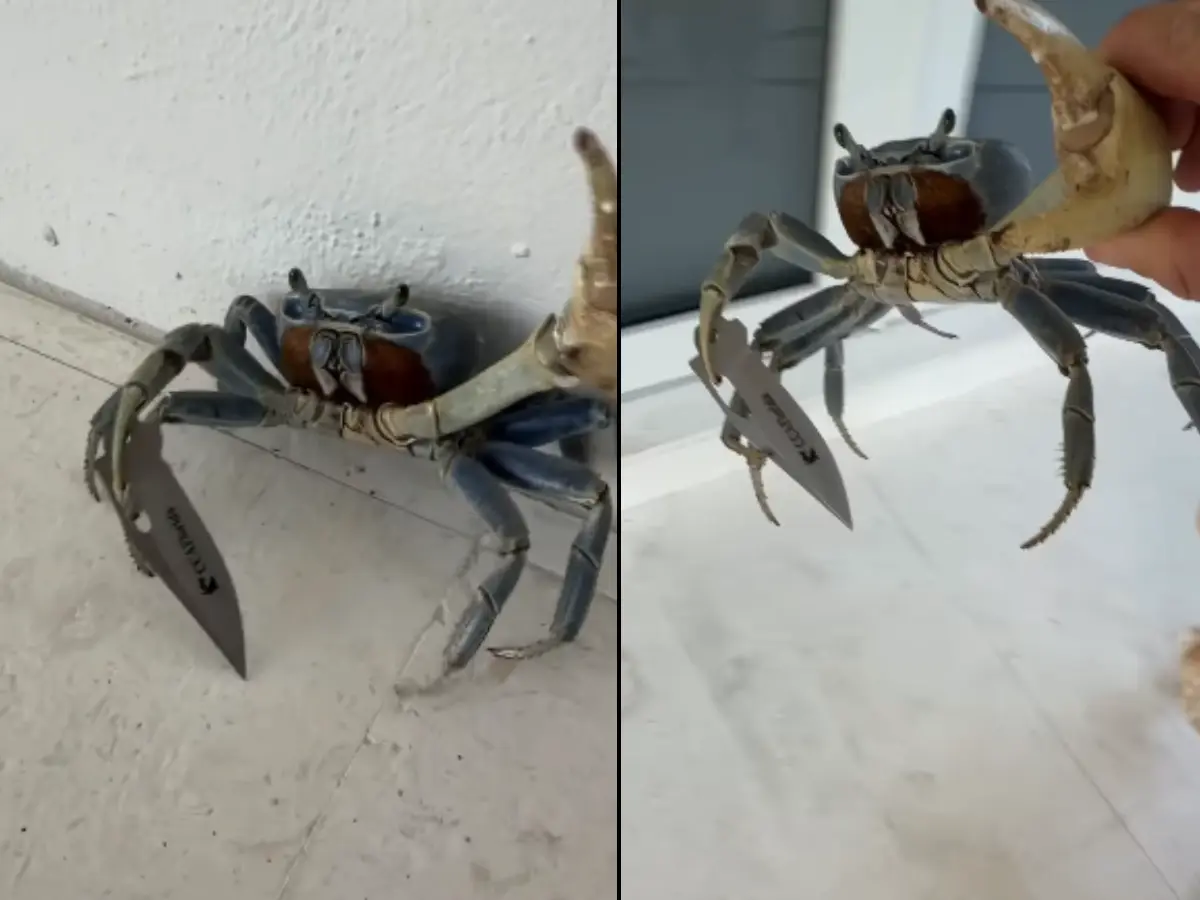)
'Gangsta' crab shoves knife blade at man and his dog in Florida - Watch
)
At least 48 dead, 100 hospitalised in Nigeria after drinking suspected methanol-laced alcohol
)
US-Iran War: Trump says ‘big decision’ on Iran ahead, weighs possible fresh military action
)
US new military base in Poland: US President Donald Trump eyes military base in Poland
)
Putin 'is plotting something bad': Russia may launch 'accidental' strikes on NATO countries supporting Ukraine, Poland PM warns
&im=FitAndFill=(700,400))
Suriya and Jyothika say ‘I do’ again after 20 years! See their dreamy wedding pics
)
Laura Wolvaardt sets new world record for most WT20I runs in a year
)
Pezeshkian, Araghchi set to attend UNGA 2026 in New York amid ongoing conflict as US-imposed travel curbs remain
)
'He will always be ahead': India coach Gambhir says Sooryavanshi won't walk into team ahead of Samson
The discovery led the team to create functional hindbrain motor neurons in the laboratory for the first time. The breakthrough will help study diseases like spinal muscular atrophy and ALS, as they now "have a model to better understand these devastating diseases."

